John R. Staples – författare
Visar alla böcker från författaren John R. Staples. Handla med fri frakt och snabb leverans.
11 produkter
11 produkter
E-bok
PDF, Engelska, 20151 119 kr
Läs direkt efter köp
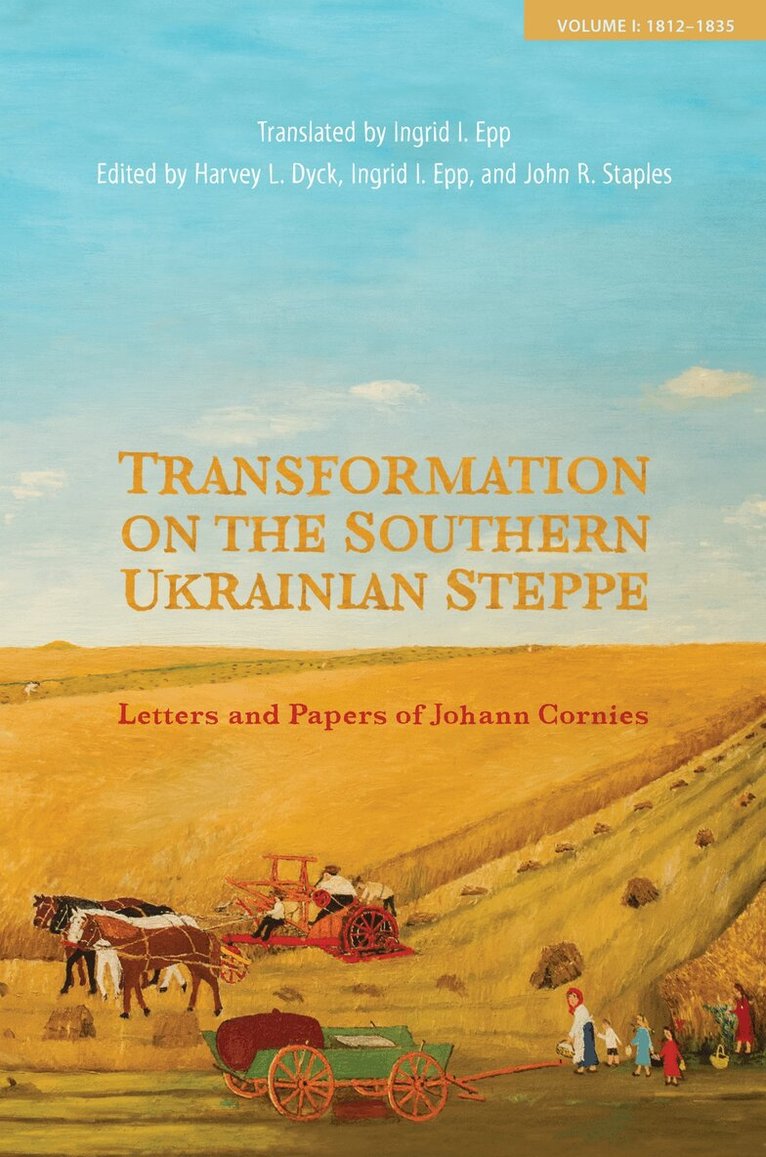
In the eighteenth and nineteenth centuries, the Russian empire opened the grasslands of southern Ukraine to agricultural settlement. Among the immigrants who arrived were communities of Prussian Mennonites, recruited as “model colonists” to bring progressive agricultural methods to the east. Transformation on the Southern Ukrainian Steppe documents the Tsarist Mennonite experience through the papers of Johann Cornies (1789–1848), an ambitious and energetic leader of the Mennonite colony of Molochna.Cornies was well connected in the imperial government, and his papers offer a window not just into the world of the Molochna Mennonites but also into the Tsarist state’s relationship with the national minorities of the frontier: Mennonites, Doukhbors, Nogai Tartars, and Jews. This selection of his letters and reports, translated into English, is an invaluable resource for scholars of all aspects of life in Tsarist Ukraine and for those interested in Mennonite history.
E-bok
Engelska, 20161 248 kr
Läs direkt efter köp
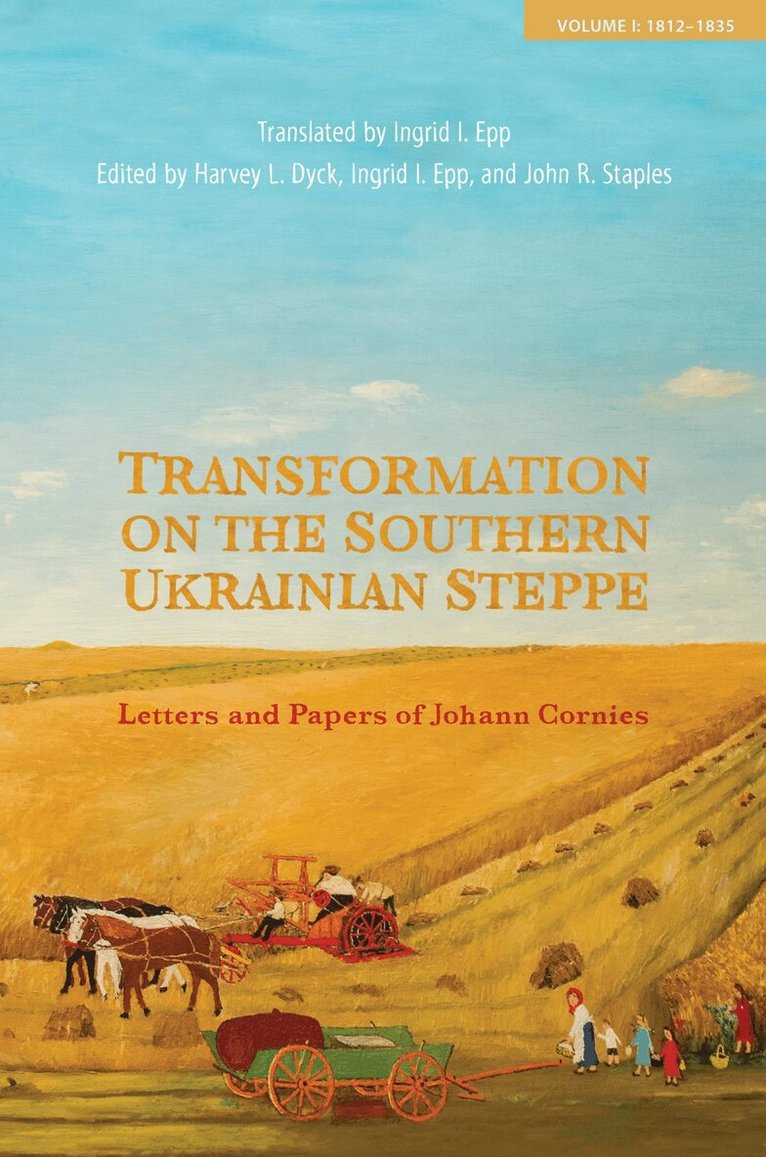
In the eighteenth and nineteenth centuries, the Russian empire opened the grasslands of southern Ukraine to agricultural settlement. Among the immigrants who arrived were communities of Prussian Mennonites, recruited as “model colonists” to bring progressive agricultural methods to the east. Transformation on the Southern Ukrainian Steppe documents the Tsarist Mennonite experience through the papers of Johann Cornies (1789–1848), an ambitious and energetic leader of the Mennonite colony of Molochna.Cornies was well connected in the imperial government, and his papers offer a window not just into the world of the Molochna Mennonites but also into the Tsarist state’s relationship with the national minorities of the frontier: Mennonites, Doukhbors, Nogai Tartars, and Jews. This selection of his letters and reports, translated into English, is an invaluable resource for scholars of all aspects of life in Tsarist Ukraine and for those interested in Mennonite history.
Inbunden, Engelska, 2015
990 kr
Skickas inom 5-8 vardagar
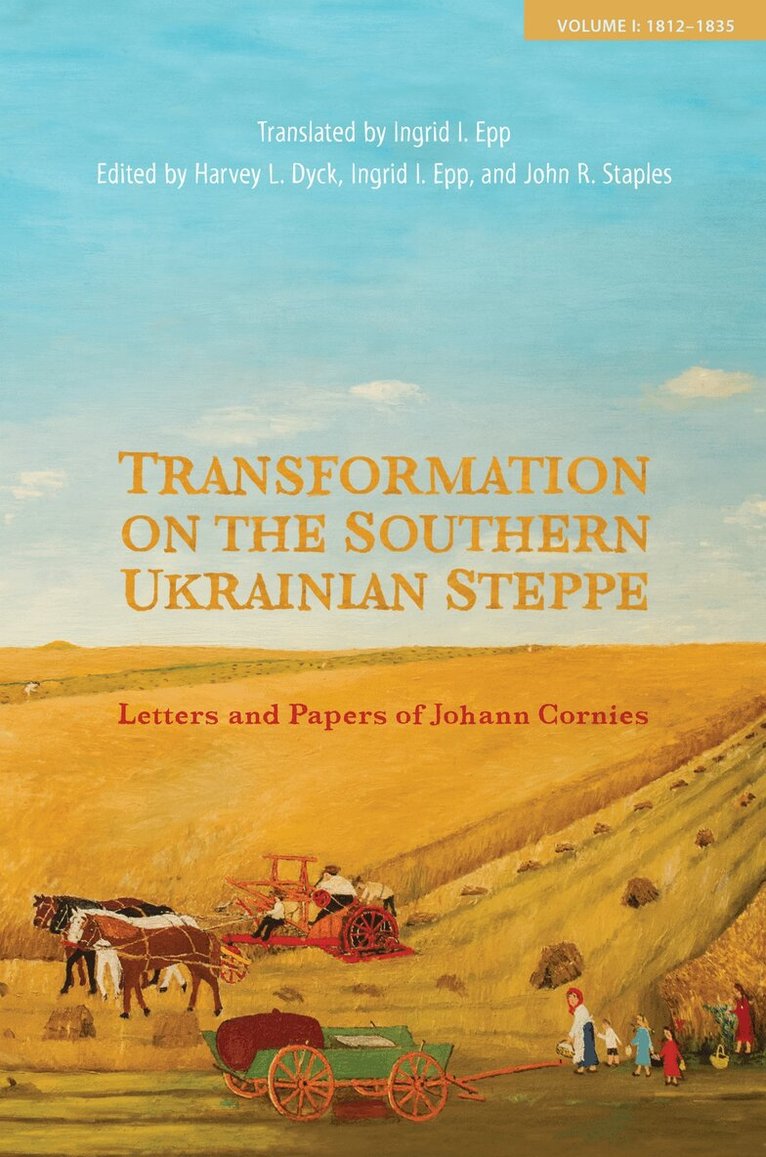
In the eighteenth and nineteenth centuries, the Russian empire opened the grasslands of southern Ukraine to agricultural settlement. Among the immigrants who arrived were communities of Prussian Mennonites, recruited as “model colonists” to bring progressive agricultural methods to the east. Transformation on the Southern Ukrainian Steppe documents the Tsarist Mennonite experience through the papers of Johann Cornies (1789–1848), an ambitious and energetic leader of the Mennonite colony of Molochna.Cornies was well connected in the imperial government, and his papers offer a window not just into the world of the Molochna Mennonites but also into the Tsarist state’s relationship with the national minorities of the frontier: Mennonites, Doukhbors, Nogai Tartars, and Jews. This selection of his letters and reports, translated into English, is an invaluable resource for scholars of all aspects of life in Tsarist Ukraine and for those interested in Mennonite history.
E-bok
PDF, Engelska, 20031 054 kr
Läs direkt efter köp
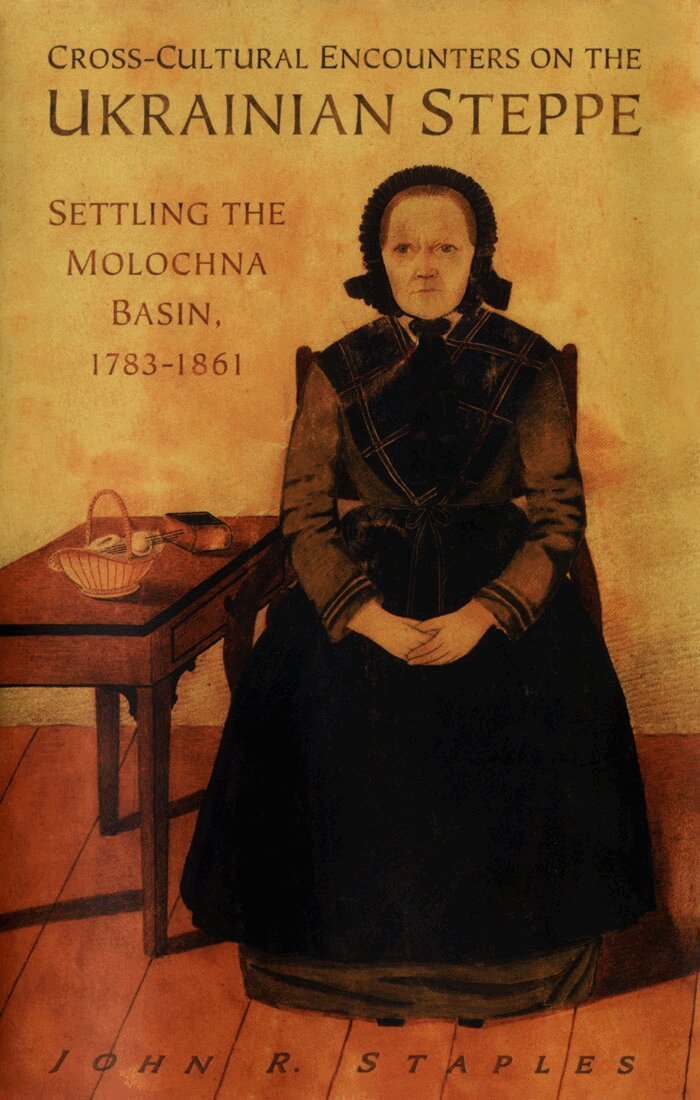
A regional history of colonization and adaptation in southern Ukraine, Cross-Cultural Encounters on the Ukrainian Steppe examines how diverse agrarian groups, faced with common environmental, economic, and administrative conditions, followed sharply divergent paths of development. Using a wide variety of sources, including local Ukrainian and Russian archives never before examined by a western scholar, John Staples compares and contrasts how the Mennonites, Nogais, Russians, Ukrainians, and other groups transformed their environments and adapted to life in the Molochna Valley.Staples contends that the allocation and use of land formed a central hub around which public life in Molochna revolved, and determined the success or failure of each group. Ultimately, he concludes, it was the settlers, not the state, who decided how they would adapt to the arid southern Ukrainian steppe. Perhaps most importantly, Staples makes a major contribution to the investigation of how peasant groups can emerge from their traditionalist mentality and life-style as the Mennonites of Molochna did. His thoughtful analysis will be a welcome addition to the study of both Tsarist peasant history and Russian and Ukrainian agricultural and peasant history.
Inbunden, Engelska, 2020
1 090 kr
Skickas inom 5-8 vardagar
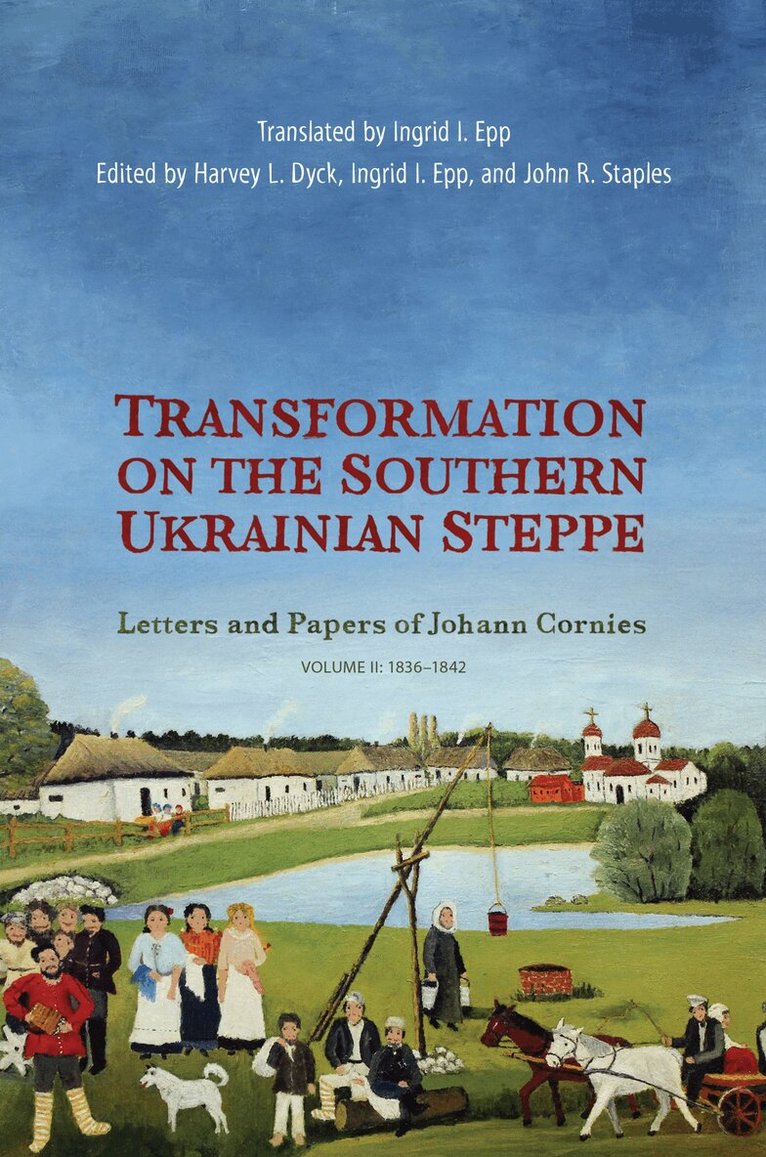
In the eighteenth and nineteenth centuries, the Russian empire opened the grasslands of southern Ukraine to agricultural settlement. Among the immigrants who arrived were communities of Prussian Mennonites, recruited as "model colonists" to bring progressive agricultural methods to the east. The three volumes of Transformation on the Southern Ukrainian Steppe document the Tsarist Mennonite experience through the papers of Johann Cornies (1789–1848), an ambitious and energetic leader of the Mennonite colony of Molochna.This volume covers the years between 1836 and 1842, beginning with the creation of the Mennonite Agricultural Society and ending with the Warkentin Affair, which pushed the Mennonite settlement to the precipice of potential religious and political disaster. Throughout this era, Johann Cornies negotiated a shifting political landscape while guiding his community through equally challenging economic times.Cornies was well connected in the imperial government, and his papers offer a window not just into the world of the Molochna Mennonites, but also into the Tsarist state’s relationship with the national minorities of the frontier: Mennonites, Doukhobors, Nogai Tatars, and Jews. This selection of his letters and reports, translated into English, is an invaluable resource for scholars of all aspects of life in Tsarist Ukraine and for those interested in Mennonite history.
E-bok
PDF, Engelska, 20201 629 kr
Läs direkt efter köp
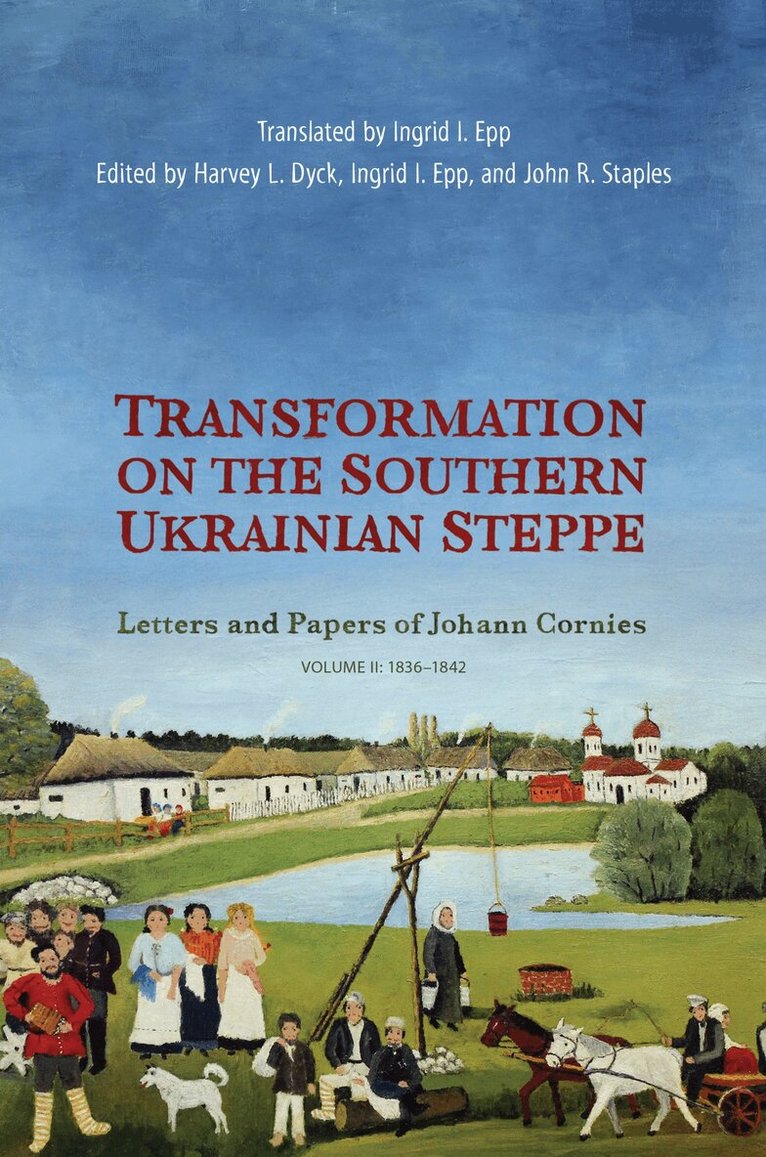
In the eighteenth and nineteenth centuries, the Russian empire opened the grasslands of southern Ukraine to agricultural settlement. Among the immigrants who arrived were communities of Prussian Mennonites, recruited as "model colonists" to bring progressive agricultural methods to the east. The three volumes of Transformation on the Southern Ukrainian Steppe document the Tsarist Mennonite experience through the papers of Johann Cornies (1789–1848), an ambitious and energetic leader of the Mennonite colony of Molochna.This volume covers the years between 1836 and 1842, beginning with the creation of the Mennonite Agricultural Society and ending with the Warkentin Affair, which pushed the Mennonite settlement to the precipice of potential religious and political disaster. Throughout this era, Johann Cornies negotiated a shifting political landscape while guiding his community through equally challenging economic times.Cornies was well connected in the imperial government, and his papers offer a window not just into the world of the Molochna Mennonites, but also into the Tsarist state's relationship with the national minorities of the frontier: Mennonites, Doukhobors, Nogai Tatars, and Jews. This selection of his letters and reports, translated into English, is an invaluable resource for scholars of all aspects of life in Tsarist Ukraine and for those interested in Mennonite history.
E-bok
Engelska, 20201 614 kr
Läs direkt efter köp
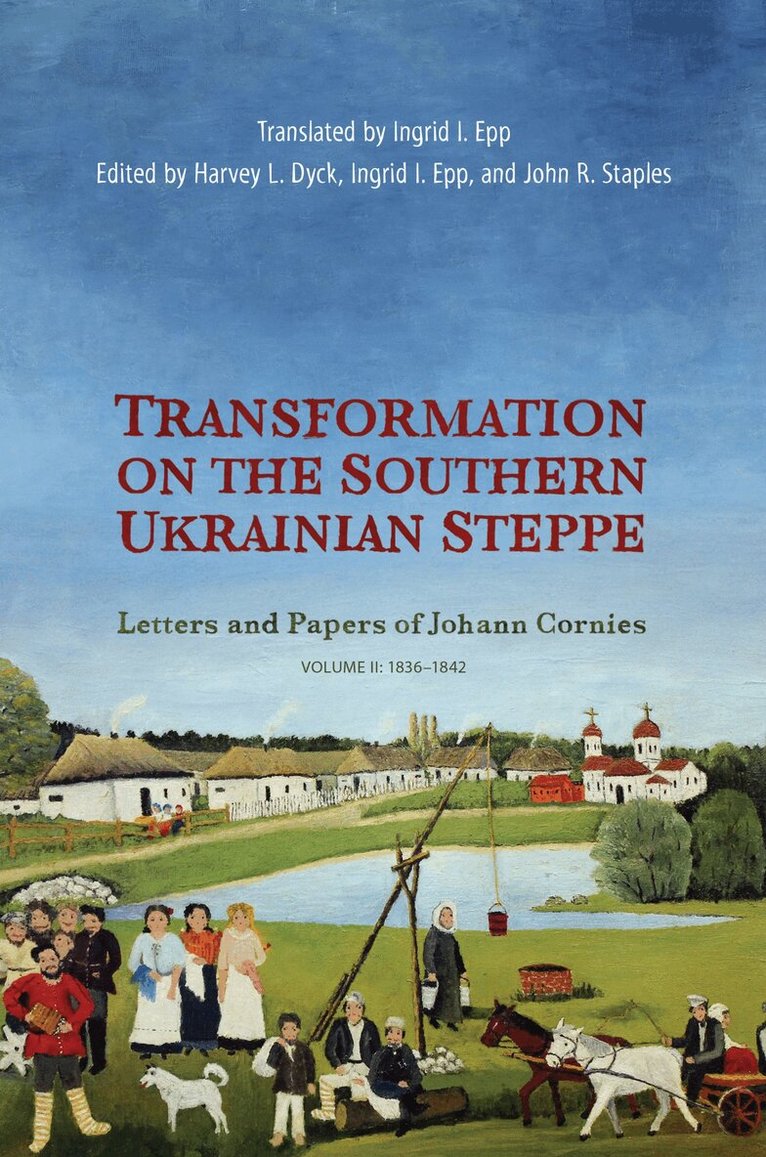
In the eighteenth and nineteenth centuries, the Russian empire opened the grasslands of southern Ukraine to agricultural settlement. Among the immigrants who arrived were communities of Prussian Mennonites, recruited as "model colonists" to bring progressive agricultural methods to the east. The three volumes of Transformation on the Southern Ukrainian Steppe document the Tsarist Mennonite experience through the papers of Johann Cornies (1789–1848), an ambitious and energetic leader of the Mennonite colony of Molochna.This volume covers the years between 1836 and 1842, beginning with the creation of the Mennonite Agricultural Society and ending with the Warkentin Affair, which pushed the Mennonite settlement to the precipice of potential religious and political disaster. Throughout this era, Johann Cornies negotiated a shifting political landscape while guiding his community through equally challenging economic times.Cornies was well connected in the imperial government, and his papers offer a window not just into the world of the Molochna Mennonites, but also into the Tsarist state's relationship with the national minorities of the frontier: Mennonites, Doukhobors, Nogai Tatars, and Jews. This selection of his letters and reports, translated into English, is an invaluable resource for scholars of all aspects of life in Tsarist Ukraine and for those interested in Mennonite history.
Inbunden, Engelska, 2023
677 kr
Skickas inom 5-8 vardagar
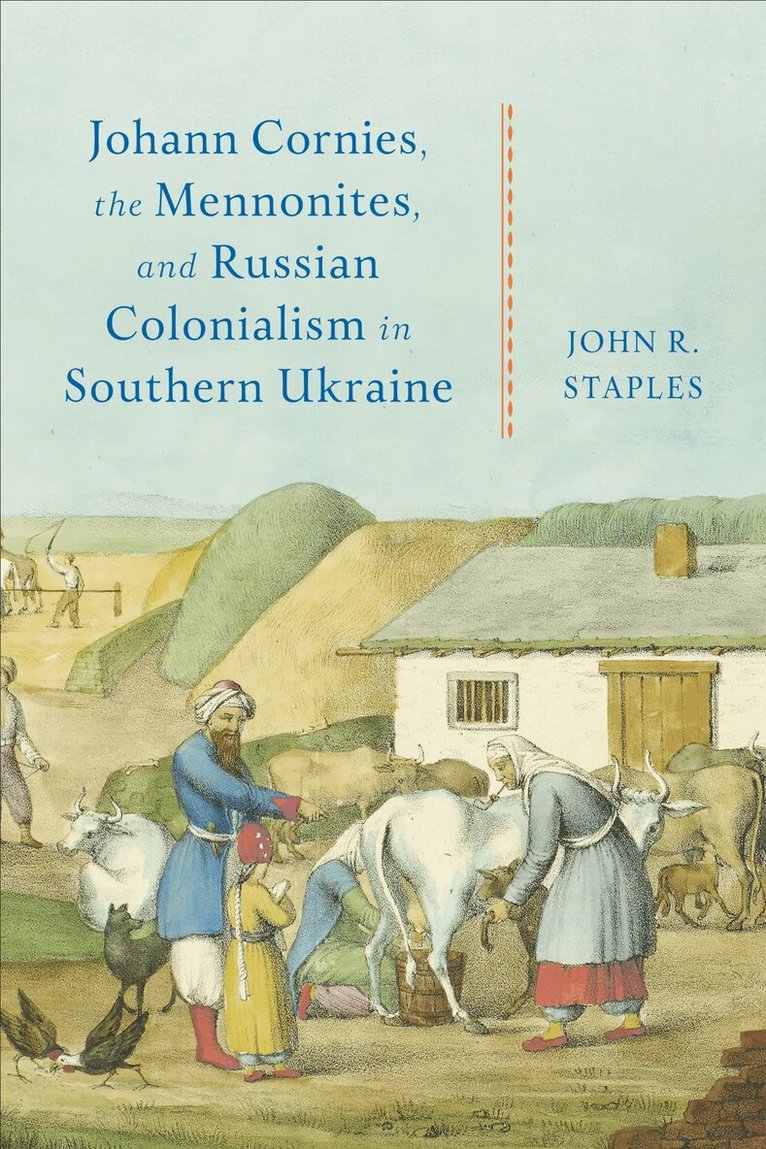
In the late eighteenth century, the Russian Empire opened the grasslands of southern Ukraine to agricultural settlement by new colonists, among them Prussian Mennonites. Mennonite colonization was one aspect of the empire’s consolidation and modernization of its multi-ethnic territory. In the colony of Molochnaia, the dominant personality of the early nineteenth century was Johann Cornies (1789–1848), a hard-driving modernizer and intimate of senior Russian officials whose papers provide unique access into events in Ukraine in this era.Johann Cornies, the Mennonites, and Russian Colonialism in Southern Ukraine uses the life story of Johann Cornies to explore how colonial subjects interacted with Russian imperial policy. The book reveals how tsarist imperial policy shifted toward Russification in the 1830s and 1840s and became increasingly intolerant of ethnocultural and ethnoreligious minorities. It shows that Russia employed the Mennonite settlement as a colonial laboratory of modernity, and that the Mennonites were among Russia’s most economically productive subjects. This microhistory illuminates the role of Johann Cornies as a mediator between the empire and the Mennonite colonists, and it ultimately aims to bring light to the history of nineteenth-century Russia and Ukraine.
Inbunden, Engelska, 2025
1 014 kr
Skickas inom 5-8 vardagar
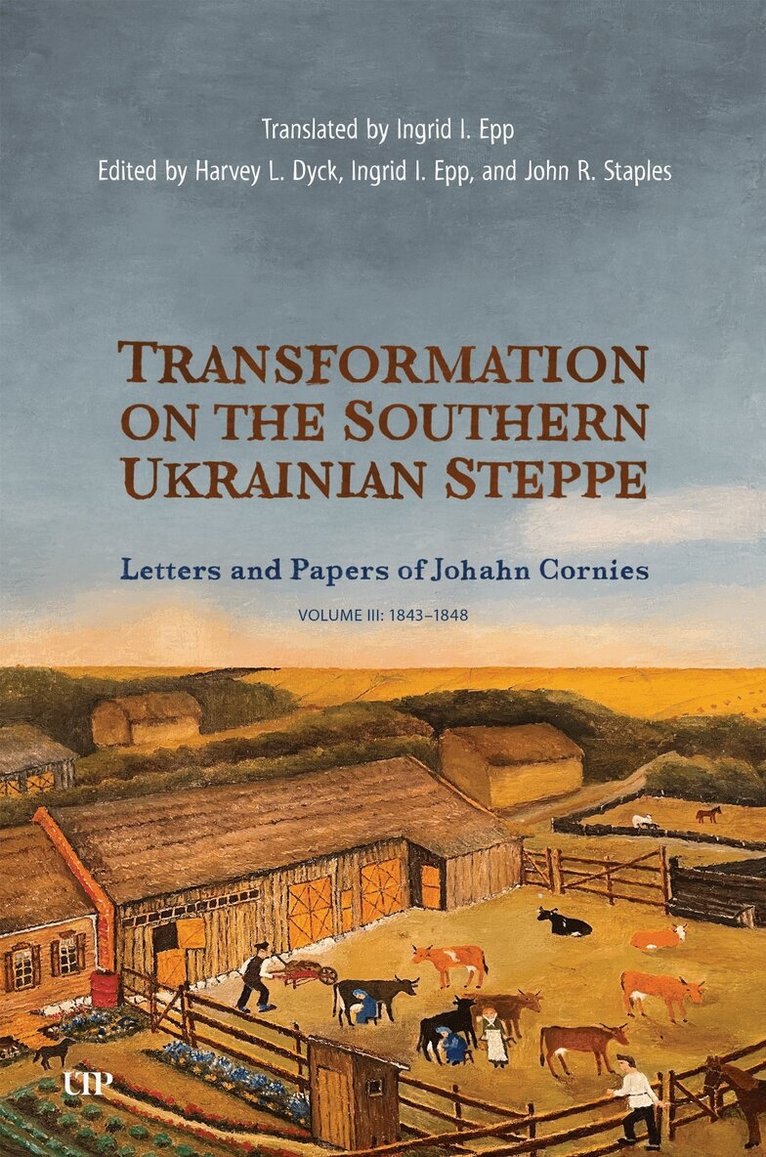
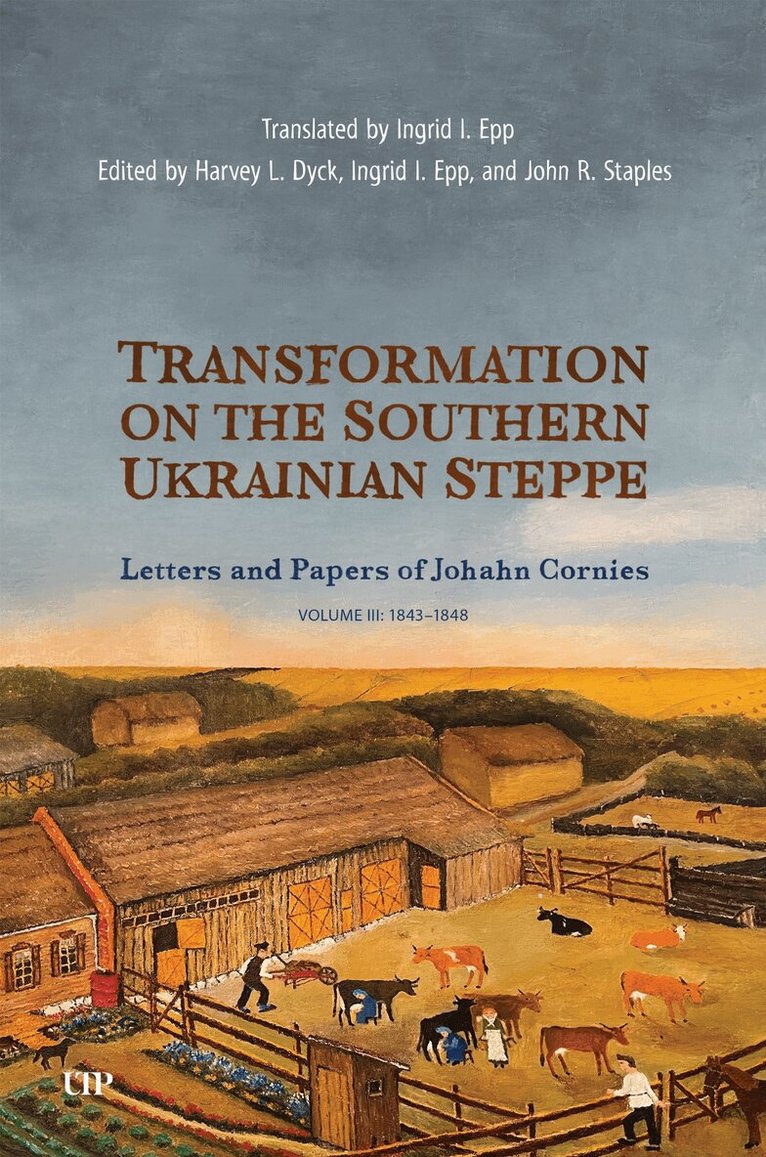
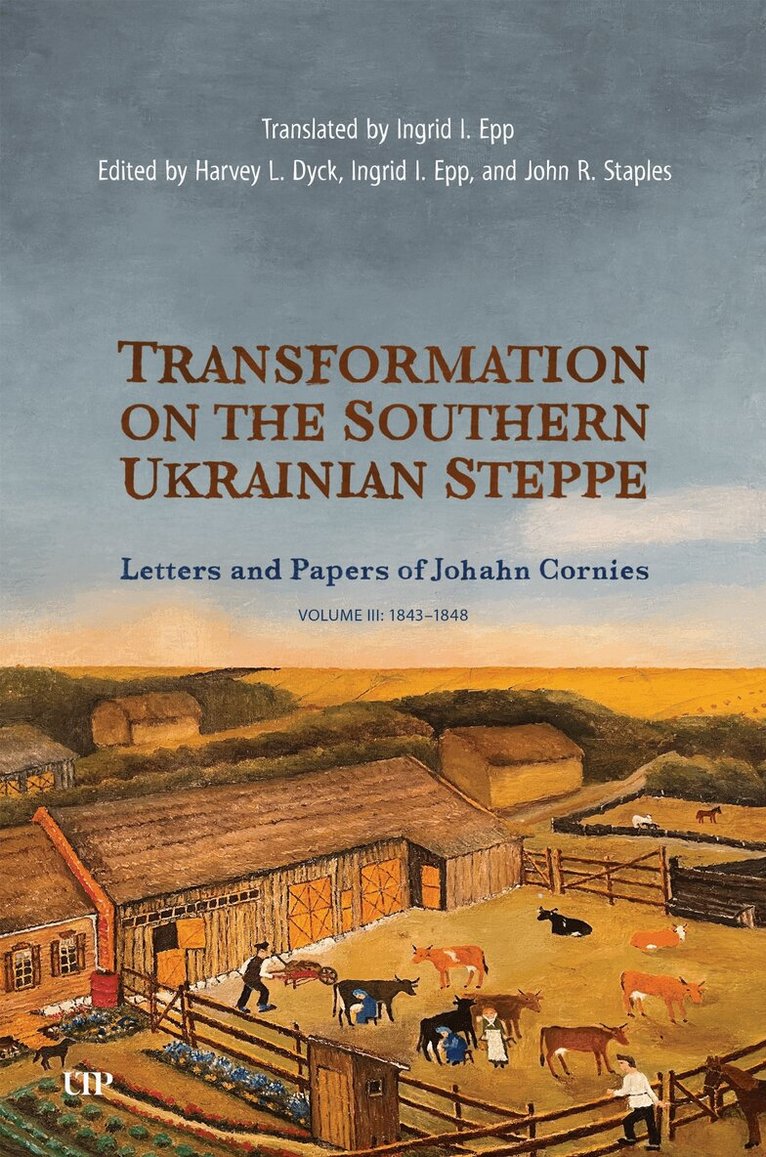
In the eighteenth and nineteenth centuries, the Russian Empire opened the grasslands of southern Ukraine to agricultural settlement. Transformation on the Southern Ukrainian Steppe documents the Tsarist Mennonite experience through the papers of Johann Cornies (1789–1848), an ambitious and energetic leader of the Mennonite colony of Molochnaia. The third and final volume of Cornies’s papers, this book examines the later years of his leadership among the Mennonite settlers in southern Ukraine. Covering the period from 1843 to 1848, it reveals Cornies’s efforts to navigate the complex relationships between the Mennonites, the Russian state, and neighbouring communities. Highlighting Cornies as an ambitious reformer and key intermediary with the imperial government, the book explores how he played a pivotal role in shaping Mennonite prosperity in the region. Through his correspondence, it offers a unique glimpse into the workings of the colonial state and the tensions between religious tradition and secular ambition within the Mennonite community.This volume provides a rich portrayal of Cornies’s leadership, the evolving Mennonite community, and the personal struggles of a man balancing reform with tradition. Transformation on the Southern Ukrainian Steppe is an essential resource for scholars of Mennonite history, Russian colonialism, and minority life in the nineteenth century.
E-bok
PDF, Engelska, 20251 206 kr
Läs direkt efter köp
In the eighteenth and nineteenth centuries, the Russian Empire opened the grasslands of southern Ukraine to agricultural settlement. Transformation on the Southern Ukrainian Steppe documents the Tsarist Mennonite experience through the papers of Johann Cornies (1789-1848), an ambitious and energetic leader of the Mennonite colony of Molochnaia. The third and final volume of Cornies s papers, this book examines the later years of his leadership among the Mennonite settlers in southern Ukraine. Covering the period from 1843 to 1848, it reveals Cornies s efforts to navigate the complex relationships between the Mennonites, the Russian state, and neighbouring communities. Highlighting Cornies as an ambitious reformer and key intermediary with the imperial government, the book explores how he played a pivotal role in shaping Mennonite prosperity in the region. Through his correspondence, it offers a unique glimpse into the workings of the colonial state and the tensions between religious tradition and secular ambition within the Mennonite community.This volume provides a rich portrayal of Cornies s leadership, the evolving Mennonite community, and the personal struggles of a man balancing reform with tradition. Transformation on the Southern Ukrainian Steppe is an essential resource for scholars of Mennonite history, Russian colonialism, and minority life in the nineteenth century.
E-bok
Engelska, 20251 206 kr
Läs direkt efter köp
In the eighteenth and nineteenth centuries, the Russian Empire opened the grasslands of southern Ukraine to agricultural settlement. Transformation on the Southern Ukrainian Steppe documents the Tsarist Mennonite experience through the papers of Johann Cornies (1789-1848), an ambitious and energetic leader of the Mennonite colony of Molochnaia. The third and final volume of Cornies s papers, this book examines the later years of his leadership among the Mennonite settlers in southern Ukraine. Covering the period from 1843 to 1848, it reveals Cornies s efforts to navigate the complex relationships between the Mennonites, the Russian state, and neighbouring communities. Highlighting Cornies as an ambitious reformer and key intermediary with the imperial government, the book explores how he played a pivotal role in shaping Mennonite prosperity in the region. Through his correspondence, it offers a unique glimpse into the workings of the colonial state and the tensions between religious tradition and secular ambition within the Mennonite community.This volume provides a rich portrayal of Cornies s leadership, the evolving Mennonite community, and the personal struggles of a man balancing reform with tradition. Transformation on the Southern Ukrainian Steppe is an essential resource for scholars of Mennonite history, Russian colonialism, and minority life in the nineteenth century.