Harvey L. Dyck – författare
Visar alla böcker från författaren Harvey L. Dyck. Handla med fri frakt och snabb leverans.
15 produkter
15 produkter
Häftad, Engelska, 2014
463 kr
Skickas inom 5-8 vardagar
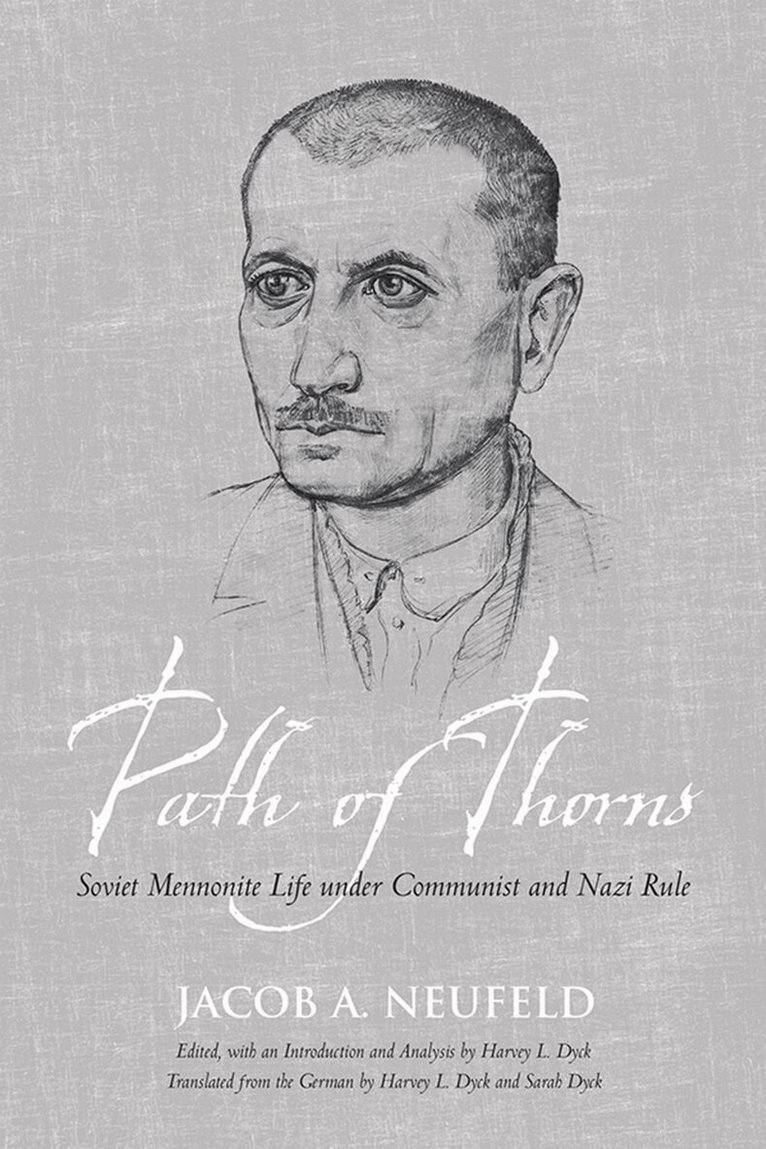
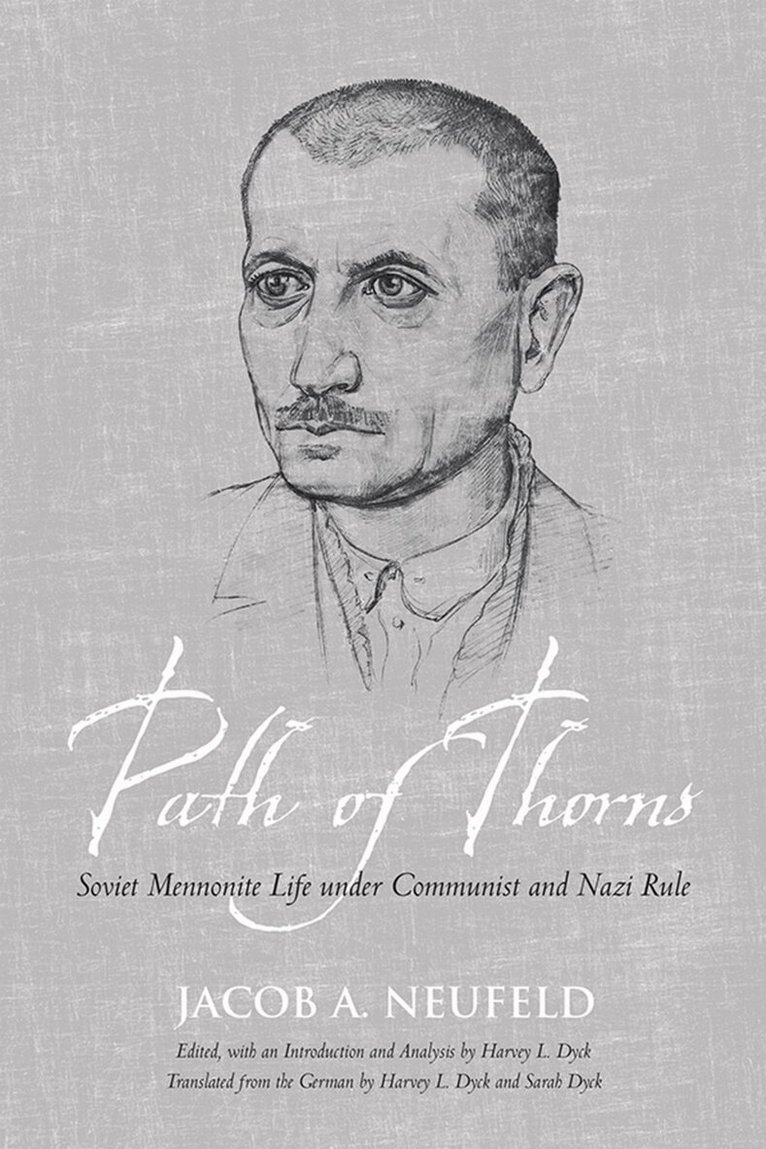
Under Bolshevik and Nazi rule, nearly one-third of all Soviet Mennonites – including more than half of all adult men – perished, while a large number were exiled to the east and the north by the Soviet secret police (NKVD). Others fled westward on long treks, seeking refuge in Germany during the Second World War. However, at war’s end, the majority of the USSR refugees living in Germany were sent to the Soviet Gulag, where many died.Paths of Thorns is the story of Jacob Abramovich Neufeld (1895–1960), a prominent Soviet Mennonite leader and writer, as well as one of these Mennonites sent to the Gulag. Consisting of three parts – a Gulag memoir, a memoir-history, and a long letter from Neufeld to his wife – this volume mirrors the life and suffering of Neufeld’s generation of Soviet Mennonites. In the words of editor and translator Harvey L. Dyck, “Neufeld’s writings elevate a simple story of terror and survival into a remarkable chronicle and analysis of the cataclysm that swept away his small but significant ethno-religious community.”
Häftad, Engelska, 2013
492 kr
Skickas inom 5-8 vardagar
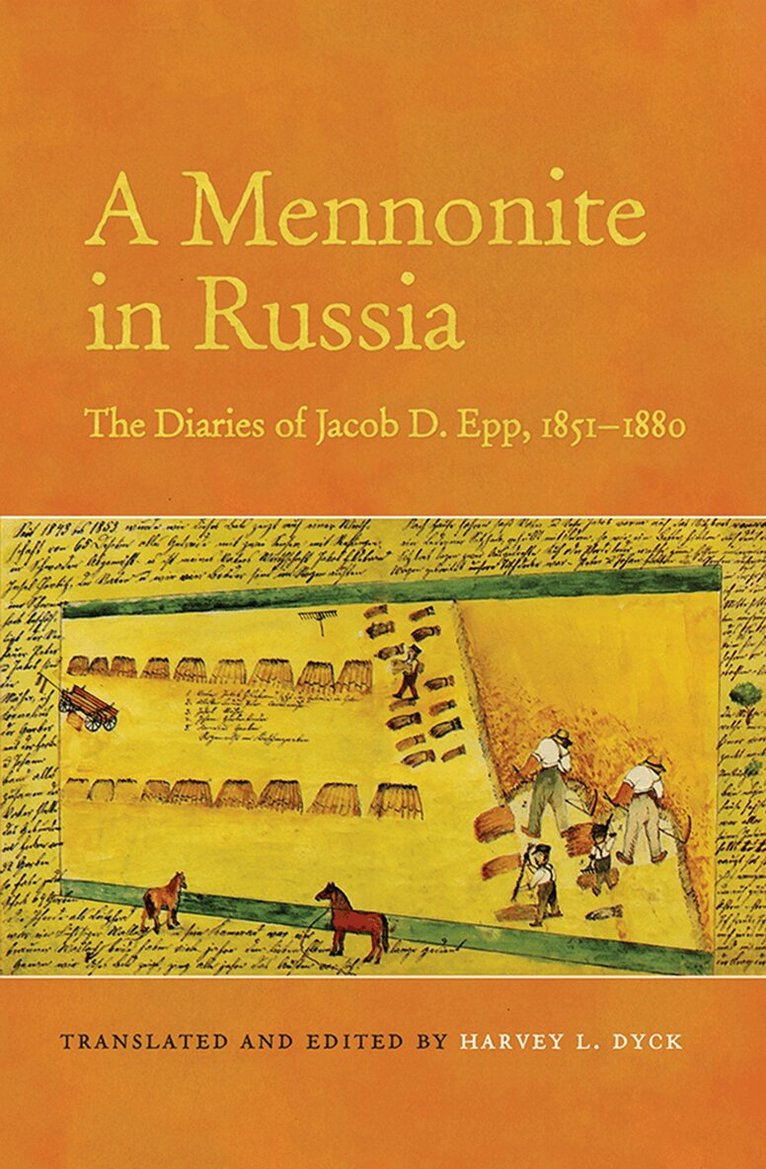
In the lives of ordinary people are the truths of history. Such truths abound in the diaries of Jacob Epp, a Russian Mennonite school-teacher, lay minister, farmer, and village secretary in southern Ukraine. This abridged translation of his diaries offers a remarkably vivid picture of Mennonite community life in Imperial Russia during a period of troubled change. Epp’s writings reveal a skilled and honest diarist of deep feelings, and tell a human story that no conventional historical account could hope to equal.The diaries overflow with the details of his workaday world. Family, village, church, and community routines are broken by trips to market, visits to other Mennonite settlements, and a memorable steamer voyage to boomtown Odessa on the Black Sea. He chronicles his long-time involvement in an unusual Imperial experiment in which Mennonites were “model farmers” in Jewish villages.Harvey L. Dyck places the diaries in their historical, ethnocultural, social, religious, economic, and political settings. Based on archival research, interviews, travels, and consultations with other scholars, his detailed and perceptive introduction and analysis trace Jacob Epp’s life and present a sketch and interpretation of his larger family, community, and Imperial world.With striking clarity the diaries and introduction together re-create a time and way of life marked by controversy and flux. They reflect significant facets of the experience of ethno-religious minorities in Imperial Russia and of the development of the southern Ukrainian frontier. Above all, they fill significant missing pages of the great community-centred story of Russian Mennonite life.This book is richly illustrated with maps, black-and-white photographs, and watercolour paintings by Cornelius Hildebrand, Jacob Epp’s former village school pupil and later brother-in-law.
E-bok
PDF, Engelska, 20151 119 kr
Läs direkt efter köp
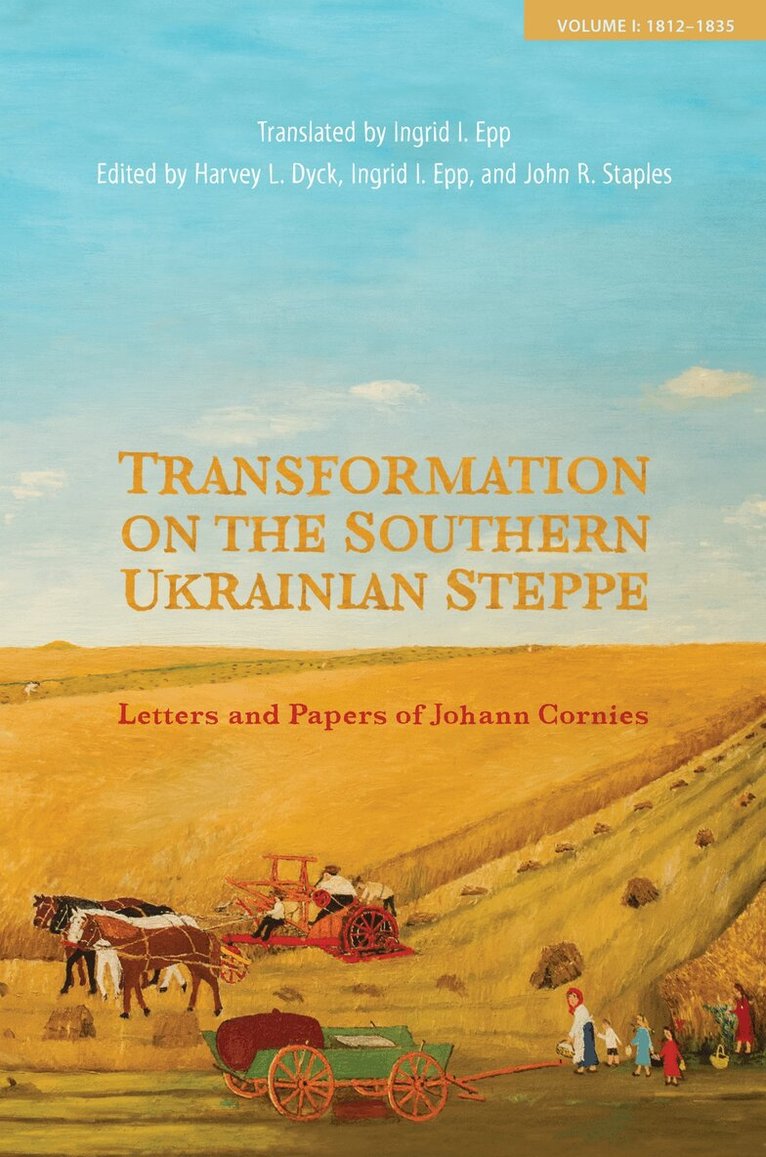
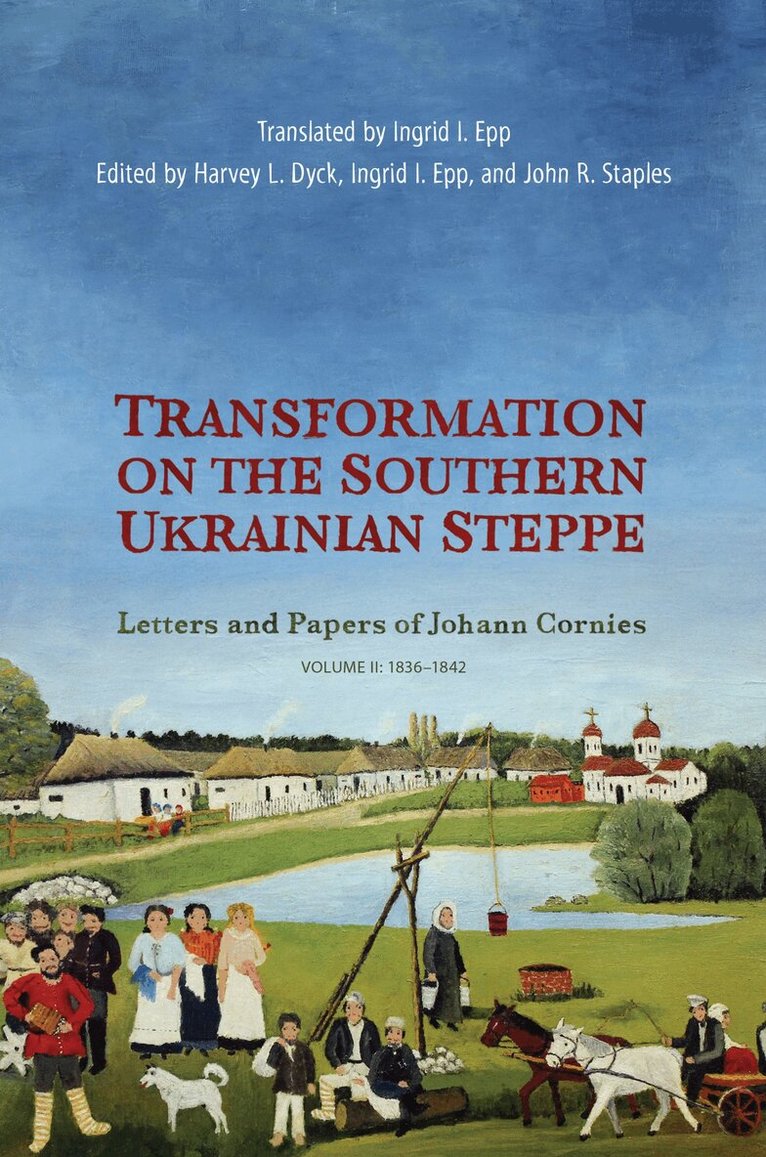
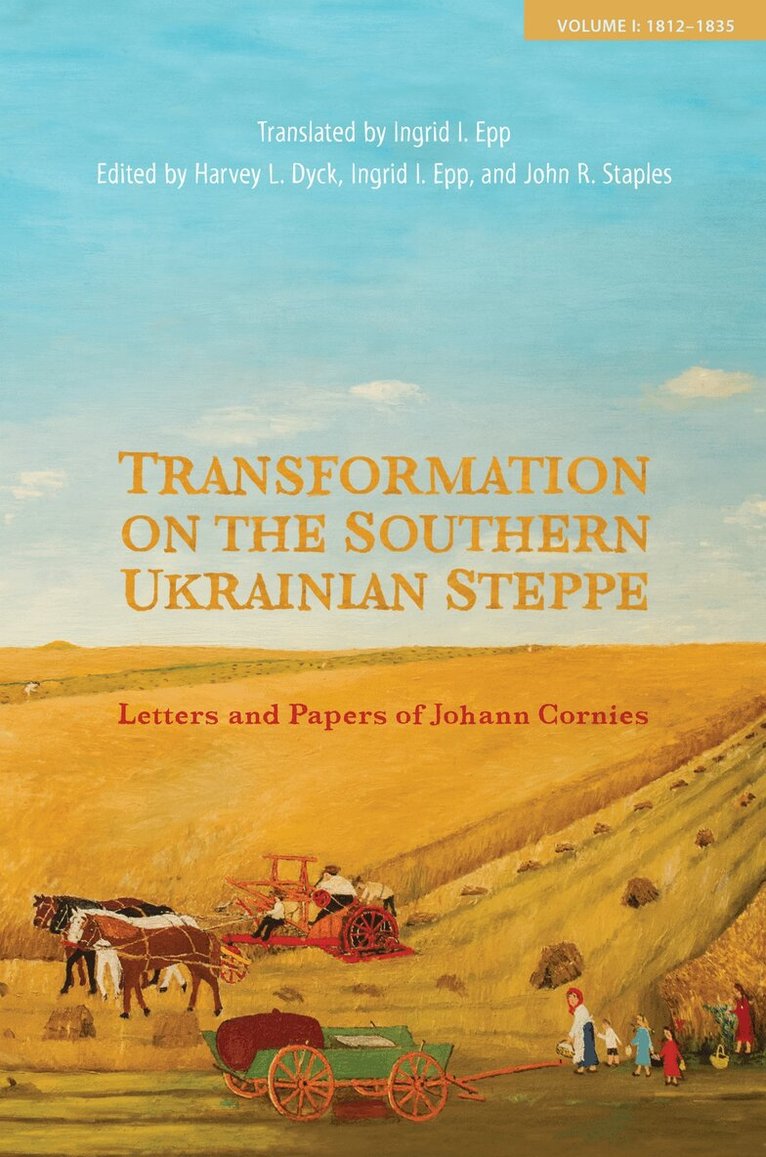
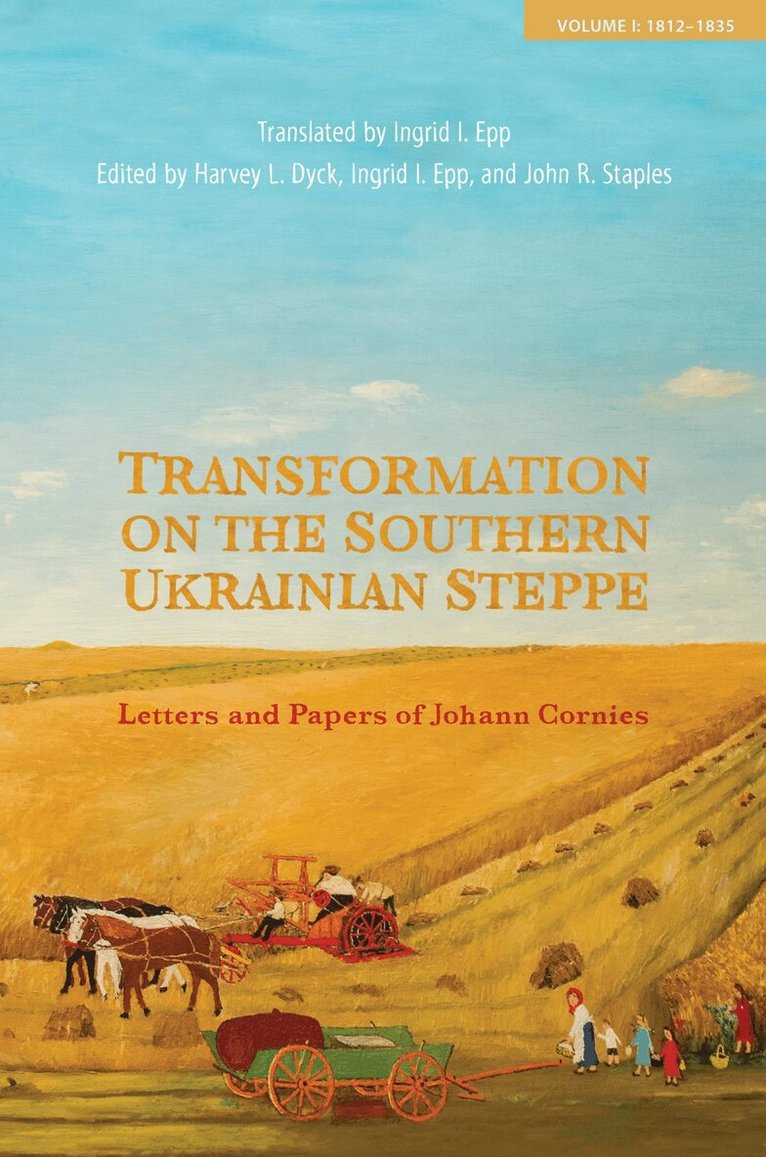
In the eighteenth and nineteenth centuries, the Russian empire opened the grasslands of southern Ukraine to agricultural settlement. Among the immigrants who arrived were communities of Prussian Mennonites, recruited as “model colonists” to bring progressive agricultural methods to the east. Transformation on the Southern Ukrainian Steppe documents the Tsarist Mennonite experience through the papers of Johann Cornies (1789–1848), an ambitious and energetic leader of the Mennonite colony of Molochna.Cornies was well connected in the imperial government, and his papers offer a window not just into the world of the Molochna Mennonites but also into the Tsarist state’s relationship with the national minorities of the frontier: Mennonites, Doukhbors, Nogai Tartars, and Jews. This selection of his letters and reports, translated into English, is an invaluable resource for scholars of all aspects of life in Tsarist Ukraine and for those interested in Mennonite history.
E-bok
Engelska, 20161 248 kr
Läs direkt efter köp
In the eighteenth and nineteenth centuries, the Russian empire opened the grasslands of southern Ukraine to agricultural settlement. Among the immigrants who arrived were communities of Prussian Mennonites, recruited as “model colonists” to bring progressive agricultural methods to the east. Transformation on the Southern Ukrainian Steppe documents the Tsarist Mennonite experience through the papers of Johann Cornies (1789–1848), an ambitious and energetic leader of the Mennonite colony of Molochna.Cornies was well connected in the imperial government, and his papers offer a window not just into the world of the Molochna Mennonites but also into the Tsarist state’s relationship with the national minorities of the frontier: Mennonites, Doukhbors, Nogai Tartars, and Jews. This selection of his letters and reports, translated into English, is an invaluable resource for scholars of all aspects of life in Tsarist Ukraine and for those interested in Mennonite history.
Häftad, Engelska, 1969
353 kr
Skickas inom 5-8 vardagar
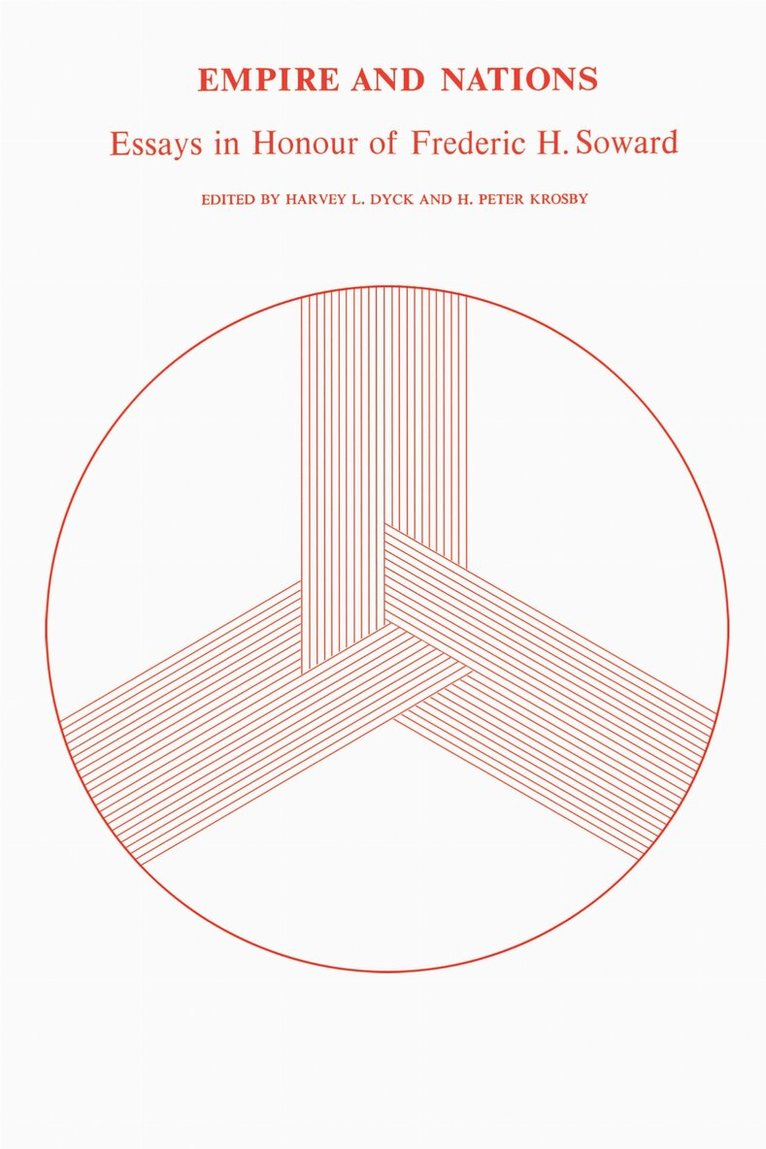
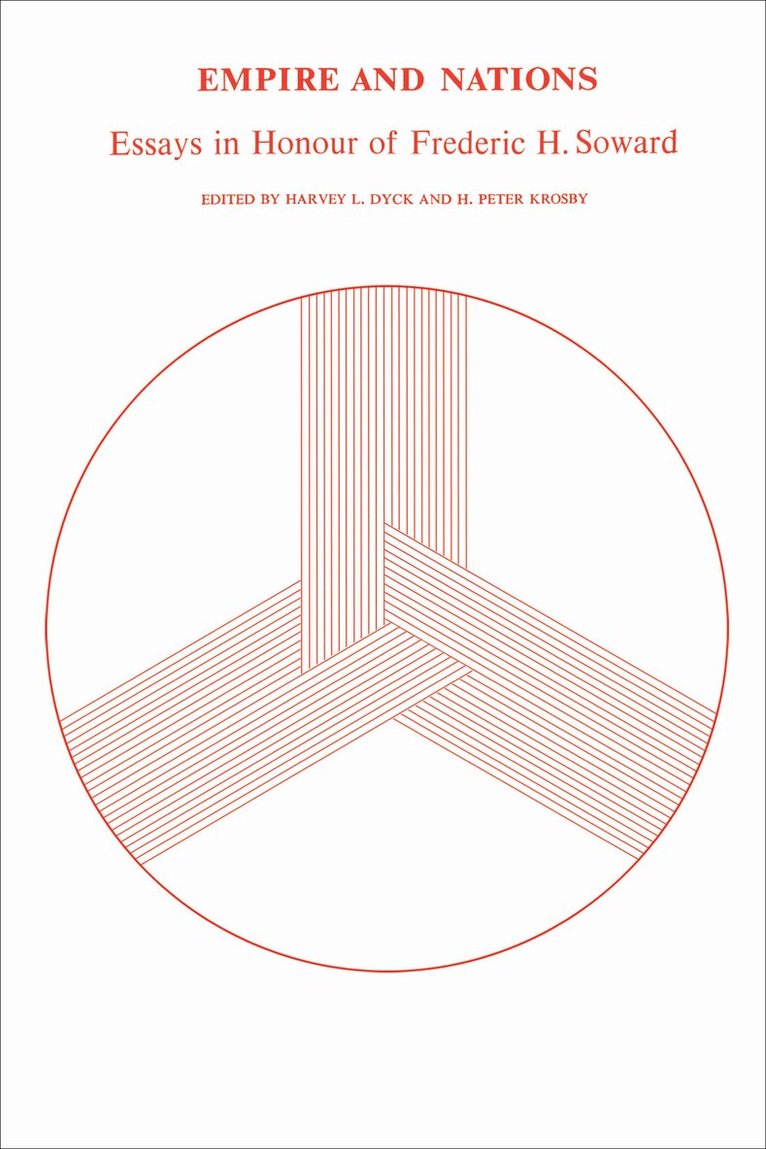
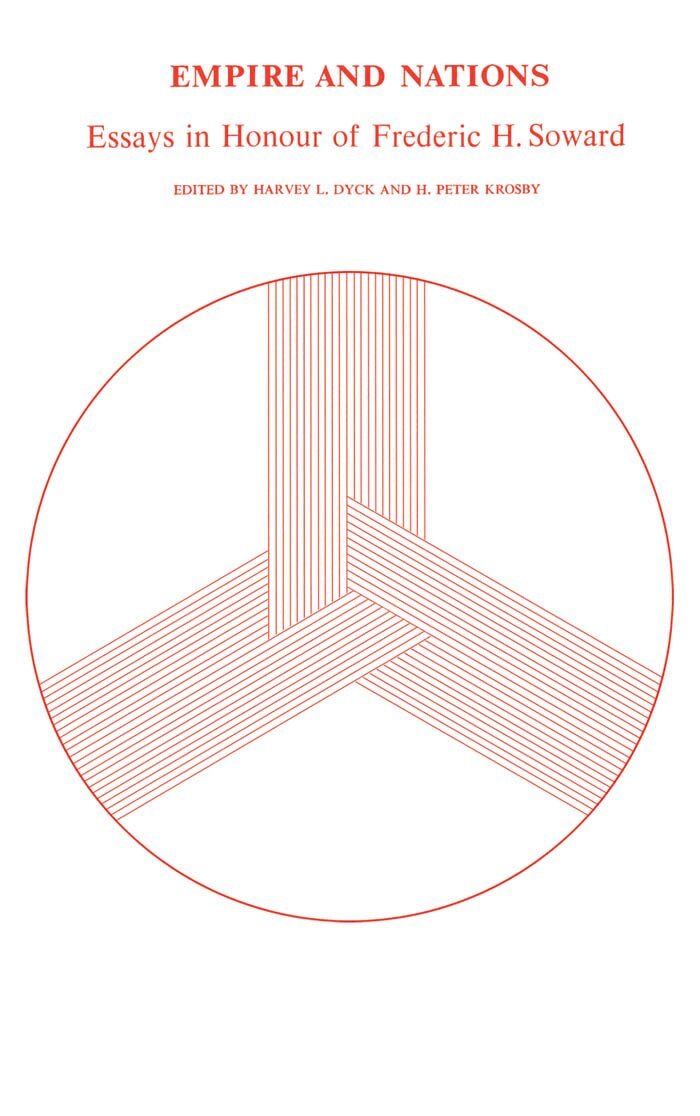
Empire and Nations was written in tribute to the accomplishments of Frederic Hubert Soward – teacher, scholar, and administrator – who for forty-two years served in the Department of History at the University of British Columbia. Throughout his career he has made significant contributions to international understanding and the study of international relations through his writings, public lectures, and participation in international organizations and conferences.The volume consists of essays by fourteen outstanding contributors, all of whom are former students or associates of Professor Soward. The essays have as their common subject the nations that evolved within the British Empire and found, or are finding, their place in the world. Papers written by John Conway, Harvey L. Dyck, G.P. de T. Glazebrook, Edward D. Greathed, John W. Holmes, R.A. MacKay, Norman A.M. MacKenzie, Kenneth A. MacKirdy, H. Blair Neatby, and Peter B. Waite develop the subject from the perspectives of nation-building in Canada and Canada's developing the role in world affairs.Peter Harnetty, Jane Banefield Haynes, and J. Bertin Webster contribute studies of nationalism and empire in Asia and Africa. Also included in the volume are a biographical introduction by Margaret A. Ormsby, a list of the writings of F.H. Soward compiled by Eleanor Mercer, and a tribute to Professor Soward by Lester B. Pearson.
E-bok
Engelska, 1969441 kr
Läs direkt efter köp
Empire and Nations was written in tribute to the accomplishments of Frederic Hubert Soward – teacher, scholar, and administrator – who for forty-two years served in the Department of History at the University of British Columbia. Throughout his career he has made significant contributions to international understanding and the study of international relations through his writings, public lectures, and participation in international organizations and conferences.The volume consists of essays by fourteen outstanding contributors, all of whom are former students or associates of Professor Soward. The essays have as their common subject the nations that evolved within the British Empire and found, or are finding, their place in the world. Papers written by John Conway, Harvey L. Dyck, G.P. de T. Glazebrook, Edward D. Greathed, John W. Holmes, R.A. MacKay, Norman A.M. MacKenzie, Kenneth A. MacKirdy, H. Blair Neatby, and Peter B. Waite develop the subject from the perspectives of nation-building in Canada and Canada's developing the role in world affairs.Peter Harnetty, Jane Banefield Haynes, and J. Bertin Webster contribute studies of nationalism and empire in Asia and Africa. Also included in the volume are a biographical introduction by Margaret A. Ormsby, a list of the writings of F.H. Soward compiled by Eleanor Mercer, and a tribute to Professor Soward by Lester B. Pearson.
Inbunden, Engelska, 2015
990 kr
Skickas inom 5-8 vardagar
In the eighteenth and nineteenth centuries, the Russian empire opened the grasslands of southern Ukraine to agricultural settlement. Among the immigrants who arrived were communities of Prussian Mennonites, recruited as “model colonists” to bring progressive agricultural methods to the east. Transformation on the Southern Ukrainian Steppe documents the Tsarist Mennonite experience through the papers of Johann Cornies (1789–1848), an ambitious and energetic leader of the Mennonite colony of Molochna.Cornies was well connected in the imperial government, and his papers offer a window not just into the world of the Molochna Mennonites but also into the Tsarist state’s relationship with the national minorities of the frontier: Mennonites, Doukhbors, Nogai Tartars, and Jews. This selection of his letters and reports, translated into English, is an invaluable resource for scholars of all aspects of life in Tsarist Ukraine and for those interested in Mennonite history.
E-bok
PDF, Engelska, 1969393 kr
Läs direkt efter köp
Empire and Nations was written in tribute to the accomplishments of Frederic Hubert Soward – teacher, scholar, and administrator – who for forty-two years served in the Department of History at the University of British Columbia. Throughout his career he has made significant contributions to international understanding and the study of international relations through his writings, public lectures, and participation in international organizations and conferences.The volume consists of essays by fourteen outstanding contributors, all of whom are former students or associates of Professor Soward. The essays have as their common subject the nations that evolved within the British Empire and found, or are finding, their place in the world. Papers written by John Conway, Harvey L. Dyck, G.P. de T. Glazebrook, Edward D. Greathed, John W. Holmes, R.A. MacKay, Norman A.M. MacKenzie, Kenneth A. MacKirdy, H. Blair Neatby, and Peter B. Waite develop the subject from the perspectives of nation-building in Canada and Canada's developing the role in world affairs.Peter Harnetty, Jane Banefield Haynes, and J. Bertin Webster contribute studies of nationalism and empire in Asia and Africa. Also included in the volume are a biographical introduction by Margaret A. Ormsby, a list of the writings of F.H. Soward compiled by Eleanor Mercer, and a tribute to Professor Soward by Lester B. Pearson.
E-bok
PDF, Engelska, 2014600 kr
Läs direkt efter köp
Under Bolshevik and Nazi rule, nearly one-third of all Soviet Mennonites – including more than half of all adult men – perished, while a large number were exiled to the east and the north by the Soviet secret police (NKVD). Others fled westward on long treks, seeking refuge in Germany during the Second World War. However, at war’s end, the majority of the USSR refugees living in Germany were sent to the Soviet Gulag, where many died.Paths of Thorns is the story of Jacob Abramovich Neufeld (1895–1960), a prominent Soviet Mennonite leader and writer, as well as one of these Mennonites sent to the Gulag. Consisting of three parts – a Gulag memoir, a memoir-history, and a long letter from Neufeld to his wife – this volume mirrors the life and suffering of Neufeld’s generation of Soviet Mennonites. In the words of editor and translator Harvey L. Dyck, “Neufeld’s writings elevate a simple story of terror and survival into a remarkable chronicle and analysis of the cataclysm that swept away his small but significant ethno-religious community.”
E-bok
Engelska, 2014600 kr
Läs direkt efter köp
Under Bolshevik and Nazi rule, nearly one-third of all Soviet Mennonites – including more than half of all adult men – perished, while a large number were exiled to the east and the north by the Soviet secret police (NKVD). Others fled westward on long treks, seeking refuge in Germany during the Second World War. However, at war’s end, the majority of the USSR refugees living in Germany were sent to the Soviet Gulag, where many died.Paths of Thorns is the story of Jacob Abramovich Neufeld (1895–1960), a prominent Soviet Mennonite leader and writer, as well as one of these Mennonites sent to the Gulag. Consisting of three parts – a Gulag memoir, a memoir-history, and a long letter from Neufeld to his wife – this volume mirrors the life and suffering of Neufeld’s generation of Soviet Mennonites. In the words of editor and translator Harvey L. Dyck, “Neufeld’s writings elevate a simple story of terror and survival into a remarkable chronicle and analysis of the cataclysm that swept away his small but significant ethno-religious community.”
E-bok
PDF, Engelska, 19961 305 kr
Läs direkt efter köp
This volume of twenty-three essays appears in recognition of the emergence of peace history as a relatively new and coherent field of learning. Together the essays in this book explore the ideas and activities of persons and groups who, for over two millennia, have rejected war and urged non-violent means of settling conflicts.The essays, organized in four parts, concentrate on the main areas of contemporary scholarship in peace history. `Approaches to Peace History' explores conceptual issues and methods. `Christian Traditions of Pacifism and Non-resistance' covers topics from the problem of non-violence and war in the early church, through Mennonite and Brethren traditions in the sixteenth century, to the present-day Quaker peace testimony. `Gandhi and the Indian Tradition of Non-violence' looks at the role of violence and non-violence in Hindu and Buddhist thought and practice as well as the development of Gandhi's intellectual and moral outlook. `Pacifism and Peace Movements in the Modern World, 1890-1955' considers various aspects of the interrelationship between pacifists and internationalists and the broader movement advocating world peace. Also considered is the role of women in peace movements. The opening and closing chapters pay tribute to the pioneering leadership and scholarly accomplishments of Peter Brock and include a complete bibliography of his work in the field of peace history.
E-bok
PDF, Engelska, 19962 596 kr
Läs direkt efter köp
The original documents that make up the Peter J. Braun Russian Mennonite Archive were assembled in the Molochna Mennonite settlement in southern Ukraine between 1917 and 1929. Named in honour of Peter J. Braun, a leading educator and the person most intimately involved in the establishment and development of the archive, it was created by Russian Mennonites to foster historical consciousness and research at a time when their community and land were being threatened by Russian extremist nationalists as part of a campaign against imperial Germany. Confiscated by Soviet authorities in 1929, the archive disappeared from public view for more than sixty years. It was rediscovered in 1990 in the state archives in Odessa; in 1990 and 1991, the entire archive was microfilmed and brought to Canada.The collection consists of more than 130,000 pages of documents, organized in some 3,000 chronologically arranged files. By far the most extensive collection of in-group Russian Mennonite sources surviving from the Imperial period, it spans a wide range of subjects concerning the largest and most influential Mennonite community in Russia. The archive provides fresh and concrete detail on the Russian Mennonite story, the development of the Black Sea Steppe frontier, and ethnic and religious minorities in southern Ukraine.The guide to this unique primary source material consists of a historical introduction, a detailed listing and description of the contents, a guide to the use of the microfilm (tables, keys, and a glossary), as well as illustrations and maps.
Inbunden, Engelska, 2020
1 090 kr
Skickas inom 5-8 vardagar
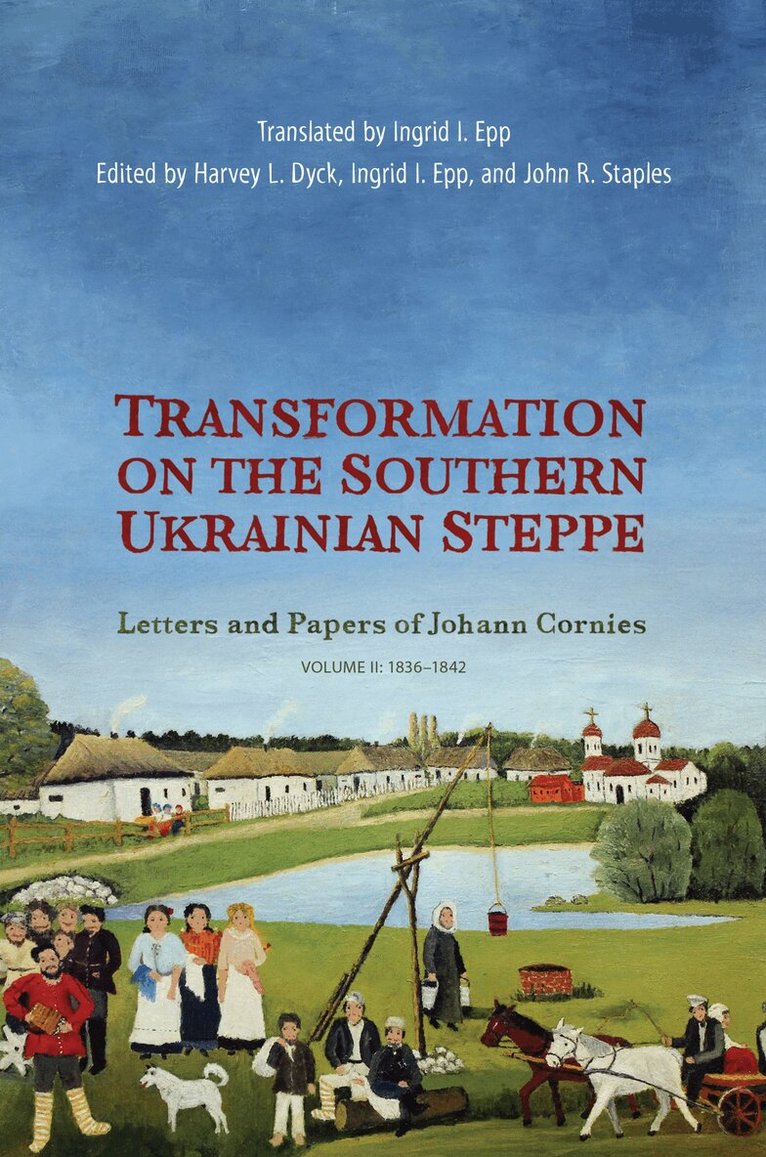
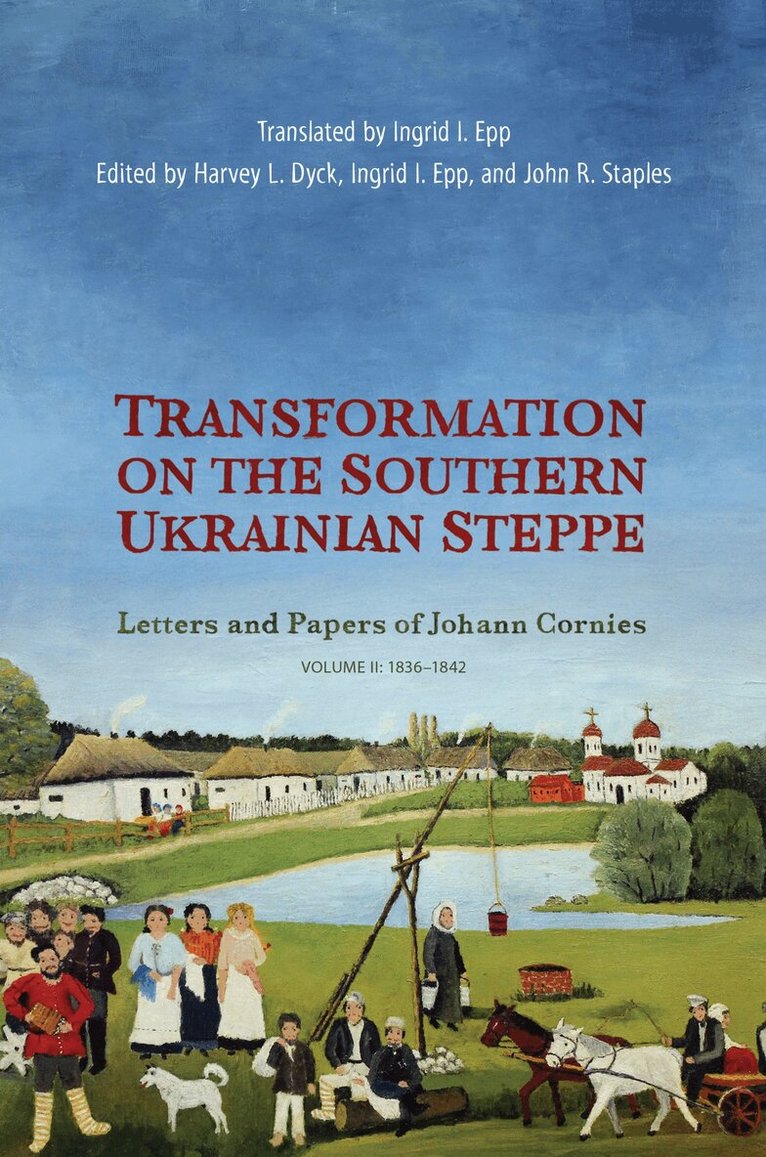
In the eighteenth and nineteenth centuries, the Russian empire opened the grasslands of southern Ukraine to agricultural settlement. Among the immigrants who arrived were communities of Prussian Mennonites, recruited as "model colonists" to bring progressive agricultural methods to the east. The three volumes of Transformation on the Southern Ukrainian Steppe document the Tsarist Mennonite experience through the papers of Johann Cornies (1789–1848), an ambitious and energetic leader of the Mennonite colony of Molochna.This volume covers the years between 1836 and 1842, beginning with the creation of the Mennonite Agricultural Society and ending with the Warkentin Affair, which pushed the Mennonite settlement to the precipice of potential religious and political disaster. Throughout this era, Johann Cornies negotiated a shifting political landscape while guiding his community through equally challenging economic times.Cornies was well connected in the imperial government, and his papers offer a window not just into the world of the Molochna Mennonites, but also into the Tsarist state’s relationship with the national minorities of the frontier: Mennonites, Doukhobors, Nogai Tatars, and Jews. This selection of his letters and reports, translated into English, is an invaluable resource for scholars of all aspects of life in Tsarist Ukraine and for those interested in Mennonite history.
E-bok
PDF, Engelska, 20201 629 kr
Läs direkt efter köp
In the eighteenth and nineteenth centuries, the Russian empire opened the grasslands of southern Ukraine to agricultural settlement. Among the immigrants who arrived were communities of Prussian Mennonites, recruited as "model colonists" to bring progressive agricultural methods to the east. The three volumes of Transformation on the Southern Ukrainian Steppe document the Tsarist Mennonite experience through the papers of Johann Cornies (1789–1848), an ambitious and energetic leader of the Mennonite colony of Molochna.This volume covers the years between 1836 and 1842, beginning with the creation of the Mennonite Agricultural Society and ending with the Warkentin Affair, which pushed the Mennonite settlement to the precipice of potential religious and political disaster. Throughout this era, Johann Cornies negotiated a shifting political landscape while guiding his community through equally challenging economic times.Cornies was well connected in the imperial government, and his papers offer a window not just into the world of the Molochna Mennonites, but also into the Tsarist state's relationship with the national minorities of the frontier: Mennonites, Doukhobors, Nogai Tatars, and Jews. This selection of his letters and reports, translated into English, is an invaluable resource for scholars of all aspects of life in Tsarist Ukraine and for those interested in Mennonite history.
E-bok
Engelska, 20201 614 kr
Läs direkt efter köp
In the eighteenth and nineteenth centuries, the Russian empire opened the grasslands of southern Ukraine to agricultural settlement. Among the immigrants who arrived were communities of Prussian Mennonites, recruited as "model colonists" to bring progressive agricultural methods to the east. The three volumes of Transformation on the Southern Ukrainian Steppe document the Tsarist Mennonite experience through the papers of Johann Cornies (1789–1848), an ambitious and energetic leader of the Mennonite colony of Molochna.This volume covers the years between 1836 and 1842, beginning with the creation of the Mennonite Agricultural Society and ending with the Warkentin Affair, which pushed the Mennonite settlement to the precipice of potential religious and political disaster. Throughout this era, Johann Cornies negotiated a shifting political landscape while guiding his community through equally challenging economic times.Cornies was well connected in the imperial government, and his papers offer a window not just into the world of the Molochna Mennonites, but also into the Tsarist state's relationship with the national minorities of the frontier: Mennonites, Doukhobors, Nogai Tatars, and Jews. This selection of his letters and reports, translated into English, is an invaluable resource for scholars of all aspects of life in Tsarist Ukraine and for those interested in Mennonite history.