John R. Wagner - Böcker
Visar alla böcker från författaren John R. Wagner. Handla med fri frakt och snabb leverans.
4 produkter
4 produkter
2 898 kr
Skickas inom 7-10 vardagar
This handbook provides a framework for understanding how to characterize plastic manufacturing processes for use in troubleshooting problems. The 21 chapters are authored by well-known and experienced engineers who have specialized knowledge about the processes covered in this practical guide.From the Preface:“In every chapter, the process is described and the most common problems are discussed along with the root causes and potential technical solutions. Numerous case studies are provided that illustrate the troubleshooting process. Mark A. Spalding, The Dow Chemical Company
1 956 kr
Skickas inom 3-6 vardagar
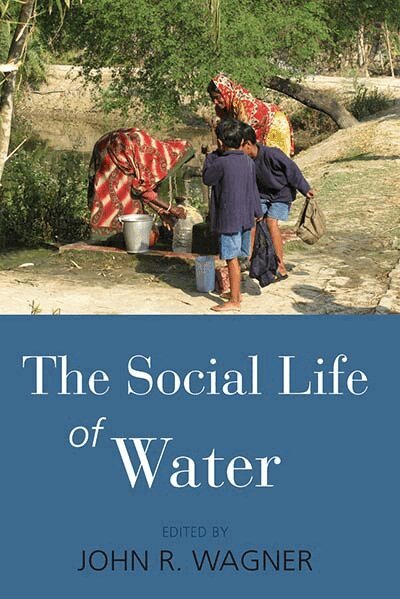
Everywhere in the world communities and nations organize themselves in relation to water. We divert water from rivers, lakes, and aquifers to our homes, workplaces, irrigation canals, and hydro-generating stations. We use it for bathing, swimming, recreation, and it functions as a symbol of purity in ritual performances. In order to facilitate and manage our relationship with water, we develop institutions, technologies, and cultural practices entirely devoted to its appropriation and distribution, and through these institutions we construct relations of class, gender, ethnicity, and nationality. Relying on first-hand ethnographic research, the contributors to this volume examine the social life of water in diverse settings and explore the impacts of commodification, urbanization, and technology on the availability and quality of water supplies. Each case study speaks to a local set of issues, but the overall perspective is global, with representation from all continents.
Del 13 - Asia-Pacific Environment Monog
Island Rivers: Fresh Water and Place in Oceania
Häftad, Engelska, 2018
404 kr
Skickas inom 5-8 vardagar
566 kr
Skickas inom 3-6 vardagar
Everywhere in the world communities and nations organize themselves in relation to water. We divert water from rivers, lakes, and aquifers to our homes, workplaces, irrigation canals, and hydro-generating stations. We use it for bathing, swimming, recreation, and it functions as a symbol of purity in ritual performances. In order to facilitate and manage our relationship with water, we develop institutions, technologies, and cultural practices entirely devoted to its appropriation and distribution, and through these institutions we construct relations of class, gender, ethnicity, and nationality. Relying on first-hand ethnographic research, the contributors to this volume examine the social life of water in diverse settings and explore the impacts of commodification, urbanization, and technology on the availability and quality of water supplies. Each case study speaks to a local set of issues, but the overall perspective is global, with representation from all continents.