John Rohrbach - Böcker
Visar alla böcker från författaren John Rohrbach. Handla med fri frakt och snabb leverans.
3 produkter
3 produkter
822 kr
Skickas inom 7-10 vardagar
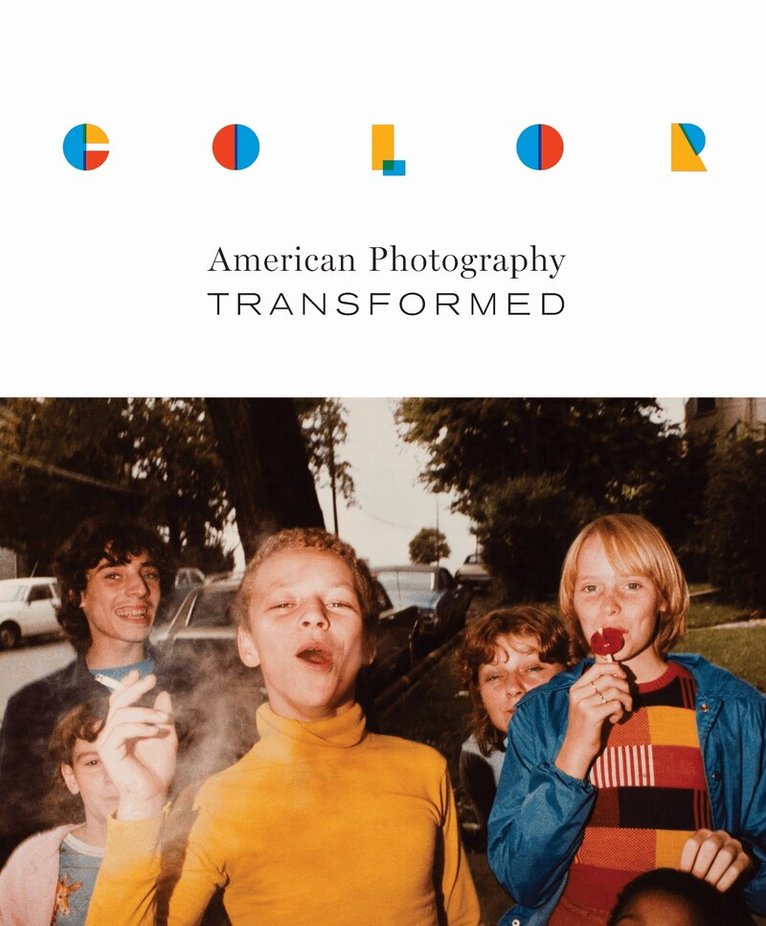
Capturing the world in color was one of photography’s greatest aspirations from the very beginnings of the medium. When color photography became a reality with the introduction of the Autochrome in 1907, prominent photographers such as Alfred Stieglitz were overjoyed. But they quickly came to reject color photography as too aligned with human sight. It took decades for artists to come to understand the creative potential of color, and only in 1976, when John Szarkowski showed William Eggleston’s photographs at the Museum of Modern Art, did the art world embrace color. By accepting color’s flexibility and emotional transcendence, Szarkowski and Eggleston transformed photography, giving the medium equal artistic stature with painting, but also initiating its demise as an independent art.The catalogue of a major exhibition at the Amon Carter Museum of American Art, which holds one of the premier collections of American photography, Color tells, for the first time, the fascinating story of color’s integration into American fine art photography and how its acceptance revolutionized the practice of art. Tracing the development of color photography from the first color photograph in 1851 to digital photography, John Rohrbach describes photographers’ initial rejection of color, their decades-long debates over what color brings to photography, and how their gradual acceptance of color released photography from its status as a second-tier art form. He shows how this absorption of color instigated wide acceptance of a fundamentally new definition of photography, one that blends photography’s documentary foundations with the creative flexibility of painting. Sylvie PÉnichon offers a succinct survey of the technological advances that made color in photography a reality and have since marked its multifaceted development. These texts, illuminated by seventy-five full-page plates and more than eighty illustrations, make this book a groundbreaking contribution to photographic studies.
559 kr
Skickas inom 7-10 vardagar
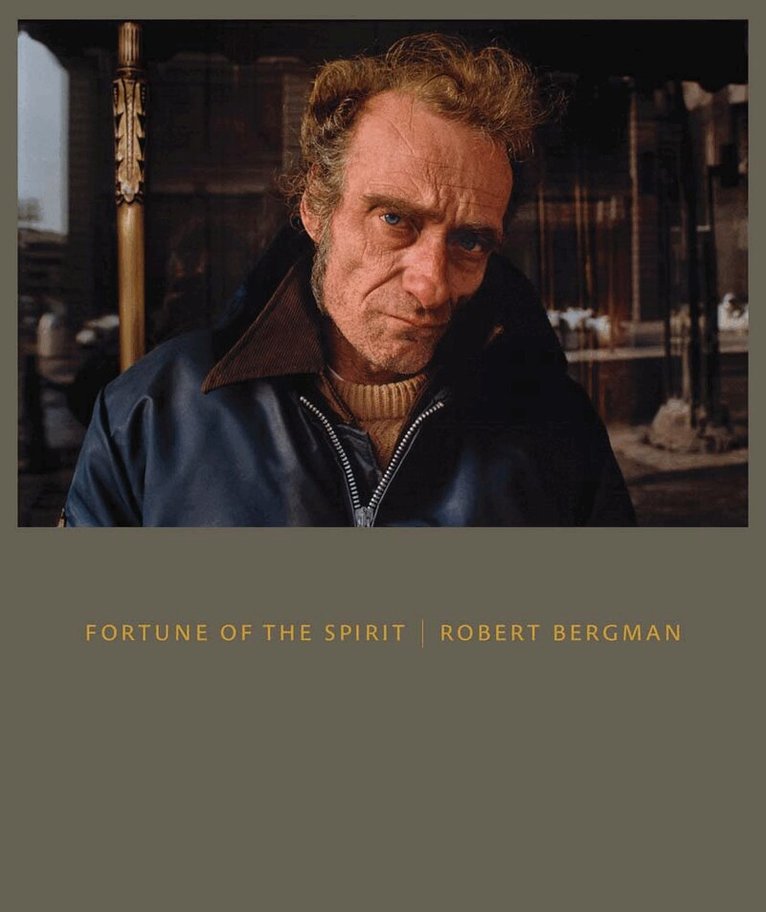
A career-spanning examination of the work of Robert Bergman and its place within the history of American art This unprecedented publication offers a detailed analysis of Robert Bergman’s psychologically penetrating art across the breadth of his career. Shaped by the vocabulary of painting as much as photography, Bergman’s often wrenching, beautifully evocative photographs tumble headlong into the emotional, physical, and mental struggles of living, challenging us to look deeply within ourselves and to reconsider how we relate to strangers. Long heralded by luminaries across different disciplines—including the author Toni Morrison, art historian Meyer Schapiro, and social activist Peter Gabel—Bergman’s images offer a counterpoint to contemporary society’s preoccupations with identity, division, and complaint. Introducing the underground legend to a new generation, this volume presents the first full survey of Bergman’s work from the mid-1960s to the present, including many previously unpublished images, and essays from art historians, artists, and academics that contextualize the circumstances of Bergman’s life and work and examine how his pictorial representations resonate with the human experience. Distributed for the Amon Carter Museum of American Art
374 kr
Skickas inom 7-10 vardagar
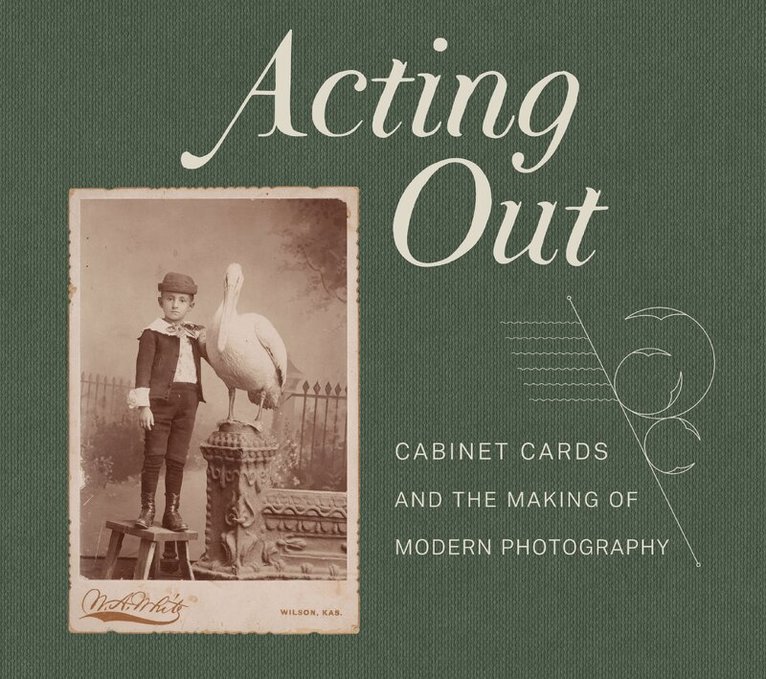
Cabinet cards were America’s main format for photographic portraiture throughout the last quarter of the nineteenth century. Standardized at 6½ x 4¼ inches, they were just large enough to reveal extensive detail, leading to the incorporation of elaborate poses, backdrops, and props. Inexpensive and sold by the dozen, they transformed getting one’s portrait made from a formal event taken up once or twice in a lifetime into a commonplace practice shared with friends. The cards reinforced middle-class Americans’ sense of family. They allowed people to show off their material achievements and comforts, and the best cards projected an informal immediacy that encouraged viewers to feel emotionally connected with those portrayed. The experience even led sitters to act out before the camera. By making photographs an easygoing fact of life, the cards forecast the snapshot and today’s ubiquitous photo sharing. Organized by senior curator John Rohrbach, Acting Out is the first ever in-depth examination of the cabinet card phenomena. Full-color plates include over 100 cards at full size, providing a highly entertaining collection of these early versions of the selfie and ultimately demonstrating how cabinet cards made photography modern. Published in association with the Amon Carter Museum of American Art. Exhibition dates:Amon Carter Museum of American Art: August 15–November 1, 2020Los Angeles County Museum of Art (LACMA): August 8–November 7, 2021