John V. Knapp – författare
Visar alla böcker från författaren John V. Knapp. Handla med fri frakt och snabb leverans.
11 produkter
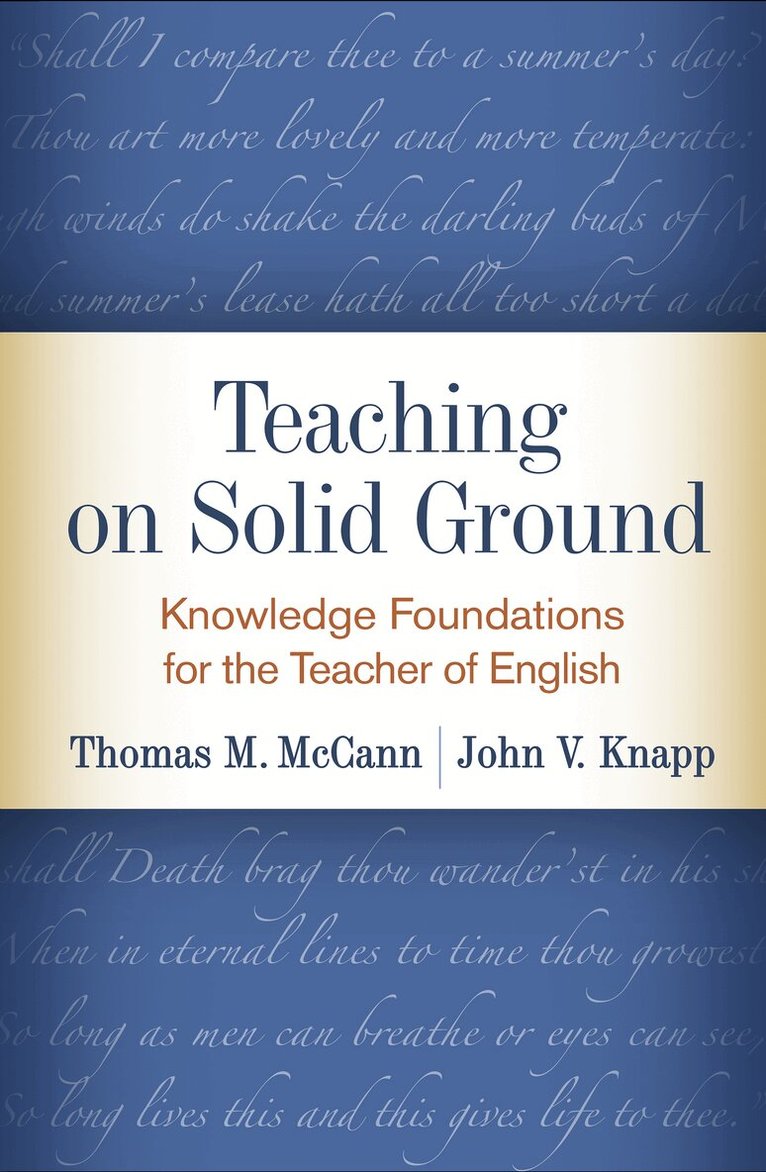
Teaching on Solid Ground
Knowledge Foundations for the Teacher of English
Av Thomas M. McCann, John V. Knapp
Häftad, 2019
424 kr
Lägg i varukorg
To be successful, teachers of English in grades 6–12 need more than basic content knowledge and classroom management skills. They need a deep understanding of the goals and principles of teaching literature, writing, oral discourse, and language in order to make sound instructional decisions. This …
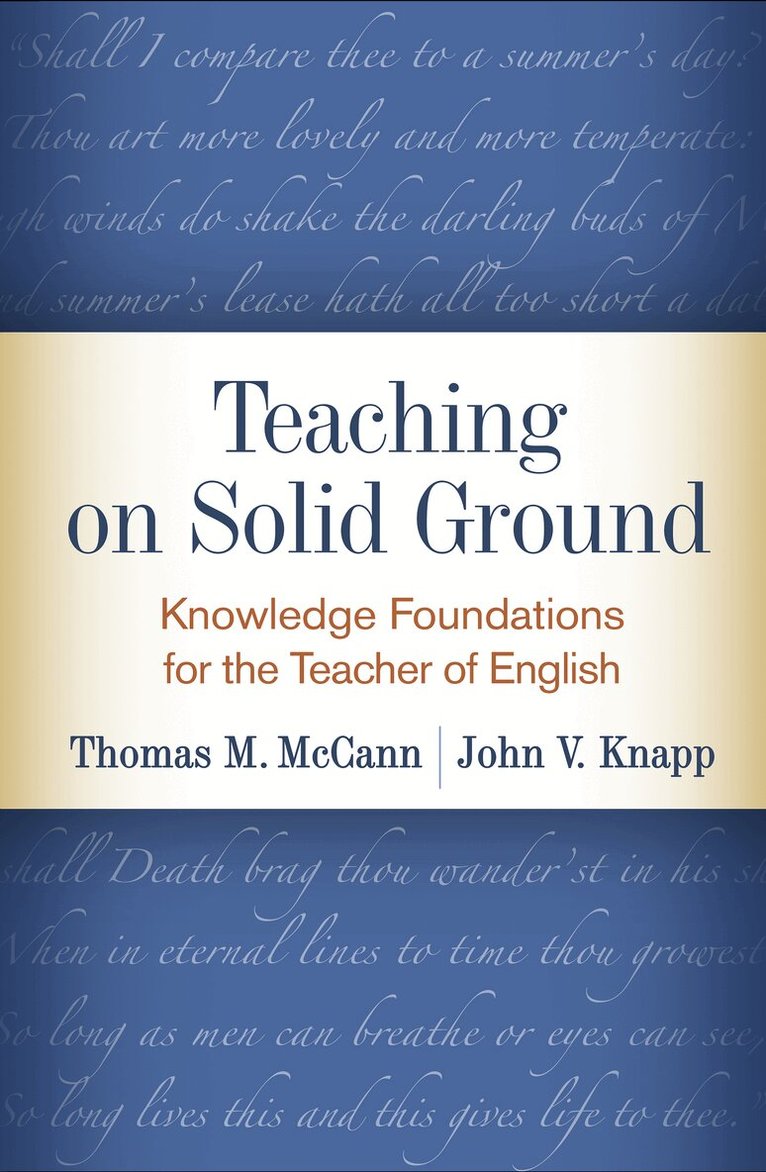
Teaching on Solid Ground
Knowledge Foundations for the Teacher of English
Av Thomas M. McCann, John V. Knapp
Inbunden, 2019
633 kr
Lägg i varukorg
To be successful, teachers of English in grades 6–12 need more than basic content knowledge and classroom management skills. They need a deep understanding of the goals and principles of teaching literature, writing, oral discourse, and language in order to make sound instructional decisions. This …
Teaching on Solid Ground
Knowledge Foundations for the Teacher of English
Av John V. Knapp, Thomas M. McCann
E-bok, 2018
505 kr
Lägg i varukorg
To be successful, teachers of English in grades 6–12 need more than basic content knowledge and classroom management skills. They need a deep understanding of the goals and principles of teaching literature, writing, oral discourse, and language in order to make sound instructional decisions. This …
Teaching on Solid Ground
Knowledge Foundations for the Teacher of English
Av John V. Knapp, Thomas M. McCann
E-bok, 2018
494 kr
Lägg i varukorg
To be successful, teachers of English in grades 6–12 need more than basic content knowledge and classroom management skills. They need a deep understanding of the goals and principles of teaching literature, writing, oral discourse, and language in order to make sound instructional decisions. This …
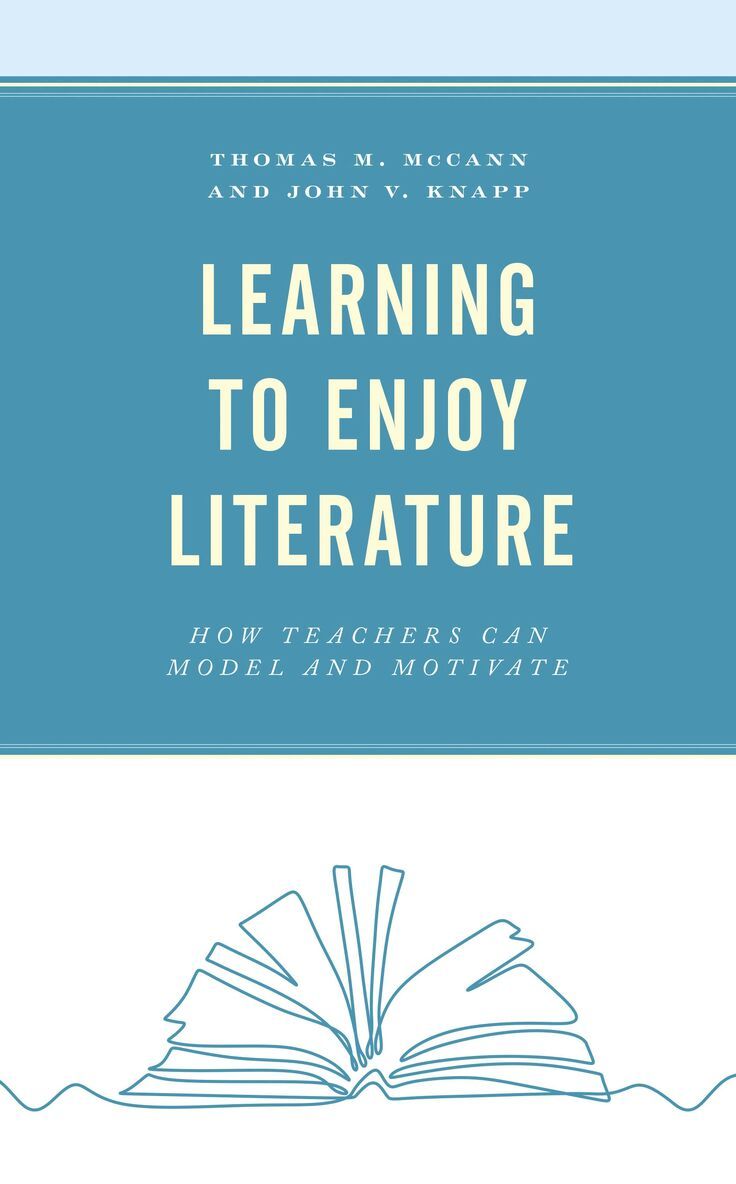
Learning to Enjoy Literature
How Teachers Can Model and Motivate
Av Thomas M. McCann, John V. Knapp
Inbunden, 2021
965 kr
Lägg i varukorg
Students will not become enthusiastic readers of literature from a teacher simply assigning reading tasks and assessing the completion of the tasks, especially when the assessment takes the form of threatened quizzes. Instead, as this book shows, teachers have an obligation to reveal to learners …
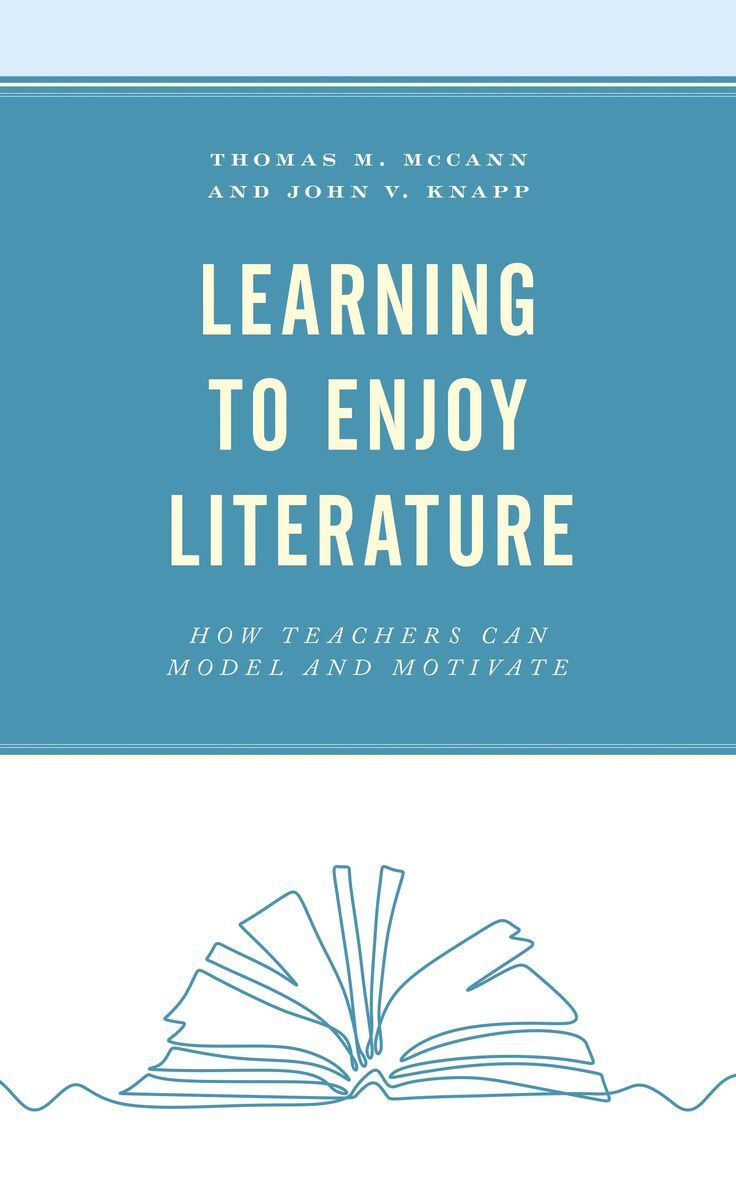
Learning to Enjoy Literature
How Teachers Can Model and Motivate
Av Thomas M. McCann, John V. Knapp
Häftad, 2021
445 kr
Lägg i varukorg
Students will not become enthusiastic readers of literature from a teacher simply assigning reading tasks and assessing the completion of the tasks, especially when the assessment takes the form of threatened quizzes. Instead, as this book shows, teachers have an obligation to reveal to learners …
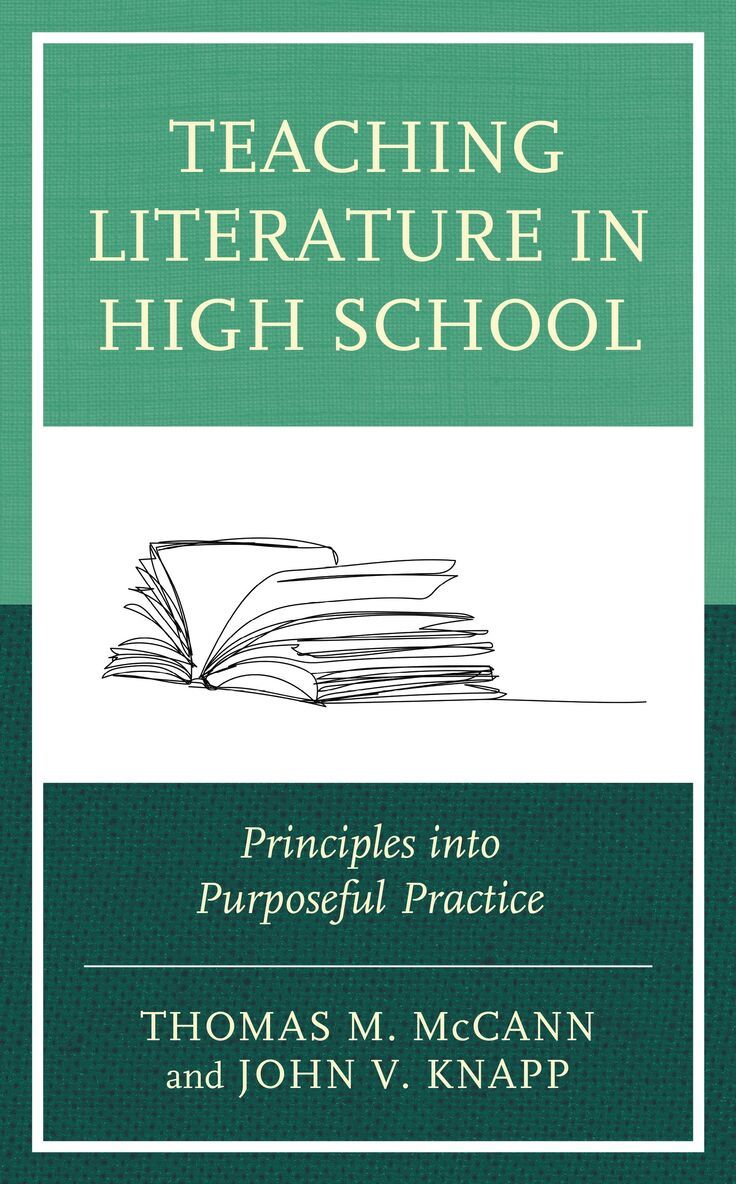
Teaching Literature in High School
Principles into Purposeful Practice
Av Thomas M. McCann, John V. Knapp
Inbunden, 2021
965 kr
Lägg i varukorg
In looking for an approach to teaching literature in high school, teachers largely fall back on the methods that they had experienced as students. These practices often involve a teacher assigning a complex work of literature and then assessing students’ reading through in-class recitations or …
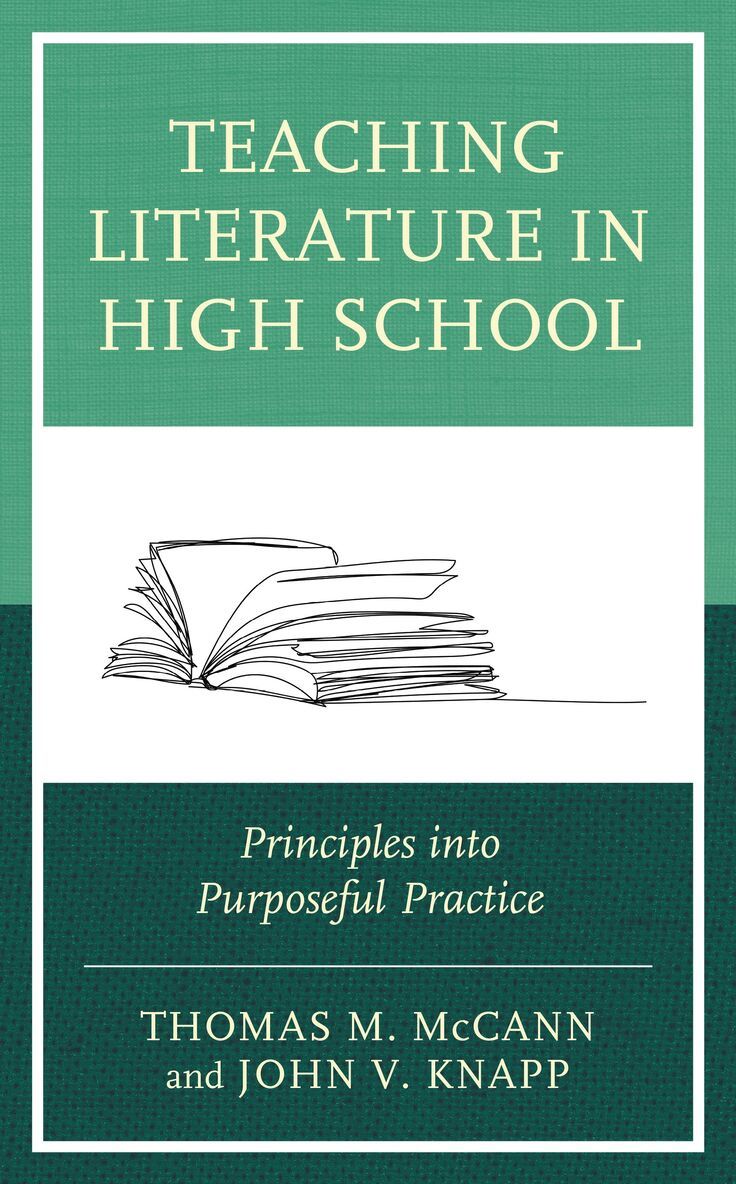
Teaching Literature in High School
Principles into Purposeful Practice
Av Thomas M. McCann, John V. Knapp
Häftad, 2021
445 kr
Lägg i varukorg
In looking for an approach to teaching literature in high school, teachers largely fall back on the methods that they had experienced as students. These practices often involve a teacher assigning a complex work of literature and then assessing students’ reading through in-class recitations or …
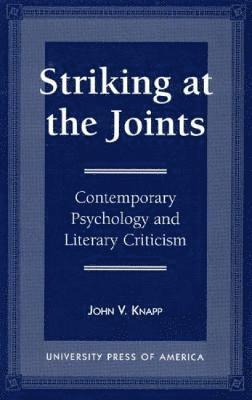
Striking at the Joints
Contemporary Psychology and Literary Criticism
Häftad, 1996
887 kr
Tillfälligt slut
This book uses a trio of contemporary psychological paradigms (family systems, subject/object differentiation and depression, and personality theory) to discuss six works of fiction. The authors of the texts being analyzed are John Fowles, D.H. Lawrence, George Orwell, Robert Pirsig, Henry Roth, …
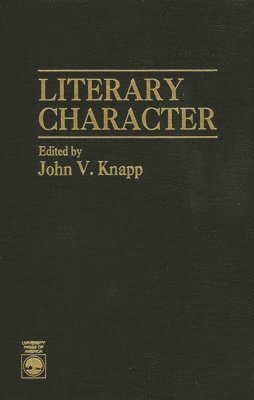
Literary Character
Inbunden, 1993
1021 kr
Tillfälligt slut
Literary character as human representation has been long neglected by mainstream theorists; particularly deconstructionalists. In his collection of inter-disciplinary essays, John V. Knapp seeks to commence negotiations between the empirical sciences and hermeneutical fields. The synthesis of …
Family
Inbunden, 2012
1356 kr
Tillfälligt slut
Great starting point for students seeking an introduction to the theme and the critical discussions surrounding it. ""All happy families are alike; each unhappy family is unhappy in its own way,"" begins Leo Tolstoy's classic Anna Karenina. Like the best family stories, it enlarges what seem like …