John Wyver - Böcker
Visar alla böcker från författaren John Wyver. Handla med fri frakt och snabb leverans.
7 produkter
7 produkter
815 kr
Skickas
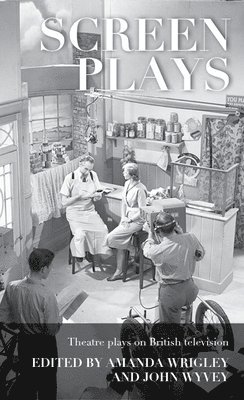
Screen plays is a ground-breaking collection that chronicles the rich and surprising history of stage plays produced for the small screen between 1930 and the present. The volume opens with a substantial historical outline of how plays originally written for the theatre have been presented by the BBC and ITV, as well as independent producers and cultural organisations. Subsequent chapters utilise a variety of critical methodologies to analyse a wide range of outside broadcasts from theatres, screen adaptations of existing stage productions, along with original television productions of classic and contemporary drama. Making a compelling case for the centrality of the theatre to British television’s past and present, Screen plays opens up new areas of research for all those engaged in theatre, media and adaptation studies.
1 544 kr
Skickas inom 10-15 vardagar
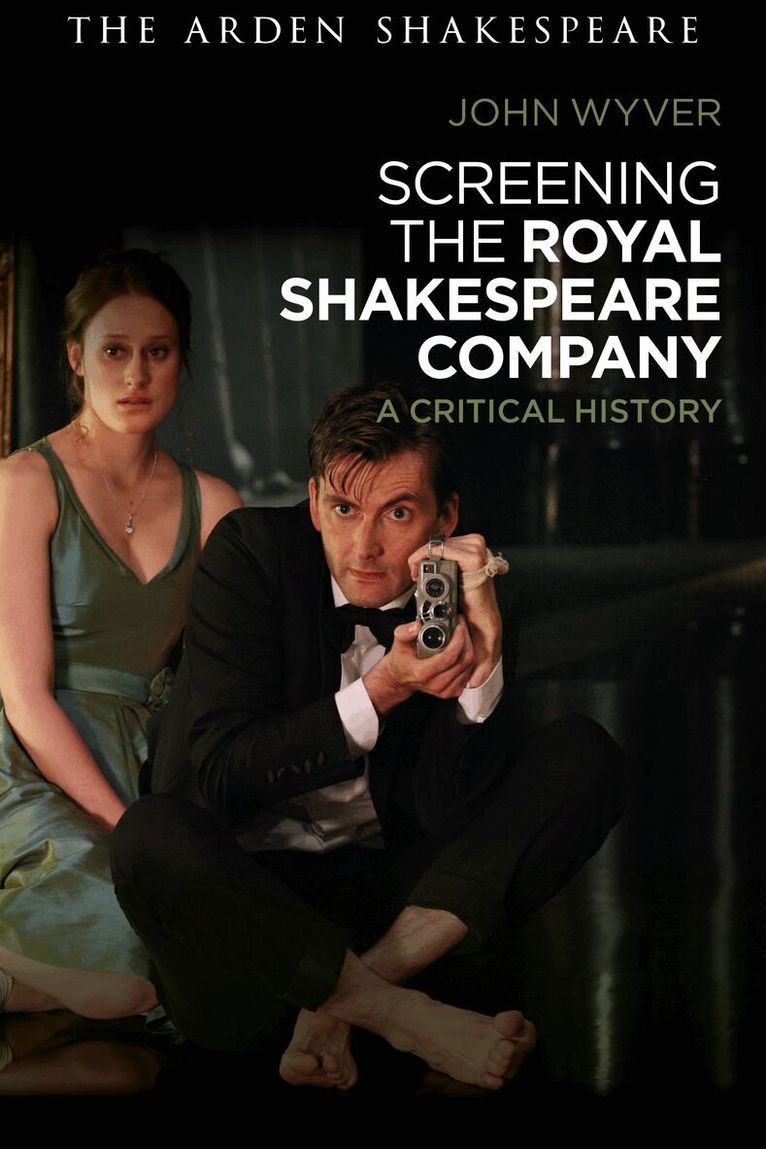
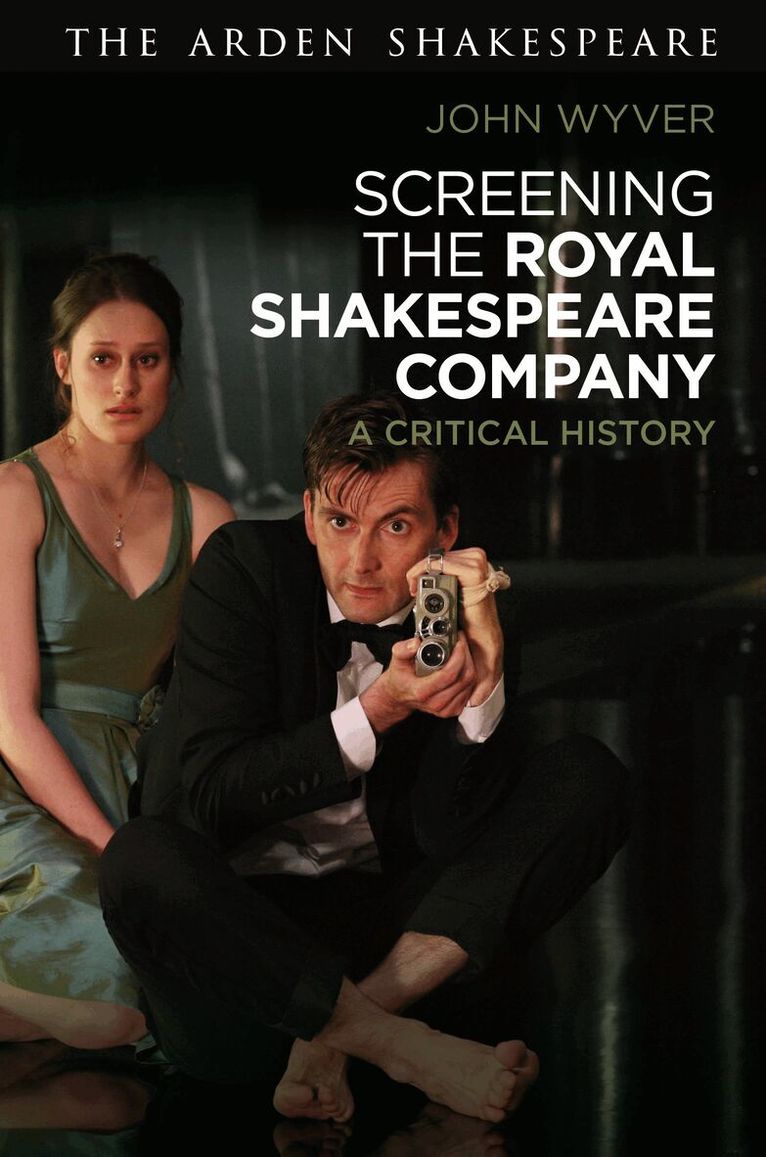
No theatre company has been involved in such a broad range of adaptations for television and cinema as the Royal Shakespeare Company. Starting with Richard III filmed in the Shakespeare Memorial Theatre before World War One, the RSC’s accomplishments continue today with highly successful live cinema broadcasts. The Wars of the Roses (BBC, 1965), Peter Brook’s film of King Lear (1971), Channel 4’s epic version of Nicholas Nickleby (1982) and Hamlet with David Tennant (BBC, 2009) are among their most iconic adaptations. Many other RSC productions live on as extracts in documentaries, as archival recordings, in trailers and in other fragmentary forms.Screening the Royal Shakespeare Company explores this remarkable history of collaborations between stage and screen and considers key questions about adaptation that concern all those involved in theatre, film and television. John Wyver is a broadcasting historian and the producer of RSC Live from Stratford-upon-Avon, and is uniquely well-placed to provide a vivid account of the company’s television and film productions. He contributes an award-winning practitioner’s insight into screen adaptation’s numerous challenges and rich potential.
407 kr
Skickas inom 10-15 vardagar
No theatre company has been involved in such a broad range of adaptations for television and cinema as the Royal Shakespeare Company. Starting with Richard III filmed in the Shakespeare Memorial Theatre before World War One, the RSC’s accomplishments continue today with highly successful live cinema broadcasts. The Wars of the Roses (BBC, 1965), Peter Brook’s film of King Lear (1971), Channel 4’s epic version of Nicholas Nickleby (1982) and Hamlet with David Tennant (BBC, 2009) are among their most iconic adaptations. Many other RSC productions live on as extracts in documentaries, as archival recordings, in trailers and in other fragmentary forms.Now available in paperback, Screening the Royal Shakespeare Company explores this remarkable history of collaborations between stage and screen and considers key questions about adaptation that concern all those involved in theatre, film and television. John Wyver is a broadcasting historian and the producer of RSC Live from Stratford-upon-Avon, and is uniquely well-placed to provide a vivid account of the company’s television and film productions. He contributes an award-winning practitioner’s insight into screen adaptation’s numerous challenges and rich potential.
1 294 kr
Skickas inom 7-10 vardagar
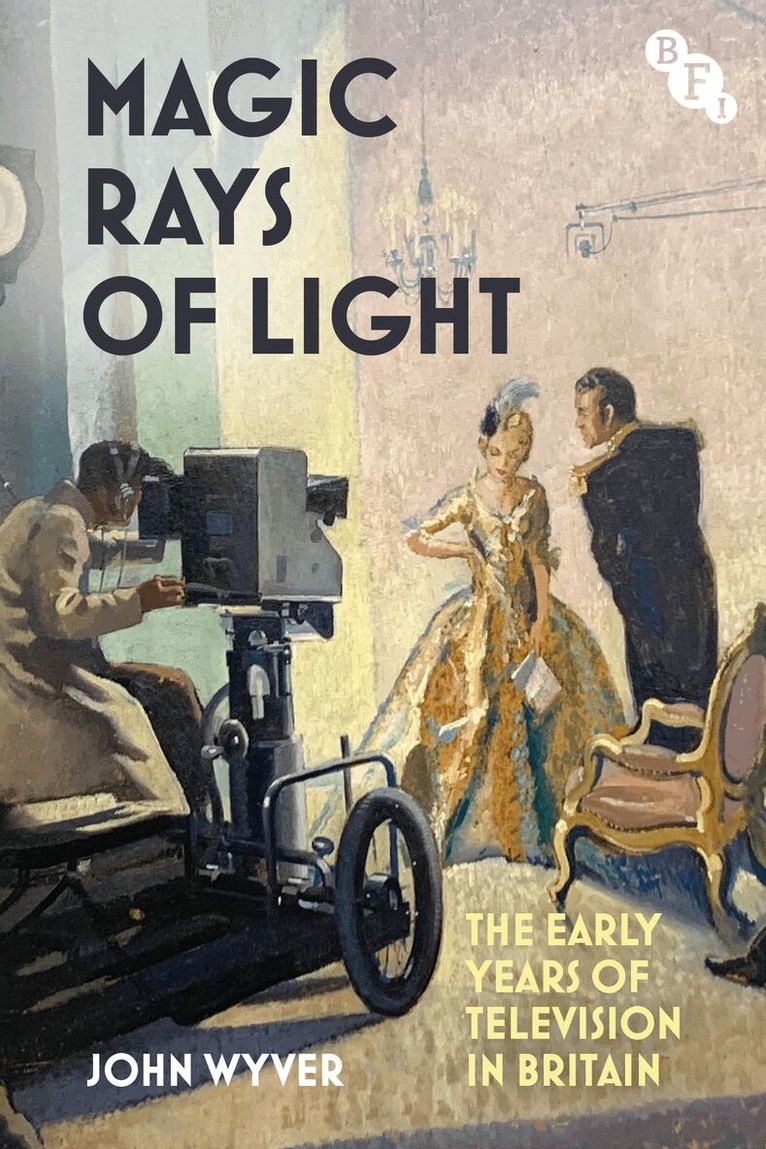
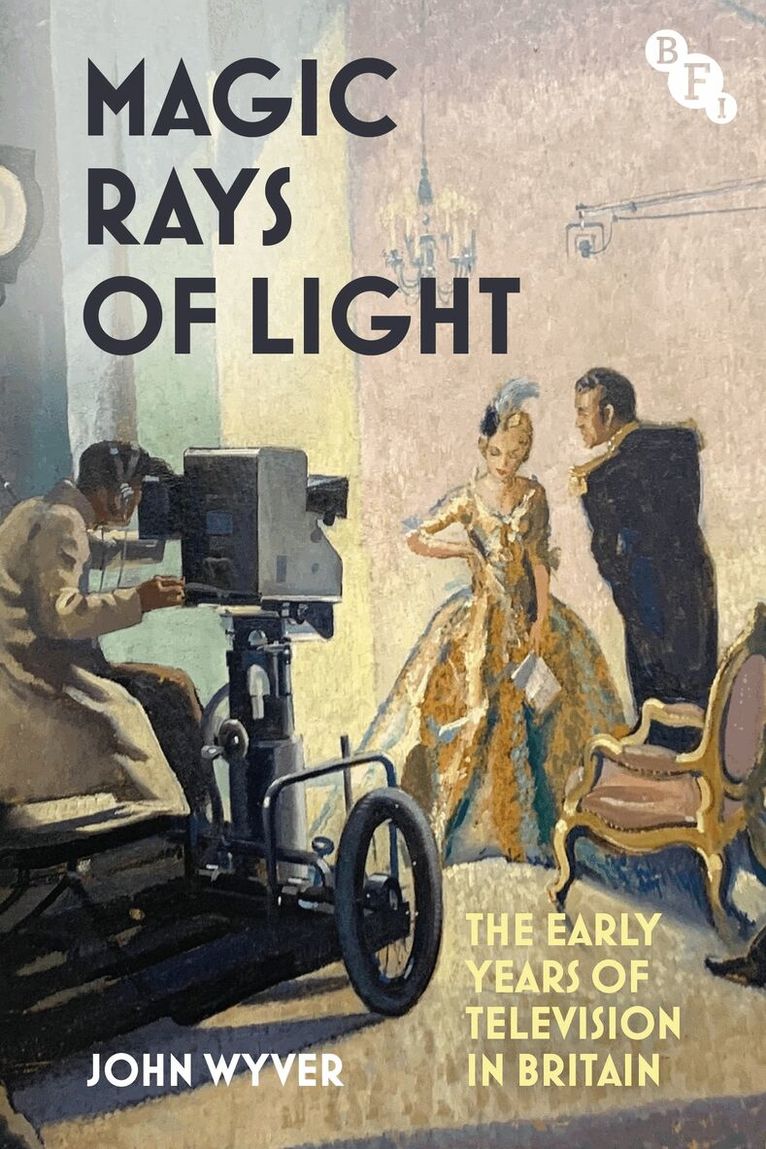
On the evening of 26 January 1926, inventor John Logie Baird held a public demonstration in his workspace on London’s Frith Street of a ‘seeing by wireless’ apparatus that he and many others had been working towards, television. In the years that followed, variants of this astonishing device produced programming that was rich, complex and excitingly imaginative. Familiar television genres, including studio drama, quiz shows, variety spectaculars and sports broadcasts, were all fully realised in the 1930s. At the same time, early television was often strikingly different from later domestic broadcasting.Television began with intimate entanglements with interwar cinema, theatre, music and dance. And, despite reaching only tiny audiences, from its beginnings television responded to key strands of social history, embracing legacies of the Great War, changing roles for women, suburban living and more.Magic Rays of Light is a unique and comprehensive cultural history of early television, exploring its technologies and institutions, while also celebrating the programmes and the people, the ideas and the innovations of the first decade of what would become the most consequential medium of the subsequent century.
373 kr
Skickas inom 7-10 vardagar
On the evening of 26 January 1926, inventor John Logie Baird held a public demonstration in his workspace on London’s Frith Street of a ‘seeing by wireless’ apparatus that he and many others had been working towards, television. In the years that followed, variants of this astonishing device produced programming that was rich, complex and excitingly imaginative. Familiar television genres, including studio drama, quiz shows, variety spectaculars and sports broadcasts, were all fully realised in the 1930s. At the same time, early television was often strikingly different from later domestic broadcasting.Television began with intimate entanglements with interwar cinema, theatre, music and dance. And, despite reaching only tiny audiences, from its beginnings television responded to key strands of social history, embracing legacies of the Great War, changing roles for women, suburban living and more.Magic Rays of Light is a unique and comprehensive cultural history of early television, exploring its technologies and institutions, while also celebrating the programmes and the people, the ideas and the innovations of the first decade of what would become the most consequential medium of the subsequent century.
250 kr
Skickas inom 7-10 vardagar
1 095 kr
Skickas inom 11-20 vardagar