
Joint United Nations Programme on HIV/AIDS – författare
Visar alla böcker från författaren Joint United Nations Programme on HIV/AIDS. Handla med fri frakt och snabb leverans.
2 produkter
2 produkter
Häftad, Engelska, 2024
392 kr
Skickas inom 5-8 vardagar
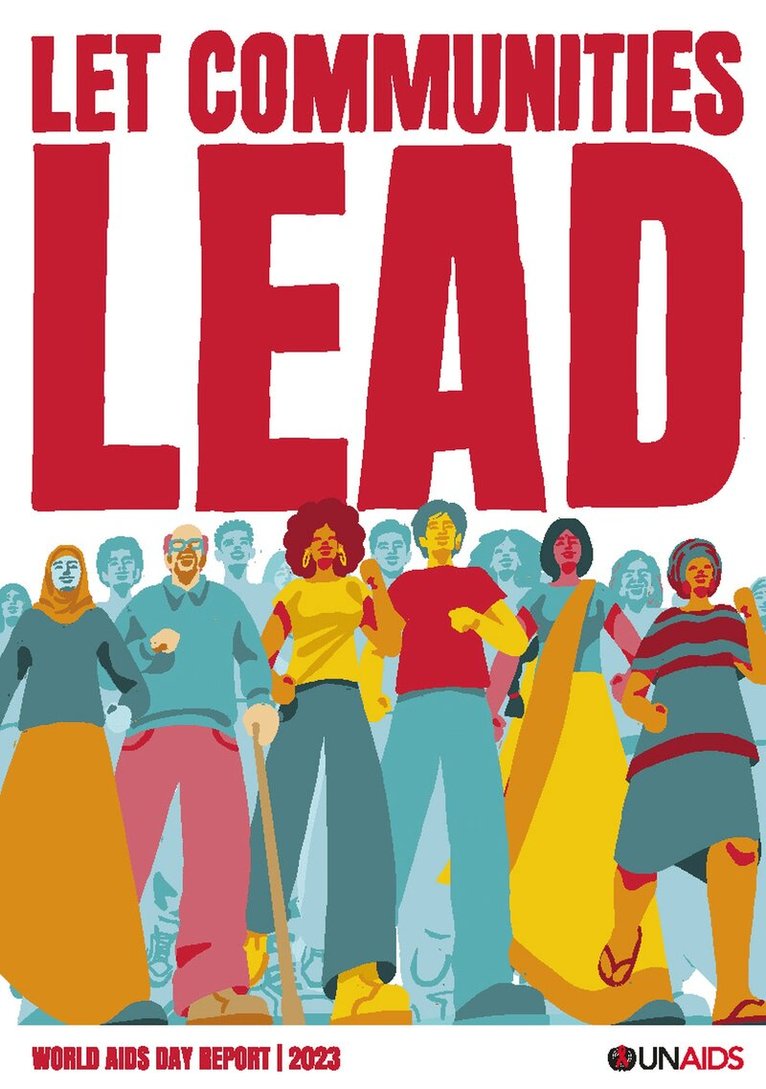
This report shows how community-led interventions are central to achieving the end of AIDS and to sustaining the gains into the future. People living with or affected by HIV have driven progress in the HIV response--reaching people who have not been reached; connecting people with the services they need; pioneering innovations; holding providers, governments, international organizations and donors to account; and spearheading inspirational movements for health, dignity and human rights for all. They are the trusted voices. Communities understand what is most needed, what works, and what needs to change. Communities have not waited to be handed their leadership roles -- they have taken the roles on themselves and held fast in their insistence on doing so. They have applied their skills and determination to help tackle other pandemics and health crises too, including COVID-19, Ebola and mpox. Letting communities lead builds healthier and stronger societies. This report shines a light on the underreported story of the everyday heroes of the HIV response. But it is much more than a celebration of the achievements of communities. It is an urgent call to action for governments and international partners to enable and support communities in their leadership roles.
Häftad, Engelska, 2025
447 kr
Skickas inom 5-8 vardagar
The world's decades-long response to HIV is at an inflection point. The 2024 UNAIDS global report, The Urgency of Now, demonstrated that the world now has the means to end AIDS as a public health threat by 2030. Midway to the 2025 milestone set in June 2021, the global HIV response has moved closer to the goal of ending AIDS as a public health threat by 2030, a commitment enshrined in the Sustainable Development Goals (SDGs). Fewer people acquired HIV in 2023 than at any point since the late 1980s. Despite successes, the world is not on track to end AIDS by 2030. At this historic crossroads, the path the world takes—towards ending AIDS, or towards a future of needless illness, death and unending costs—depends on political will. How to end AIDS as a public health threat is not in doubt. This report focuses on the essentials—the central role of human rights as it relates to ensuring access to HIV prevention and treatment services and addressing the structural determinants that increase vulnerability to HIV. An approach grounded in human rights is vital for the collective HIV response to be robust, person-centred and sustainable. HIV services will reach people in need only if their human rights are upheld; if discriminatory and harmful laws are removed; and if stigma, discrimination and violence are effectively tackled.