Jon Lawrence – författare
Visar alla böcker från författaren Jon Lawrence. Handla med fri frakt och snabb leverans.
17 produkter
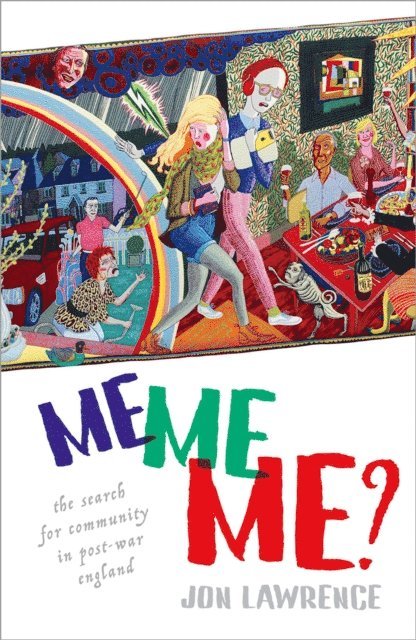
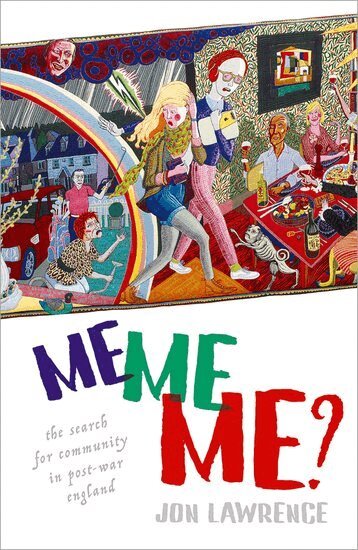
Me, Me, Me
The Search for Community in Post-war England
Av Jon Lawrence
E-bok, 2019
151 kr
Lägg i varukorg
Many commentators tell us that, in today''s world, everyday life has become selfish and atomised--that individuals live only to consume. But are they wrong? In Me, Me, Me , Jon Lawrence re-tells the story of England since the Second World War through the eyes of ordinary people--including his own …
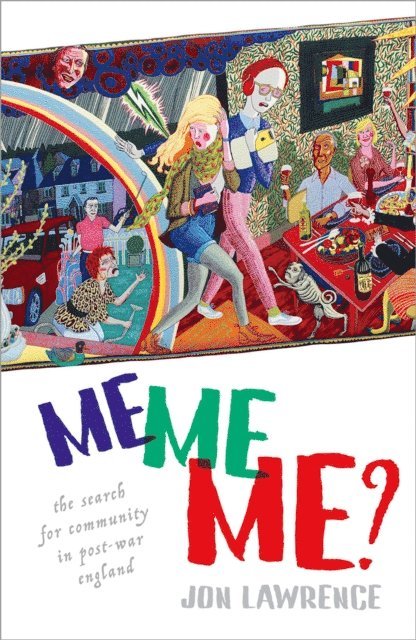
Me, Me, Me
The Search for Community in Post-war England
Av Jon Lawrence
E-bok, 2019
151 kr
Lägg i varukorg
Many commentators tell us that, in today''s world, everyday life has become selfish and atomised--that individuals live only to consume. But are they wrong? In Me, Me, Me , Jon Lawrence re-tells the story of England since the Second World War through the eyes of ordinary people--including his own …
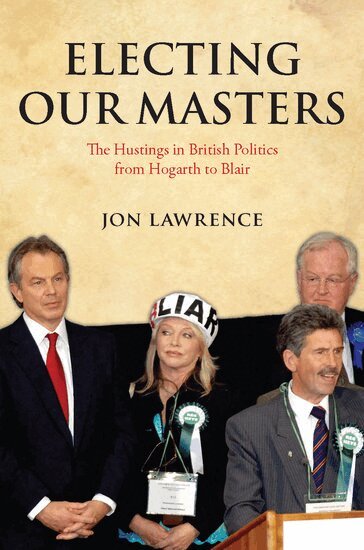
Electing Our Masters
The Hustings in British Politics from Hogarth to Blair
Av Jon Lawrence
E-bok, 2009
961 kr
Lägg i varukorg
In this engagingly written history of electioneering in Britain from the eighteenth century to the present, Jon Lawrence explores the changing relationship between politicians and public. Throughout this period, he argues, British politics has been characterized by bruising public rituals intended …
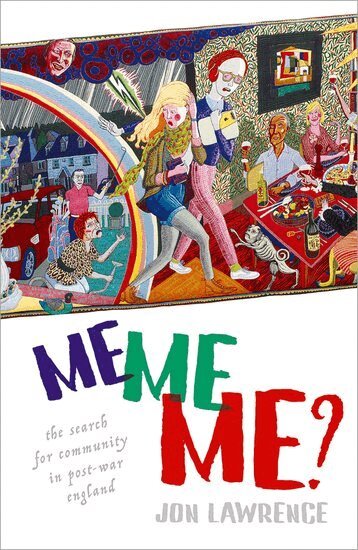
Me, Me, Me
The Search for Community in Post-war England
Av Jon Lawrence
Inbunden, 2019
378 kr
Lägg i varukorg
Many commentators tell us that, in today's world, everyday life has become selfish and atomised--that individuals live only to consume. But are they wrong?In Me, Me, Me, Jon Lawrence re-tells the story of England since the Second World War through the eyes of ordinary people--including his own …
Me, Me, Me
The Search for Community in Post-war England
Av Jon Lawrence
Häftad, 2023
290 kr
Lägg i varukorg
Many commentators tell us that, in today's world, everyday life has become selfish and atomised—that individuals live only to consume. But are they wrong?In Me, Me, Me, Jon Lawrence re-tells the story of England since the Second World War through the eyes of ordinary people—including his own …
Electing Our Masters
The Hustings in British Politics from Hogarth to Blair
Av Jon Lawrence
Inbunden, 2009
1373 kr
Lägg i varukorg
In this engagingly written history of electioneering in Britain from the eighteenth century to the present, Jon Lawrence explores the changing relationship between politicians and public. Throughout this period, he argues, British politics has been characterized by bruising public rituals intended …
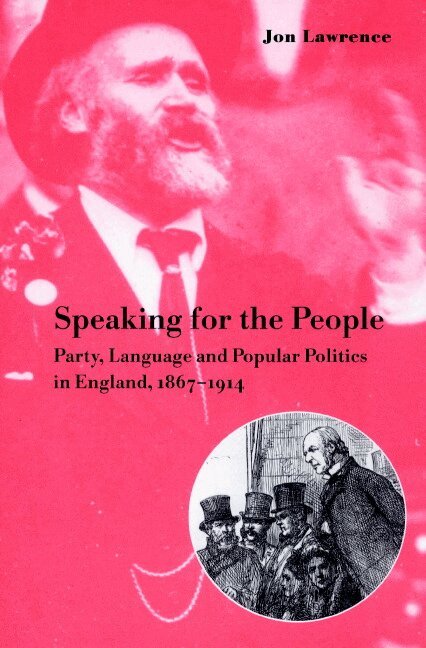
Speaking for the People
Party, Language and Popular Politics in England, 1867-1914
Av Jon Lawrence
E-bok, 1998
723 kr
Lägg i varukorg
Speaking for the People
Party, Language and Popular Politics in England, 1867-1914
Av Jon Lawrence
Inbunden, 1998
1333 kr
Lägg i varukorg
Speaking for the People, first published in 1998, draws our attention to the problematic nature of politicians' claims to represent others, and in doing so it challenges conventional ideas about both the rise of class politics, and the triumph of party between 1867 and 1914. The book emphasises the …
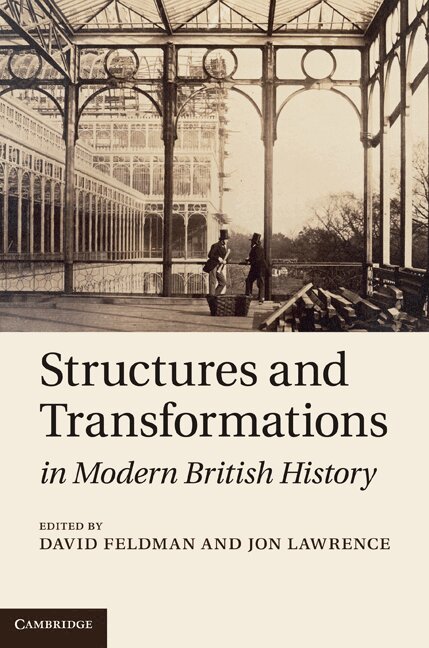
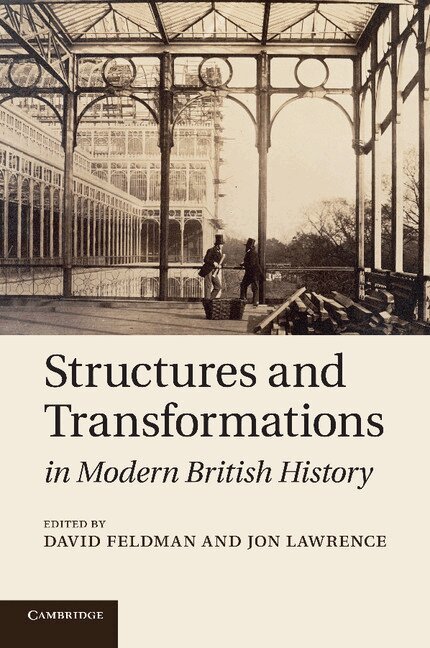
Structures and Transformations in Modern British History
Av David Feldman, Jon Lawrence
Inbunden, 2011
1319 kr
Lägg i varukorg
This major collection of essays challenges many of our preconceptions about British political and social history from the late eighteenth century to the present. Inspired by the work of Gareth Stedman Jones, twelve leading scholars explore both the long-term structures - social, political and …
Speaking for the People
Party, Language and Popular Politics in England, 1867-1914
Av Jon Lawrence
Häftad, 2002
738 kr
Lägg i varukorg
Speaking for the People, first published in 1998, draws our attention to the problematic nature of politicians' claims to represent others, and in doing so it challenges conventional ideas about both the rise of class politics, and the triumph of party between 1867 and 1914. The book emphasises the …
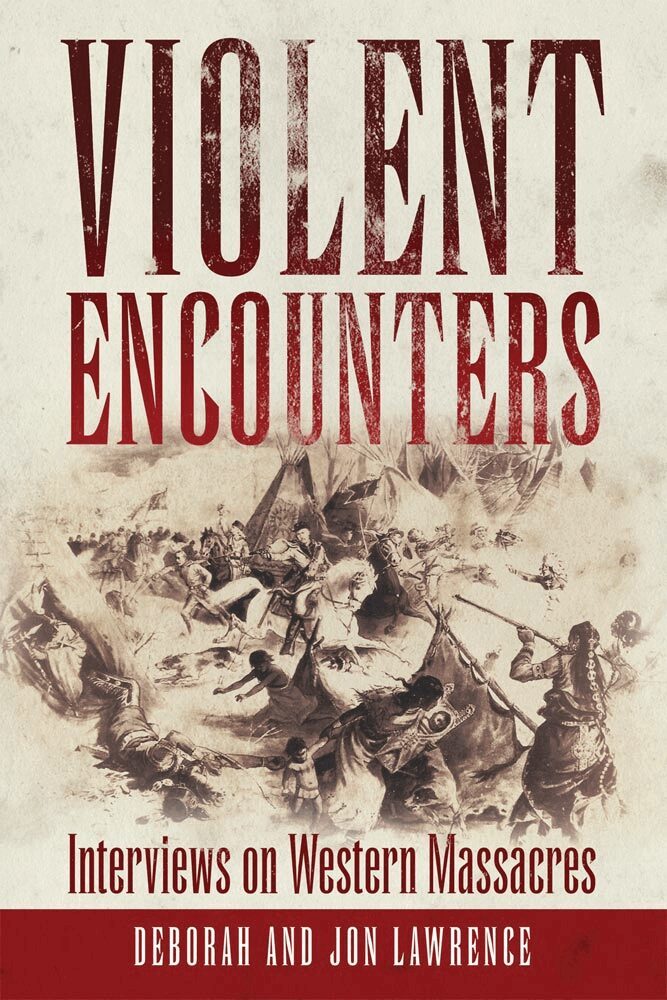
Violent Encounters
Interviews on Western Massacres
Av Deborah Lawrence, Jon Lawrence
Inbunden, 2011
316 kr
Lägg i varukorg
Merciless killing in the nineteenth-century American West, as this unusual book shows, was not as simple as depicted in dime novels and movie Westerns. The scholars interviewed here, experts on violence in the West, embrace a wide range of approaches and perspectives and challenge both traditional …
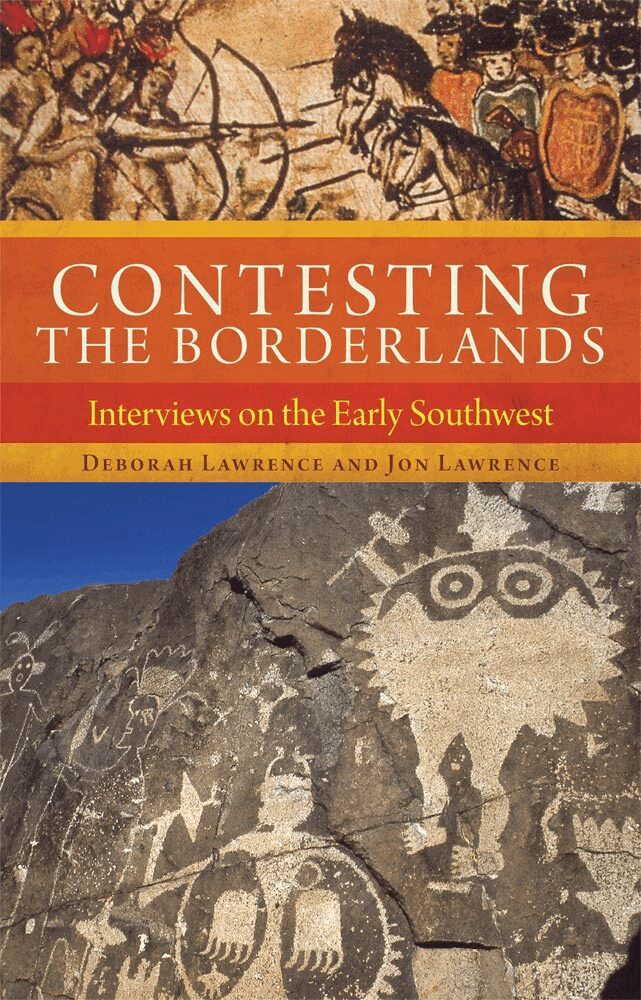
Contesting the Borderlands
Interviews on the Early Southwest
Av Deborah Lawrence, Jon Lawrence
Häftad, 2016
298 kr
Lägg i varukorg
Conflict and cooperation have shaped the American Southwest since prehistoric times. For centuries indigenous groups and, later, Spaniards, French, and Anglo-Americans met, fought, and collaborated with one another in this border area stretching from Texas through southern California. To explore …
Structures and Transformations in Modern British History
Av David Feldman, Jon Lawrence
Häftad, 2014
738 kr
Lägg i varukorg
This major collection of essays challenges many of our preconceptions about British political and social history from the late eighteenth century to the present. Inspired by the work of Gareth Stedman Jones, twelve leading scholars explore both the long-term structures - social, political and …
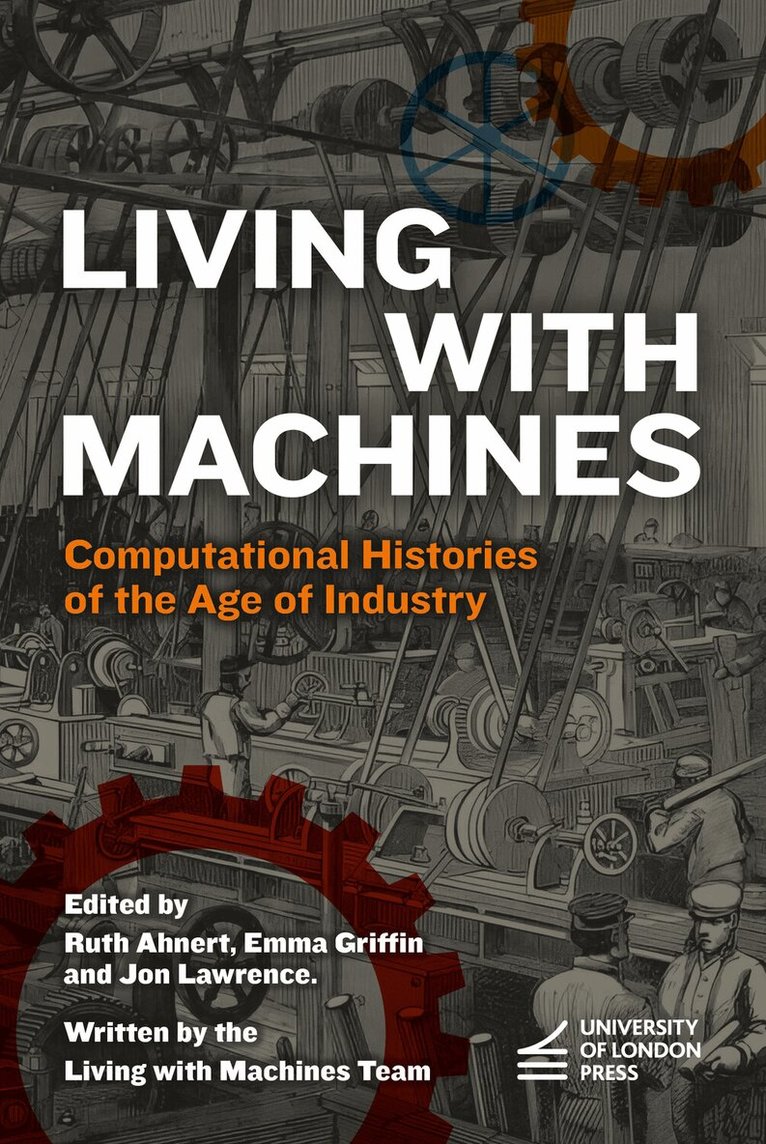
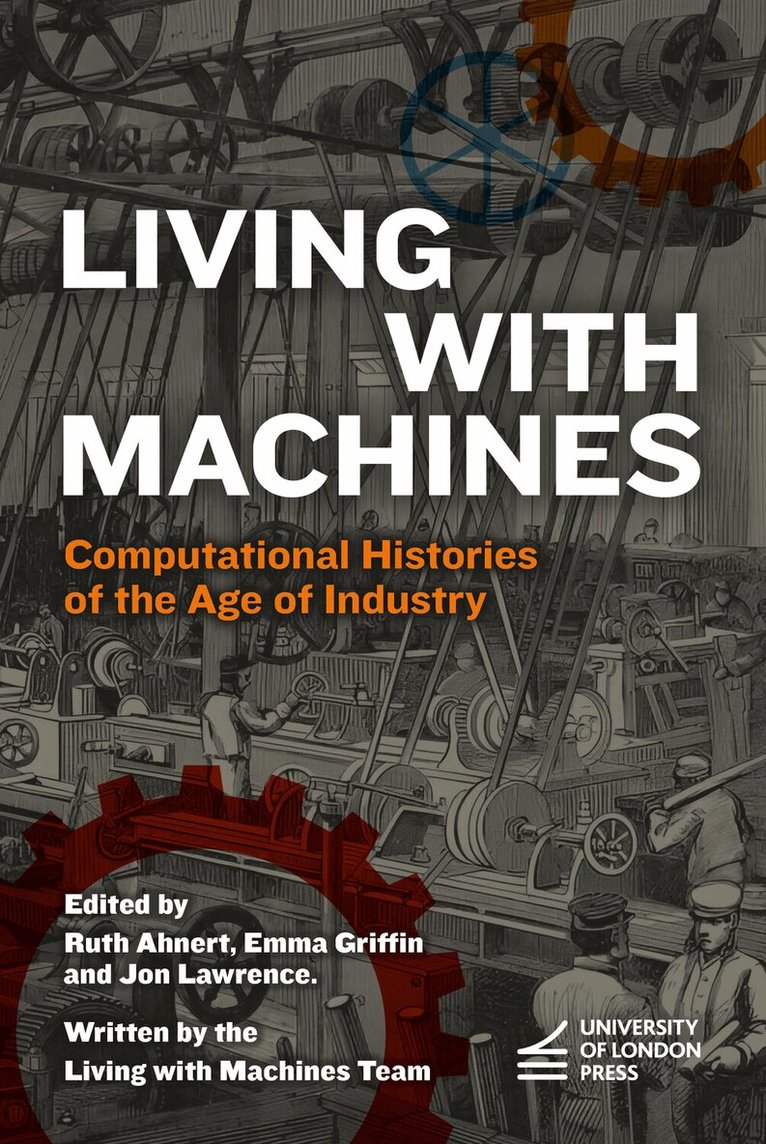
Living with Machines
Computational Histories of the Age of Industry
Av The Living with Machines Team, Ruth Ahnert m. fl.
Inbunden, 2026
1977 kr
Kommande
Living with Machines
Computational Histories of the Age of Industry
Av The Living with Machines Team, Ruth Ahnert m. fl.
Häftad, 2026
714 kr
Kommande