Jon T. Coleman – författare
Visar alla böcker från författaren Jon T. Coleman. Handla med fri frakt och snabb leverans.
5 produkter
5 produkter
Häftad, Engelska, 2006
478 kr
Skickas inom 5-8 vardagar
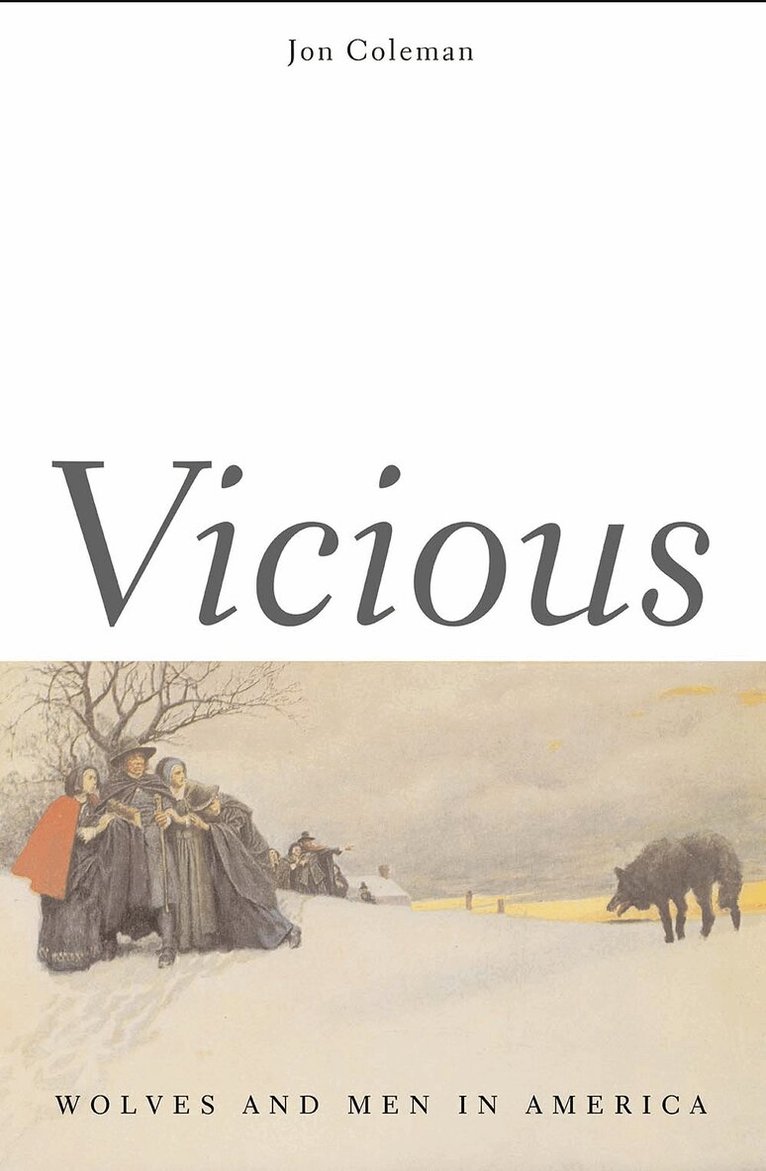
A provocative history of wolves in America and of the humans who first destroyed them and now offer them protection“A shocking cultural study of our long, sadistic crusade against wolves. Moving brilliantly through history, economics, and biology, Coleman...explains America’s fevered obsession with these animals."—Ron Charles, Washington Post Book ClubOver a continent and three centuries, American livestock owners destroyed wolves to protect the beasts that supplied them with food, clothing, mobility, and wealth. The brutality of the campaign soon exceeded wolves’ misdeeds. Wolves menaced property, not people, but storytellers often depicted the animals as ravenous threats to human safety. Subjects of nightmares and legends, wolves fell prey not only to Americans’ thirst for land and resources but also to their deeper anxieties about the untamed frontier.Now Americans study and protect wolves and jail hunters who shoot them without authorization. Wolves have become the poster beasts of the great American wilderness, and the federal government has paid millions of dollars to reintroduce them to scenic habitats like Yellowstone National Park.Why did Americans hate wolves for centuries? And, given the ferocity of this loathing, why are Americans now so protective of the animals? In this ambitious history of wolves in America—and of the humans who have hated and then loved them—Jon Coleman investigates a fraught relationship between two species and uncovers striking similarities, deadly differences, and, all too frequently, tragic misunderstanding.
E-bok
Engelska, 2006159 kr
Läs direkt efter köp
A "e;fascinating"e; history of the love-hate relationship between wolves and humans in America (Robert Keiter, author of Keeping Faith with Nature and The Greater Yellowstone Ecosystem). Over a continent and three centuries, American livestock owners destroyed wolves to protect the beasts that supplied them with food, clothing, mobility, and wealth. The brutality of the campaign soon exceeded wolves' misdeeds. Wolves menaced property, not people, but storytellers often depicted the animals as ravenous threats to human safety. Subjects of nightmares and legends, wolves fell prey not only to Americans' thirst for land and resources but also to their deeper anxieties about the untamed frontier. Now Americans study and protect wolves and jail hunters who shoot them without authorization. Wolves have become the poster beasts of the great American wilderness, and the federal government has paid millions of dollars to reintroduce them to scenic habitats like Yellowstone National Park. In this ambitious history of wolves in America and of the humans who have hated and then loved them Jon Coleman investigates a fraught relationship between two species and uncovers striking similarities, deadly differences, and, all too frequently, tragic misunderstanding. "e;A bold, smart, and original book. . . .Far more than a history of wolves in America, it is a meditation on the meanings of time, history, and culture, and an inquiry into the nature of cruelty and hatred."e; Andrew Cayton, Distinguished Professor of History, Miami University"e;A work of exceptional ambition at the cutting edge of environmental history."e; Louis Warren, author of Hunter's Game
Häftad, Engelska, 2017
299 kr
Skickas inom 5-8 vardagar
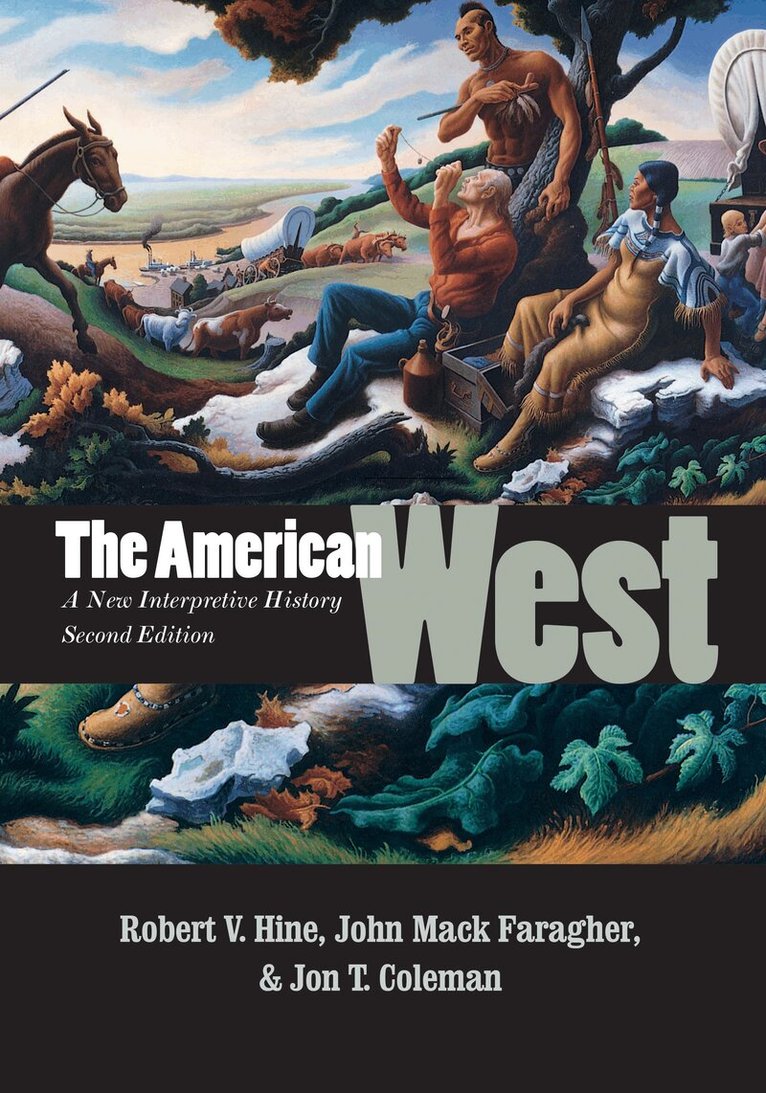
A fully revised and updated new edition of the classic history of western America “A classic for the twenty-first century, The American West stands as the best one volume treatment of the American West in a generation—a masterful overview, replete with triumph and tragedy, pain and possibility.”—Karl Jacoby, Columbia University “This new edition of The American West is, quite simply, stunning. Incorporating cutting-edge scholarship without losing the vision and clarity of the original, it weaves a cast of protagonists around a clear and gripping narrative. Comprehensive, bold, punchy, this is a textbook that reads like a novel.”—Pekka Hämäläinen, Oxford University The newly revised second edition of this concise, engaging, and unorthodox history of America’s West has been updated to incorporate new research, including recent scholarship on Native American lives and cultures. An ideal text for course work, it presents the West as both frontier and region, examining the clashing of different cultures and ethnic groups that occurred in the western territories from the first Columbian contacts between Native Americans and Europeans up to the end of the twentieth century.
Inbunden, Engelska, 2020
329 kr
Skickas inom 5-8 vardagar
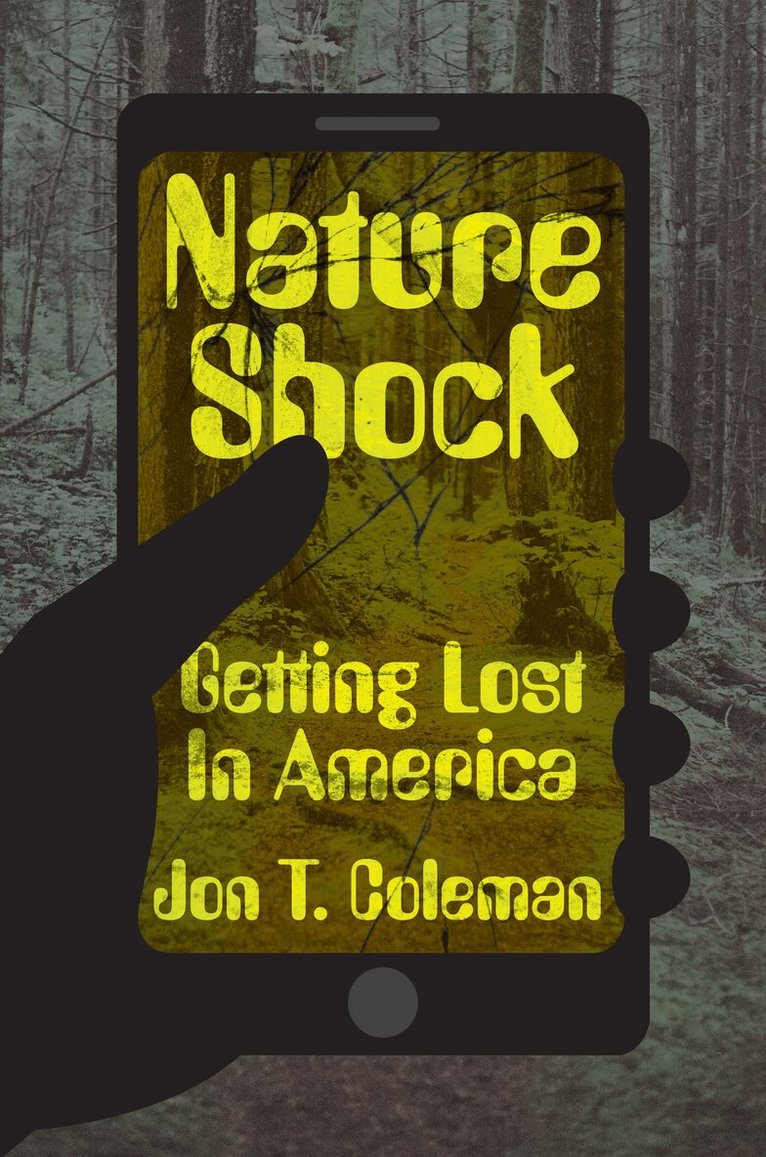
An award‑winning environmental historian explores American history through wrenching, tragic, and sometimes humorous stories of getting lost"Fascinating. . . . Underlying . . . is a deep belief in the importance of collaboration and cooperation between humans and their environments, as well as between humans and other humans."—Robert Macfarlane, New York Review of BooksThe human species has a propensity for getting lost. The American people, inhabiting a mental landscape shaped by their attempts to plant roots and to break free, are no exception. In this engaging book, environmental historian Jon Coleman bypasses the trailblazers so often described in American history to follow instead the strays and drifters who went missing. From Hernando de Soto’s failed quest for riches in the American southeast to the recent trend of getting lost as a therapeutic escape from modernity, this book details a unique history of location and movement as well as the confrontations that occur when our physical and mental conceptions of space become disjointed. Whether we get lost in the woods, the plains, or the digital grid, Coleman argues that getting lost allows us to see wilderness anew and connect with generations across five centuries to discover a surprising and edgy American identity.
Inbunden, Engelska, 2026
299 kr
Skickas inom 5-8 vardagar
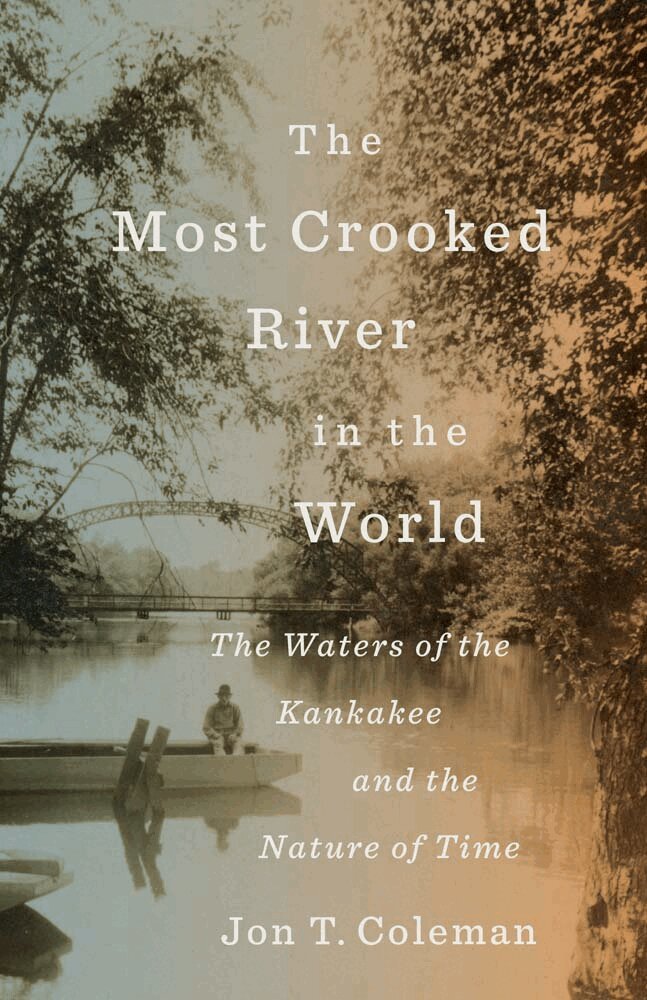
An imaginative history of the Kankakee River, told in reverse chronological order, that examines the ecological losses caused as people transformed the river and its wetlandsThe Kankakee River, whose waters gathered west of present-day South Bend, Indiana, and meandered through the loose sediment left by Pleistocene glaciers, used to drain one of the largest wetlands in North America. In its prime, it had hundreds of bends and spilled everywhere, generating hundreds of thousands of acres of permanent and semipermanent marshes brimming with life. This landscape amazed, entertained, and fed human beings for centuries until a small group of reformers usurped the waters and drained them in a matter of decades. By 1917, steam dredges had cut through the bends of the river; ditches and underground drain tiles emptied the marshes. A fascinating and vibrant place was transformed into a monotonous and forgettable one.Jon T. Coleman travels through time to recover the grandeur of the Kankakee River and its wetlands, asking why American settlers would dismantle an environment in which they delighted. Starting in the present, Coleman unwinds the history of the Kankakee, offering a wide-ranging and imaginative look at what was lost when the Kankakee was transformed—and challenging our ideas about time and inevitability.