Jonathan Gottschall - Böcker
Visar alla böcker från författaren Jonathan Gottschall. Handla med fri frakt och snabb leverans.
8 produkter
8 produkter
239 kr
Skickas
305 kr
Skickas inom 3-6 vardagar
3 119 kr
Skickas inom 3-6 vardagar
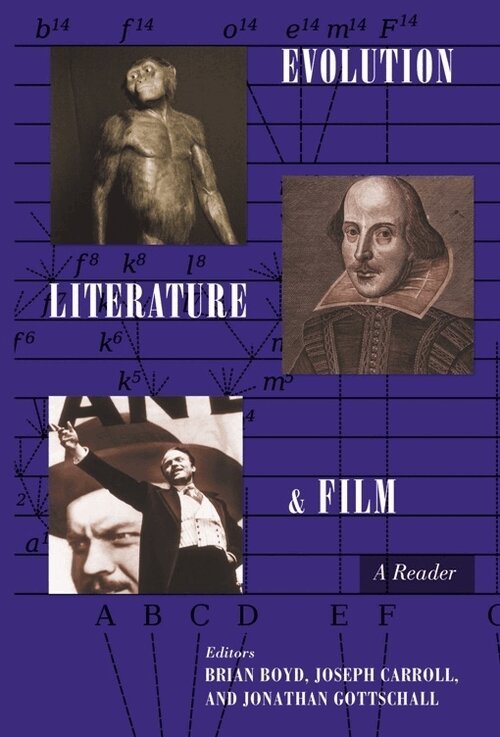
Featuring thirty-nine essential essays by pioneering scholars, scientists, and critics, Evolution, Literature, and Film opens with an introduction to the principles of evolution, with essays from Charles Darwin on the logic of natural selection, Richard Dawkins on the genetic revolution of modern evolutionary theory, Edward O. Wilson on the unity of knowledge, Steven Pinker on the transformation of psychology into an explanatory science, and David Sloan Wilson on the integration of evolutionary theory into cultural critique. Later sections include essays on the adaptive function of the arts, discussions of evolutionary literary theory and film theory, interpretive commentaries on specific works of literature and film, and analyses using empirical methods to explore literary problems. Texts under the microscope include folk- and fairy tales; Homer's Iliad; Shakespeare's plays; works by William Wordsworth, Charles Dickens, Emily Bronte, and Zora Neale Hurston; narratives in sci-fi, comics, and slash fiction; and films from Europe, America, Asia, and Africa. Each essay explains the contribution of evolution to a study of the human mind, human behavior, culture, and art.
415 kr
Skickas inom 7-10 vardagar
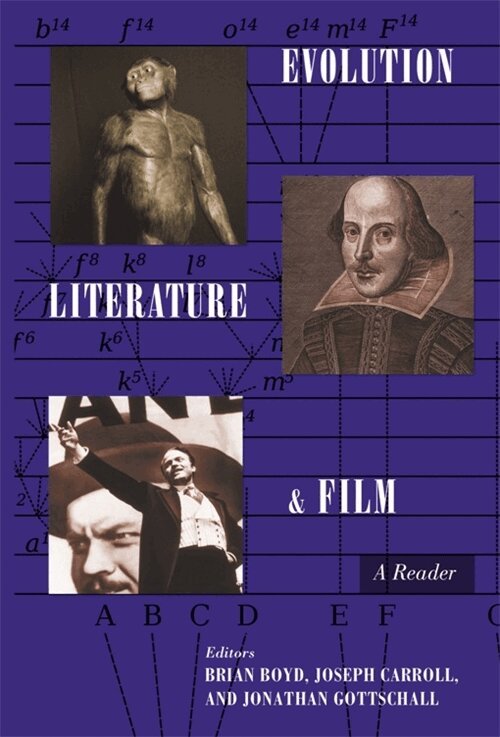
Featuring thirty-nine essential essays by pioneering scholars, scientists, and critics, Evolution, Literature, and Film opens with an introduction to the principles of evolution, with essays from Charles Darwin on the logic of natural selection, Richard Dawkins on the genetic revolution of modern evolutionary theory, Edward O. Wilson on the unity of knowledge, Steven Pinker on the transformation of psychology into an explanatory science, and David Sloan Wilson on the integration of evolutionary theory into cultural critique. Later sections include essays on the adaptive function of the arts, discussions of evolutionary literary theory and film theory, interpretive commentaries on specific works of literature and film, and analyses using empirical methods to explore literary problems. Texts under the microscope include folk- and fairy tales; Homer's Iliad; Shakespeare's plays; works by William Wordsworth, Charles Dickens, Emily Bronte, and Zora Neale Hurston; narratives in sci-fi, comics, and slash fiction; and films from Europe, America, Asia, and Africa. Each essay explains the contribution of evolution to a study of the human mind, human behavior, culture, and art.
550 kr
Skickas inom 7-10 vardagar
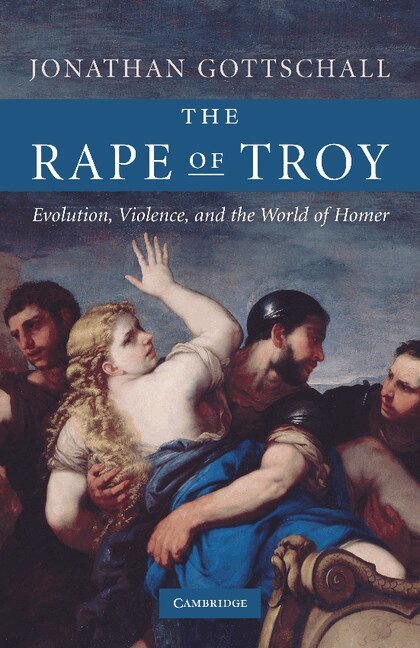
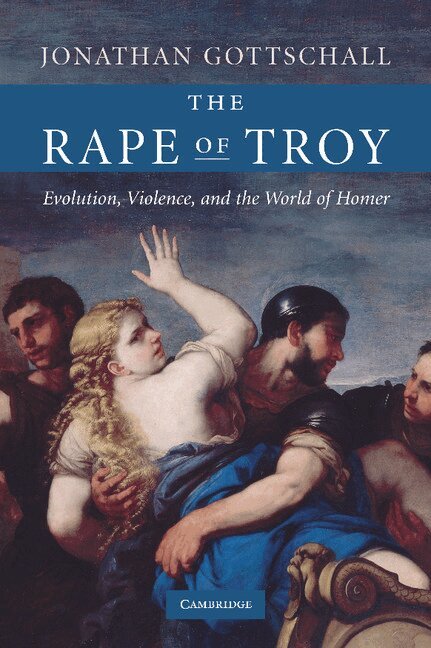
Homer's epics reflect an eighth-century BCE world of warrior tribes that were fractured by constant strife; aside from its fantastic scale, nothing is exceptional about Troy's conquest by the Greeks. Using a fascinating and innovative approach, Professor Gottschall analyses Homeric conflict from the perspective of modern evolutionary biology, attributing its intensity to a shortage of available young women. The warrior practice of taking enemy women as slaves and concubines meant that women were concentrated in the households of powerful men. In turn, this shortage drove men to compete fiercely over women: almost all the main conflicts of the Iliad and Odyssey can be traced back to disputes over women. The Rape of Troy integrates biological and humanistic understanding - biological theory is used to explore the ultimate sources of pitched Homeric conflict, and Homeric society is the subject of a bio-anthropological case study of why men fight.
1 282 kr
Skickas inom 7-10 vardagar
Homer's epics reflect an eighth-century BCE world of warrior tribes that were fractured by constant strife; aside from its fantastic scale, nothing is exceptional about Troy's conquest by the Greeks. Using a fascinating and innovative approach, Professor Gottschall analyses Homeric conflict from the perspective of modern evolutionary biology, attributing its intensity to a shortage of available young women. The warrior practice of taking enemy women as slaves and concubines meant that women were concentrated in the households of powerful men. In turn, this shortage drove men to compete fiercely over women: almost all the main conflicts of the Iliad and Odyssey can be traced back to disputes over women. The Rape of Troy integrates biological and humanistic understanding - biological theory is used to explore the ultimate sources of pitched Homeric conflict, and Homeric society is the subject of a bio-anthropological case study of why men fight.
356 kr
Skickas inom 7-10 vardagar
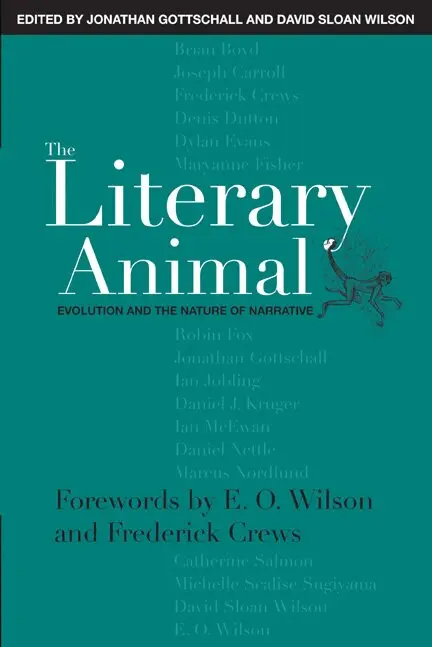
In recent years, articles in major periodicals from the New York Times Magazine to the Times Literary Supplement have heralded the arrival of a new school of literary studies that promises-or threatens-to profoundly shift the current paradigm. This revolutionary approach, known as Darwinian literary studies, is based on a few simple premises: evolution has produced a universal landscape of the human mind that can be scientifically mapped; these universal tendencies are reflected in the composition, reception, and interpretation of literary works; and an understanding of the evolutionary foundations of human behavior, psychology, and culture will enable literary scholars to gain powerful new perspectives on the elements, form, and nature of storytelling. The goal of this book is to overcome some of the widespread misunderstandings about the meaning of a Darwinian approach to the human mind generally, and literature specifically. The volume brings together scholars from the forefront of the new field of evolutionary literary analysis-both literary analysts who have made evolution their explanatory framework and evolutionist scientists who have taken a serious interest in literature-to show how the human propensity for literature and art can be properly framed as a true evolutionary problem. Their work is an important step toward the long-prophesied synthesis of the humanities and what Steven Pinker calls ""the new sciences of human nature.
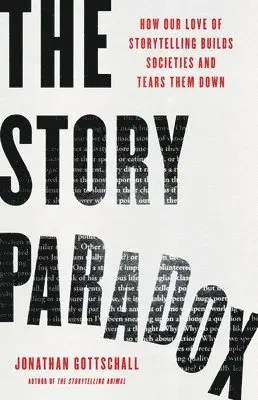
The Story Paradox
How Our Love of Storytelling Builds Societies and Tears them Down
Inbunden, Engelska, 2021
268 kr
Skickas inom 7-10 vardagar
Humans are storytelling animals. Stories are what make our societies possible. Countless books celebrate their virtues. But Jonathan Gottschall, an expert on the science of stories, argues that there is a dark side to storytelling we can no longer ignore. Storytelling, the very tradition that built human civilization, may be the thing that destroys it.In The Story Paradox, Gottschall explores how a broad consortium of psychologists, communications specialists, neuroscientists, and literary quants are using the scientific method to study how stories affect our brains. The results challenge the idea that storytelling is an obvious force for good in human life. Yes, storytelling can bind groups together, but it is also the main force dragging people apart. And it's the best method we've ever devised for manipulating each other by circumventing rational thought. Behind all civilization's greatest ills-environmental destruction, runaway demagogues, warfare-you will always find the same master factor: a mind-disordering story.Gottschall argues that societies succeed or fail depending on how they manage these tensions. And it has only become harder, as new technologies that amplify the effects of disinformation campaigns, conspiracy theories, and fake news make separating fact from fiction nearly impossible.With clarity and conviction, Gottschall reveals why our biggest asset has become our greatest threat, and what, if anything, can be done. It is a call to stop asking, "How we can change the world through stories?" and start asking, "How can we save the world from stories?"