Jonathan Hafetz - Böcker
Visar alla böcker från författaren Jonathan Hafetz. Handla med fri frakt och snabb leverans.
8 produkter
8 produkter
369 kr
Skickas inom 7-10 vardagar
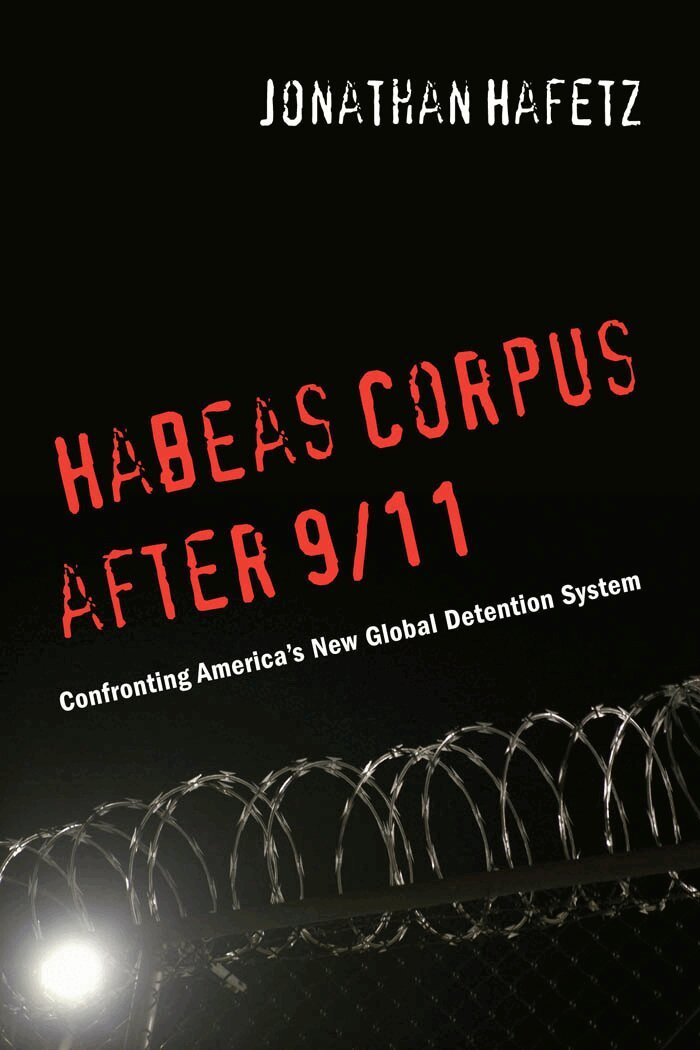
2012 American Bar Association Gavel Award Honorable Mention for Books 2012 Scribes Book Silver Medal Award presented by the American Society of Legal Writers The U.S. detention center at Guantánamo Bay has long been synonymous with torture, secrecy, and the abuse of executive power. It has come to epitomize lawlessness and has sparked protracted legal battles and political debate. For too long, however, Guantánamo has been viewed in isolation and has overshadowed a larger, interconnected global detention system that includes other military prisons such as Bagram Air Base in Afghanistan, secret CIA jails, and the transfer of prisoners to other countries for torture. Guantánamo is simply—and alarmingly—the most visible example of a much larger prison system designed to operate outside the law.Habeas Corpus after 9/11 examines the rise of the U.S.-run global detention system that emerged after 9/11 and the efforts to challenge it through habeas corpus (a petition to appear in court to claim unlawful imprisonment). Habeas expert and litigator Jonathan Hafetz gives us an insider's view of the detention of "enemy combatants" and an accessible explanation of the complex forces that keep these systems running. In the age of terrorism, some argue that habeas corpus is impractical and unwise. Hafetz advocates that it remains the single most important check against arbitrary and unlawful detention, torture, and the abuse of executive power.
779 kr
Skickas inom 10-15 vardagar
2012 American Bar Association Gavel Award Honorable Mention for Books 2012 Scribes Book Silver Medal Award presented by the American Society of Legal Writers The U.S. detention center at Guantánamo Bay has long been synonymous with torture, secrecy, and the abuse of executive power. It has come to epitomize lawlessness and has sparked protracted legal battles and political debate. For too long, however, Guantánamo has been viewed in isolation and has overshadowed a larger, interconnected global detention system that includes other military prisons such as Bagram Air Base in Afghanistan, secret CIA jails, and the transfer of prisoners to other countries for torture. Guantánamo is simply—and alarmingly—the most visible example of a much larger prison system designed to operate outside the law.Habeas Corpus after 9/11 examines the rise of the U.S.-run global detention system that emerged after 9/11 and the efforts to challenge it through habeas corpus (a petition to appear in court to claim unlawful imprisonment). Habeas expert and litigator Jonathan Hafetz gives us an insider's view of the detention of "enemy combatants" and an accessible explanation of the complex forces that keep these systems running. In the age of terrorism, some argue that habeas corpus is impractical and unwise. Hafetz advocates that it remains the single most important check against arbitrary and unlawful detention, torture, and the abuse of executive power.
878 kr
Skickas inom 10-15 vardagar
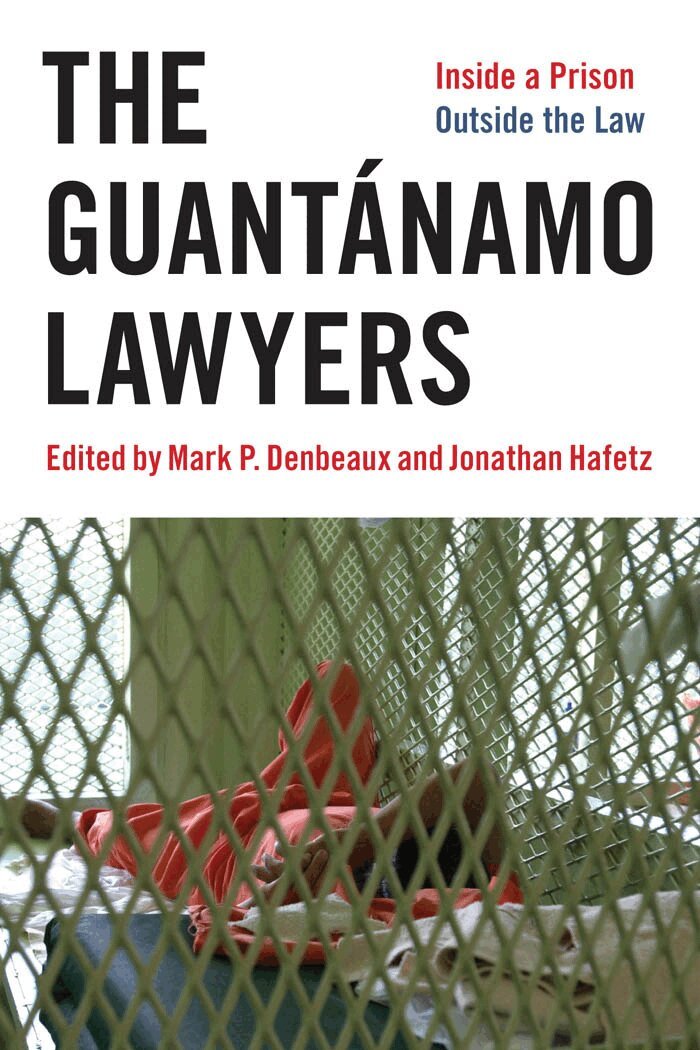
The stories of Guantánamo detainees, silenced and imprisoned without trial, as told by their lawyersFollowing the terrorist attacks of 9/11, the United States imprisoned more than seven hundred and fifty men at its naval base at Guantánamo Bay, Cuba. These men, ranging from teenage boys to men in their eighties from over forty different countries, were detained for years without charges, trial, and a fair hearing. Without any legal status or protection, they were truly outside the law: imprisoned in secret, denied communication with their families, and subjected to extreme isolation, physical and mental abuse, and, in some instances, torture.These are the detainees' stories, told by their lawyers because the prisoners themselves were silenced. It took habeas counsel more than two years—and a ruling from the United States Supreme Court—to finally gain the right to visit and talk to their clients at Guantánamo. Even then, lawyers were forced to operate under severe restrictions designed to inhibit communication and envelop the prison in secrecy. In time, however, lawyers were able to meet with their clients and bring the truth about Guantánamo to the world.The Guantánamo Lawyers contains over one hundred personal narratives from attorneys who have represented detainees held at "GTMO" as well as at other overseas prisons, from Bagram Air Base in Afghanistan to secret CIA jails or "black sites." Mark Denbeaux and Jonathan Hafetz—themselves lawyers for detainees—collected stories that cover virtually every facet of Guantánamo, and the litigation it sparked. Together, these moving, powerful voices create a historical record of Guantánamo's legal, human, and moral failings, and provide a window into America's catastrophic effort to create a prison beyond the law.An online archive, hosted by New York University Libraries, will be available at the time of publication and will contain the complete texts as well as other accounts contributed by Guantánamo lawyers. The documents will be freely available on the Internet for research, teaching, and non-commercial uses, and will be preserved indefinitely as a historical collection.Read free excerpts from the book at http://www.theguantanamolawyers.com and explore the complete archive of narratives at http://dlib.nyu.edu/guantanamo
369 kr
Skickas inom 7-10 vardagar
The stories of Guantánamo detainees, silenced and imprisoned without trial, as told by their lawyersFollowing the terrorist attacks of 9/11, the United States imprisoned more than seven hundred and fifty men at its naval base at Guantánamo Bay, Cuba. These men, ranging from teenage boys to men in their eighties from over forty different countries, were detained for years without charges, trial, and a fair hearing. Without any legal status or protection, they were truly outside the law: imprisoned in secret, denied communication with their families, and subjected to extreme isolation, physical and mental abuse, and, in some instances, torture.These are the detainees' stories, told by their lawyers because the prisoners themselves were silenced. It took habeas counsel more than two years—and a ruling from the United States Supreme Court—to finally gain the right to visit and talk to their clients at Guantánamo. Even then, lawyers were forced to operate under severe restrictions designed to inhibit communication and envelop the prison in secrecy. In time, however, lawyers were able to meet with their clients and bring the truth about Guantánamo to the world.The Guantánamo Lawyers contains over one hundred personal narratives from attorneys who have represented detainees held at "GTMO" as well as at other overseas prisons, from Bagram Air Base in Afghanistan to secret CIA jails or "black sites." Mark Denbeaux and Jonathan Hafetz—themselves lawyers for detainees—collected stories that cover virtually every facet of Guantánamo, and the litigation it sparked. Together, these moving, powerful voices create a historical record of Guantánamo's legal, human, and moral failings, and provide a window into America's catastrophic effort to create a prison beyond the law.An online archive, hosted by New York University Libraries, will be available at the time of publication and will contain the complete texts as well as other accounts contributed by Guantánamo lawyers. The documents will be freely available on the Internet for research, teaching, and non-commercial uses, and will be preserved indefinitely as a historical collection.Read free excerpts from the book at http://www.theguantanamolawyers.com and explore the complete archive of narratives at http://dlib.nyu.edu/guantanamo
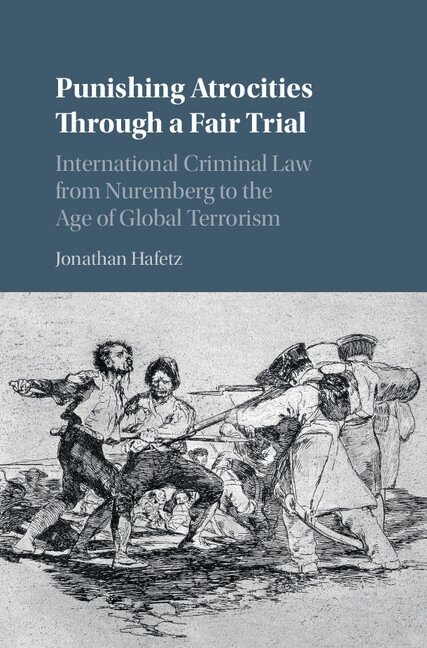
Punishing Atrocities through a Fair Trial
International Criminal Law from Nuremberg to the Age of Global Terrorism
Inbunden, Engelska, 2018
1 266 kr
Skickas inom 7-10 vardagar
Over the past decades, international criminal law has evolved to become the operative norm for addressing the worst atrocities. Tribunals have conducted hundreds of trials addressing mass violence in the former Yugoslavia, Rwanda, Sierra Leone, Cambodia, and other countries to bring to justice perpetrators of genocide, war crimes, and crimes against humanity. But international courts have struggled to hold perpetrators accountable for these offenses while still protecting the fair trial rights of defendants. Punishing Atrocities through a Fair Trial explores this tension, from criticism of the Nuremberg Trials as 'victor's justice' to the accusations of political motivations clouding prosecutions today by the International Criminal Court. It explains why international criminal law must adhere to transparent principles of legality and due process to ensure its future as a legitimate and viable legal regime.
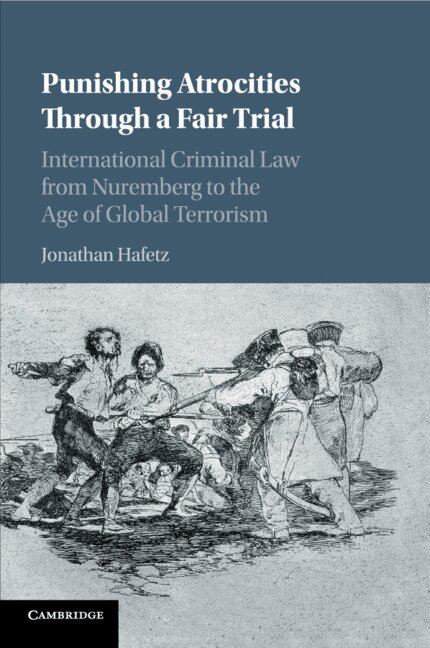
Punishing Atrocities through a Fair Trial
International Criminal Law from Nuremberg to the Age of Global Terrorism
Häftad, Engelska, 2018
394 kr
Skickas inom 7-10 vardagar
Over the past decades, international criminal law has evolved to become the operative norm for addressing the worst atrocities. Tribunals have conducted hundreds of trials addressing mass violence in the former Yugoslavia, Rwanda, Sierra Leone, Cambodia, and other countries to bring to justice perpetrators of genocide, war crimes, and crimes against humanity. But international courts have struggled to hold perpetrators accountable for these offenses while still protecting the fair trial rights of defendants. Punishing Atrocities through a Fair Trial explores this tension, from criticism of the Nuremberg Trials as 'victor's justice' to the accusations of political motivations clouding prosecutions today by the International Criminal Court. It explains why international criminal law must adhere to transparent principles of legality and due process to ensure its future as a legitimate and viable legal regime.
394 kr
Skickas inom 10-15 vardagar
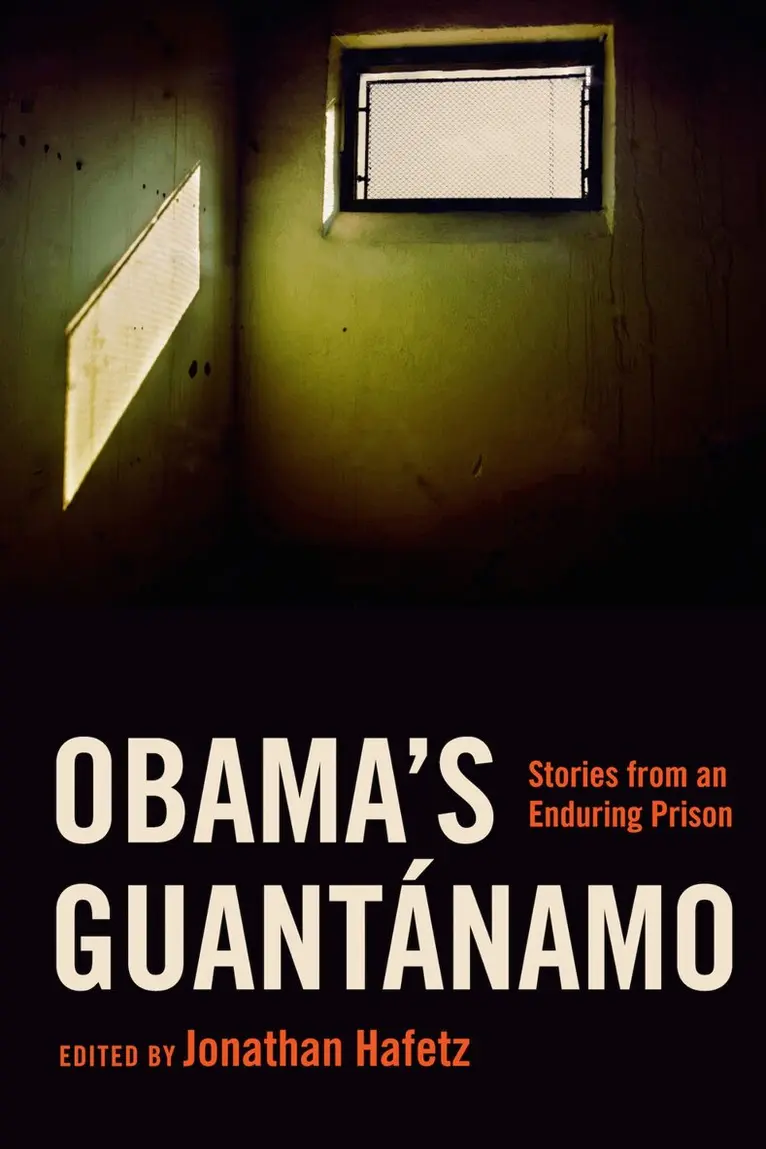
The U.S. detention center at Guantánamo Bay has become the symbol of an unprecedented detention system of global reach and immense power. Since the 9/11 attacks, the news has on an almost daily basis headlined stories of prisoners held indefinitely at Guantánamo without charge or trial, many of whom have been interrogated in violation of restrictions on torture and other abuse. These individuals, once labeled "enemy combatants" to eliminate legal restrictions on their treatment, have in numerous instances been subject to lawless renditions between prisons around the world. The lines between law enforcement and military action; crime and war; and the executive, legislative, and judicial branches of power have become dangerously blurred, and it is time to unpack the evolution and trajectory of these detentions to devise policies that restore the rule of law and due process.Obama's Guantánamo: Stories from an Enduring Prison describes President Obama's failure to close America's enduring offshore detention center, as he had promised to do within his first year in office, and the costs of that failure for those imprisoned there. Like its predecessor, Guantánamo Lawyers: Inside a Prison Outside the Law, Obama's Guantánamo consists of accounts from lawyers who have not only represented detainees, but also served as their main connection to the outside world. Their stories provide us with an accessible explanation of the forces at work in the detentions and place detainees' stories in the larger context of America's submission to fearmongering. These stories demonstrate all that is wrong with the prison and the importance of maintaining a commitment to human rights even in times of insecurity.
Pandemocracy in the Anglosphere
Democracy’s Power to Meet Tomorrow’s Polycrisis
Inbunden, Engelska, 2026
1 521 kr
Kommande
This book explores how COVID-19 represents an inflection point for re-thinking and re-making democracy across the English-speaking world in an age where states are facing a future of overlapping crises. Years after the unprecedented COVID-19 pandemic started to unfold, have we yet learned the deep lessons essential to maintaining and improving democracy to meet crisis challenges? Produced with the benefit of distance from the most acute period of the pandemic, the book contextualises the COVID-19 crisis as revealing pre-existing vulnerabilities and intensifying challenges of governance, inclusion, and distrust, while also spurring democratic innovation and shifting the parameters for reform. Six national case studies – Australia, Ireland, Canada, Aotearoa New Zealand, UK and USA – reveal the heterogeneity of the Anglosphere as an imagined democratic space. Viewed in the round, pandemic responses ranged from the chaotic to the internationally lauded, although even the latter have featured acute deficiencies in democratic practice, which underscores the need to gather the lessons learned. Yet, in all states, the public and political temptation to simply move on, in an act of communal forgetting and collective return to “normalcy,” presents a real risk of failing to prepare for more democratic future crisis responses.This collection takes the long view, approaching its subject from multiple perspectives that examine the heterogeneity of the Anglosphere as an imagined democratic space. Taking a cross-disciplinary approach and bringing together both leading and emerging experts on democracy, constitutionalism, and the rule of law, this book powerfully combines the insights of retrospective analysis with future-focused contemplation of where our democracies are heading.