Jonathan Lunde - Böcker
Visar alla böcker från författaren Jonathan Lunde. Handla med fri frakt och snabb leverans.
7 produkter
7 produkter
279 kr
Skickas
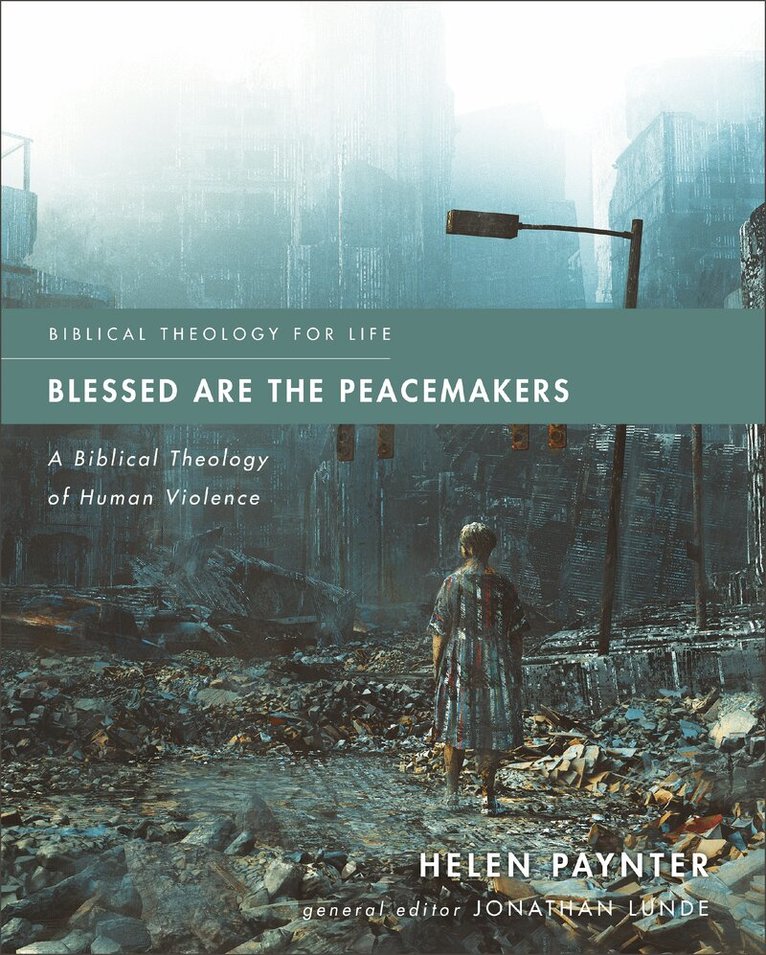
This volume in Biblical Theology for Life series dives deeply into the topic of human violence. Before exploring what the Bible says about violence, Old Testament scholar Helen Paynter sets out the contours for the study ahead by addressing the various definitions of violence and the theories of its origins, prevalence, and purpose. What is violence? Is there such a thing as "natural violence"? Is violence a human or social construct or can we describe natural phenomena as violent? How does the concept of violence relate to the concept of evil? Violence is everywhere; is it escapable? How do we resist violence?Having queued up the questions, Paynter takes us to the Bible for answers. Starting with the creation narratives in Genesis considered in comparison with the ancient Near Eastern myths and moving to the conquest of Canaan--the most problematic of biblical narratives--she investigates how these deep myths speak to the origins of human violence and its consequences. The prevalence of violence through biblical history is inescapable. Scripture reveals the hydra-like nature of human violence, investigating types of violence including but not limited to: structural violence, verbal violence, sexual violence, violence as public /political act, racialised violence, including "othering." Through the voices of the prophets and then in the teaching of Jesus, the Bible reveals that the seeds of violence exist within every human heart. Even though we see evidence of resistance movements in the Bible, such as the responses to attempted genocide in Exodus and Esther, it is only on the cross that an absorption of violence by God takes place: a defeat of violence by self-sacrifice. Along the way, Paynter considers other relevant biblical themes, including the apocalypse, "crushing the serpent's head," and the concept of divine vengeance, culminating in the resurrected Christ's lack of vengeance against those who did him to death. In light of the New Testament, we will consider how the first Christians responded to the structural violence of slavery and patriarchy and how they began to apply Jesus' redemptive, non-vengeful theology to their own day.The book concludes by discussing of what this means for Christians today. For many of us who live without routine encounters with or threats of violence, we must consider our responsibility in a world where our experience is the exception. With attention to the multi-headed hydra that is violence and the concealed structures of violence in our own Western society, Paynter challenges readers to consider their own, perhaps inherited, privilege and complicity. The question of how we regard "others," both as individuals and as societies, is a deeply relevant and urgent one for the church: The church can and should be a wholly non-othering body. So what implications does this have for the church and, for example, Black Lives Matter or the rampant xenophobia in our society or immigration and global migration issues? How do we resist evil? What does it mean to turn the other cheek when the cheek that has been slapped is not our own? How do we resist the monster without becoming the monster?
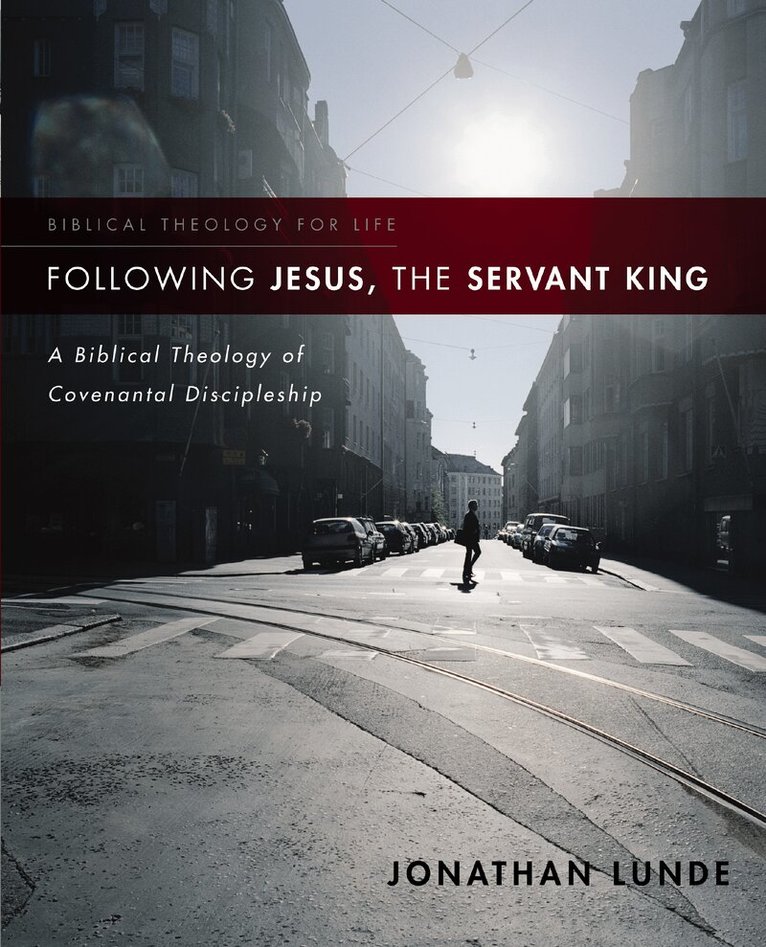
Following Jesus, the Servant King
A Biblical Theology of Covenantal Discipleship
Häftad, Engelska, 2010
191 kr
Skickas inom 5-8 vardagar
What does the Bible say about who Jesus is and what he asks of us, his followers? Throughout the Old Testament and into the New, God not only demands righteousness from his people but also showers on grace that enables them to act. Jesus, of course, provides the ultimate fulfillment of these twin aspects of God’s relationship to humanity. In biblical terms, Jesus is the King who demands righteous obedience from his followers, and Jesus is the Servant who provides the grace that enables this obedience.In Following Jesus, the Servant King, Jonathan Lunde makes plain how having a strong understanding of covenantal theology opens us to greater discipleship. From the angle of biblical teaching, Lunde tackles some of the most poignant questions about being a disciple of Christ:What does it mean to follow Jesus?What does God expect from his followers.How can we be and do what is required? While answering these essential questions, Lunde thoroughly details God's covenants throughout the whole of Scripture, explaining what this means in terms of our relationship with God and how Jesus fulfills each of them in turn.____________Part of the Biblical Theology for Life series, this practical and robust book will help you ground your discipleship on the solid foundation of biblical understanding and reflection.
188 kr
Skickas
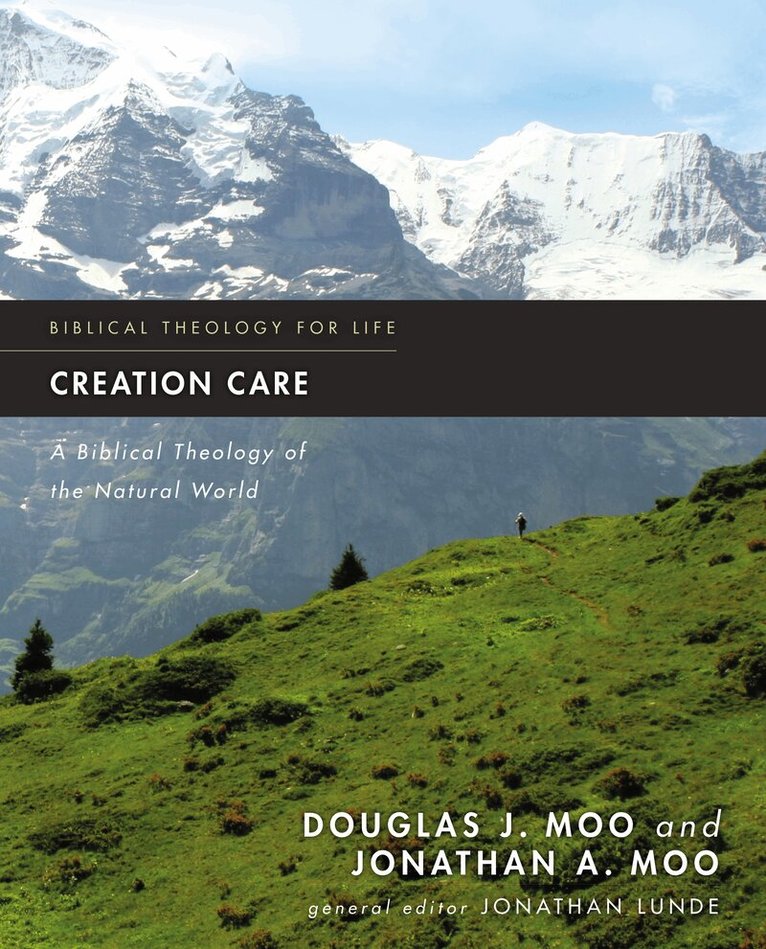
What does the Bible say about the natural world and its place within God's purpose? From Genesis to Revelation, the Bible reveals a God whose creative power and loving care embrace all that exists, from earth and sky and sea to every creature. Yet the significance of the Bible's extensive teaching about the natural world is easily overlooked by Christians accustomed to focusing only on what the Bible says about God's interaction with human beings.In Creation Care, father and son team Douglas and Jonathan Moo invite readers to open their Bibles afresh to explore a comprehensive biblical theology of creation care as well as a careful analysis of the most up-to-date scientific data about the state of our world. Following the contours of the biblical storyline, they uncover answers to questions such as:What is the purpose of the non-human creation?Can a world with things like predators, parasites, and natural disasters still be the 'good' world described in Genesis 1?What difference does the narrative of the 'Fall' make for humankind’s responsibility to rule over other creatures?What difference does Jesus make for our understanding of the natural world?How does our call to care for creation fit within the hope for a new heaven and a new earth?What is unique about Christian creation care compared with other approaches to 'environmental' issues?How does creation care fit within the charge to proclaim the gospel and care for the poor? Rather than merely offering a response to environmental concerns, Creation Care invites readers into a joyful vision of the world as God's creation in which they can rediscover who they truly are as creatures called to love and serve the Creator and to delight in all he has made.____________Part of the Biblical Theology for Life series, this practical and robust book will help you develop an effective and faithful Christian response to the scriptural teaching about the created world.
198 kr
Tillfälligt slut
What does the Bible say about money, material possessions, and stewardship? In Christians in an Age of Wealth, Craig Blomberg addresses tough questions about the place and purpose of wealth and material possessions in a Christian's life. He points to the goodness of wealth, as God originally designed it, but also surveys the Bible's many warnings against making an idol out of money.Taking a close exegetical look at this topic as it’s discussed in Scripture, Blomberg answers the toughest questions about Christianity and wealth:Is there any one key to keeping possessions in their proper, God-intended perspective?Are there limits on how rich we should become or on how poor we should allow others to get?What does a truly Christian economic system look like?How does the Bible's teaching on wealth fit into the gospel? Blomberg expounds upon how the sharing of goods and possessions is the key safeguard against both greed and covetousness. He expands on the concept of giving generously, even sacrificially, to those who are needier, demonstrating how Christians can participate in God's original good design for abundance and demonstrate the world-altering gospel of Christ.____________Part of the Biblical Theology for Life series, this practical and challenging book will help you and your church ground your worldly possessions on the solid foundation of biblical understanding and reflection.
224 kr
Skickas
What does the Bible say about your sense of self? In the past, an individual's identity was more predictable than it is now. Today, personal identity is a do-it-yourself project. Constructing a stable and satisfying sense of self is hard amidst relationship breakdowns, the pace and rhetoric of modern life, the rise of social media, social mobility, and so on. Ours is a day of identity angst.Who are you? What defines you? What makes you you?In Known by God, Rosner argues that rather than knowing ourselves, being known by God is the key to personal identity. He explores three biblical angles on the question of personal identity:Being made in the image of God.Being known by God.Being in Christ. At the center of a biblical understanding of personal identity is sonship: God gives us our identity as a parent who knows his child. Being known by him as his child gives our fleeting lives significance, provokes in us needed humility, supplies cheering comfort when things go wrong, and offers clear moral direction for living.____________Part of the Biblical Theology for Life series, this practical and insightful book will help you ground your longing to be known and the security of your identity on the solid foundation of biblical understanding and reflection.
286 kr
Skickas inom 5-8 vardagar
What does the Bible say about God's Kingdom and what Kingdom living looks like? In the last hundred and fifty years the concept of the kingdom of God has emerged as one of the most important topics in theology, New Testament studies, and the life of the church.In The Kingdom of God, Nicholas Perrin explores this dominant biblical metaphor, one that is paradoxically the meta-center and the mystery in Jesus' proclamation. After survey interpretations by figures from Ritschl to N. T. Wright, Perrin examines questions such as:What exactly is the kingdom of God?What do different Christian traditions mean when they talk about “the Kingdom”? How should we interpret Jesus’ teachings about the Kingdom?What does it mean for the people of God and what does it mean for how they live in the world? Perrin contends that the kingdom is inaugurated in Jesus' earthly ministry, but its final development awaits later events in history. In between the times, however, the people of God are called to participate in the reign of God by living out the distinctly kingdom-ethic through hope, forgiveness, love, and prayer.____________Part of the Biblical Theology for Life series, this practical and robust book will help you ground your understanding of the Kingdom of God on the solid foundation of biblical exegesis and reflection.
309 kr
Skickas
What does the Bible say about alcohol?Evangelical Christianity has a complicated relationship with alcohol. For years, many believers have welcomed it as a gift from God, while others have rejected it as a definite, Spirit-quenching sin. But what does the Bible actually say about alcohol and its use?Alcohol is a pervasive theme throughout the Bible. In The Mountains Shall Drip Sweet Wine, John Anthony Dunne offers an exhaustive exploration of the references to alcohol and its related imagery within the Old and New Testaments. His biblical-theological approach allows for the nuance of the genres and historical periods of the Bible to shed light on how we are to approach the topic.In his thorough account, Dunne argue that the symbolism of wine and other fermented drinks in the Bible is multifaceted and complex--as a good vintage itself would be. We must be attuned to the various ways in which biblical authors deploy this motif, dripping with theological symbolism, when they speak of creation, covenant, kingdom, wise decision-making, and more. The Bible's kingdom-oriented imagery communicates a call for wisdom in the everyday life of the Christian disciple with an overarching vision that what Christians think about alcohol, regardless of position, has significant impact on community life.