Jonathan Mullard - Böcker
Visar alla böcker från författaren Jonathan Mullard. Handla med fri frakt och snabb leverans.
5 produkter
5 produkter
594 kr
Tillfälligt slut
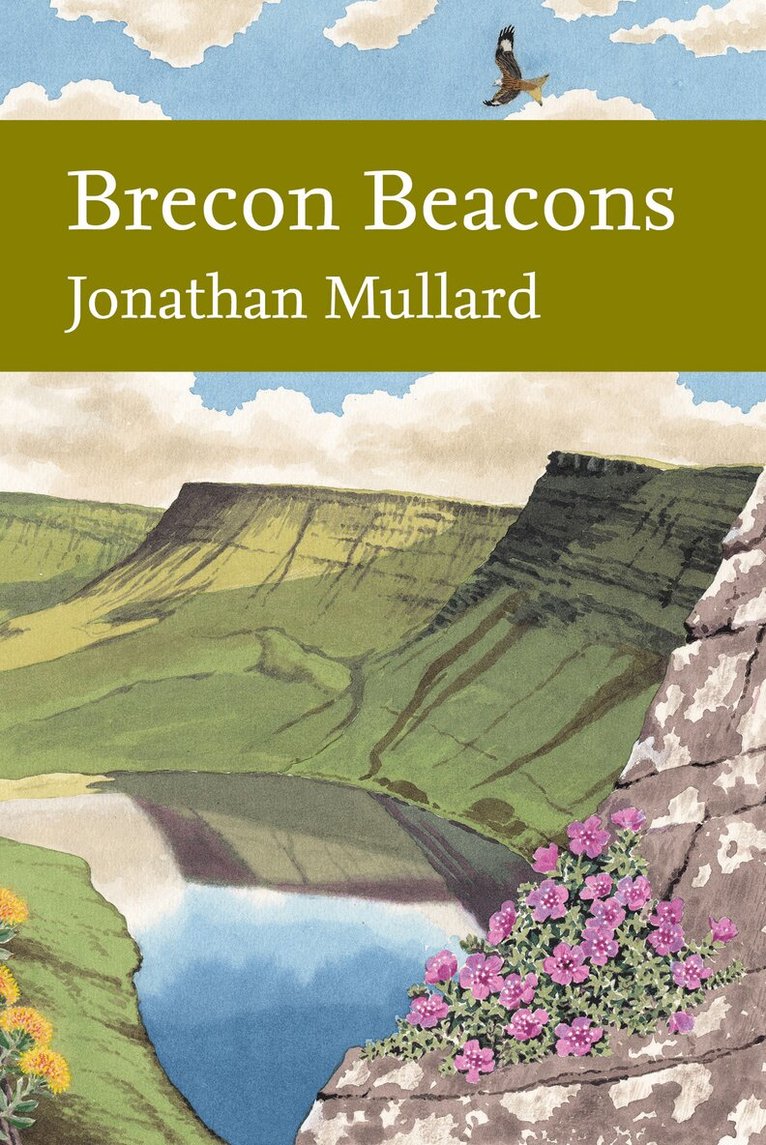
The first comprehensive book to be published about the wildlife of the Brecon Beacons is a much-anticipated addition to the New Naturalist series, and reveals the natural wonders of this seemingly wild and inhospitable mountain landscape.The Brecon Beacons range across upland Wales and create a varied landscape of extensive cave systems, limestone crags and rich meadows. This variety supports thousands of species, some of which are found nowhere else on Earth. The natural history of the Brecon Beacons is like most parts of the British Isles – inextricably linked to the activities of man across many thousand years.Jonathan Mullard explores the evolving landscape and observes its effects on its native species and habitats. He provides a detailed examination of the geology of the region and the integration of the archaeological and historic landscape with the natural landscape and its fauna. Covering the vast diversity of its mountains and moorlands, rivers and waterfalls, caves, woodlands, wetlands and farmland, he provides an overview of man’s influence on the natural environment over the centuries and the ongoing conservation of the area.A landscape rich in legends, the Brecon Beacons play host to a number of myths involving, among others, King Arthur. Mullard explores these rich tales alongside other cultural landmarks of historical interest, such as the churches and chapels of the area. The culmination of years of research, New Naturalist Brecon Beacons is an inspiring exploration of this diverse and fascinating area.
660 kr
Skickas
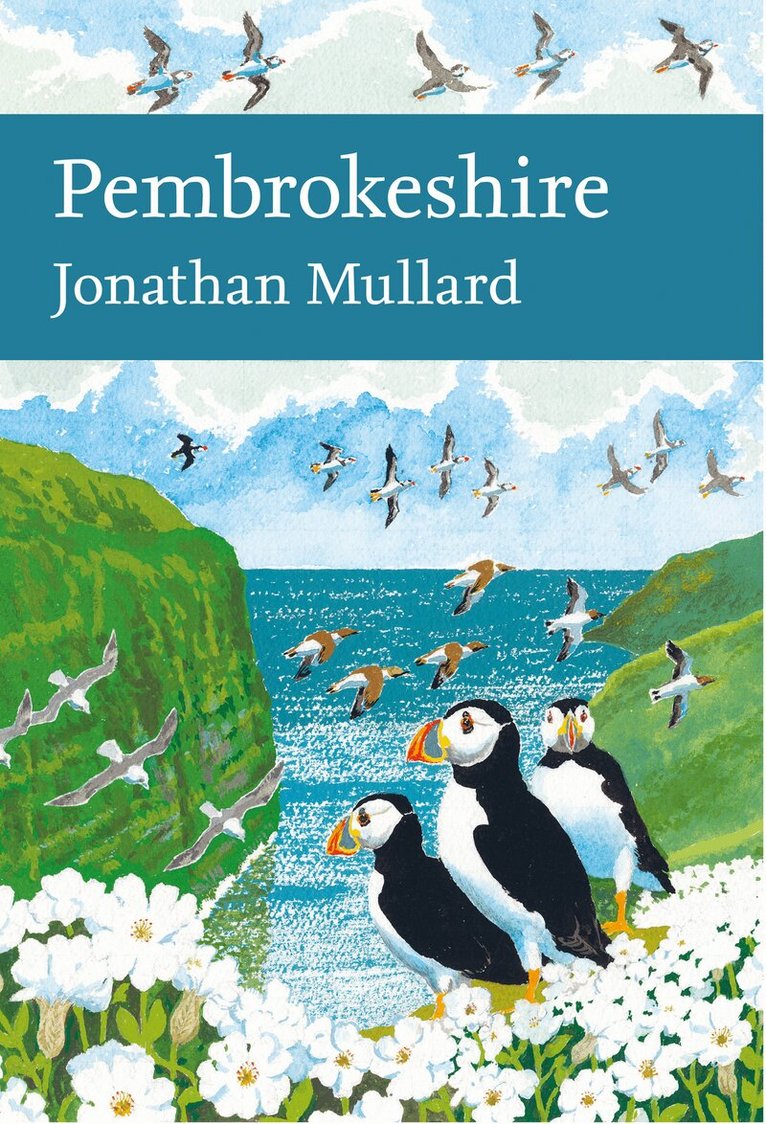
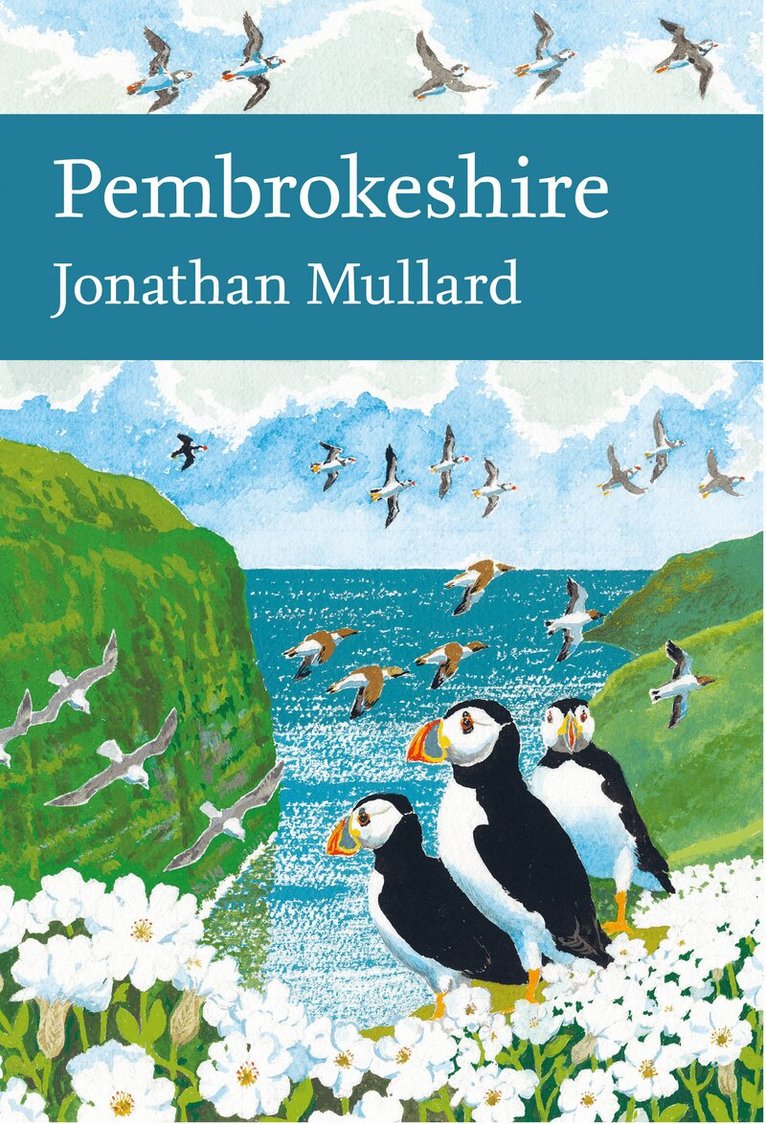
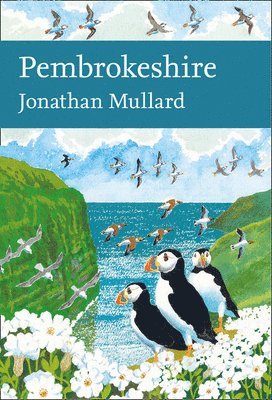
This lushly illustrated and fully comprehensive book about the wildlife, landscapes and history of Pembrokeshire is a much-anticipated addition to the New Naturalist series, and reveals the incredible wealth of biodiversity present in the region.Surrounded by sea on three sides, Pembrokeshire is the only national park in the UK designated mainly for its coastline. In addition to idyllic beaches, the park includes deep wooded valleys and tranquil estuaries, as well as a marine nature reserve. There is greater variety of geological and landform scenery in the park than in any other area of the same size in the British Isles, and it is an essential sanctuary for many of Britain’s seabird species. There are also important archaeological sites in the park, from Iron Age hill forts and standing stones to the spectacular cathedral of St Davids, as Pembrokeshire has been consistently inhabited by humans since the Neolithic period.Jonathan Mullard explores the evolving landscape and observes its effects on its native species and habitats. He provides a detailed examination of the geology of the region and the integration of the archaeological and historic landscape with the natural landscape and its fauna. Covering the vast diversity of Pembrokeshire’s beaches and forests, rivers and waterfalls, moorland and farmland, caves and cathedrals, he provides an overview of man’s influence on the natural environment over the centuries and the ongoing conservation of the area. The culmination of years of research, New Naturalist Pembrokeshire is an inspiring exploration of this diverse and fascinating area.
2 757 kr
Tillfälligt slut
253 kr
Skickas
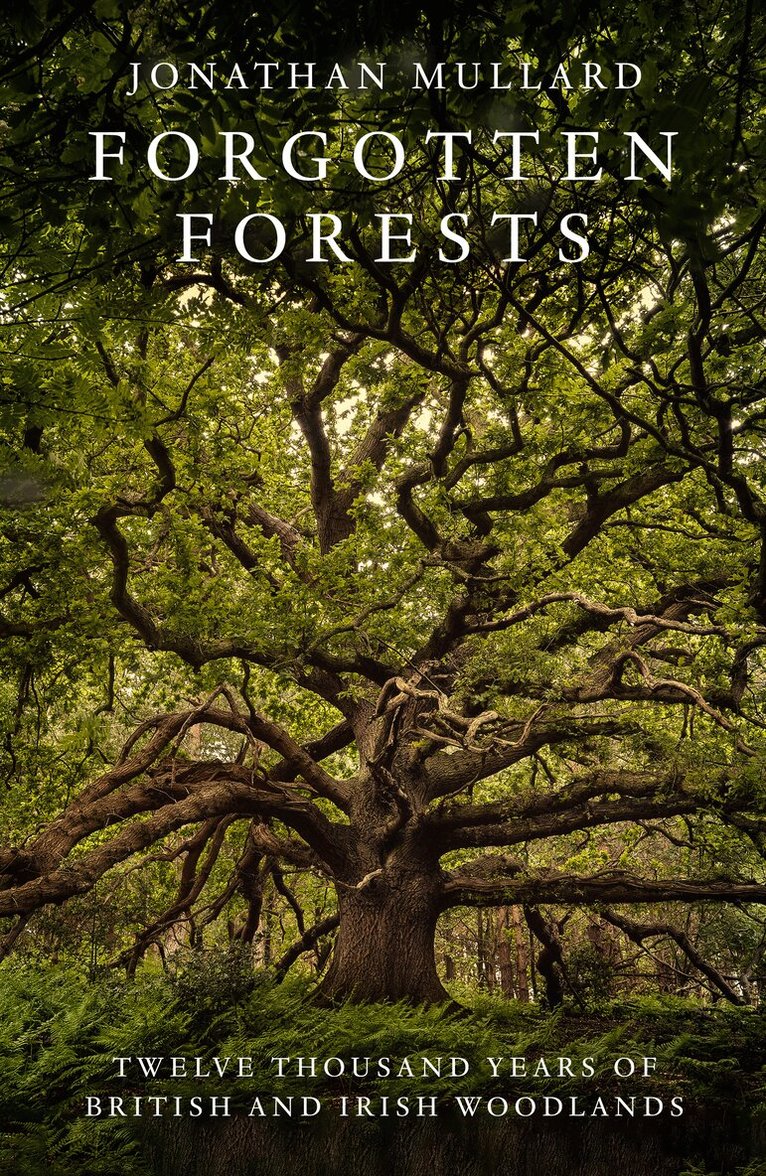
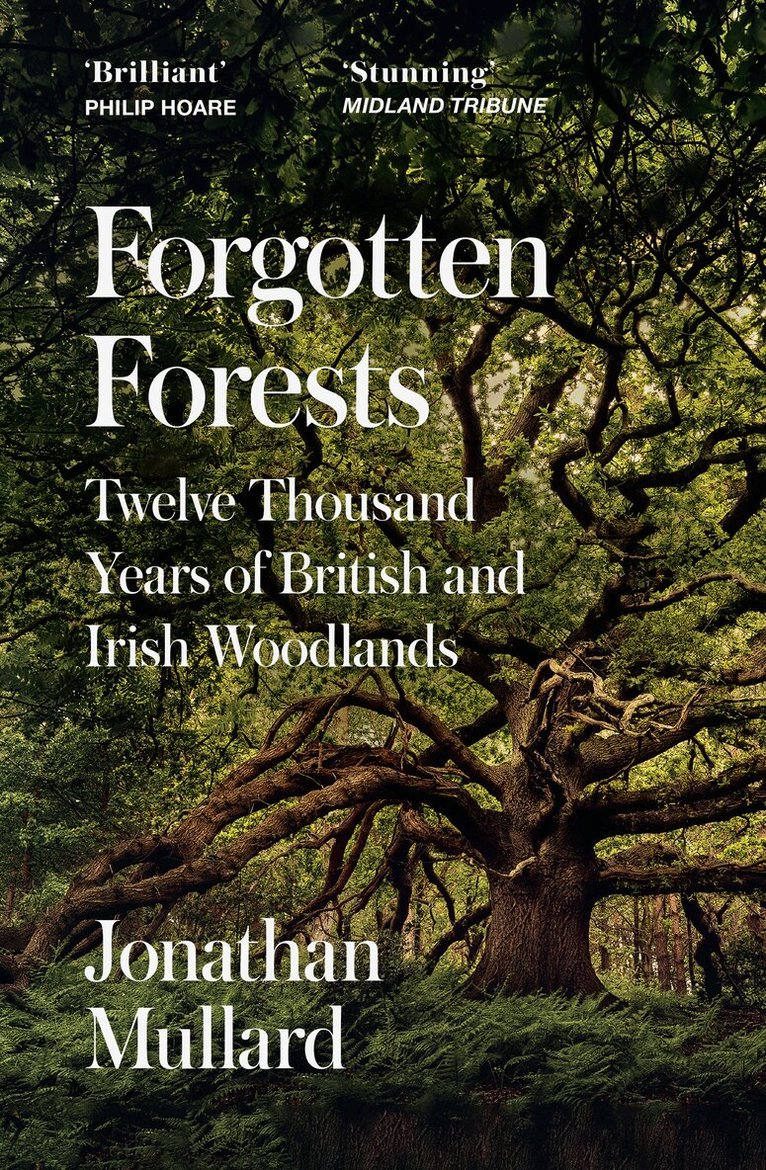
Ancient trees, some over a thousand years old, are dotted around the British Isles, the last survivors of a lost world. Now, new scientific studies of these trees and of fossilised forests and of our oldest wooden artifacts can help us to understand the many woodlands that have disappeared from our landscapes. Locked in ice for more than twenty thousand years, the lands that now make up Britain and Ireland were some of the last settled by humans. The earliest people, Mesolithic hunter-gatherers like Cheddar Man, arrived around eleven thousand years ago to find dense forests. While they lived lightly, they did introduce fire, which they used to create clearings, and this was the beginning of the reshaping of Britain’s forests.When Neolithic farmers migrated to Britain from Europe some six thousand years ago, it meant a violent end to the hunter-gatherers’ way of life. It also indicated a dramatic change for the ecosystems. Forests were cleared for fields, trees and plants fed to livestock and predators hunted. A wild, forested world became one of agriculture and villages.As humans learned to work bronze, then iron, they also used wood in myriad ways, building homes, then cathedrals, hand tools then furniture and early machines, boats and eventually immense ships. The forests of Britain and Ireland fuelled the burgeoning human civilisation, from the Romans, Anglo Saxons, Vikings and Normans, to the British, Scottish, Welsh and Irish peoples through to the present day. In that time our woodlands have changed beyond recognition, but clues to their story remain. Biologist and Britain’s first senior officer for Areas of Outstanding Natural Beauty Jonathan Mullard retraces the history of the forgotten forests of Britain and Ireland, piecing together historical records going as far back as the written word and archaeological evidence going back far further. The result is a wealth of arcane anecdotes and the latest scientific understanding of our natural history, as well as a fascinating journey through the forests, landscapes and human history of Britain.
130 kr
Kommande
Ancient trees, some over a thousand years old, are dotted around the British Isles, the last survivors of a lost world. Now, new scientific studies of these trees and of fossilised forests and of our oldest wooden artifacts can help us to understand the many woodlands that have disappeared from our landscapes. Locked in ice for more than twenty thousand years, the lands that now make up Britain and Ireland were some of the last settled by humans. The earliest people, Mesolithic hunter-gatherers like Cheddar Man, arrived around eleven thousand years ago to find dense forests. While they lived lightly, they did introduce fire, which they used to create clearings, and this was the beginning of the reshaping of Britain’s forests.When Neolithic farmers migrated to Britain from Europe some six thousand years ago, it meant a violent end to the hunter-gatherers’ way of life. It also indicated a dramatic change for the ecosystems. Forests were cleared for fields, trees and plants fed to livestock and predators hunted. A wild, forested world became one of agriculture and villages.As humans learned to work bronze, then iron, they also used wood in myriad ways, building homes, then cathedrals, hand tools then furniture and early machines, boats and eventually immense ships. The forests of Britain and Ireland fuelled the burgeoning human civilisation, from the Romans, Anglo Saxons, Vikings and Normans, to the British, Scottish, Welsh and Irish peoples through to the present day. In that time our woodlands have changed beyond recognition, but clues to their story remain. Biologist and Britain’s first senior officer for Areas of Outstanding Natural Beauty Jonathan Mullard retraces the history of the forgotten forests of Britain and Ireland, piecing together historical records going as far back as the written word and archaeological evidence going back far further. The result is a wealth of arcane anecdotes and the latest scientific understanding of our natural history, as well as a fascinating journey through the forests, landscapes and human history of Britain.