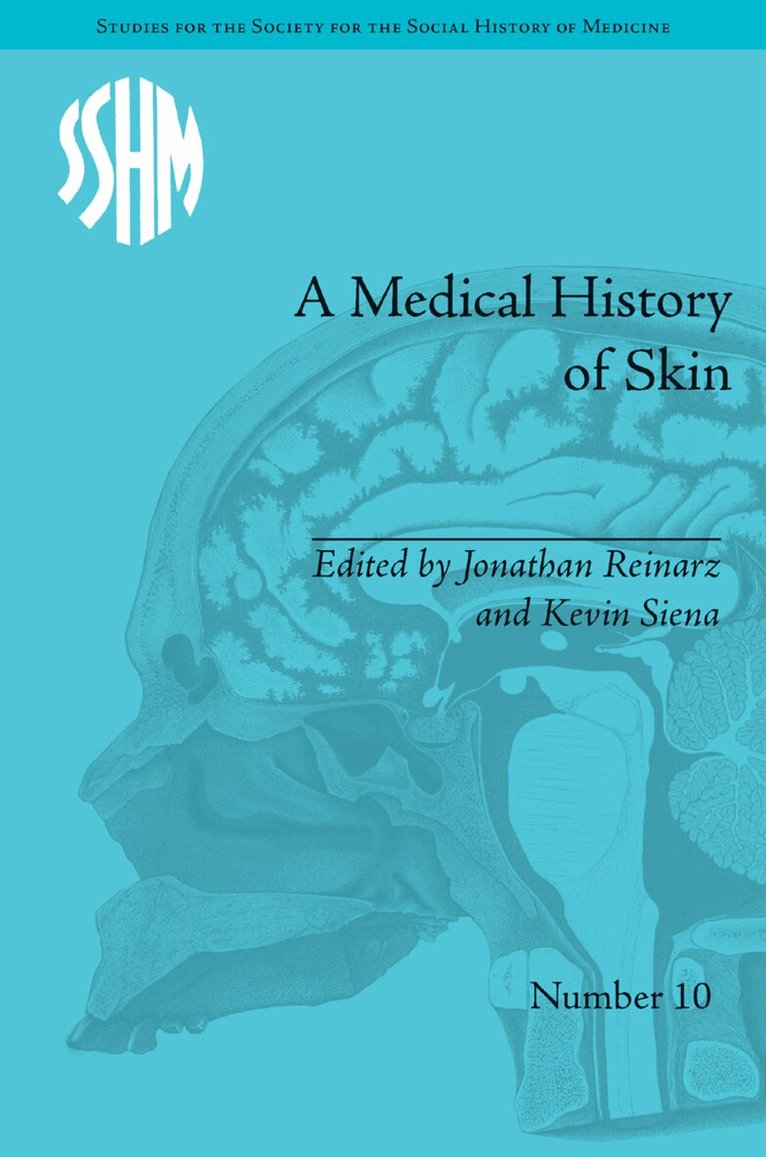
Jonathan Reinarz - Böcker
Visar alla böcker från författaren Jonathan Reinarz. Handla med fri frakt och snabb leverans.
11 produkter
11 produkter
284 kr
Skickas
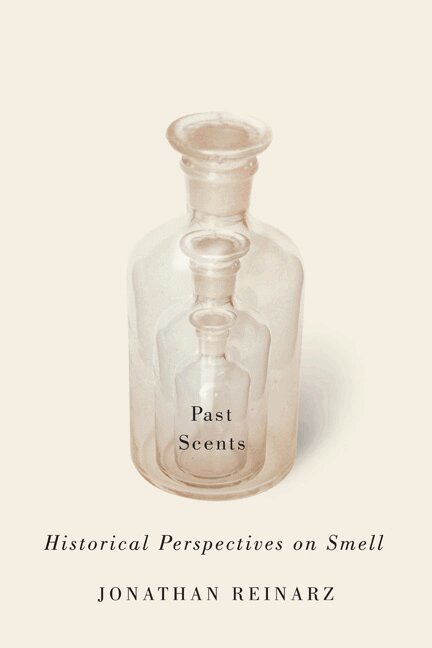
In this comprehensive and engaging volume, medical historian Jonathan Reinarz offers a historiography of smell from ancient to modern times. Synthesizing existing scholarship in the field, he shows how people have relied on their olfactory sense to understand and engage with both their immediate environments and wider corporal and spiritual worlds.This broad survey demonstrates how each community or commodity possesses, or has been thought to possess, its own peculiar scent. Through the meanings associated with smells, osmologies develop--what cultural anthropologists have termed the systems that utilize smells to classify people and objects in ways that define their relations to each other and their relative values within a particular culture. European Christians, for instance, relied on their noses to differentiate Christians from heathens, whites from people of color, women from men, virgins from harlots, artisans from aristocracy, and pollution from perfume.This reliance on smell was not limited to the global North. Around the world, Reinarz shows, people used scents to signify individual and group identity in a morally constructed universe where the good smelled pleasant and their opposites reeked.With chapters including "Heavenly Scents," "Fragrant Lucre," and "Odorous Others," Reinarz's timely survey is a useful and entertaining look at the history of one of our most important but least-understood senses.
1 199 kr
Skickas inom 7-10 vardagar
In this comprehensive and engaging volume, medical historian Jonathan Reinarz offers a historiography of smell from ancient to modern times. Synthesizing existing scholarship in the field, he shows how people have relied on their olfactory sense to understand and engage with both their immediate environments and wider corporal and spiritual worlds.This broad survey demonstrates how each community or commodity possesses, or has been thought to possess, its own peculiar scent. Through the meanings associated with smells, osmologies develop--what cultural anthropologists have termed the systems that utilize smells to classify people and objects in ways that define their relations to each other and their relative values within a particular culture. European Christians, for instance, relied on their noses to differentiate Christians from heathens, whites from people of color, women from men, virgins from harlots, artisans from aristocracy, and pollution from perfume.This reliance on smell was not limited to the global North. Around the world, Reinarz shows, people used scents to signify individual and group identity in a morally constructed universe where the good smelled pleasant and their opposites reeked.With chapters including "Heavenly Scents," "Fragrant Lucre," and "Odorous Others," Reinarz's timely survey is a useful and entertaining look at the history of one of our most important but least-understood senses.
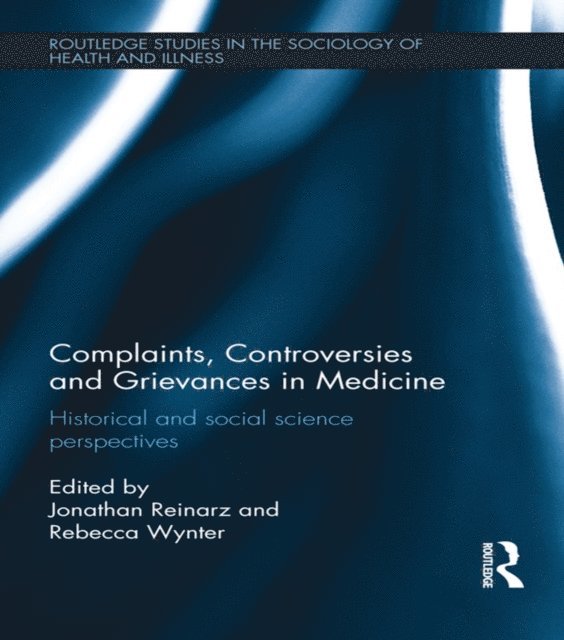
Complaints, Controversies and Grievances in Medicine
Historical and Social Science Perspectives
Häftad, Engelska, 2019
635 kr
Skickas inom 10-15 vardagar
Recent studies into the experiences and failures of health care services, along with the rapid development of patient advocacy, consumerism and pressure groups have led historians and social scientists to engage with the issue of the medical complaint. As expressions of dissatisfaction, disquiet and failings in service provision, past complaining is a vital antidote to progressive histories of health care. This book explores what has happened historically when medicine generated complaints.This multidisciplinary collection comprises contributions from leading international scholars and uses new research to develop a sophisticated understanding of the development of medicine and the role of complaints and complaining in this story. It addresses how each aspect of the medical complaint – between sciences, professions, practitioners and sectors; within politics, ethics and regulatory bodies; from interested parties and patients – has manifested in modern medicine, and how it has been defined, dealt with and resolved. A critical and interdisciplinary humanities and social science perspective grounded in historical case studies of medicine and bioethics, this volume provides the first major and comprehensive historical, comparative and policy-based examination of the area. It will be of interest to historians, sociologists, legal specialists and ethicists interested in medicine, as well as those involved in healthcare policy, practice and management.
Complaints, Controversies and Grievances in Medicine
Historical and Social Science Perspectives
Inbunden, Engelska, 2014
2 288 kr
Skickas inom 10-15 vardagar
Recent studies into the experiences and failures of health care services, along with the rapid development of patient advocacy, consumerism and pressure groups have led historians and social scientists to engage with the issue of the medical complaint. As expressions of dissatisfaction, disquiet and failings in service provision, past complaining is a vital antidote to progressive histories of health care. This book explores what has happened historically when medicine generated complaints.This multidisciplinary collection comprises contributions from leading international scholars and uses new research to develop a sophisticated understanding of the development of medicine and the role of complaints and complaining in this story. It addresses how each aspect of the medical complaint – between sciences, professions, practitioners and sectors; within politics, ethics and regulatory bodies; from interested parties and patients – has manifested in modern medicine, and how it has been defined, dealt with and resolved. A critical and interdisciplinary humanities and social science perspective grounded in historical case studies of medicine and bioethics, this volume provides the first major and comprehensive historical, comparative and policy-based examination of the area. It will be of interest to historians, sociologists, legal specialists and ethicists interested in medicine, as well as those involved in healthcare policy, practice and management.
326 kr
Skickas inom 5-8 vardagar
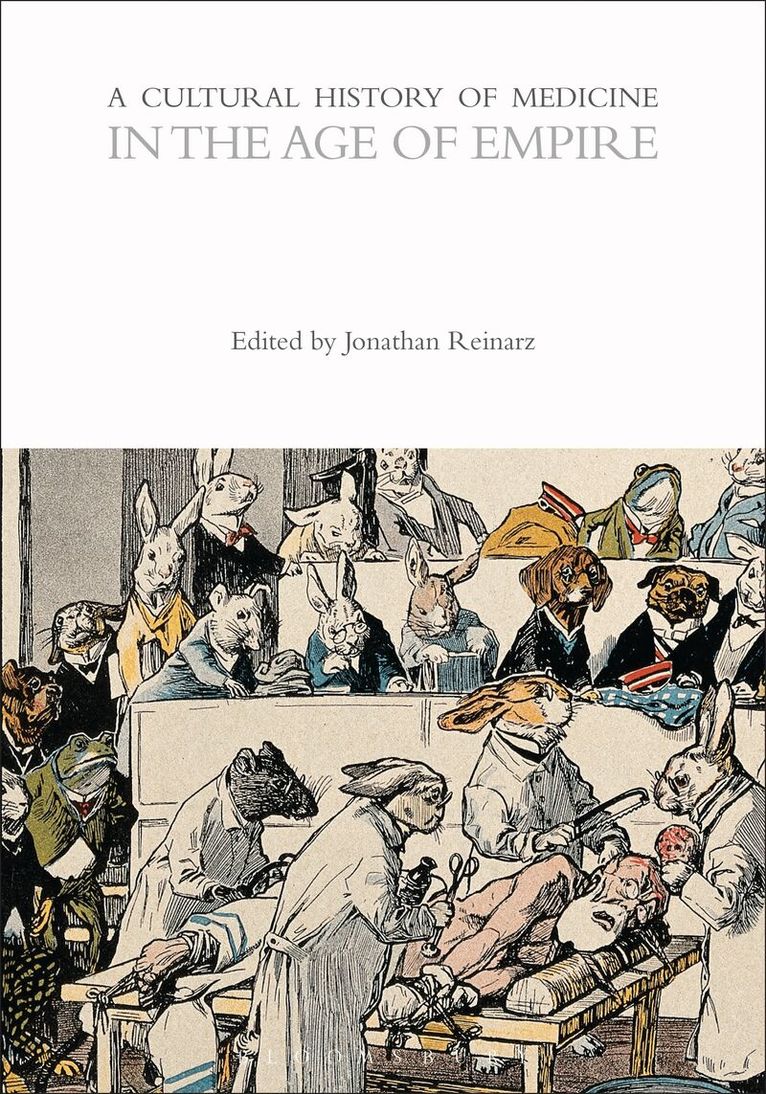
Historians describe the ‘long 19th century’ as an age of empire, characterized by expansion and industrialization. The period witnessed the evolution of Western medicine into something uniquely ‘modern’, rooted in the shift to industrial capitalism and encroachment of government monitoring to state health, as well as the colonial mindset that drove overseas travel and encounters with unfamiliar populations, climates and disease. More than ever before, food, drugs, people and sickness circumvented the globe, crossing borders and prompting enormous changes in the way people made sense of health and illness. Novel technologies, from vaccination to x-rays, and ways of organizing medicine and its delivery, increased the reach of medicine and augmented the power of the state and colonizers. Equally, the new medicine answered governments’ growing recognition that health had acquired cultural value and meaning for their domestic populations. Spanning the period from 1800 to 1920, this volume surveys the spatial, experiential, visual and material cultures that shaped authority, mind and body, disease theories and the growing integration of human and animal health. These essays focus on the centrality of the state and hospitals, the growing importance of controlled laboratory experimentation, statistical methods, medical specialization, as well as the impact of war and peace on sick and injured bodies marked by notions of gender, race and class. While documenting the rise of new medical paradigms, this volume also charts the ways in which patients and populations have mediated, contested and shaped medical encounters, as well as the meanings of health and illness. Together these chapters map the contours of recent trends and trajectories in the cultural history of medicine and set an agenda for the self-reflexive critique of medicine’s past in the future.
1 090 kr
Skickas inom 7-10 vardagar
Historians describe the ‘long 19th century’ as an age of empire, characterized by expansion and industrialization. The period witnessed the evolution of Western medicine into something uniquely ‘modern’, rooted in the shift to industrial capitalism and encroachment of government monitoring to state health, as well as the colonial mindset that drove overseas travel and encounters with unfamiliar populations, climates and disease. More than ever before, food, drugs, people and sickness circumvented the globe, crossing borders and prompting enormous changes in the way people made sense of health and illness. Novel technologies, from vaccination to x-rays, and ways of organizing medicine and its delivery, increased the reach of medicine and augmented the power of the state and colonizers. Equally, the new medicine answered governments’ growing recognition that health had acquired cultural value and meaning for their domestic populations. Spanning the period from 1800 to 1920, this volume surveys the spatial, experiential, visual and material cultures that shaped authority, mind and body, disease theories and the growing integration of human and animal health. These essays focus on the centrality of the state and hospitals, the growing importance of controlled laboratory experimentation, statistical methods, medical specialization, as well as the impact of war and peace on sick and injured bodies marked by notions of gender, race and class. While documenting the rise of new medical paradigms, this volume also charts the ways in which patients and populations have mediated, contested and shaped medical encounters, as well as the meanings of health and illness. Together these chapters map the contours of recent trends and trajectories in the cultural history of medicine and set an agenda for the self-reflexive critique of medicine’s past in the future.
1 212 kr
Skickas inom 10-15 vardagar
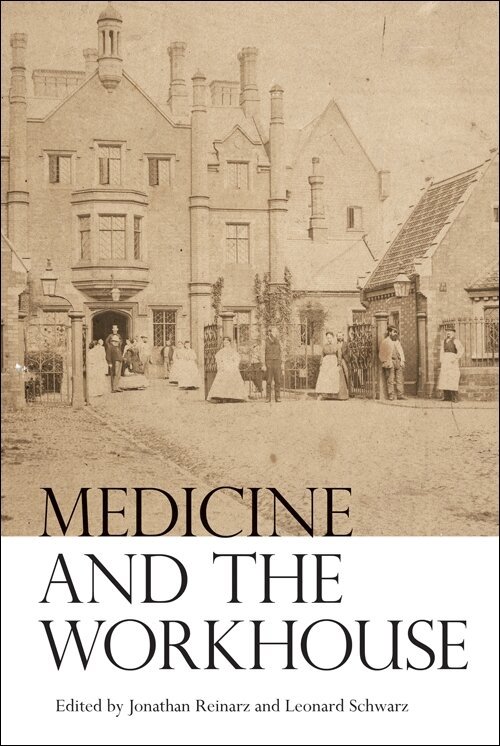
This is the first book to examine the history of the medical services provided by workhouses, both in Britain and its former colonies, during the eighteenth and nineteenth centuries.Throughout the eighteenth and nineteenth centuries workhouses were a key provider of medical care to the poor. Workhouse beds in Britain far outnumbered beds provided by charitable hospitals, and a high percentage of inmates wereelderly and infirm, needing not only accommodation and work but also medical relief.Historians of welfare, the English poor laws, and medicine have been aware of the importance of workhouse-based medicine, but the topic hasnot been studied in depth. This volume is the first to examine the history of the medical services provided by these institutions both in Britain and its former colonies, over the period covered by the Old and New Poor Laws. Written by prominent historians of medicine, welfare, and social policy, the essays document the experiences of those who received care or died in these houses, and form the critical foundation for a new historiography of workhouse medicine.Contributors: Jeremy Boulton, Virginia Crossman, Romola Davenport, Steven King, Angela Negrine, Susannah Ottaway, Rita Pemberton, Jonathan Reinarz, Alistair Ritch, Leonard Schwarz, Samantha Shave, Kevin Siena, Leonard Smith, Alannah Tomkins.Jonathan Reinarz is director of the History of Medicine Unit at the University of Birmingham, UK. He has published extensively on the history of English medical institutions, 1750-1950. Leonard Schwarz has recently retired as a reader in Urban History at the University of Birmingham, where he founded the Birmingham Eighteenth Century Centre.
813 kr
Tillfälligt slut
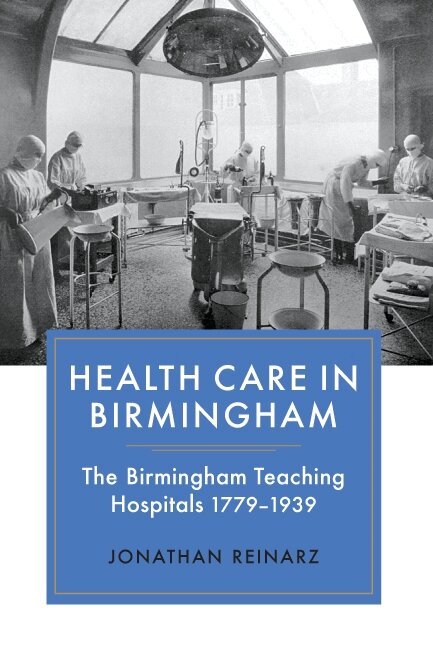
A history of the wide range of general and specialist hospitals associated with the University of Birmingham Medical School, set in the broader context of health care in Birmingham.In the middle of the eighteenth century, hospitals were unfamiliar institutions to the inhabitants of most English towns and cities. As early as the late nineteenth century, however, hospitals had become central to both the provision of health care and medical education in most large urban population centres. Drawing on hospital records, the publications of associated medical staff and a wealth of other local documents, Health Care in Birmingham carefully maps the evolution of nine voluntary hospitals, and their associated medical specialities in Birmingham, England over the century and a half before the introduction of the National Health Service, a period that witnessed significant social, economic and cultural change. From the emergence of the town's first General Hospital in 1779, the wealth of this key industrial centre in particular encouraged the development of a full range of medical institutions, including those established to treat afflictions of the bones and joints, eye, ear, teeth and skin, as well as ailments peculiar to women and children. Besides charting the local development of a wide range of specialist fields, Health Care in Birmingham firmly situates each hospital in its local and national contexts. Though greatly reorganised on the eve of the Second World War, these institutions influenced considerably the history and landscape of the city, and continue to do so today. This is the first time their history has been considered collectively in a single volume.Jonathan Reinarz is Director of the Centre for the History of Medicine at the University of Birmingham.
24 784 kr
Skickas inom 10-15 vardagar
Contains the first ten books from the series.
1 289 kr
Skickas inom 5-8 vardagar
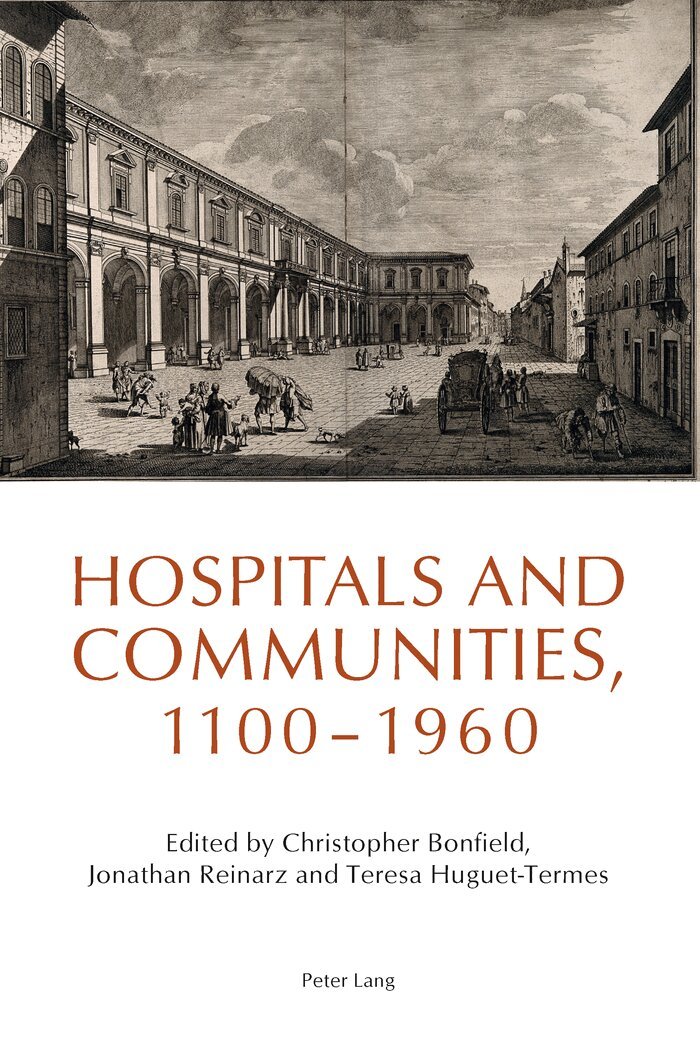
Published by Peter Lang in 2007, The Impact of Hospitals 300-2000 (ed. Henderson, Horden and Pastore) comprised a selection of the papers delivered at two conferences (in 1999 and 2001) that were organised by the International Network for the History of Hospitals (INHH). The present volume, based on the Network’s 2009 Barcelona conference, offers a new, wide-ranging collection of papers on the theme of ‘Hospitals and Communities’. It discusses a select group of hospitals and communities, including those based in Europe and the Americas, from three main perspectives: isolation and disease, communities and the poor, and war and hospitals.The subject of community has been researched extensively by sociologists and anthropologists, less so by historians. The 2009 conference challenged participants to consider the idea of community in relationship to the hospital and, particularly, to reflect on how historians should approach the wide range of communities that continue to be shaped by the work of these institutions. Collectively, the case studies in this volume demonstrate that navigation of the history of hospitals requires an understanding of the societies in which these institutions operated. In other words, hospital histories are not just stories about medical institutions; they offer considerable insight into the communities in which they were situated and with which they intersected.
Del 86 - Clio Medica
Permeable Walls
Historical Perspectives on Hospital and Asylum Visiting
Inbunden, Engelska, 2009
1 866 kr
Skickas inom 5-8 vardagar
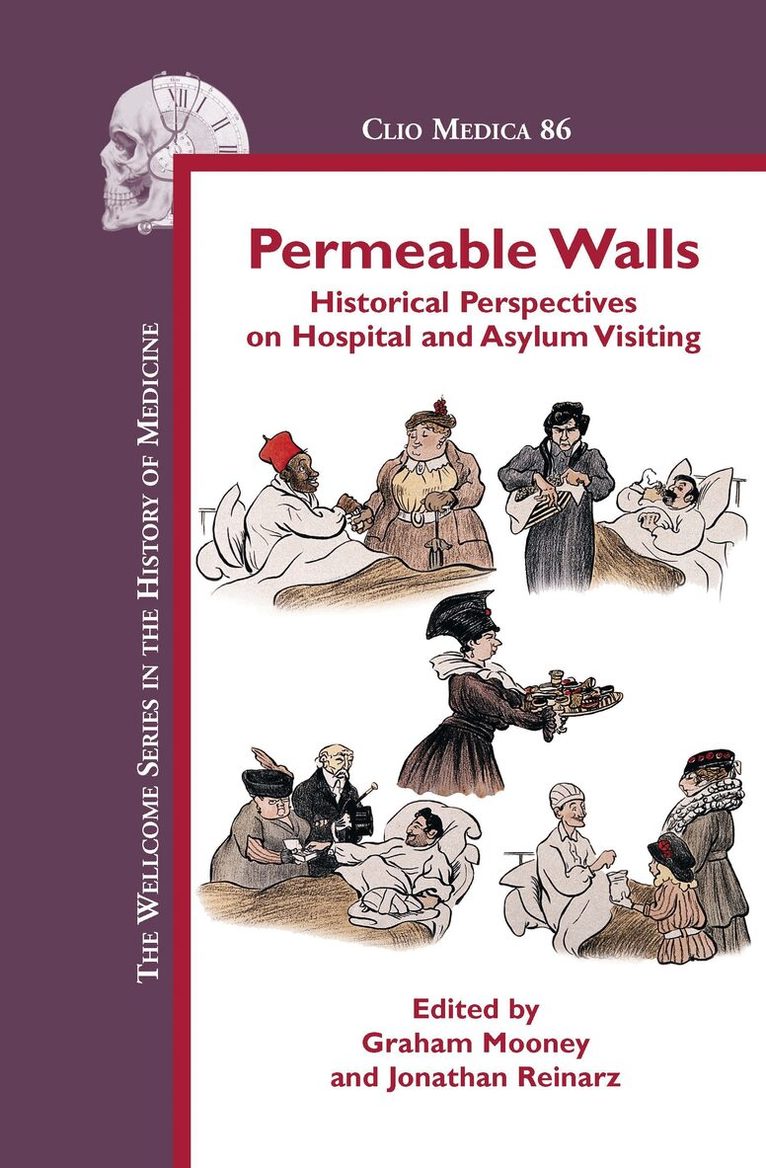
Visiting relatives and friends in medical institutions is a common practice in all corners of the world. People probably go into hospitals as a visitor more frequently than they do as a patient. Permeable Walls is the first book devoted to the history of hospital and asylum visiting and deflects attention from medical history’s more traditionally studied constituencies, patients and doctors.Covering the eighteenth to the late twentieth centuries, and taking case studies from around the globe, the authors demonstrate that hospitals and asylums could be remarkably permeable institutions. However, policies towards visitors have varied from outright exclusion, as in the case of some isolation hospitals in Victorian Britain, to near open access in the first Chinese missionary hospitals. Historical studies of visitors and visiting, as a result, tell us much about the changing relationship between healthcare institutions and the communities they serve. These histories are particularly relevant at a time when service providers seek ways to involve patients’ representatives in healthcare decision making; to control hospital super-bugs; and to make the hospital environment accessible yet safe and secure. With the re-emergence of restricted visiting, the subject remains one of the most emotive topics in the history of institutional medicine.Adopting a wide-ranging definition of visitors, from official inquirers to family members, Permeable Walls provides an innovative perspective on hospitals and asylums historically and will interest historians of medicine, charity and governance, as well as healthcare policy-makers.