Jonathan Shapiro Anjaria - Böcker
Visar alla böcker från författaren Jonathan Shapiro Anjaria. Handla med fri frakt och snabb leverans.
6 produkter
6 produkter
504 kr
Skickas inom 7-10 vardagar
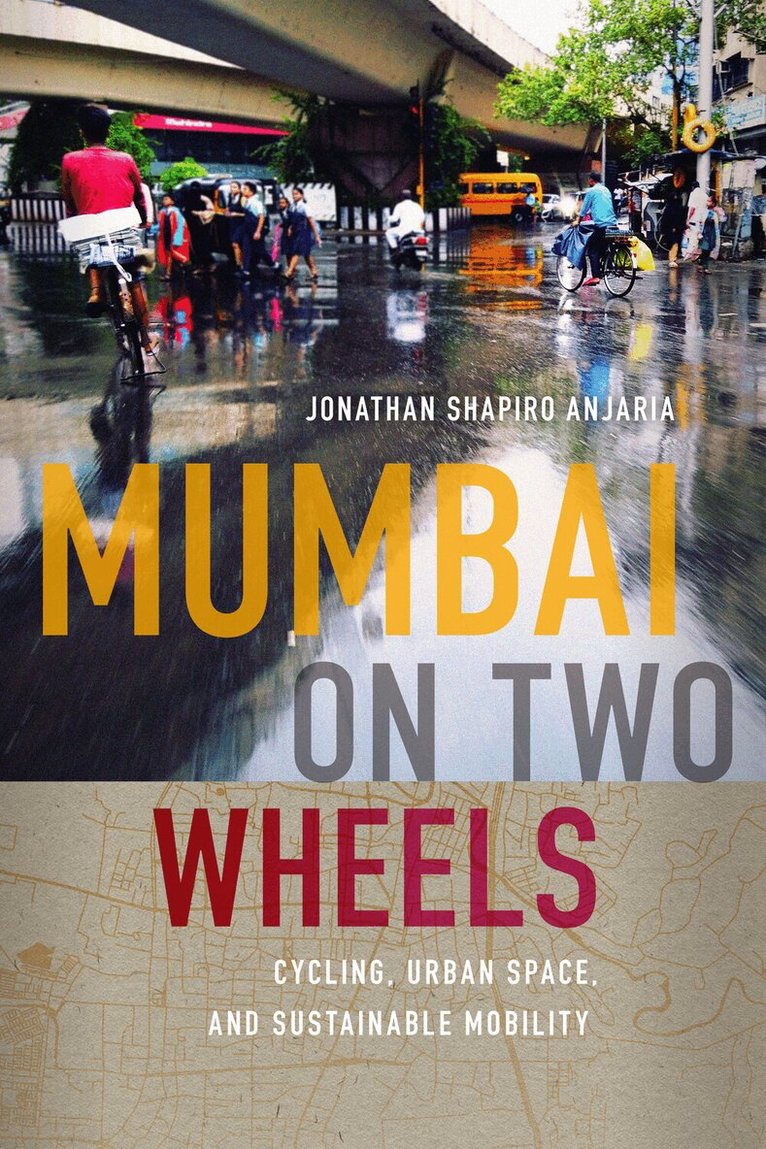
Cyclists from India reimagine transportation infrastructure for allMumbai is not commonly seen as a bike-friendly city because of its dense traffic and the absence of bicycle lanes. Yet the city supports rapidly expanding and eclectic bicycle communities. Exploring how people bike and what biking means in the city, Jonathan Shapiro Anjaria challenges assumptions that underlie sustainable transportation planning. Arguing that planning professionals and advocates need to pay closer attention to ordinary people who cycle for transportation or for work, or who choose to cycle for recreation, Mumbai on Two Wheels offers an alternative to the thinking that dominates mainstream sustainable transportation discussions. The book’s insights come from bicycle activists, commuters, food delivery workers, event organizers, planners, technicians, shop owners, and architects. Through ethnographic vignettes and descriptions of diverse biking experiences, it shows how pedaling through the city produces a way of seeing and understanding infrastructure. Readers will come away with a new perspective on what makes a city bicycle friendly and an awareness that lessons for a more equitable and sustainable urban future can be found in surprising places.
1 689 kr
Skickas inom 3-6 vardagar
Cyclists from India reimagine transportation infrastructure for allMumbai is not commonly seen as a bike-friendly city because of its dense traffic and the absence of bicycle lanes. Yet the city supports rapidly expanding and eclectic bicycle communities. Exploring how people bike and what biking means in the city, Jonathan Shapiro Anjaria challenges assumptions that underlie sustainable transportation planning. Arguing that planning professionals and advocates need to pay closer attention to ordinary people who cycle for transportation or for work, or who choose to cycle for recreation, Mumbai on Two Wheels offers an alternative to the thinking that dominates mainstream sustainable transportation discussions. The book’s insights come from bicycle activists, commuters, food delivery workers, event organizers, planners, technicians, shop owners, and architects. Through ethnographic vignettes and descriptions of diverse biking experiences, it shows how pedaling through the city produces a way of seeing and understanding infrastructure. Readers will come away with a new perspective on what makes a city bicycle friendly and an awareness that lessons for a more equitable and sustainable urban future can be found in surprising places.
2 098 kr
Skickas inom 10-15 vardagar
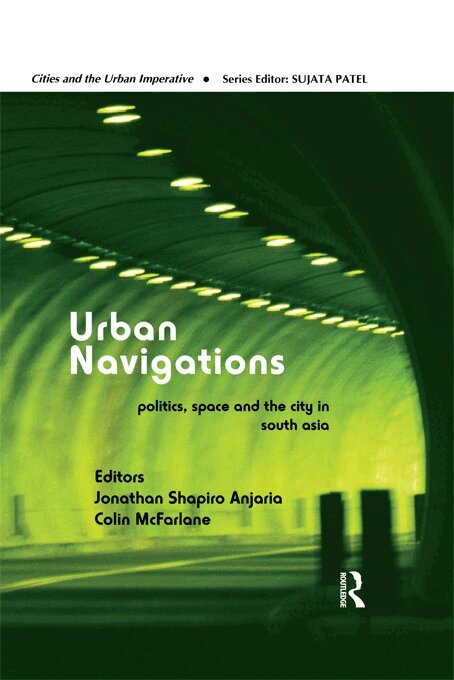
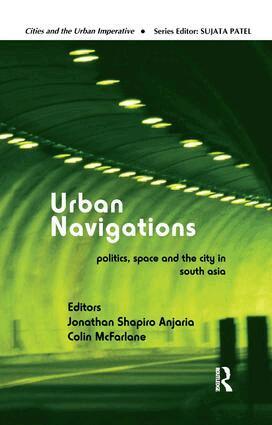
This book provides an important account of how the city in South Asia is produced, lived and contested. It examines the diverse lived experiences of urban South Asia through a focus on contestations over urban space, resources and habitation, bringing together accounts from India, Pakistan, Nepal and Sri Lanka. In contrast to accounts that attribute urban transformation mainly to neoliberal globalisation, this book vividly demonstrates how neoliberalism functions as one of the many drivers of urban change. This edited volume brings together an interdisciplinary and international range of established and emerging scholars working on the city in South Asia. To date, South Asian urban studies privilege a handful of cities, particularly in India, overlooking the great diversity, as well as commonalities, of urban experiences spanning the region. Thus, in addition to chapters on New Delhi, Mumbai and Bangalore, this volume contains critical urban chapters on less-studied cities such as Lahore, Islamabad, Kathmandu, Colombo and Dhaka. The volume insists that a fresh look at contemporary changes in cities in South Asia requires careful consideration of the specificity of the city, as well as a comparative perspective. It provides a sense not only of the new forms of urbanism emerging in contemporary South Asia, but also sheds light on new theoretical possibilities and directions to make sense of transnational processes and urban change.
1 170 kr
Skickas inom 7-10 vardagar
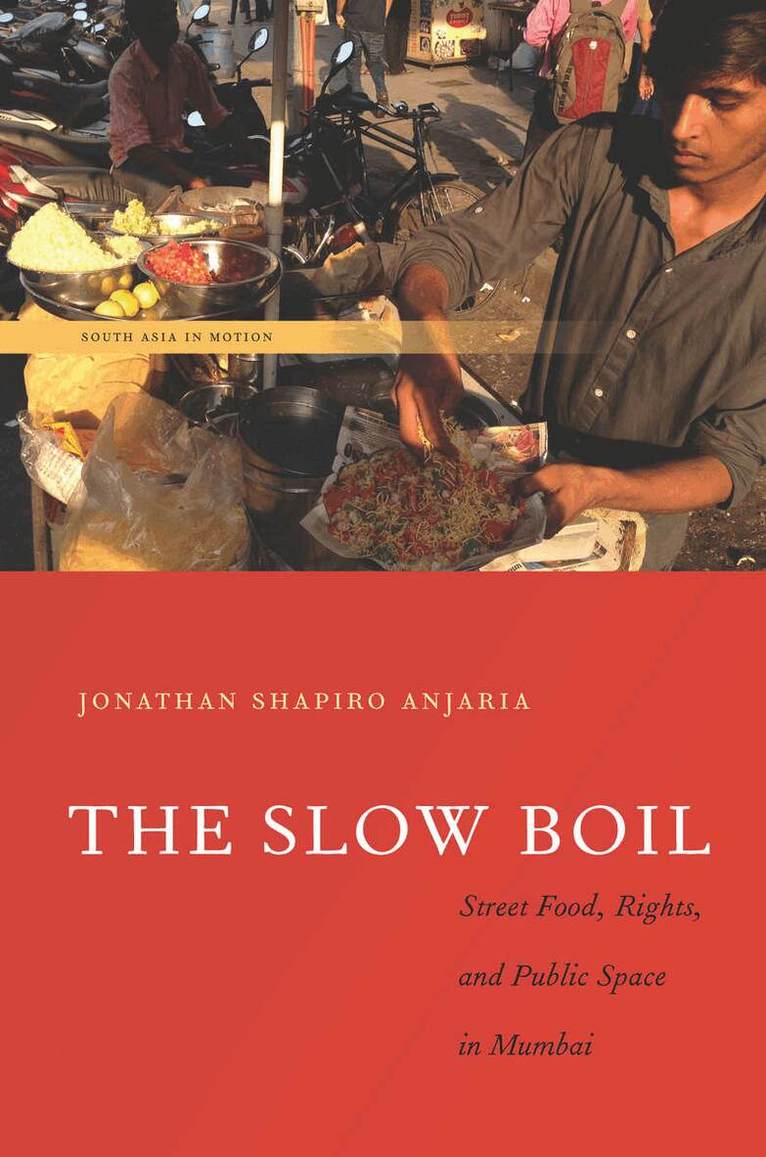
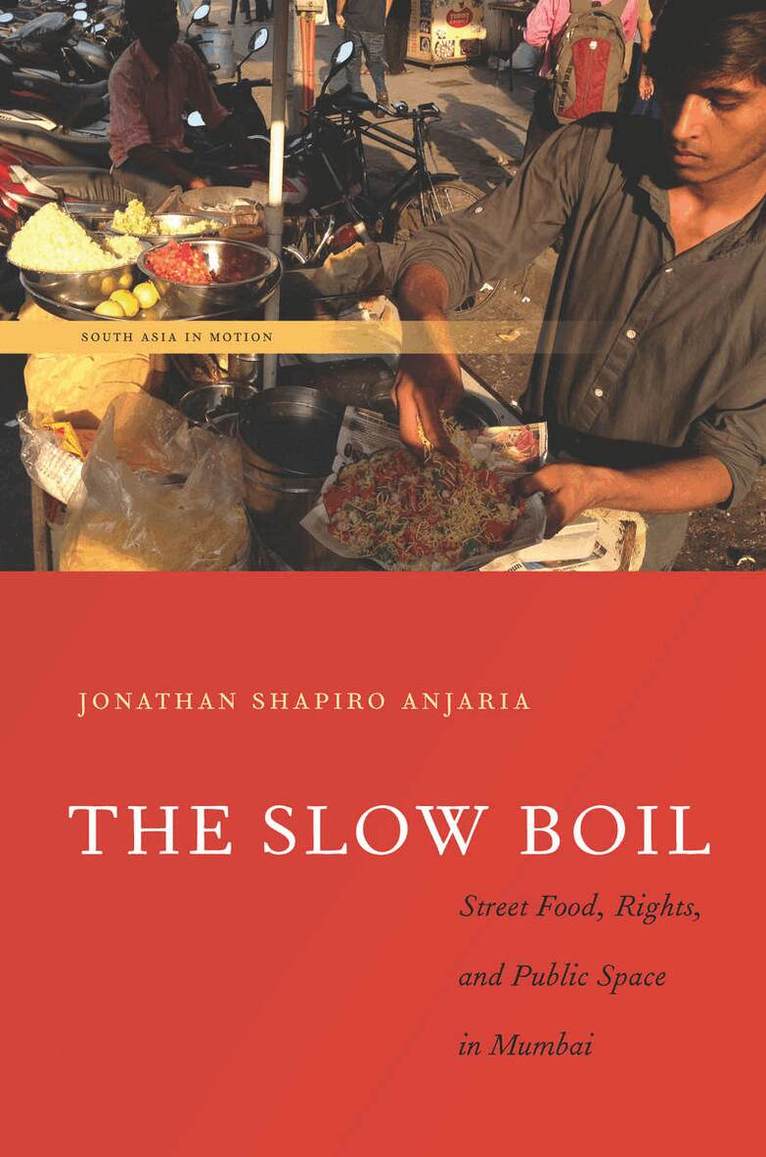
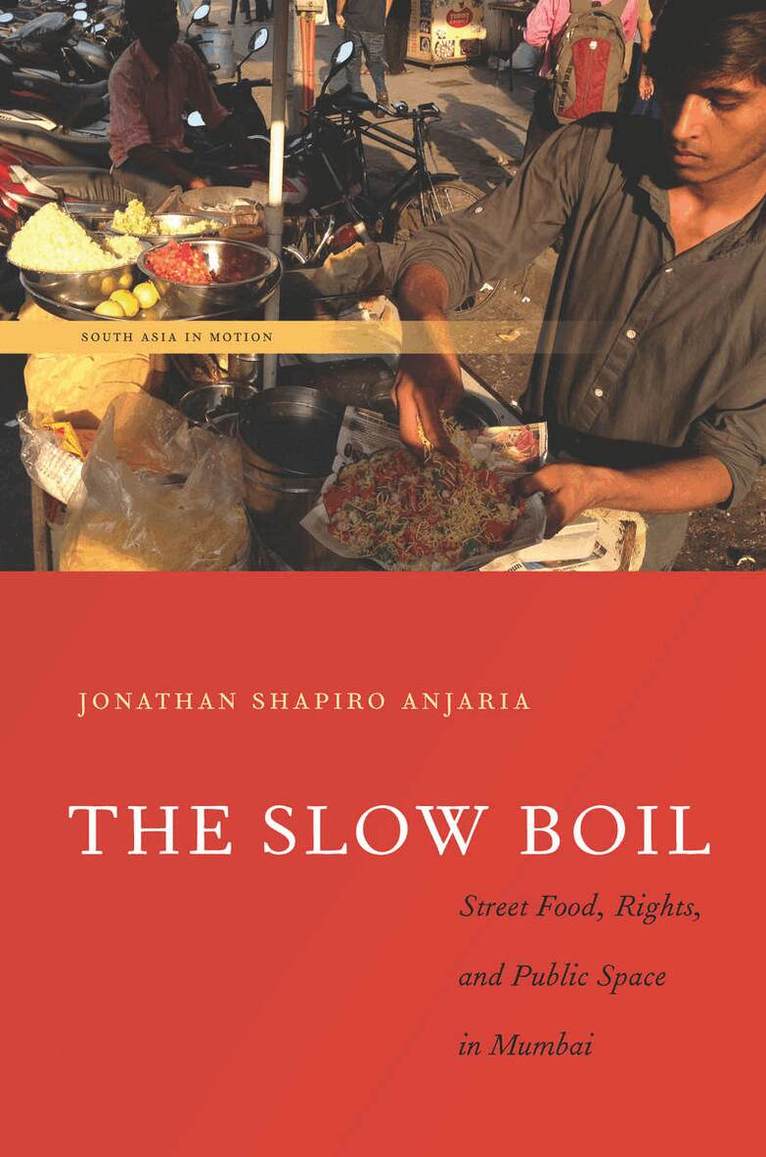
Street food vendors are both a symbol and a scourge of Mumbai: cheap roadside snacks are enjoyed by all, but the people who make them dance on a razor's edge of legality. While neighborhood associations want the vendors off cluttered sidewalks, many Mumbaikers appreciate the convenient bargains they offer. In The Slow Boil, Jonathan Shapiro Anjaria draws on his long-term fieldwork with these vendors to make sense of the paradoxes within the city and, thus, to create a better understanding of urban space in general.Much urban studies literature paints street vendors either as oppressed and marginalized victims or as inventive premoderns. In contrast, Anjaria acknowledges that diverse political, economic, historic, and symbolic processes create contradictions in the vendors' everday lives, like their illegality and proximity to the state, and their insecurity and permanence. Mumbai's disorderly sidewalks reflect the simmering tensions over livelihood, democracy, and rights that are central to the city but have long been overlooked. In The Slow Boil, these issues are not subsumed into a larger framework, but are explored on their own terms.
284 kr
Skickas inom 7-10 vardagar
Street food vendors are both a symbol and a scourge of Mumbai: cheap roadside snacks are enjoyed by all, but the people who make them dance on a razor's edge of legality. While neighborhood associations want the vendors off cluttered sidewalks, many Mumbaikers appreciate the convenient bargains they offer. In The Slow Boil, Jonathan Shapiro Anjaria draws on his long-term fieldwork with these vendors to make sense of the paradoxes within the city and, thus, to create a better understanding of urban space in general.Much urban studies literature paints street vendors either as oppressed and marginalized victims or as inventive premoderns. In contrast, Anjaria acknowledges that diverse political, economic, historic, and symbolic processes create contradictions in the vendors' everday lives, like their illegality and proximity to the state, and their insecurity and permanence. Mumbai's disorderly sidewalks reflect the simmering tensions over livelihood, democracy, and rights that are central to the city but have long been overlooked. In The Slow Boil, these issues are not subsumed into a larger framework, but are explored on their own terms.
810 kr
Skickas inom 10-15 vardagar
This book provides an important account of how the city in South Asia is produced, lived and contested. It examines the diverse lived experiences of urban South Asia through a focus on contestations over urban space, resources and habitation, bringing together accounts from India, Pakistan, Nepal and Sri Lanka. In contrast to accounts that attribute urban transformation mainly to neoliberal globalisation, this book vividly demonstrates how neoliberalism functions as one of the many drivers of urban change. This edited volume brings together an interdisciplinary and international range of established and emerging scholars working on the city in South Asia. To date, South Asian urban studies privilege a handful of cities, particularly in India, overlooking the great diversity, as well as commonalities, of urban experiences spanning the region. Thus, in addition to chapters on New Delhi, Mumbai and Bangalore, this volume contains critical urban chapters on less-studied cities such as Lahore, Islamabad, Kathmandu, Colombo and Dhaka. The volume insists that a fresh look at contemporary changes in cities in South Asia requires careful consideration of the specificity of the city, as well as a comparative perspective. It provides a sense not only of the new forms of urbanism emerging in contemporary South Asia, but also sheds light on new theoretical possibilities and directions to make sense of transnational processes and urban change.