Jordan Osserman – författare
Visar alla böcker från författaren Jordan Osserman. Handla med fri frakt och snabb leverans.
4 produkter
4 produkter
243 kr
Kommande
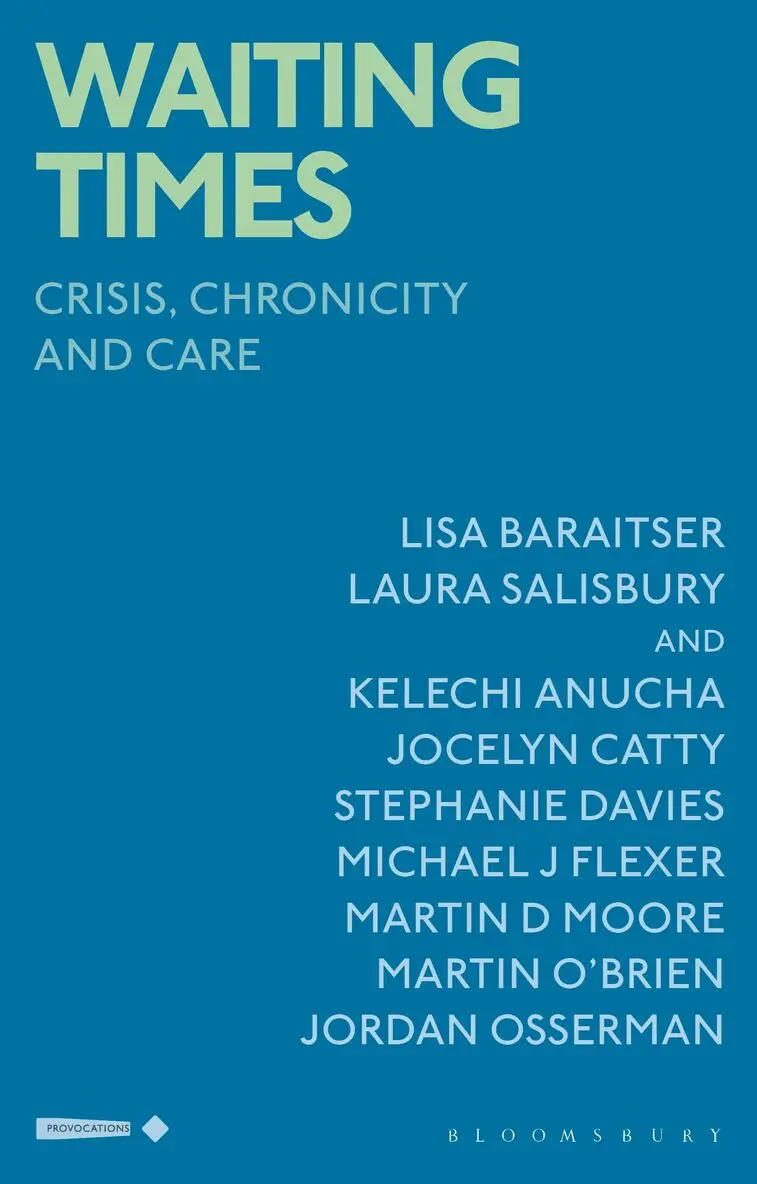
This open access book investigates waiting as one of healthcare’s core experiences. Waiting is there in the time it takes to access services; the uncertain temporalities of diagnosis and treatment; and in the elongated time-frames of recovery, relapse, remission, and dying. Yet it can be felt to be intolerable when we are in need of care and when we want to offer timely care. This book investigates both the difficulties and vital significance of waiting in and for practices of care.Waiting times in many health services across the Global North have been at historic levels since the Covid-19 pandemic. Although this crisis of waiting is culturally and historically specific, Covid-19 made visible broader questions about the relationship between waiting, time, and care, and the fate of welfare infrastructures. Who waits for (and on) whom? If all care entails forms of elongated time, what waiting do we want to eliminate, and what waiting needs to be noticed, supported, and preserved as an offer and practice of care? This book takes the UK National Health Service (NHS) as a particular site of collective waiting and caring. The authors argue that care is not straightforwardly aligned with the time of production, progress, or growth, but is bound instead to the chronicity of practices that sustain interdependence: pausing to assess what is needed, staying alongside suffering, and returning to sites of vulnerability. Cutting across the marketization, provision rationalization, ideas of crisis, and the linear models of time that can dominate health and welfare policies, this book reckons with care’s essential ‘untimeliness’. By moving away from the idea that waiting is merely a form of service failure or abandonment, the authors trace out a more complex understanding of how ‘timely’ care might be offered, made, and sustained. The ebook editions of this book are available open access under a CC BY-NC-ND 4.0 licence on bloomsburycollections.com. Open access was funded by The Wellcome Trust.
771 kr
Kommande
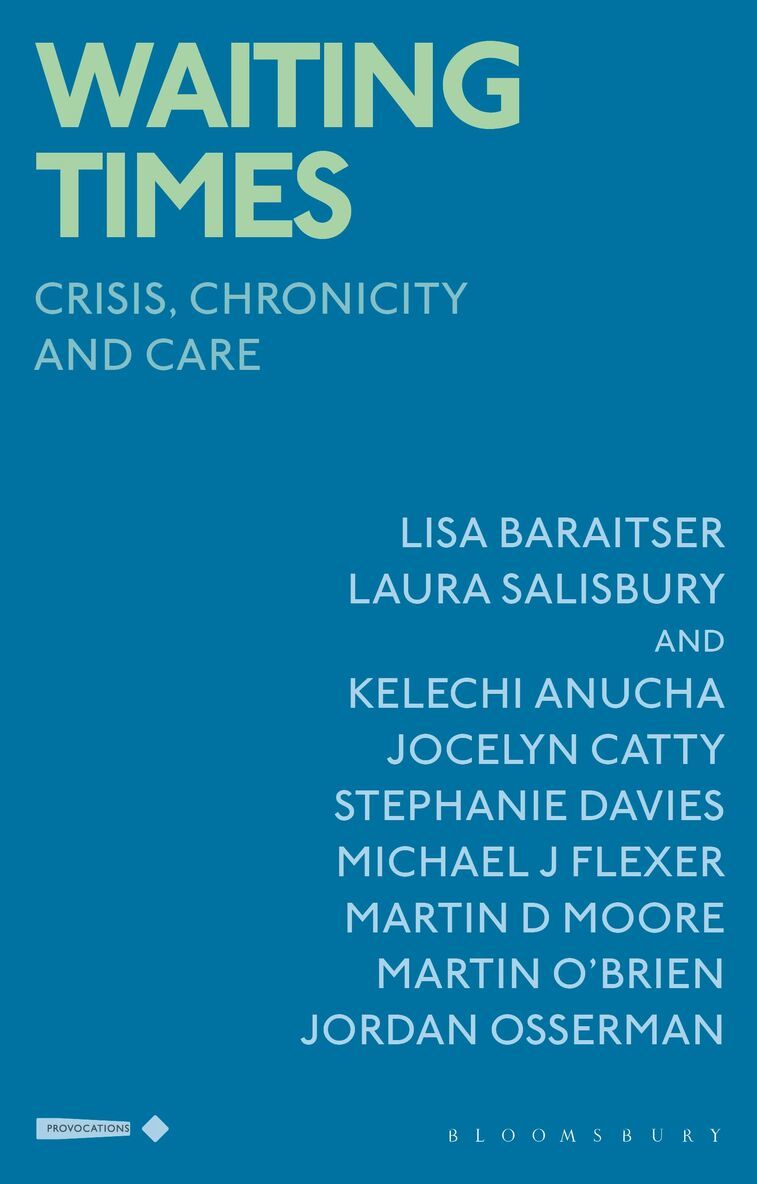
This open access book investigates waiting as one of healthcare’s core experiences. Waiting is there in the time it takes to access services; the uncertain temporalities of diagnosis and treatment; and in the elongated time-frames of recovery, relapse, remission, and dying. Yet it can be felt to be intolerable when we are in need of care and when we want to offer timely care. This book investigates both the difficulties and vital significance of waiting in and for practices of care.Waiting times in many health services across the Global North have been at historic levels since the Covid-19 pandemic. Although this crisis of waiting is culturally and historically specific, Covid-19 made visible broader questions about the relationship between waiting, time, and care, and the fate of welfare infrastructures. Who waits for (and on) whom? If all care entails forms of elongated time, what waiting do we want to eliminate, and what waiting needs to be noticed, supported, and preserved as an offer and practice of care? This book takes the UK National Health Service (NHS) as a particular site of collective waiting and caring. The authors argue that care is not straightforwardly aligned with the time of production, progress, or growth, but is bound instead to the chronicity of practices that sustain interdependence: pausing to assess what is needed, staying alongside suffering, and returning to sites of vulnerability. Cutting across the marketization, provision rationalization, ideas of crisis, and the linear models of time that can dominate health and welfare policies, this book reckons with care’s essential ‘untimeliness’. By moving away from the idea that waiting is merely a form of service failure or abandonment, the authors trace out a more complex understanding of how ‘timely’ care might be offered, made, and sustained. The ebook editions of this book are available open access under a CC BY-NC-ND 4.0 licence on bloomsburycollections.com. Open access was funded by The Wellcome Trust.
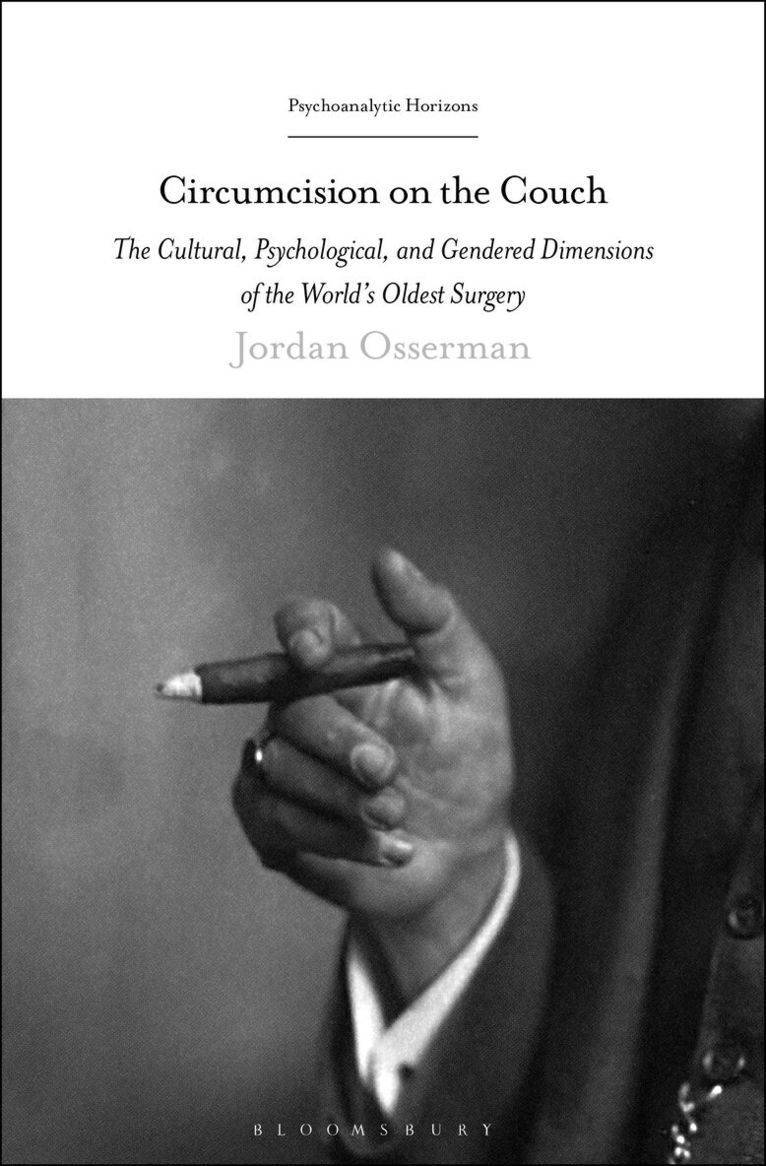
Circumcision on the Couch
The Cultural, Psychological, and Gendered Dimensions of the World's Oldest Surgery
Inbunden, Engelska, 2022
1 554 kr
Skickas inom 10-15 vardagar
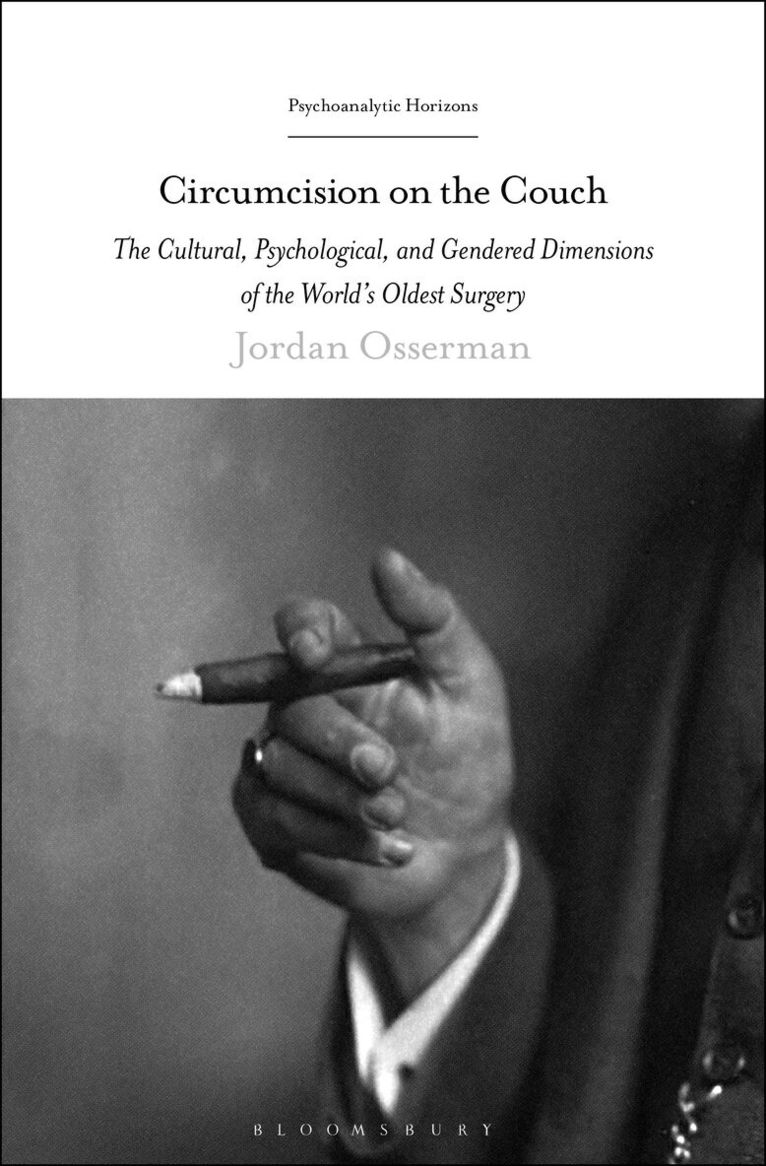
An Independent Book of the MonthPenises, and the things people do with them, have been subjects of controversy for a long time. This book examines how one thing that some people do to penises—remove the foreskin—has become a site upon which vital questions of gender, race, religion, sexuality, and psychic life are negotiated. While most contemporary work on the subject is concerned with whether circumcision is right or wrong, safe or harmful, Circumcision on the Couch takes as its starting point that the significance of male circumcision exceeds anatomical and juridical considerations.Deploying a feminist Lacanian framework, while drawing from a wide range of archival sources and critical thought, Jordan Osserman asks: How can psychoanalysis help us shed light on the ideologies, discourses, and fantasies surrounding circumcision and the impassioned stances for and against it? And how might the history of circumcision, in turn, allow us to re-assess and clarify how we understand the split (or “snipped”) subject of psychoanalysis?
Circumcision on the Couch
The Cultural, Psychological, and Gendered Dimensions of the World's Oldest Surgery
Häftad, Engelska, 2023
472 kr
Skickas inom 10-15 vardagar
An Independent Book of the MonthPenises, and the things people do with them, have been subjects of controversy for a long time. This book examines how one thing that some people do to penises—remove the foreskin—has become a site upon which vital questions of gender, race, religion, sexuality, and psychic life are negotiated. While most contemporary work on the subject is concerned with whether circumcision is right or wrong, safe or harmful, Circumcision on the Couch takes as its starting point that the significance of male circumcision exceeds anatomical and juridical considerations.Deploying a feminist Lacanian framework, while drawing from a wide range of archival sources and critical thought, Jordan Osserman asks: How can psychoanalysis help us shed light on the ideologies, discourses, and fantasies surrounding circumcision and the impassioned stances for and against it? And how might the history of circumcision, in turn, allow us to re-assess and clarify how we understand the split (or “snipped”) subject of psychoanalysis?