Jordan Stanger-Ross – författare
Visar alla böcker från författaren Jordan Stanger-Ross. Handla med fri frakt och snabb leverans.
9 produkter
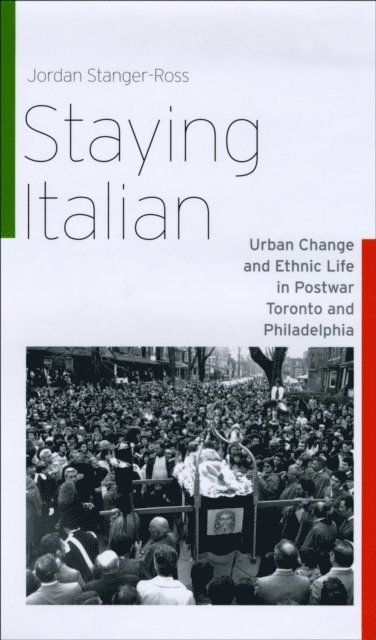
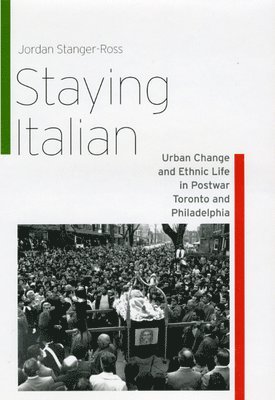
Staying Italian
Urban Change and Ethnic Life in Postwar Toronto and Philadelphia
E-bok, 2010
956 kr
Lägg i varukorg
Despite their twin positions as two of North America’s most iconic Italian neighborhoods, South Philly and Toronto’s Little Italy have functioned in dramatically different ways since World War II. Inviting readers into the churches, homes, and businesses at the heart of these communities, Staying …
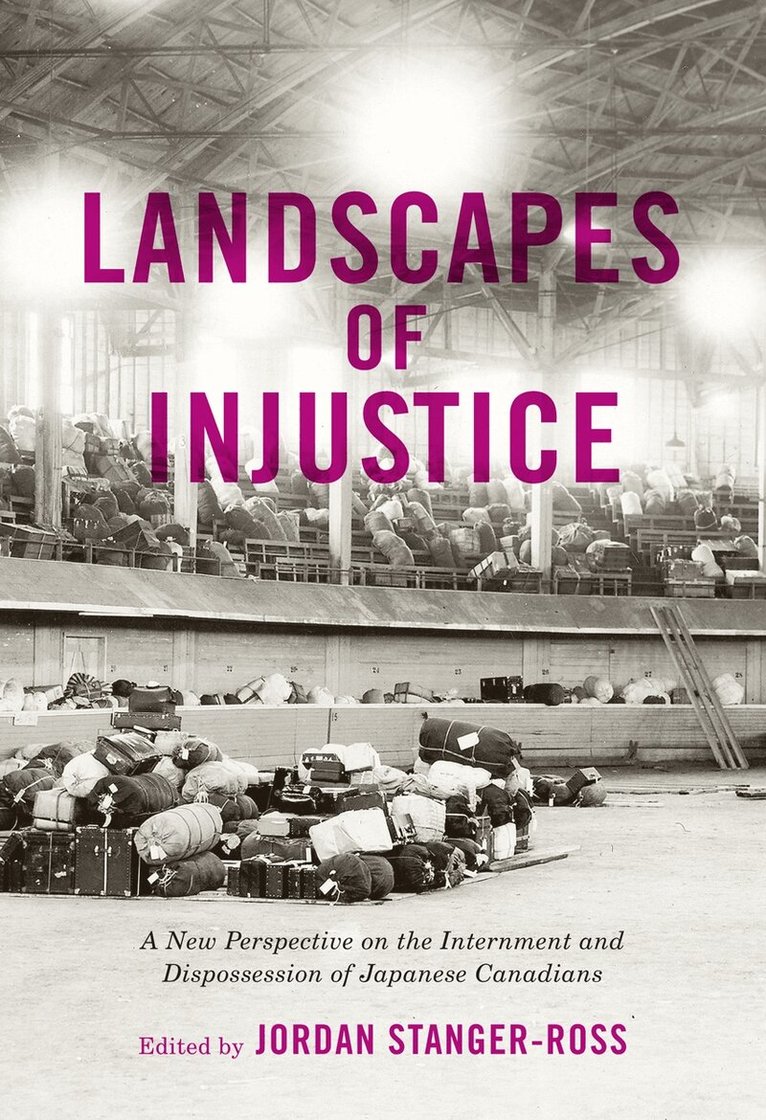
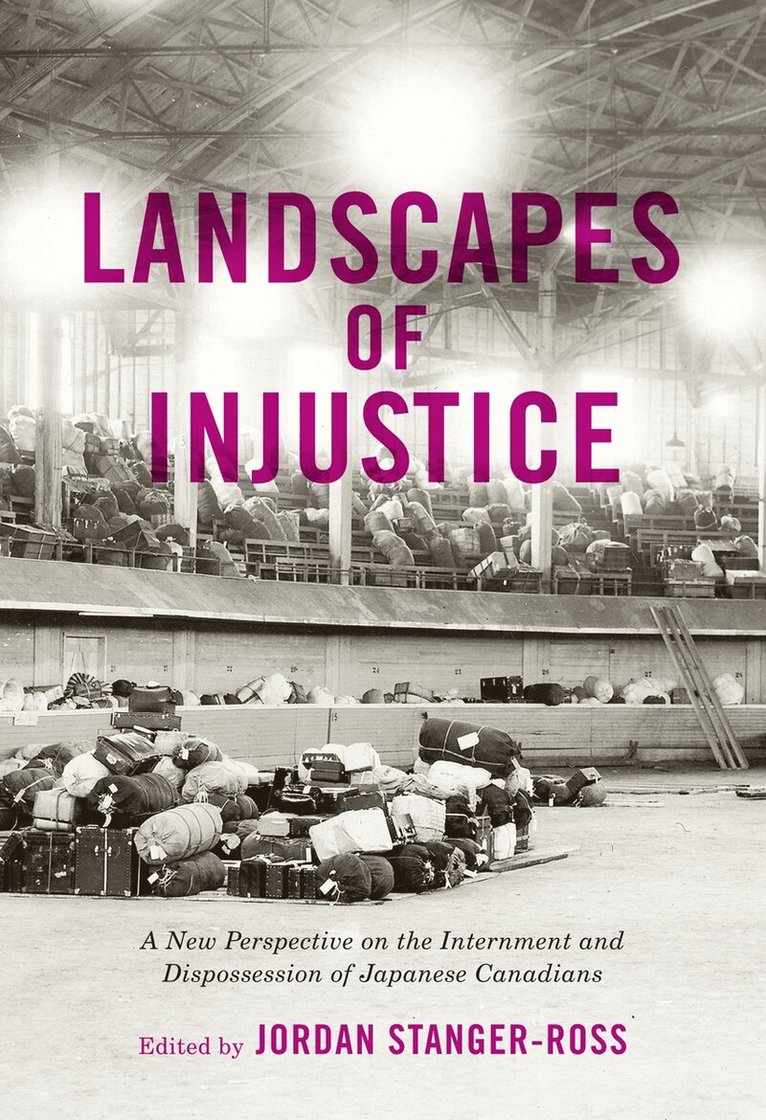
Landscapes of Injustice
A New Perspective on the Internment and Dispossession of Japanese Canadians
Häftad, 2020
515 kr
Lägg i varukorg
In 1942, the Canadian government forced more than 21,000 Japanese Canadians from their homes in British Columbia. They were told to bring only one suitcase each and officials vowed to protect the rest. Instead, Japanese Canadians were dispossessed, all their belongings either stolen or sold. The …
Landscapes of Injustice
A New Perspective on the Internment and Dispossession of Japanese Canadians
E-bok, 2020
440 kr
Lägg i varukorg
In 1942, the Canadian government forced more than 21,000 Japanese Canadians from their homes in British Columbia. They were told to bring only one suitcase each and officials vowed to protect the rest. Instead, Japanese Canadians were dispossessed, all their belongings either stolen or sold. The …
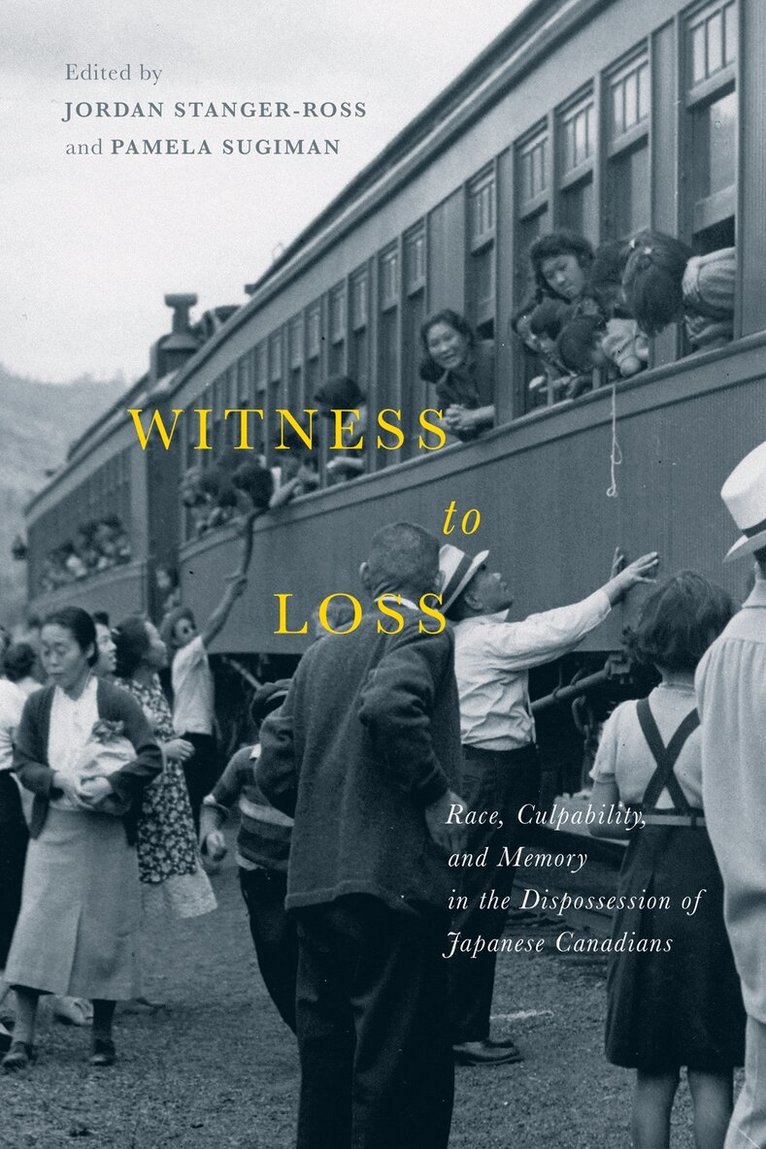
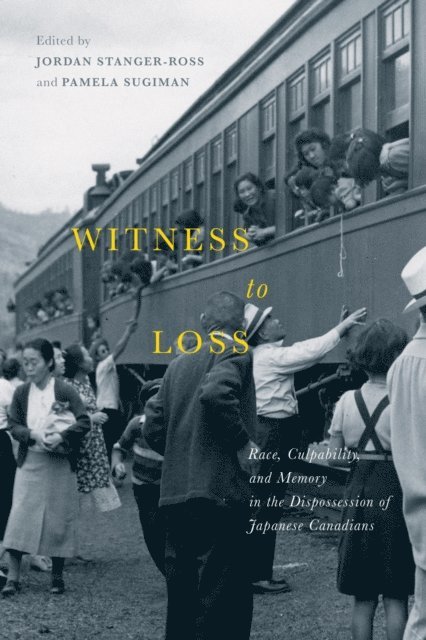
Witness to Loss
Race, Culpability, and Memory in the Dispossession of Japanese Canadians
Av Jordan Stanger-Ross, Pamela Sugiman
Häftad, 2017
396 kr
Lägg i varukorg
When the federal government uprooted and interned Japanese Canadians en masse in 1942, Kishizo Kimura saw his life upended along with tens of thousands of others. But his story is also unique: as a member of two controversial committees that oversaw the forced sale of the property of Japanese …
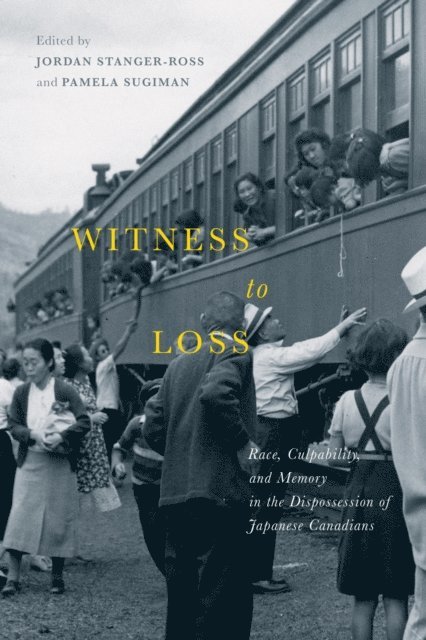
Witness to Loss
Race, Culpability, and Memory in the Dispossession of Japanese Canadians
Av Pamela Sugiman, Jordan Stanger-Ross
E-bok, 2017
345 kr
Lägg i varukorg
When the federal government uprooted and interned Japanese Canadians en masse in 1942, Kishizo Kimura saw his life upended along with tens of thousands of others. But his story is also unique: as a member of two controversial committees that oversaw the forced sale of the property of Japanese …
Witness to Loss
Race, Culpability, and Memory in the Dispossession of Japanese Canadians
Av Pamela Sugiman, Jordan Stanger-Ross
E-bok, 2017
353 kr
Lägg i varukorg
When the federal government uprooted and interned Japanese Canadians en masse in 1942, Kishizo Kimura saw his life upended along with tens of thousands of others. But his story is also unique: as a member of two controversial committees that oversaw the forced sale of the property of Japanese …
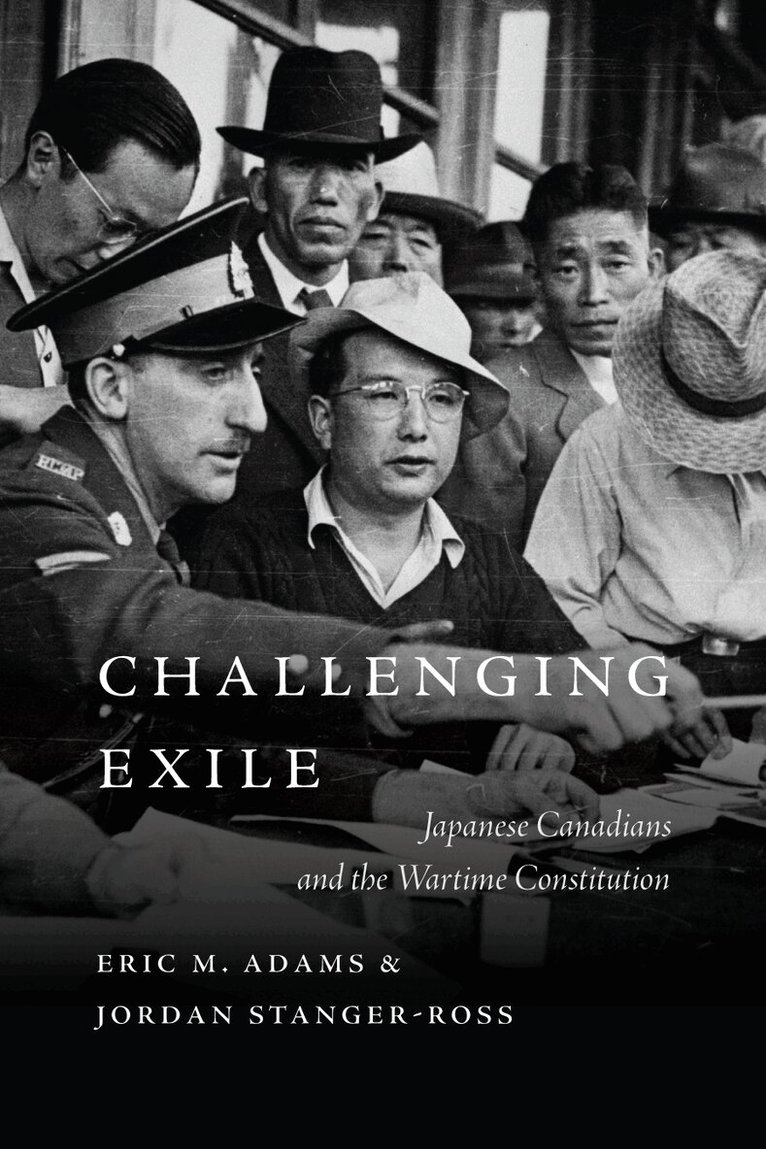
Challenging Exile
Japanese Canadians and the Wartime Constitution
Av Eric M. Adams, Jordan Stanger-Ross
Häftad, 2025
425 kr
Lägg i varukorg
In September 1945, Canada proposed exiling Japanese Canadians to Japan, a country devastated by war. Thousands who had experienced internment and dispossession were now at risk of banishment.In Challenging Exile, Eric M. Adams and Jordan Stanger-Ross detail the circumstances and personalities …
Staying Italian
Urban Change and Ethnic Life in Postwar Toronto and Philadelphia
Inbunden, 2010
439 kr
Tillfälligt slut
Despite their twin positions as two of North America's most iconic Italian neighborhoods, South Philly and Toronto's Little Italy have functioned in dramatically different ways since World War II. Inviting readers into the churches, homes, and businesses at the heart of these communities, "Staying …
Landscapes of Injustice
A New Perspective on the Internment and Dispossession of Japanese Canadians
Inbunden, 2020
1731 kr
Tillfälligt slut
In 1942, the Canadian government forced more than 21,000 Japanese Canadians from their homes in British Columbia. They were told to bring only one suitcase each and officials vowed to protect the rest. Instead, Japanese Canadians were dispossessed, all their belongings either stolen or sold. The …