Jorg Hillmann – författare
796 kr
Läs direkt efter köp
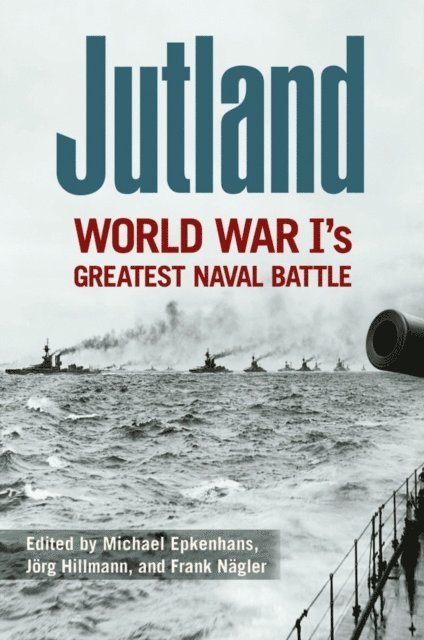
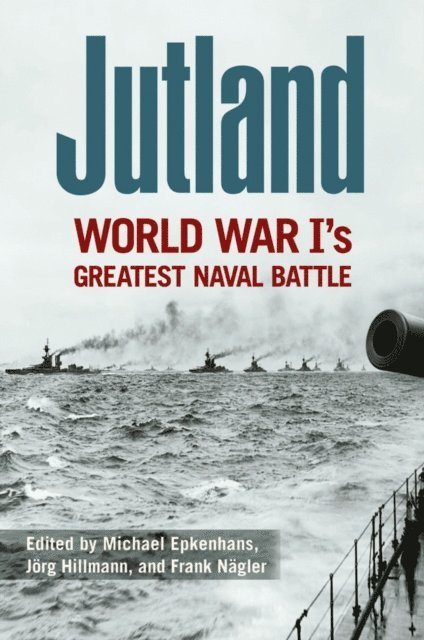
During the first two years of World War I, Germany struggled to overcome a crippling British blockade of its mercantile shipping lanes. With only sixteen dreadnought-class battleships compared to the renowned British Royal Navy''s twenty-eight, the German High Seas Fleet stood little chance of winning a direct fight. The Germans staged raids in the North Sea and bombarded English coasts in an attempt to lure small British squadrons into open water where they could be destroyed by submarines and surface boats. After months of skirmishes, conflict erupted on May 31, 1916, in the North Sea near Jutland, Denmark, in what would become the most formidable battle in the history of the Royal Navy.
In Jutland, international scholars reassess the strategies and tactics employed by the combatants as well as the political and military consequences of their actions. Most previous English-language military analysis has focused on British admiral Sir John Jellicoe, who was widely criticized for excessive caution and for allowing German vice admiral Reinhard Scheer to escape; but the contributors to this volume engage the German perspective, evaluating Scheer''s decisions and his skill in preserving his fleet and escaping Britain''s superior force. Together, the contributors lucidly demonstrate how both sides suffered from leadership that failed to move beyond outdated strategies of limited war between navies and to embrace the total war approach that came to dominate the twentieth century. The contributors also examine the role of memory, comparing the way the battle has been portrayed in England and Germany. An authoritative collection of scholarship, Jutland serves as an essential reappraisal of this seminal event in twentieth-century naval history.
156 kr
Läs direkt efter köp
“The essential reappraisal of this seminal event in twentieth-century naval history . . . a ‘must have’ book for the Great War enthusiasts.” —Lone Star Review After months of skirmishes between Britain’s Royal Navy Grand Fleet and the German Navy’s outnumbered High Seas Fleet, conflict erupted on May 31, 1916, in the North Sea near Jutland, Denmark, in what would become the most formidable battle in the history of the Royal Navy. In Jutland, international scholars reassess the strategies and tactics employed by the combatants as well as the political and military consequences of their actions. Most previous English-language military analysis has focused on British admiral Sir John Jellicoe, who was widely criticized for excessive caution and for allowing German vice admiral Reinhard Scheer to escape; but the contributors to this volume engage the German perspective, evaluating Scheer’s decisions and his skill in preserving his fleet and escaping Britain’s superior force. Together, the contributors lucidly demonstrate how both sides suffered from leadership that failed to move beyond outdated strategies of limited war between navies and to embrace the total war approach that came to dominate the twentieth century. The role of memory—comparing the way the battle has been portrayed in England and Germany—is also examined. Jutland is “suited not only for scholars, but also for a wider audience interested in knowing more about both the war at sea in World War I and its greatest contest” (Eric Osborne, author of The Battle of Heligoland Bight). “The documentation and scholarship reflected in these articles is outstanding.”—Paul Halpern, author of A Naval History of World War I
185 kr
Läs direkt efter köp
1 376 kr
Läs direkt efter köp
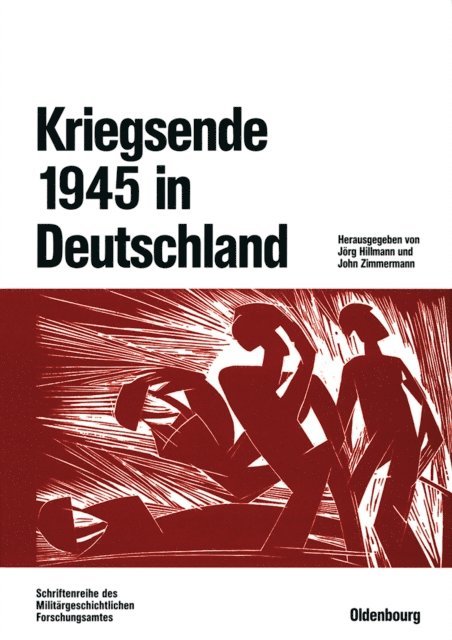
Die Beiträge dieses Bandes zeigen, dass die seit Mai 1945 überlieferte gängige Formel des Kriegsendes nicht haltbar ist, da sich kollektive und individuelle Erfahrungen mit dem Ende des Zweiten Weltkrieges nur schwer zusammenfassen lassen. Selbst die einschlägige Meinung vom institutionalisierten Kriegsende im Mai 1945 erwies sich als brüchig. Tatsächlich endete der Krieg zu diesem Zeitpunkt nur auf dem Papier; für einige Individuen und Gruppen war er längst vorbei, für andere noch lange nicht.
Dieser Schwierigkeit, das Ende des Krieges in den differenten Ausprägungen und Erscheinungen zu fassen, wird im vorliegenden Sammelband mit unterschiedlichen Methoden begegnet. Die Ergebnisse sollen Anregungen und Grundlagen für weiterführende Diskussionen bieten und zugleich als Beitrag zu laufenden Forschungen zur Thematik des Zeitalters der Weltkriege im 20. Jahrhundert verstanden werden.
351 kr
Läs direkt efter köp