Josep M. Fradera - Böcker
Visar alla böcker från författaren Josep M. Fradera. Handla med fri frakt och snabb leverans.
6 produkter
6 produkter
Imperial Nation
Citizens and Subjects in the British, French, Spanish, and American Empires
Inbunden, Engelska, 2018
477 kr
Skickas inom 7-10 vardagar
How the legacy of monarchical empires shaped Britain, France, Spain, and the United States as they became liberal entitiesHistorians view the late eighteenth and early nineteenth centuries as a turning point when imperial monarchies collapsed and modern nations emerged. Treating this pivotal moment as a bridge rather than a break, The Imperial Nation offers a sweeping examination of four of these modern powers—Great Britain, France, Spain, and the United States—and asks how, after the great revolutionary cycle in Europe and America, the history of monarchical empires shaped these new nations. Josep Fradera explores this transition, paying particular attention to the relations between imperial centers and their sovereign territories and the constant and changing distinctions placed between citizens and subjects.Fradera argues that the essential struggle that lasted from the Seven Years’ War to the twentieth century was over the governance of dispersed and varied peoples: each empire tried to ensure domination through subordinate representation or by denying any representation at all. The most common approach echoed Napoleon’s “special laws,” which allowed France to reinstate slavery in its Caribbean possessions. The Spanish and Portuguese constitutions adopted “specialness” in the 1830s; the United States used comparable guidelines to distinguish between states, territories, and Indian reservations; and the British similarly ruled their dominions and colonies. In all these empires, the mix of indigenous peoples, European-origin populations, slaves and indentured workers, immigrants, and unassimilated social groups led to unequal and hierarchical political relations. Fradera considers not only political and constitutional transformations but also their social underpinnings.Presenting a fresh perspective on the ways in which nations descended and evolved from and throughout empires, The Imperial Nation highlights the ramifications of this entangled history for the subjects who lived in its shadows.
Imperial Nation
Citizens and Subjects in the British, French, Spanish, and American Empires
Häftad, Engelska, 2021
323 kr
Skickas inom 7-10 vardagar
How the legacy of monarchical empires shaped Britain, France, Spain, and the United States as they became liberal entitiesHistorians view the late eighteenth and early nineteenth centuries as a turning point when imperial monarchies collapsed and modern nations emerged. Treating this pivotal moment as a bridge rather than a break, The Imperial Nation offers a sweeping examination of four of these modern powers—Great Britain, France, Spain, and the United States—and asks how, after the great revolutionary cycle in Europe and America, the history of monarchical empires shaped these new nations. Josep Fradera explores this transition, paying particular attention to the relations between imperial centers and their sovereign territories and the constant and changing distinctions placed between citizens and subjects.Fradera argues that the essential struggle that lasted from the Seven Years’ War to the twentieth century was over the governance of dispersed and varied peoples: each empire tried to ensure domination through subordinate representation or by denying any representation at all. The most common approach echoed Napoleon’s “special laws,” which allowed France to reinstate slavery in its Caribbean possessions. The Spanish and Portuguese constitutions adopted “specialness” in the 1830s; the United States used comparable guidelines to distinguish between states, territories, and Indian reservations; and the British similarly ruled their dominions and colonies. In all these empires, the mix of indigenous peoples, European-origin populations, slaves and indentured workers, immigrants, and unassimilated social groups led to unequal and hierarchical political relations. Fradera considers not only political and constitutional transformations but also their social underpinnings.Presenting a fresh perspective on the ways in which nations descended and evolved from and throughout empires, The Imperial Nation highlights the ramifications of this entangled history for the subjects who lived in its shadows.
Del 9 - European Expansion & Global Interaction
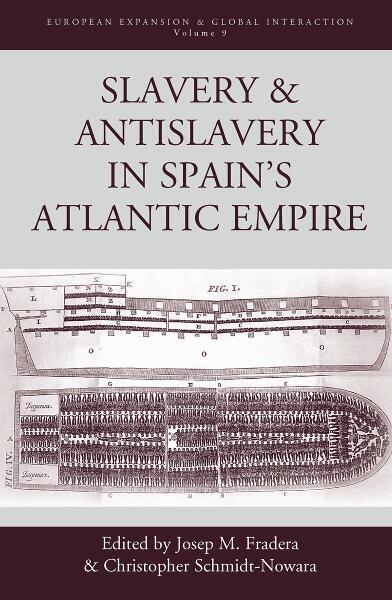
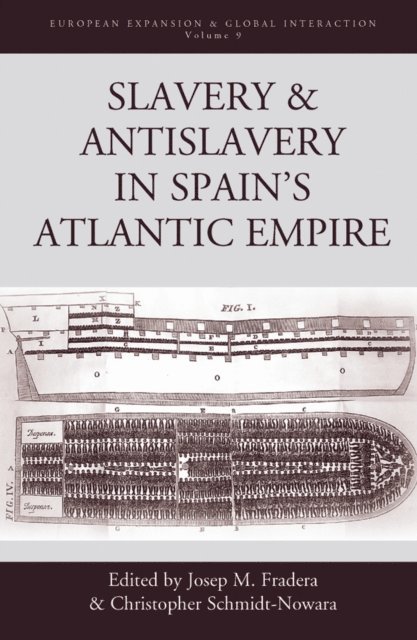
Slavery and Antislavery in Spain's Atlantic Empire
Inbunden, Engelska, 2013
2 014 kr
Skickas inom 3-6 vardagar
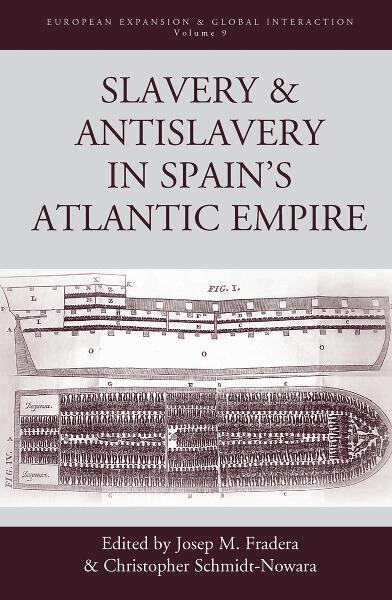
African slavery was pervasive in Spain's Atlantic empire yet remained in the margins of the imperial economy until the end of the eighteenth century when the plantation revolution in the Caribbean colonies put the slave traffic and the plantation at the center of colonial exploitation and conflict. The international group of scholars brought together in this volume explain Spain's role as a colonial pioneer in the Atlantic world and its latecomer status as a slave-trading, plantation-based empire. These contributors map the broad contours and transformations of slave-trafficking, the plantation, and antislavery in the Hispanic Atlantic while also delving into specific topics that include: the institutional and economic foundations of colonial slavery; the law and religion; the influences of the Haitian Revolution and British abolitionism; antislavery and proslavery movements in Spain; race and citizenship; and the business of the illegal slave trade.
481 kr
Skickas
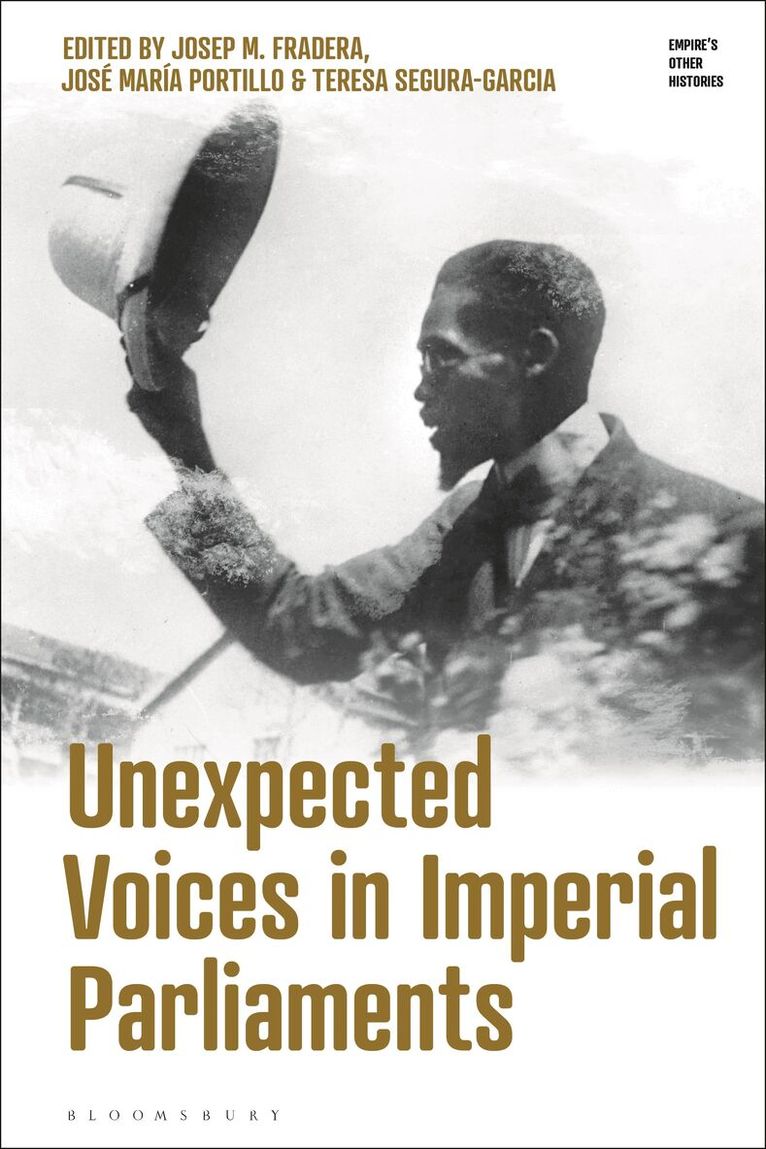
This collection follows the extraordinary careers of nine colonial subjects who won seats in high-level parliamentary institutions of the imperial powers that ruled over them. Revealing an unexplored dimension of the complex political organisation of modern empires, the essays show how early imperial constitutions allowed for the emergence of these unexpected members of parliament, asks how their presence was possible, and unveils the reactions across metropolitan circles, local communities and the voters who brought them to office. Unearthing the entanglements between political life in metropolitan and non-European societies, it illuminates the ambiguous zones, the margins for negotiation, and the emerging forms of leadership in colonial societies. From a Hispanicised Inca nobleman, to recently emancipated slaves and African colonial subjects, in linking these individuals and their political careers together, Unexpected Voices in Imperial Parliaments argues that the political organisation of modern empires incorporated the voices of the colonised and the non-European, in an ambiguous relationship that led to a widening of political participation and action throughout the imperial world. In doing so, this book offers a comprehensive but nuanced reassessment of the making and unmaking of modern empires.
420 kr
Skickas inom 10-15 vardagar
This collection follows the extraordinary careers of nine colonial subjects who won seats in high-level parliamentary institutions of the imperial powers that ruled over them. Revealing an unexplored dimension of the complex political organisation of modern empires, the essays show how early imperial constitutions allowed for the emergence of these unexpected members of parliament, asks how their presence was possible, and unveils the reactions across metropolitan circles, local communities and the voters who brought them to office.Unearthing the entanglements between political life in metropolitan and non-European societies, it illuminates the ambiguous zones, the margins for negotiation, and the emerging forms of leadership in colonial societies. From a Hispanicised Inca nobleman, to recently emancipated slaves and African colonial subjects, in linking these individuals and their political careers together, Unexpected Voices in Imperial Parliaments argues that the political organisation of modern empires incorporated the voices of the colonised and the non-European, in an ambiguous relationship that led to a widening of political participation and action throughout the imperial world. In doing so, this book offers a comprehensive but nuanced reassessment of the making and unmaking of modern empires.
583 kr
Skickas inom 3-6 vardagar
African slavery was pervasive in Spain’s Atlantic empire yet remained in the margins of the imperial economy until the end of the eighteenth century when the plantation revolution in the Caribbean colonies put the slave traffic and the plantation at the center of colonial exploitation and conflict. The international group of scholars brought together in this volume explain Spain’s role as a colonial pioneer in the Atlantic world and its latecomer status as a slave-trading, plantation-based empire. These contributors map the broad contours and transformations of slave-trafficking, the plantation, and antislavery in the Hispanic Atlantic while also delving into specific topics that include: the institutional and economic foundations of colonial slavery; the law and religion; the influences of the Haitian Revolution and British abolitionism; antislavery and proslavery movements in Spain; race and citizenship; and the business of the illegal slave trade.