Joseph A. Howley – författare
Visar alla böcker från författaren Joseph A. Howley. Handla med fri frakt och snabb leverans.
4 produkter
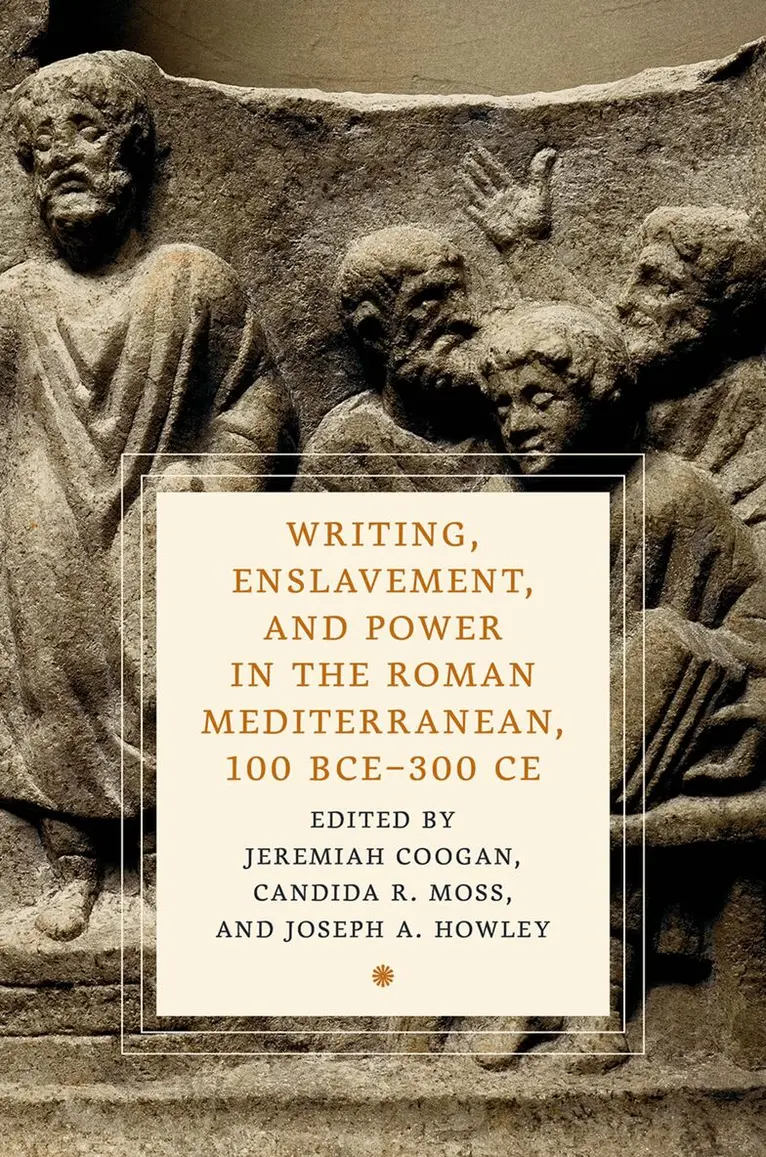
Writing, Enslavement, and Power in the Roman Mediterranean, 100 BCE–300 CE
Av Jeremiah Coogan, Candida R. Moss m. fl.
Inbunden, 2026
1462 kr
Lägg i varukorg
This volume assembles twenty-two scholars from the fields of classics and early Christian studies to interrogate the intersections between writing and enslavement around the Roman Mediterranean. Drawing upon methods developed in scholarship on book history and Atlantic slavery, the authors …
Writing, Enslavement, and Power in the Roman Mediterranean, 100 BCE-300 CE
Av Joseph A. Howley, Candida R. Moss m. fl.
E-bok, 2025
1007 kr
Lägg i varukorg
This volume assembles twenty-two scholars from the fields of classics and early Christian studies to interrogate the intersections between writing and enslavement around the Roman Mediterranean. Drawing upon methods developed in scholarship on book history and Atlantic slavery, the authors …
Writing, Enslavement, and Power in the Roman Mediterranean, 100 BCE-300 CE
Av Joseph A. Howley, Candida R. Moss m. fl.
E-bok, 2025
1007 kr
Lägg i varukorg
This volume assembles twenty-two scholars from the fields of classics and early Christian studies to interrogate the intersections between writing and enslavement around the Roman Mediterranean. Drawing upon methods developed in scholarship on book history and Atlantic slavery, the authors …
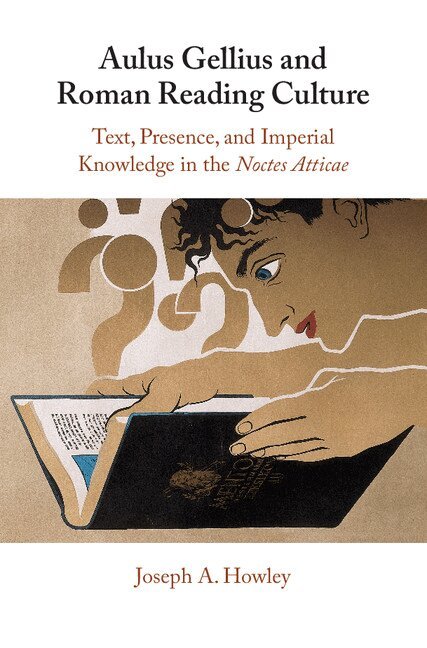
Aulus Gellius and Roman Reading Culture
Text, Presence, and Imperial Knowledge in the Noctes Atticae
Inbunden, 2018
1872 kr
Lägg i varukorg
Long a source for quotations, fragments, and factoids, the Noctes Atticae of Aulus Gellius offers hundreds of brief but vivid glimpses of Roman intellectual life. In this book Joseph Howley demonstrates how the work may be read as a literary text in its own right, and discusses the rich evidence it …