Joseph Fewsmith – författare
Visar alla böcker från författaren Joseph Fewsmith. Handla med fri frakt och snabb leverans.
32 produkter
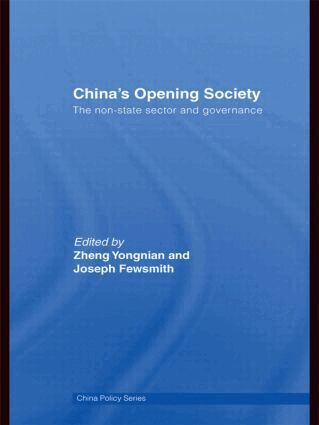
China's Opening Society
The Non-State Sector and Governance
Av Zheng Yongnian, Joseph Fewsmith
Inbunden, 2008
765 kr
Lägg i varukorg
Despite its recent rapid economic growth, China’s political system has remained resolutely authoritarian. However, an increasingly open economy is creating the infrastructure for an open society, with the rise of a non-state sector in which a private economy, non-governmental organizations (NGOs) …
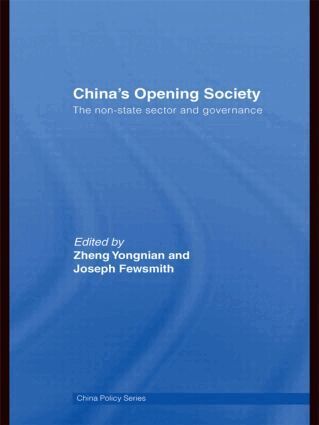
China's Opening Society
The Non-State Sector and Governance
Av Zheng Yongnian, Joseph Fewsmith
Häftad, 2009
371 kr
Lägg i varukorg
Despite its recent rapid economic growth, China’s political system has remained resolutely authoritarian. However, an increasingly open economy is creating the infrastructure for an open society, with the rise of a non-state sector in which a private economy, non-governmental organizations (NGOs) …
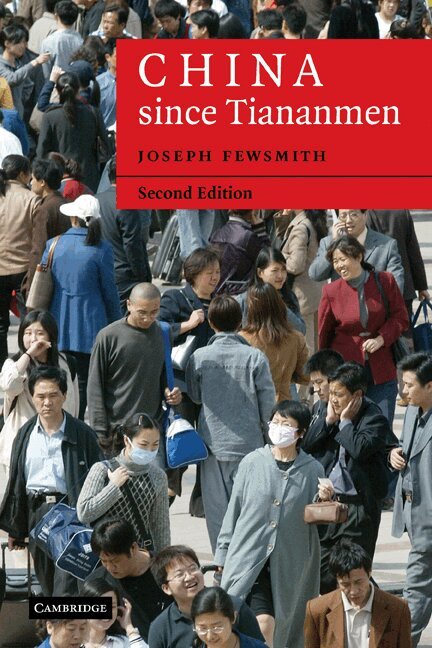
China since Tiananmen
From Deng Xiaoping to Hu Jintao
Häftad, 2008
487 kr
Lägg i varukorg
In this edition of his path-breaking analysis of political and social change in China since the crackdown in Tiananmen Square in 1989, Joseph Fewsmith traces developments since 2001. These include the continuing reforms during the final years of Jiang Zemin's premiership and Hu Jintao's succession …
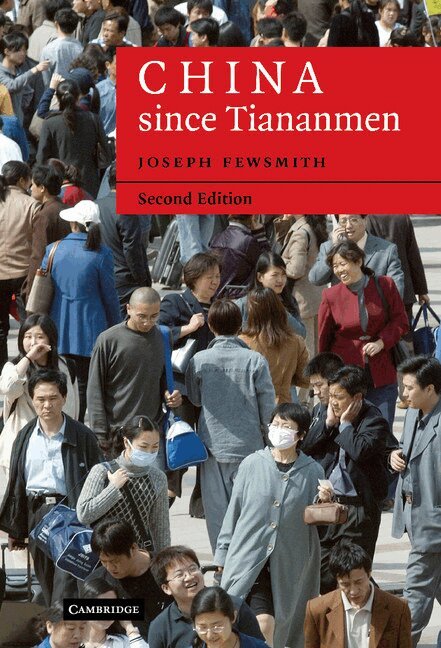
China since Tiananmen
From Deng Xiaoping to Hu Jintao
Inbunden, 2008
927 kr
Lägg i varukorg
In this edition of his path-breaking analysis of political and social change in China since the crackdown in Tiananmen Square in 1989, Joseph Fewsmith traces developments since 2001. These include the continuing reforms during the final years of Jiang Zemin's premiership and Hu Jintao's succession …
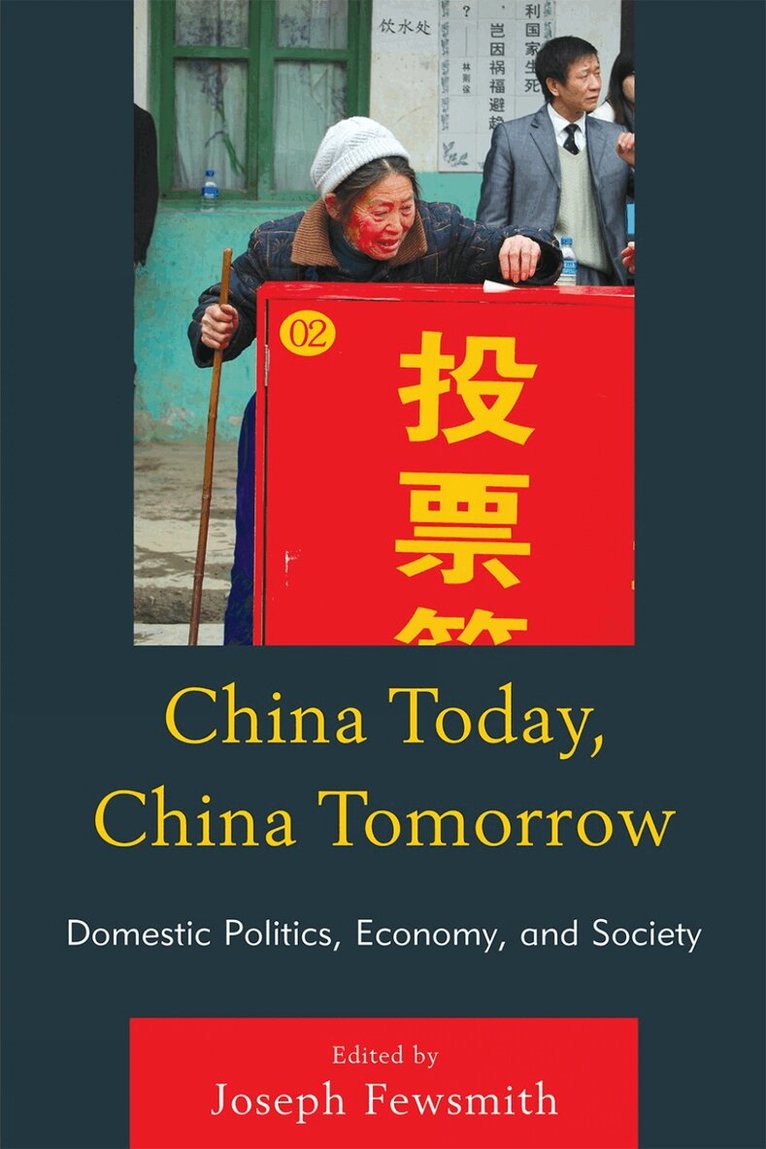
China Today, China Tomorrow
Domestic Politics, Economy, and Society
Inbunden, 2010
1701 kr
Lägg i varukorg
In this timely book, a group of leading scholars provides a comprehensive assessment of China's polity, economy, and society. Taking the thirtieth anniversary of Beijing's adoption of reform and opening as an occasion to reflect on the course of development over the past three decades, the …
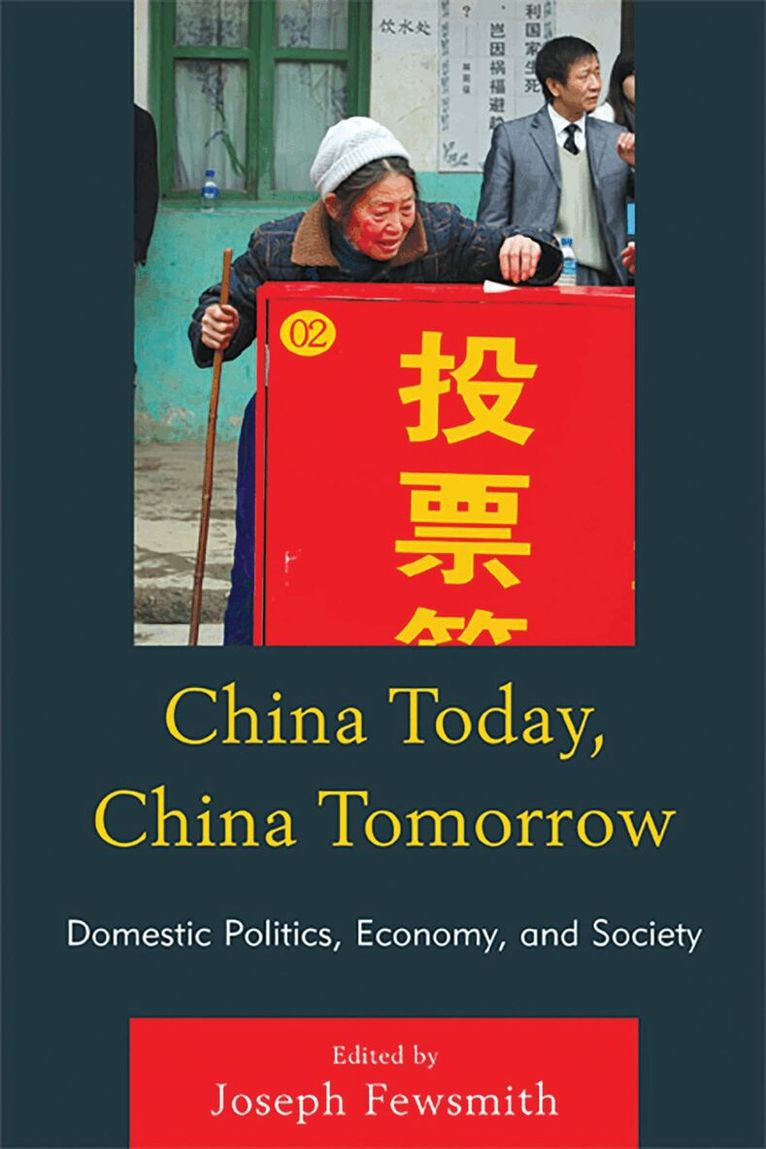
China Today, China Tomorrow
Domestic Politics, Economy, and Society
Häftad, 2010
713 kr
Lägg i varukorg
In this timely book, a group of leading scholars provides a comprehensive assessment of China's polity, economy, and society. Taking the thirtieth anniversary of Beijing's adoption of reform and opening as an occasion to reflect on the course of development over the past three decades, the …
China Today, China Tomorrow
Domestic Politics, Economy, and Society
E-bok, 2010
803 kr
Lägg i varukorg
In this timely book, a group of leading scholars provides a comprehensive assessment of China''s polity, economy, and society. Taking the thirtieth anniversary of Beijing''s adoption of reform and opening as an occasion to reflect on the course of development over the past three decades, the …
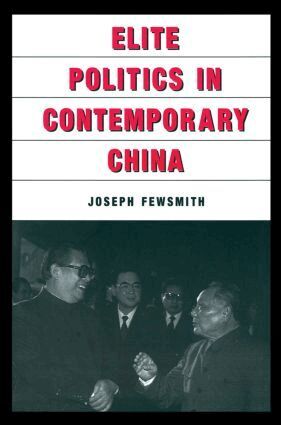
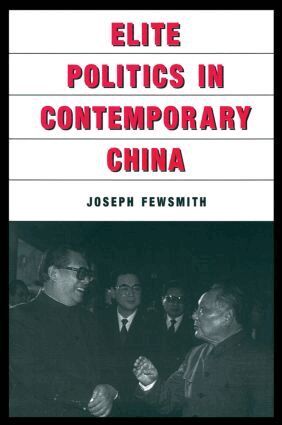
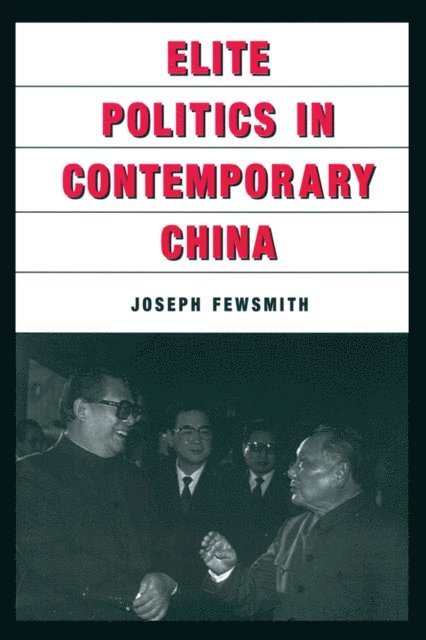
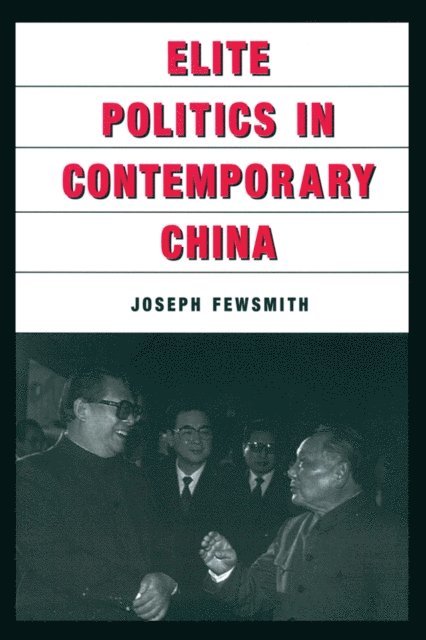
Elite Politics in Contemporary China
Inbunden, 2000
2510 kr
Lägg i varukorg
A discussion of elite politics in contemporary China. While a great deal of the text is descriptive, much of the emphasis is on drawing out and abstracting the political dynamic at work. The past half-century has seen many hopes raised and some dashed, a succession of fears and false alarms, and …
Elite Politics in Contemporary China
Häftad, 2000
749 kr
Lägg i varukorg
A discussion of elite politics in contemporary China. While a great deal of the text is descriptive, much of the emphasis is on drawing out and abstracting the political dynamic at work. The past half-century has seen many hopes raised and some dashed, a succession of fears and false alarms, and …
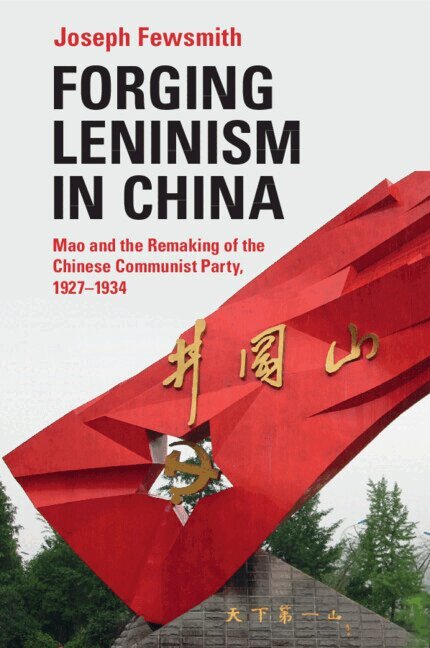
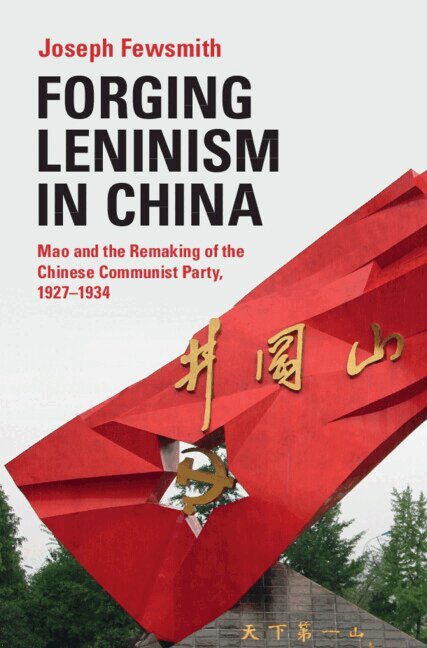
Forging Leninism in China
Mao and the Remaking of the Chinese Communist Party, 1927-1934
Häftad, 2024
401 kr
Lägg i varukorg
Forging Leninism in China is a re-examination of the events of the Chinese revolution and the transformation of the Chinese Communist Party from the years 1927 to 1934. Describing the transformation of the party as 'the forging of Leninism', Joseph Fewsmith offers a clear analysis of the …
Forging Leninism in China
Mao and the Remaking of the Chinese Communist Party, 1927–1934
E-bok, 2022
386 kr
Lägg i varukorg
Forging Leninism in China is a re-examination of the events of the Chinese revolution and the transformation of the Chinese Communist Party from the years 1927 to 1934. Describing the transformation of the party as ''the forging of Leninism'', Joseph Fewsmith offers a clear analysis of the …
Forging Leninism in China
Mao and the Remaking of the Chinese Communist Party, 1927–1934
E-bok, 2022
386 kr
Lägg i varukorg
Forging Leninism in China is a re-examination of the events of the Chinese revolution and the transformation of the Chinese Communist Party from the years 1927 to 1934. Describing the transformation of the party as ''the forging of Leninism'', Joseph Fewsmith offers a clear analysis of the …
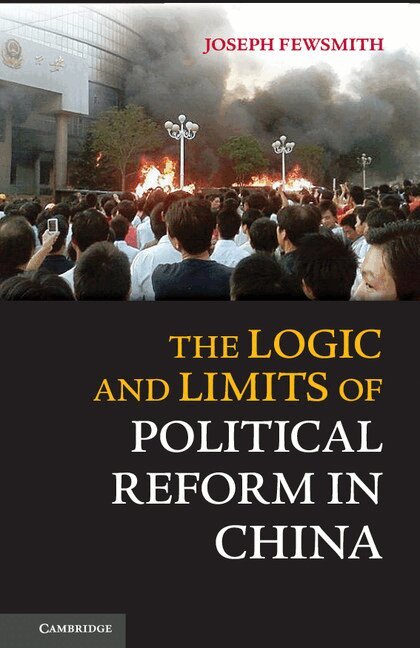
The Logic and Limits of Political Reform in China
Inbunden, 2013
1322 kr
Lägg i varukorg
In the 1990s China embarked on a series of political reforms intended to increase, however modestly, political participation to reduce the abuse of power by local officials. Although there was initial progress, these reforms have largely stalled and, in many cases, gone backward. If there were …
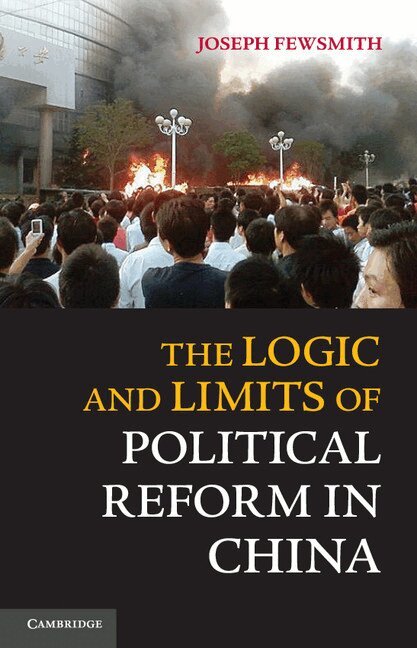
The Logic and Limits of Political Reform in China
Häftad, 2013
422 kr
Lägg i varukorg
In the 1990s China embarked on a series of political reforms intended to increase, however modestly, political participation to reduce the abuse of power by local officials. Although there was initial progress, these reforms have largely stalled and, in many cases, gone backward. If there were …
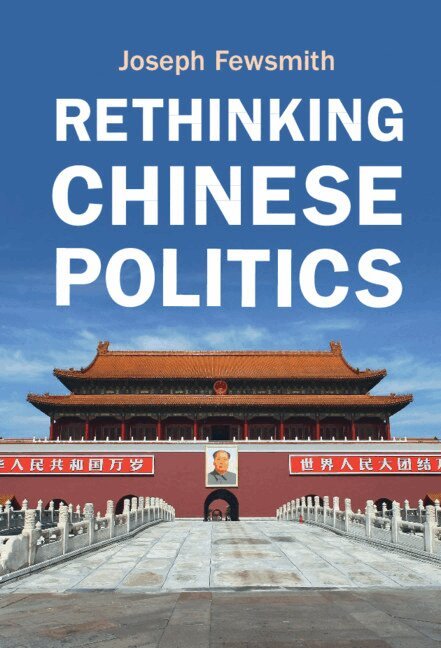
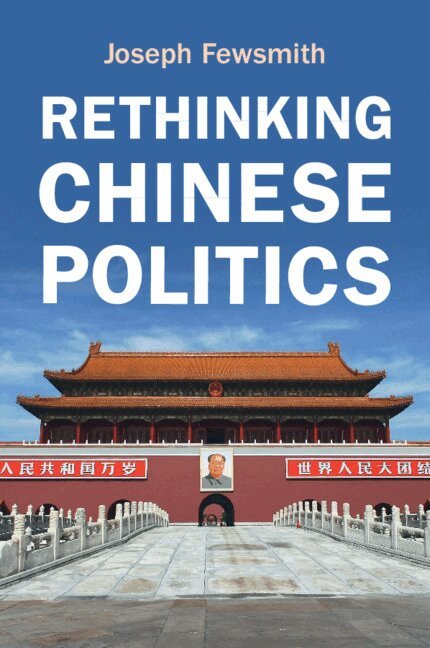
Rethinking Chinese Politics
Inbunden, 2021
1051 kr
Lägg i varukorg
Understanding Chinese politics has become more important than ever. Some argue that China's political system is 'institutionalized' or that 'win all/lose all' struggles are a thing of the past, but, Joseph Fewsmith argues, as in all Leninist systems, political power is difficult to pass on from one …
Rethinking Chinese Politics
E-bok, 2021
543 kr
Lägg i varukorg
Understanding Chinese politics has become more important than ever. Some argue that China''s political system is ''institutionalized'' or that ''win all/lose all'' struggles are a thing of the past, but, Joseph Fewsmith argues, as in all Leninist systems, political power is difficult to pass on …
Rethinking Chinese Politics
Häftad, 2021
569 kr
Lägg i varukorg
Understanding Chinese politics has become more important than ever. Some argue that China's political system is 'institutionalized' or that 'win all/lose all' struggles are a thing of the past, but, Joseph Fewsmith argues, as in all Leninist systems, political power is difficult to pass on from one …
China's Opening Society
The Non-State Sector and Governance
Av Joseph Fewsmith, Zheng Yongnian
E-bok, 2008
433 kr
Lägg i varukorg
Despite its recent rapid economic growth, China’s political system has remained resolutely authoritarian. However, an increasingly open economy is creating the infrastructure for an open society, with the rise of a non-state sector in which a private economy, non-governmental organizations (NGOs) …
China's Opening Society
The Non-State Sector and Governance
Av Joseph Fewsmith, Zheng Yongnian
E-bok, 2008
424 kr
Lägg i varukorg
Despite its recent rapid economic growth, China’s political system has remained resolutely authoritarian. However, an increasingly open economy is creating the infrastructure for an open society, with the rise of a non-state sector in which a private economy, non-governmental organizations (NGOs) …
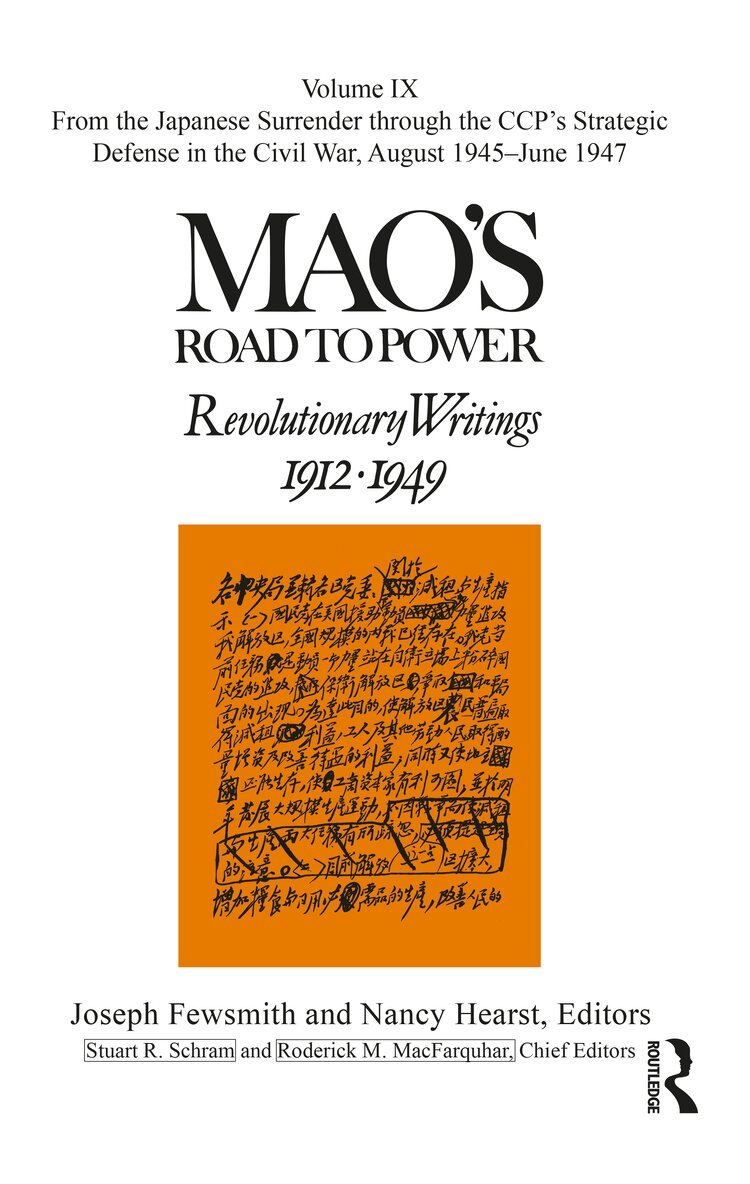
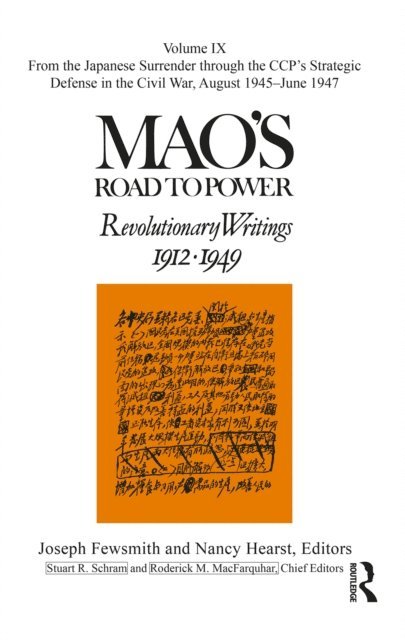
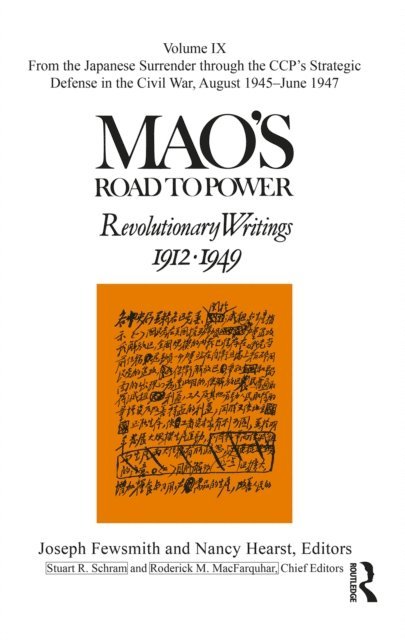
Mao's Road to Power
Revolutionary Writings: Volume IX
Av Nancy Hearst, Joseph Fewsmith
Inbunden, 2023
2195 kr
Lägg i varukorg
The series, Mao’s Road to Power, consisting of translations of Mao Zedong’s writings from 1912 to 1949, provides abundant documentation in his own words on his life and thought as well as on developments in China during the pre-1949 period. This penultimate volume in the series, Volume 9, covers …
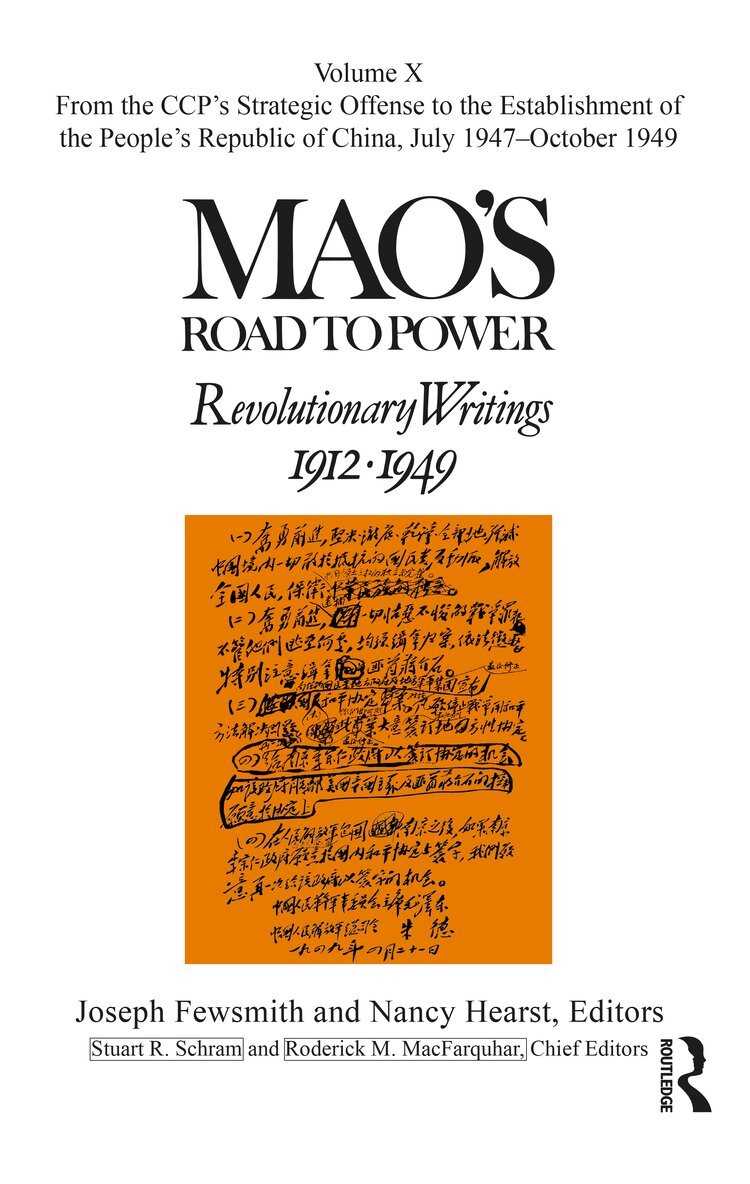
Mao's Road to Power
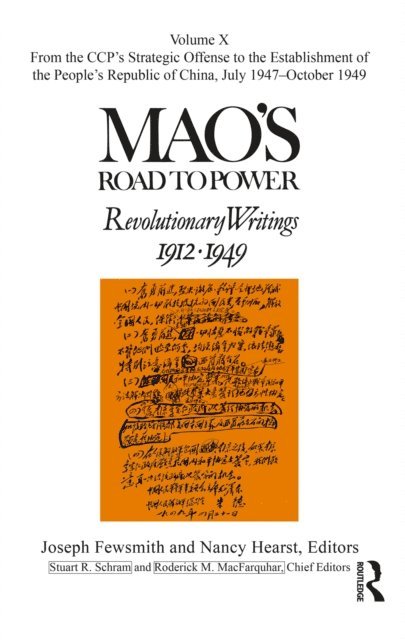
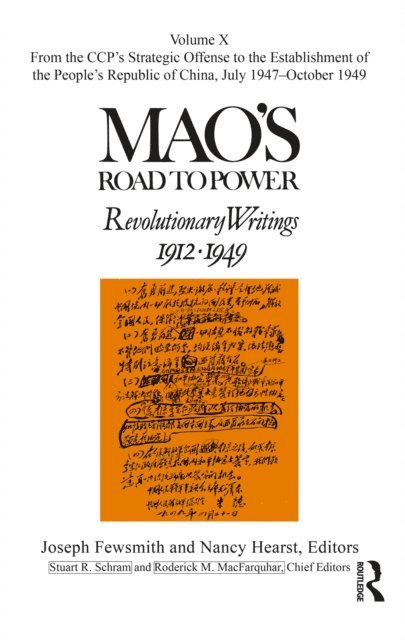
Revolutionary Writings: Volume X
Av Nancy Hearst, Joseph Fewsmith
Inbunden, 2023
2195 kr
Lägg i varukorg
The series, Mao’s Road to Power, consisting of translations of Mao Zedong’s writings from 1912 to 1949, provides abundant documentation in his own words on his life and thought as well as developments in China during the pre-1949 period. This final volume in the series, Volume 10, covers the period …
Dilemmas of Reform in China
Political Conflict and Economic Debate
E-bok, 2016
779 kr
Lägg i varukorg
This is a comprehensive account of the Chinese debates on economic reforms, from the Third Plenum of 1978 to the crackdown of 1989. It is designed for scholars and graduate students interested in the political economy of China''s reforms.
Dilemmas of Reform in China
Political Conflict and Economic Debate
E-bok, 2016
779 kr
Lägg i varukorg
This is a comprehensive account of the Chinese debates on economic reforms, from the Third Plenum of 1978 to the crackdown of 1989. It is designed for scholars and graduate students interested in the political economy of China''s reforms.
Forging Leninism in China
Mao and the Remaking of the Chinese Communist Party, 1927-1934
Inbunden, 2022
605 kr
Lägg i varukorg
Forging Leninism in China is a re-examination of the events of the Chinese revolution and the transformation of the Chinese Communist Party from the years 1927 to 1934. Describing the transformation of the party as 'the forging of Leninism', Joseph Fewsmith offers a clear analysis of the …
Elite Politics in Contemporary China
E-bok, 2015
883 kr
Lägg i varukorg
A discussion of elite politics in contemporary China. While a great deal of the text is descriptive, much of the emphasis is on drawing out and abstracting the political dynamic at work. The past half-century has seen many hopes raised and some dashed, a succession of fears and false alarms, and …
Elite Politics in Contemporary China
E-bok, 2015
864 kr
Lägg i varukorg
A discussion of elite politics in contemporary China. While a great deal of the text is descriptive, much of the emphasis is on drawing out and abstracting the political dynamic at work. The past half-century has seen many hopes raised and some dashed, a succession of fears and false alarms, and …
Mao's Road to Power
Revolutionary Writings: Volume X
Av Joseph Fewsmith, Nancy Hearst
E-bok, 2023
838 kr
Lägg i varukorg
The series, Mao’s Road to Power , consisting of translations of Mao Zedong’s writings from 1912 to 1949, provides abundant documentation in his own words on his life and thought as well as developments in China during the pre-1949 period. This final volume in the series, Volume 10, covers the …
Mao's Road to Power
Revolutionary Writings: Volume X
Av Joseph Fewsmith, Nancy Hearst
E-bok, 2023
838 kr
Lägg i varukorg
The series, Mao’s Road to Power , consisting of translations of Mao Zedong’s writings from 1912 to 1949, provides abundant documentation in his own words on his life and thought as well as developments in China during the pre-1949 period. This final volume in the series, Volume 10, covers the …
Mao's Road to Power
Revolutionary Writings: Volume IX
Av Joseph Fewsmith, Nancy Hearst
E-bok, 2023
856 kr
Lägg i varukorg
The series, Mao’s Road to Power , consisting of translations of Mao Zedong’s writings from 1912 to 1949, provides abundant documentation in his own words on his life and thought as well as on developments in China during the pre-1949 period. This penultimate volume in the series, Volume 9, covers …
Mao's Road to Power
Revolutionary Writings: Volume IX
Av Joseph Fewsmith, Nancy Hearst
E-bok, 2023
856 kr
Lägg i varukorg
The series, Mao’s Road to Power , consisting of translations of Mao Zedong’s writings from 1912 to 1949, provides abundant documentation in his own words on his life and thought as well as on developments in China during the pre-1949 period. This penultimate volume in the series, Volume 9, covers …