Joseph Litvak – författare
Visar alla böcker från författaren Joseph Litvak. Handla med fri frakt och snabb leverans.
9 produkter
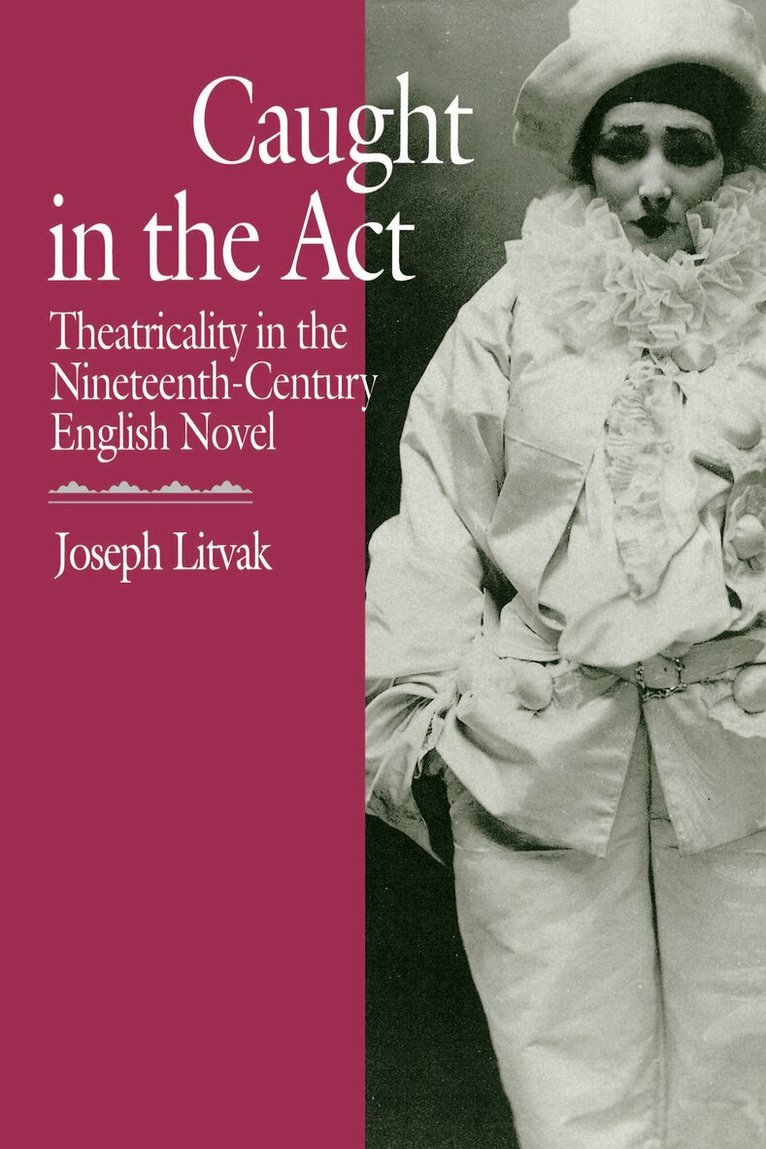
Caught in the Act
Theatricality in the Nineteenth-Century English Novel
Häftad, 1992
509 kr
Lägg i varukorg
Litvak demonstrates that private experience in the novels of Austen, Charlotte Bronte, Eliot, and James is a rigorous enactment of a public script that constructs normative gender and class identities. He suggests that the theatricality which pervades these novels enforces social norms while …
Caught in the Act
Theatricality in the Nineteenth-Century English Novel
E-bok, 1992
585 kr
Lägg i varukorg
Litvak demonstrates that private experience in the novels of Austen, Charlotte Brontë, Eliot, and James is a rigorous enactment of a public script that constructs normative gender and class identities. He suggests that the theatricality which pervades these novels enforces social norms while …
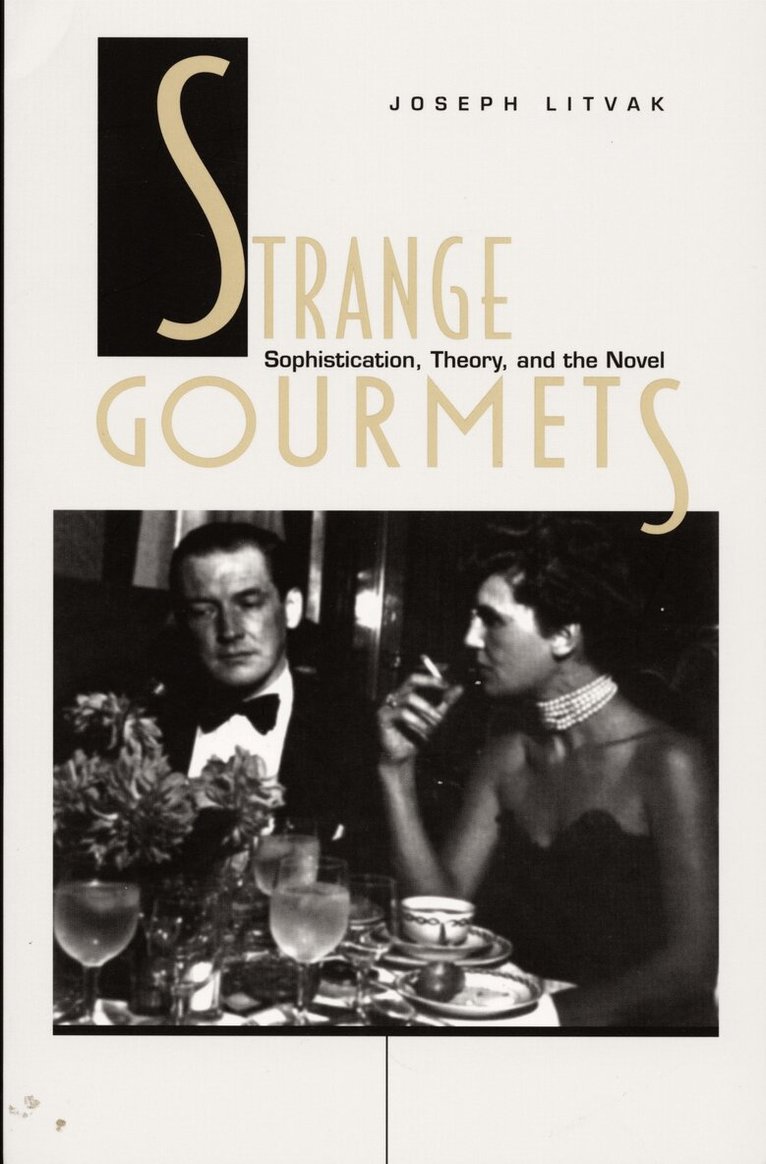
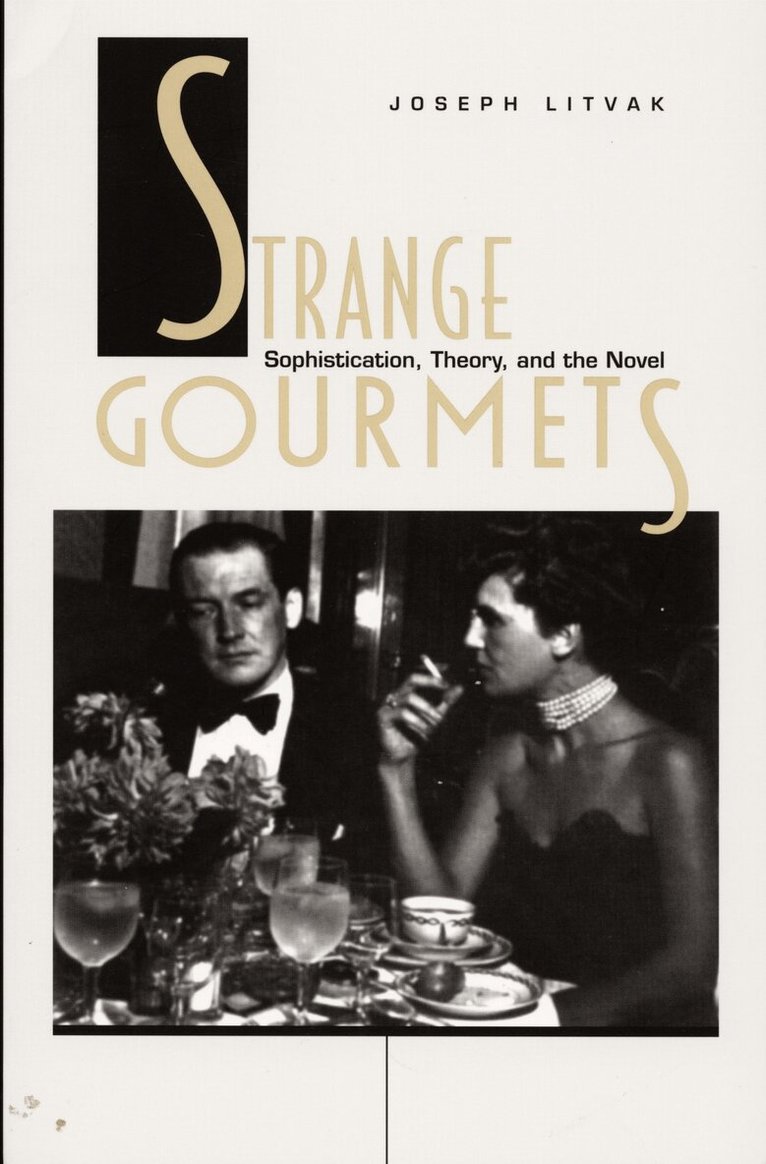
Strange Gourmets
Sophistication, Theory, and the Novel
Häftad, 1997
394 kr
Lägg i varukorg
Theoretically sophisticated: How often has this term been used to distinguish a work of contemporary criticism, and what, exactly, does it mean? In Strange Gourmets, Joseph Litvak reclaims sophistication from its negative connotations and turns the spotlight on those who, even as they demonize …
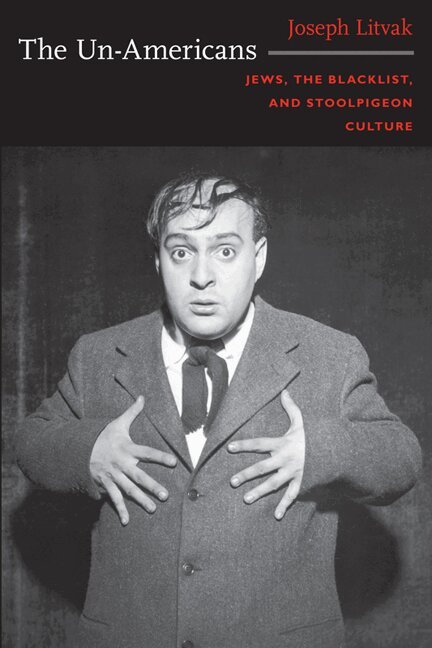
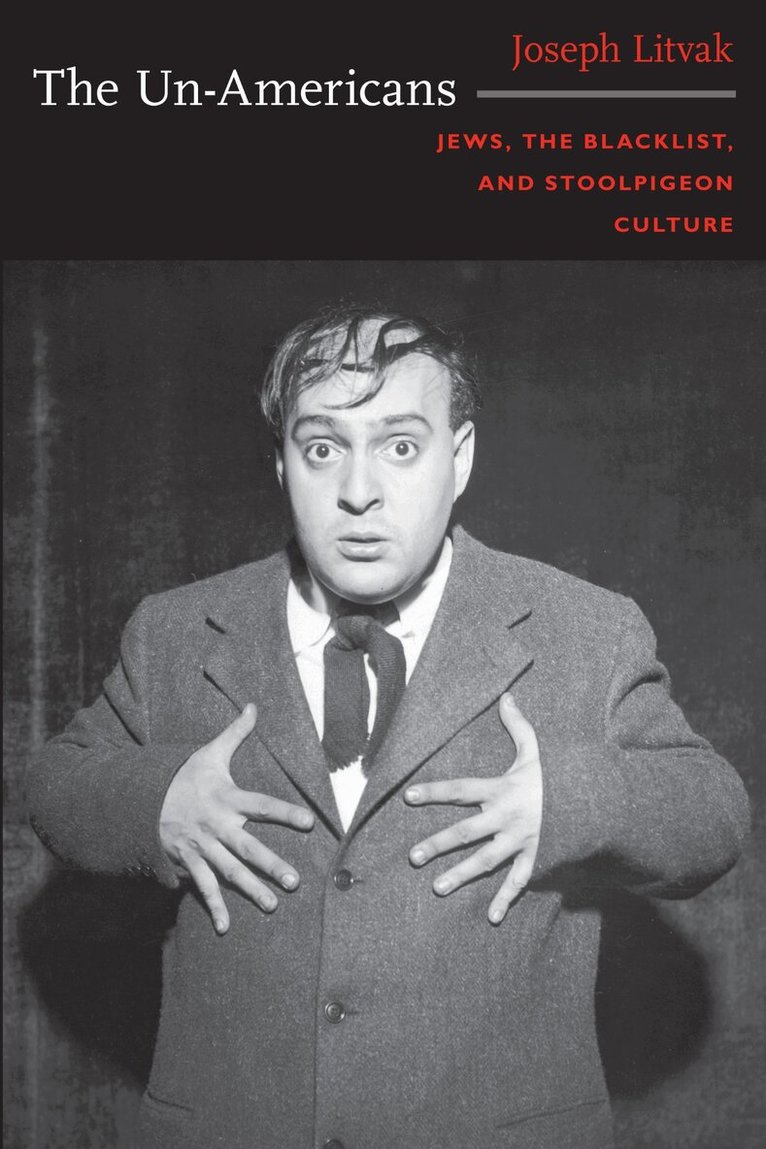
Un-Americans
Jews, the Blacklist, and Stoolpigeon Culture
Häftad, 2009
563 kr
Lägg i varukorg
In a bold rethinking of the Hollywood blacklist and McCarthyite America, Joseph Litvak reveals a political regime that did not end with the 1950s or even with the Cold War: a regime of compulsory sycophancy, in which the good citizen is an informer, ready to denounce anyone who will not play the …
Strange Gourmets
Sophistication, Theory, and the Novel
E-bok, 1997
580 kr
Lägg i varukorg
Theoretically sophisticated: How often has this term been used to distinguish a work of contemporary criticism, and what, exactly, does it mean? In Strange Gourmets , Joseph Litvak reclaims sophistication from its negative connotations and turns the spotlight on those who, even as they demonize …
Comedy Is Killing Us
The Politics of Laughter and Rage
Inbunden, 2027
1423 kr
Kommande
Does comedy really speak truth to power, or has it become one of power’s most effective tools? In Comedy Is Killing Us, literary and cultural critic Joseph Litvak offers a bold reckoning with the role of laughter in an age of authoritarian resurgence. Moving between political theory, media culture, …
Comedy Is Killing Us
The Politics of Laughter and Rage
Häftad, 2027
358 kr
Kommande
Does comedy really speak truth to power, or has it become one of power’s most effective tools? In Comedy Is Killing Us, literary and cultural critic Joseph Litvak offers a bold reckoning with the role of laughter in an age of authoritarian resurgence. Moving between political theory, media culture, …
Strange Gourmets
Sophistication, Theory, and the Novel
Inbunden, 1997
1423 kr
Tillfälligt slut
Theoretically sophisticated: How often has this term been used to distinguish a work of contemporary criticism, and what, exactly, does it mean? In Strange Gourmets, Joseph Litvak reclaims sophistication from its negative connotations and turns the spotlight on those who, even as they demonize …
Un-Americans
Jews, the Blacklist, and Stoolpigeon Culture
Inbunden, 2009
1573 kr
Tillfälligt slut
In a bold rethinking of the Hollywood blacklist and McCarthyite America, Joseph Litvak reveals a political regime that did not end with the 1950s or even with the Cold War: a regime of compulsory sycophancy, in which the good citizen is an informer, ready to denounce anyone who will not play the …