Joseph M. Gabriel - Böcker
Visar alla böcker från författaren Joseph M. Gabriel. Handla med fri frakt och snabb leverans.
3 produkter
3 produkter
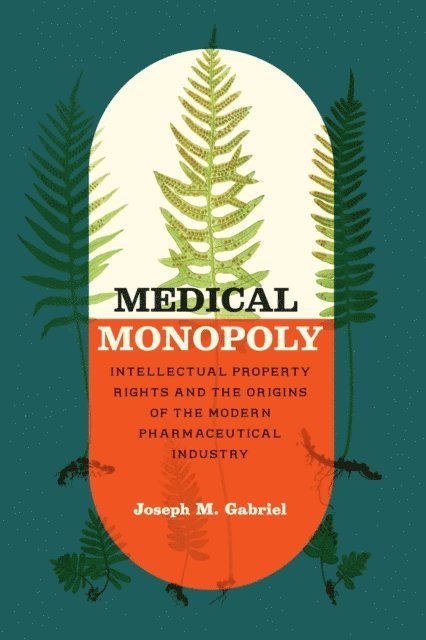
Medical Monopoly
Intellectual Property Rights and the Origins of the Modern Pharmaceutical Industry
Häftad, Engelska, 2020
268 kr
Skickas inom 7-10 vardagar
During most of the nineteenth century, physicians and pharmacists alike considered medical patenting and the use of trademarks by drug manufacturers unethical forms of monopoly; physicians who prescribed patented drugs could be, and were, ostracized from the medical community. In the decades following the Civil War, however, complex changes in patent and trademark law intersected with the changing sensibilities of both physicians and pharmacists to make intellectual property rights in drug manufacturing scientifically and ethically legitimate. By World War I, patented and trademarked drugs had become essential to the practice of good medicine, aiding in the rise of the American pharmaceutical industry and forever altering the course of medicine. Drawing on a wealth of previously unused archival material, Medical Monopoly combines legal, medical, and business history to offer a sweeping new interpretation of the origins of the complex and often troubling relationship between the pharmaceutical industry and medical practice today. Joseph M. Gabriel provides the first detailed history of patent and trademark law as it relates to the nineteenth-century pharmaceutical industry as well as a unique interpretation of medical ethics, therapeutic reform, and the efforts to regulate the market in pharmaceuticals before World War I. His book will be of interest not only to historians of medicine and science and intellectual property scholars but also to anyone following contemporary debates about the pharmaceutical industry, the patenting of scientific discoveries, and the role of advertising in the marketplace.
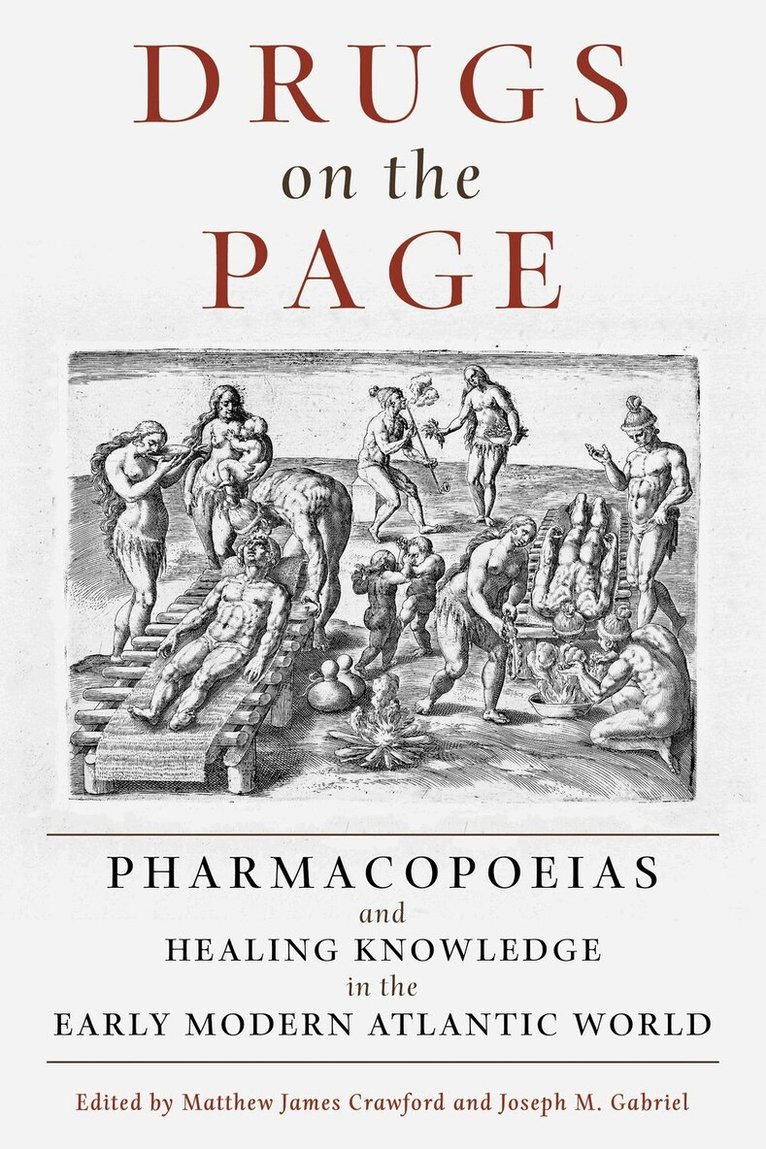
Drugs on the Page
Pharmacopoeias and Healing Knowledge in the Early Modern Atlantic World
Inbunden, Engelska, 2019
896 kr
Skickas inom 3-6 vardagar
In the early modern Atlantic World, pharmacopoeias—official lists of medicaments and medicinal preparations published by municipal, national, or imperial governments—organized the world of healing goods, giving rise to new and valuable medical commodities such as cinchona bark, guaiacum, and ipecac. Pharmacopoeias and related texts, developed by governments and official medical bodies as a means to standardize therapeutic practice, were particularly important to scientific and colonial enterprises. They served, in part, as tools for making sense of encounters with a diversity of peoples, places, and things provoked by the commercial and colonial expansion of early modern Europe. Drugs on the Page explores practices of recording, organizing, and transmitting information about medicinal substances by artisans, colonial officials, indigenous peoples, and others who, unlike European pharmacists and physicians, rarely had a recognized role in the production of official texts and medicines. Drawing on examples across various national and imperial contexts, contributors to this volume offer new and valuable insights into the entangled histories of knowledge resulting from interactions and negotiations between Europeans, Africans, and Native Americans from 1500 to 1850.
Del 56 - Rochester Studies in Medical History
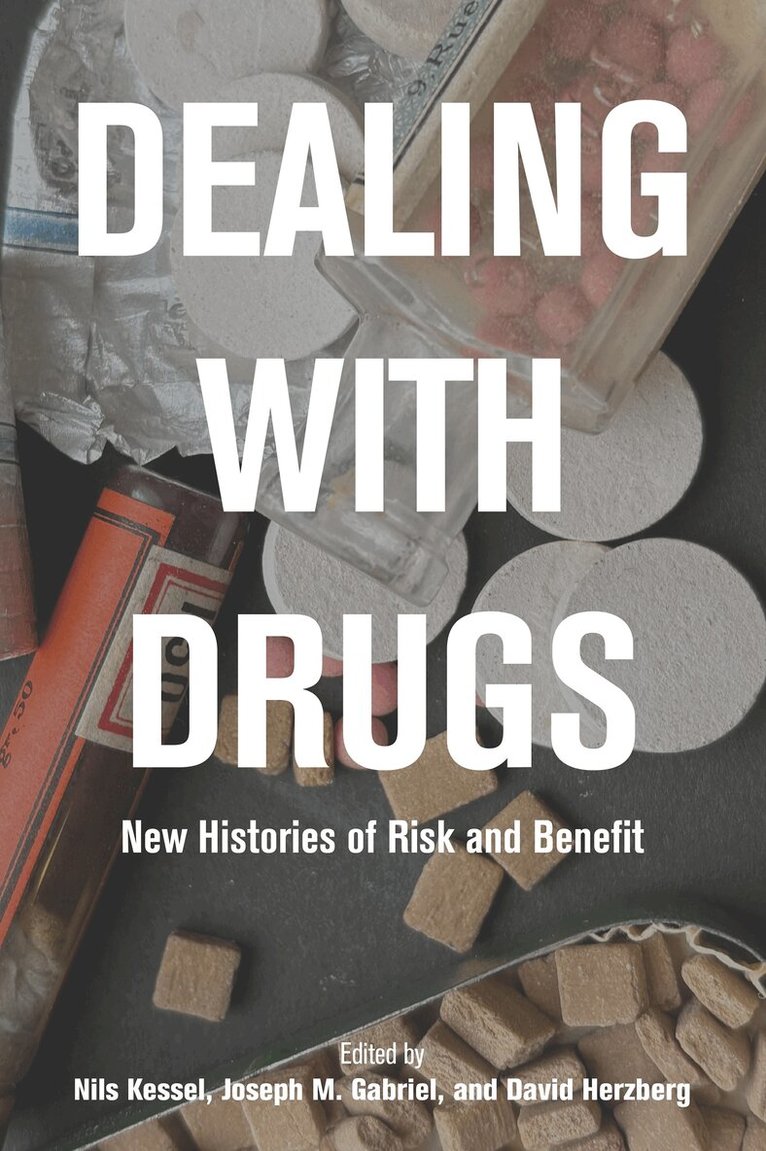
Dealing with Drugs
New Histories of Risk and Benefit
Inbunden, Engelska, 2026
1 360 kr
Kommande
Explores how the concepts 'risk' and 'benefit' can operate as analytic tools across the medicine/drug divide, allowing new narratives, clearer understanding, and bridging the gap between licit and illicit. Scholars, like most people, tend to assume that 'pharmaceuticals' and 'illicit drugs' operate as distinct categories that should be analyzed separately from one another, as if drugs such as penicillin and cocaine are different types of objects that entail different scholarly questions, literatures, and communities of inquiry. Numerous experts have challenged this assumption by demonstrating that some 'medicines' have moved across categories as a result of criminalization; yet after decades of work, simply deconstructing the boundary is no longer fresh and compelling. It also risks continuing to center the licit/illicit divide instead of offering categories that could replace or supplement it. Dealing with Drugs: New Histories of Risk and Benefit, takes the next step: by foregrounding the rich analytic concepts 'risk' and 'benefit', chapters in this volume tell new stories about a broad group of substances that we regularly put in our bodies. Taken together, these deeply researched and innovative essays cut across inherited categories and offer a new approach to the past. In doing so, they reshape our understanding of these powerful and often dangerous chemicals. Bringing together an interdisciplinary group of scholars from Europe and North America, this volume explores the utility of risk and benefit as concepts that can bridge the worlds of pharmaceuticals and illicit drugs.