Joseph Migga Kizza - Böcker
Visar alla böcker från författaren Joseph Migga Kizza. Handla med fri frakt och snabb leverans.
15 produkter
15 produkter
556 kr
Skickas inom 10-15 vardagar
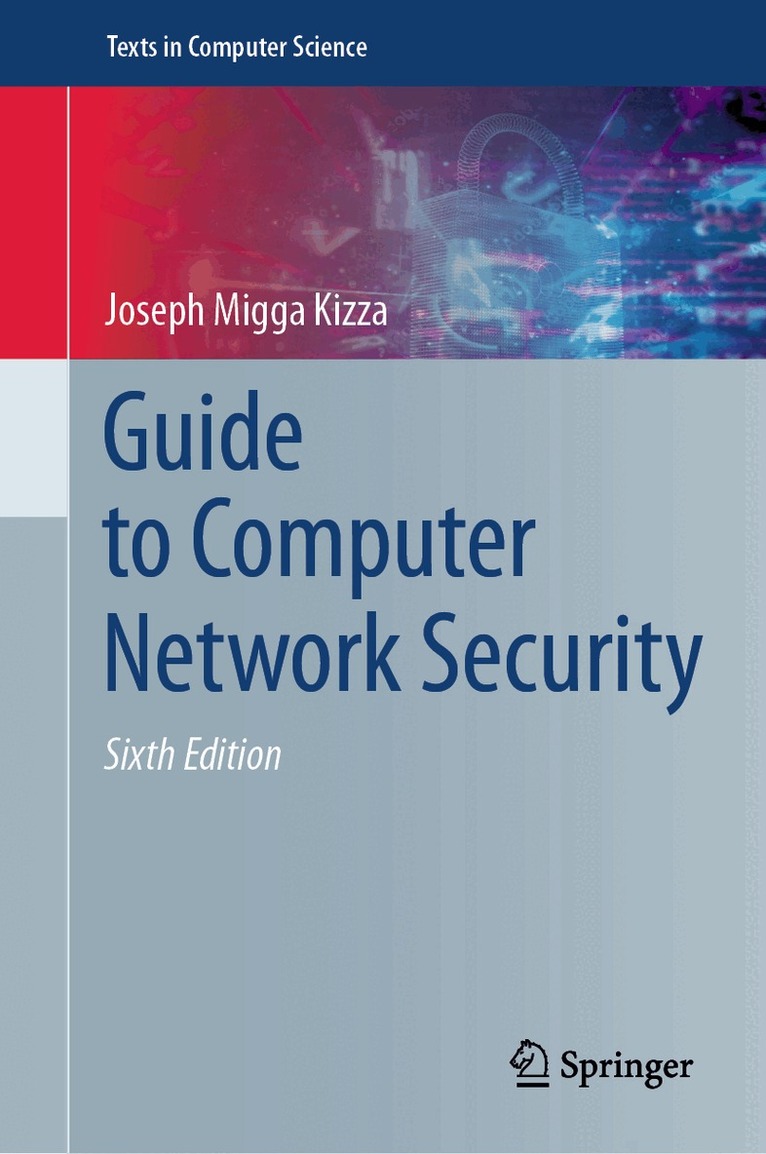
A comprehensive survey of computer network security concepts, methods, and practices. This authoritative volume provides an optimal description of the principles and applications of computer network security in particular, and cyberspace security in general. The book is thematically divided into three segments: Part I describes the operation and security conditions surrounding computer networks; Part II builds from there and exposes readers to the prevailing security situation based on a constant security threat; and Part III - the core - presents readers with most of the best practices and solutions currently in use. It is intended as both a teaching tool and reference. This broad-ranging text/reference comprehensively surveys computer network security concepts, methods, and practices and covers network security tools, policies, and administrative goals in an integrated manner. It is an essential security resource for undergraduate or graduate study, practitioners in networks, and professionals who develop and maintain secure computer network systems.
366 kr
Skickas inom 5-8 vardagar
In its 4th edition, this book remains focused on increasing public awareness of the nature and motives of cyber vandalism and cybercriminals, the weaknesses inherent in cyberspace infrastructure, and the means available to protect ourselves and our society. This new edition aims to integrate security education and awareness with discussions of morality and ethics. The reader will gain an understanding of how the security of information in general and of computer networks in particular, on which our national critical infrastructure and, indeed, our lives depend, is based squarely on the individuals who build the hardware and design and develop the software that run the networks that store our vital information. Addressing security issues with ever-growing social networks are two new chapters: "Security of Mobile Systems" and "Security in the Cloud Infrastructure."Instructors considering this book for use in a course may request an examination copy here.
556 kr
Skickas inom 10-15 vardagar
A comprehensive survey of computer network security concepts, methods, and practices. This authoritative volume provides an optimal description of the principles and applications of computer network security in particular, and cyberspace security in general. The book is thematically divided into three segments: Part I describes the operation and security conditions surrounding computer networks; Part II builds from there and exposes readers to the prevailing security situation based on a constant security threat; and Part III - the core - presents readers with most of the best practices and solutions currently in use. It is intended as both a teaching tool and reference. This broad-ranging text/reference comprehensively surveys computer network security concepts, methods, and practices and covers network security tools, policies, and administrative goals in an integrated manner. It is an essential security resource for undergraduate or graduate study, practitioners in networks, and professionals who develop and maintain secure computer network systems.
537 kr
Skickas inom 10-15 vardagar
The frequency of new editions of this book is indicative of the rapid and trem- dous changes in the fields of computer and information sciences. First published in 1995, the book has rapidly gone through three editions already and now we are in the fourth. Over this period, we have become more dependent on computer and telecommunication technology than ever before and computer technology has become ubiquitous. Since I started writing on social computing, I have been ad- cating a time when we, as individuals and as nations, will become totally dependent on computing technology. That time is almost on us. Evidence of this is embodied in the rapid convergence of telecommunication, broadcasting, and computing devices; the miniaturization of these devices; and the ever increasing storage capacity , speed of computation, and ease of use. These qualities have been a big pulling force sucking in millions of new users every day, sometimes even those unwilling. Other appealing features of these devices are the increasing number of applications, apps, as they are increasingly becoming known, and being wireless and easily portable. Whether small or big, these new gizmos have become the c- terpiece of an individual’s social and economic activities and the main access point for all information. Individuals aside, computing technology has also become the engine that drives the nations’ strategic and security infrastructures that control power grids, gas and oil storage facilities, transportation, and all forms of national communication, including emergency services.
1 253 kr
Skickas inom 5-8 vardagar
717 kr
Skickas inom 10-15 vardagar
If we are to believe in Moore’s law, then every passing day brings new and advanced changes to the technology arena. We are as amazed by miniaturization of computing devices as we are amused by their speed of computation. Everything seems to be in ? ux and moving fast. We are also fast moving towards ubiquitous computing. To achieve this kind of computing landscape, new ease and seamless computing user interfaces have to be developed. Believe me, if you mature and have ever program any digital device, you are, like me, looking forward to this brave new computing landscape with anticipation. However, if history is any guide to use, we in information security, and indeed every computing device user young and old, must brace themselves for a future full of problems. As we enter into this world of fast, small and concealable ubiquitous computing devices, we are entering fertile territory for dubious, mischievous, and malicious people. We need to be on guard because, as expected, help will be slow coming because ? rst, well trained and experienced personnel will still be dif? cult to get and those that will be found will likely be very expensive as the case is today.
860 kr
Skickas inom 10-15 vardagar
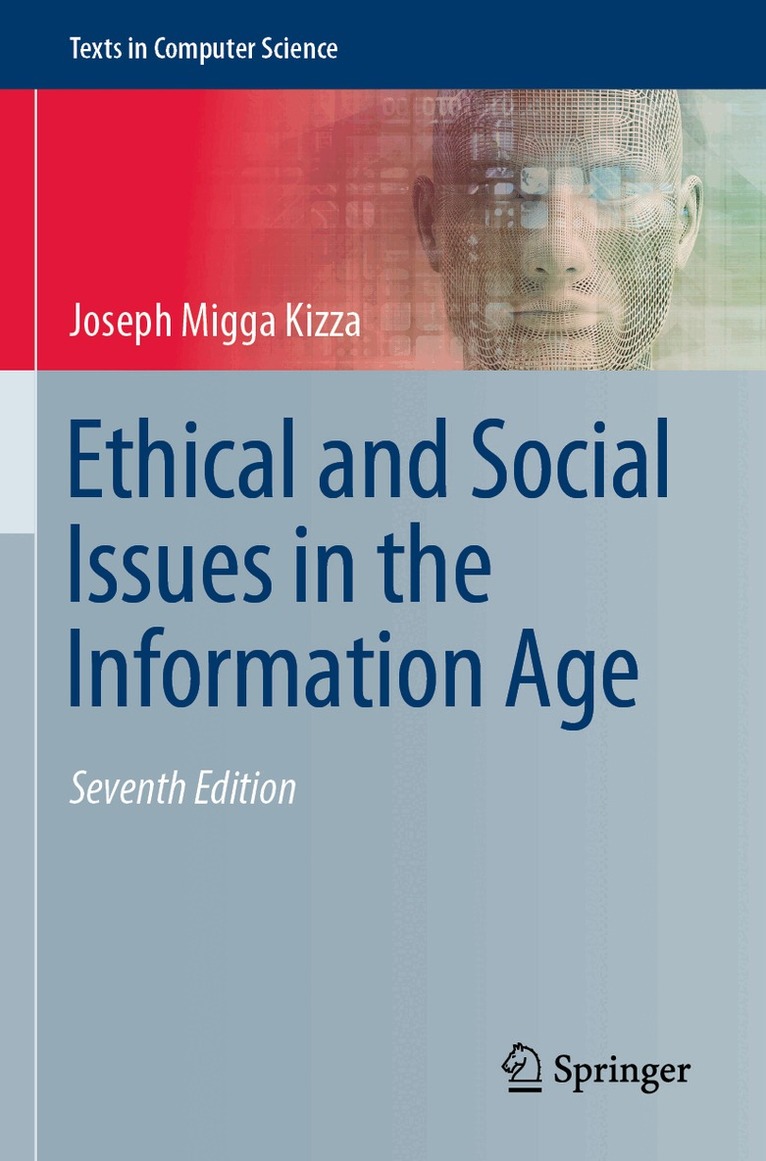
This textbook examines the ethical, social, and policy challenges arising from our rapidly and continuously evolving computing technology—ranging from the Internet, over to the cross-platforms consisting of ubiquitous portable and wearable devices to the eagerly anticipated metaverse—and how we can responsibly access and use these spaces. The text emphasizes the need for a strong ethical framework for all applications of computer science and engineering in our professional and personal life.This comprehensive seventh edition features thoroughly revised chapters with new and updated content, hardened by the bedrock ethical and moral values. Because of the rapidly changing computing and telecommunication ecosystem, a new chapter on Ethics and Social Responsibility in the Metaverse has been added. The interface between our current universe and the evolving metaverse presents a security quagmire. The discussion throughout the book is candid and intended to ignite students' interest and participation in class discussions and beyond. Topics and features:Establishes a philosophical framework and analytical tools for discussing moral theories and problems in ethical relativismOffers pertinent discussions on privacy, surveillance, employee monitoring, biometrics, civil liberties, harassment, the digital divide, and discriminationDiscusses the security and ethical quagmire in the platforms of the developing metaverseProvides exercises, objectives, and issues for discussion with every chapterExamines the ethical, cultural and economic realities of mobile telecommunications, computer social network ecosystems, and virtualization technologyReviews issues of property rights, responsibility and accountability relating to information technology and softwareExplores the evolution of electronic crime, network security, and computer forensicsIntroduces the new frontiers of ethics: virtual reality, artificial intelligence, and the InternetThis extensive textbook/reference addresses the latest curricula requirements for understanding the cultural, social, legal, and ethical issues in computer science and related fields, and offers invaluable advice for industry professionals wishing to put such principles into practice.
634 kr
Skickas inom 5-8 vardagar
646 kr
Skickas inom 10-15 vardagar
This textbook examines the ethical, social, and policy challenges arising from our rapidly and continuously evolving computing technology—ranging from the Internet, over to the cross-platforms consisting of ubiquitous portable and wearable devices to the eagerly anticipated metaverse—and how we can responsibly access and use these spaces. The text emphasizes the need for a strong ethical framework for all applications of computer science and engineering in our professional and personal life.This comprehensive seventh edition features thoroughly revised chapters with new and updated content, hardened by the bedrock ethical and moral values. Because of the rapidly changing computing and telecommunication ecosystem, a new chapter on Ethics and Social Responsibility in the Metaverse has been added. The interface between our current universe and the evolving metaverse presents a security quagmire. The discussion throughout the book is candid and intended to ignite students' interest and participation in class discussions and beyond. Topics and features:Establishes a philosophical framework and analytical tools for discussing moral theories and problems in ethical relativismOffers pertinent discussions on privacy, surveillance, employee monitoring, biometrics, civil liberties, harassment, the digital divide, and discriminationDiscusses the security and ethical quagmire in the platforms of the developing metaverseProvides exercises, objectives, and issues for discussion with every chapterExamines the ethical, cultural and economic realities of mobile telecommunications, computer social network ecosystems, and virtualization technologyReviews issues of property rights, responsibility and accountability relating to information technology and softwareExplores the evolution of electronic crime, network security, and computer forensicsIntroduces the new frontiers of ethics: virtual reality, artificial intelligence, and the InternetThis extensive textbook/reference addresses the latest curricula requirements for understanding the cultural, social, legal, and ethical issues in computer science and related fields, and offers invaluable advice for industry professionals wishing to put such principles into practice.
414 kr
Skickas inom 5-8 vardagar
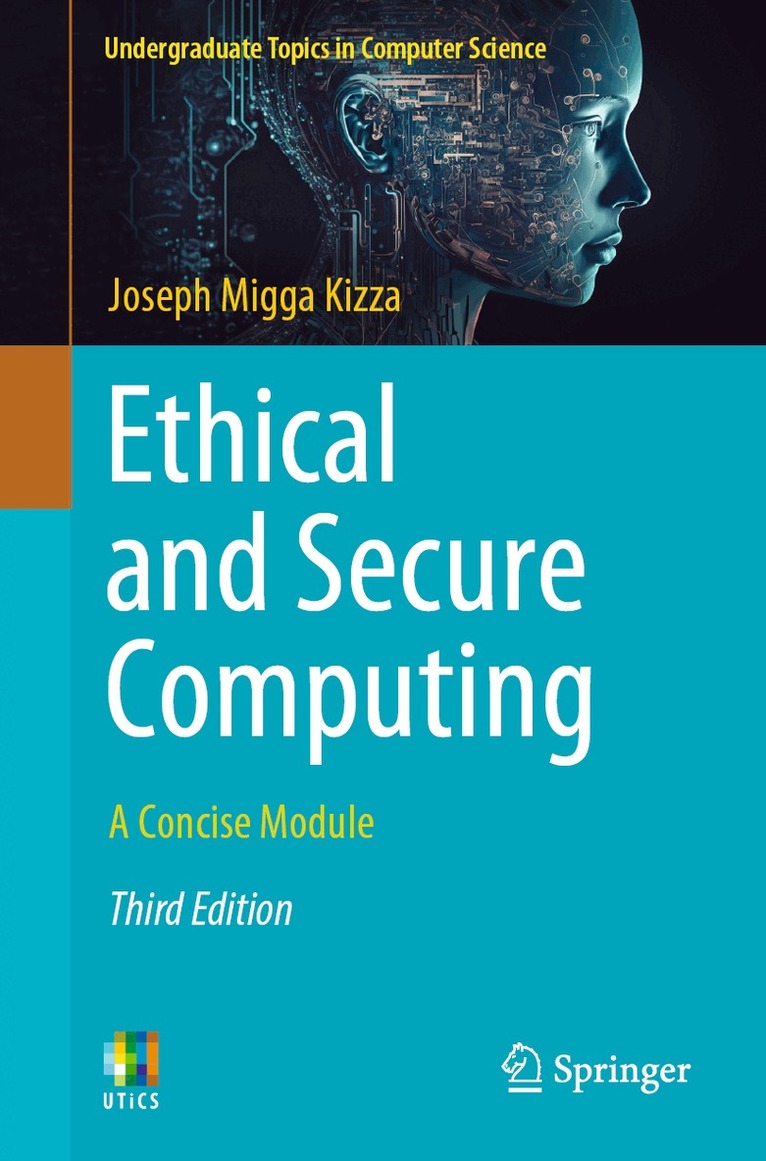
This textbook highlights the essential need for a strong ethical framework in our approach to teaching of and working in computer, information and engineering sciences.Through thought-provoking questions and case studies, the reader is challenged to consider the deeper implications arising from the use of today’s rapidly evolving computing technologies and ever-changing communication ecosystems.This thoroughly revised and updated third edition features revised chapters with new and updated content and hardened the ethical framework. To cope with the rapidly changing computing and telecommunication ecosystem, a new chapter, Ethics and Social Responsibility in the Metaverse, has been added. The interface between our current universe and the evolving metaverse presents a security quagmire. The discussion throughout the book is candid and intended to ignite students’ and professionals’ interest and active participation in discussions of the issues we are facing now and those likely to emerge in the near future. Topics and features—including fully updated content:Introduces a philosophical framework and tools for understanding and analyzing computer ethics in personal, public, and professional spheresDescribes the impact of computer technology on issues of security, privacy, anonymity, and civil libertiesDiscusses the security and ethical quagmire in the platforms of the developing metaverse (NEW chapter)Examines intellectual property rights in the context of computing, including the risks and liabilities associated with softwareDiscusses such key social issues in computing as the digital divide, employee monitoring in the workplace, and risks to physical and mental healthReviews the history of computer crime, and the threat of digitally facilitated bullying, harassment, and discriminationConsiders the ethical challenges arising from online social networks, mobile telecommunication technologies, virtual reality, the Internet of Things and 5G technologiesIncludes learning objectives, discussion questions and exercises throughoutThis concise and accessible work addresses the critical ethical and moral issues important to all designers and users of computer technologies. The text incorporates the latest curricula requirements for undergraduate courses in computer science, as well as offers invaluable insights into the social impact and legal challenges posed by the latest generation of computing devices and networks.
613 kr
Skickas inom 5-8 vardagar
1 208 kr
Skickas inom 10-15 vardagar
This timely textbook presents a comprehensive guide to the core topics in computing and information security and assurance realms, going beyond the security of networks to the ubiquitous mobile communications and online social networks that have become part of daily life.In the context of growing human dependence on a digital ecosystem, this book stresses the importance of security awareness—whether in homes, businesses, or public spaces. It also embraces the new and more agile and artificial-intelligence-boosted computing systems models, online social networks, and virtual platforms that are interweaving and fueling growth of an ecosystem of intelligent digital and associated social networks. This fully updated edition features new material on new and developing artificial intelligence models across all computing security systems spheres, blockchain technology, and the metaverse, leading toward security systems virtualizations.Topics and features:Explores the range of risks and vulnerabilities in all connected digital systemsPresents exercises of varying levels of difficulty at the end of each chapter, and concludes with a diverse selection of practical projectsDescribes the fundamentals of traditional computer network security, and common threats to securityDiscusses the role and challenges of artificial intelligence in advancing the security of computing systems’ algorithms, protocols, and best practicesRaises thought-provoking questions regarding legislative, legal, social, technical, and ethical challenges, such as the tension between privacy and securityOffers supplementary material for students and instructors at an associated website, including slides, additional projects, and syllabus suggestionsThis important textbook/reference is an invaluable resource for students of computer science, engineering, and information management, as well as for practitioners working in data- and information-intensive industries.Professor Joseph Migga Kizza is a professor, former Head of the Department of Computer Science and Engineering, and a former Director of the UTC InfoSec Center, at the University of Tennessee at Chattanooga, USA. He also authored the successful Springer textbooks Ethical and Social Issues in the Information Age and Ethical and Secure Computing: A Concise Module.
881 kr
Skickas inom 10-15 vardagar
This timely textbook presents a comprehensive guide to the core topics in computing and information security and assurance realms, going beyond the security of networks to the ubiquitous mobile communications and online social networks that have become part of daily life.In the context of growing human dependence on a digital ecosystem, this book stresses the importance of security awareness—whether in homes, businesses, or public spaces. It also embraces the new and more agile and artificial-intelligence-boosted computing systems models, online social networks, and virtual platforms that are interweaving and fueling growth of an ecosystem of intelligent digital and associated social networks. This fully updated edition features new material on new and developing artificial intelligence models across all computing security systems spheres, blockchain technology, and the metaverse, leading toward security systems virtualizations.Topics and features:Explores the range of risks and vulnerabilities in all connected digital systemsPresents exercises of varying levels of difficulty at the end of each chapter, and concludes with a diverse selection of practical projectsDescribes the fundamentals of traditional computer network security, and common threats to securityDiscusses the role and challenges of artificial intelligence in advancing the security of computing systems’ algorithms, protocols, and best practicesRaises thought-provoking questions regarding legislative, legal, social, technical, and ethical challenges, such as the tension between privacy and securityOffers supplementary material for students and instructors at an associated website, including slides, additional projects, and syllabus suggestionsThis important textbook/reference is an invaluable resource for students of computer science, engineering, and information management, as well as for practitioners working in data- and information-intensive industries.Professor Joseph Migga Kizza is a professor, former Head of the Department of Computer Science and Engineering, and a former Director of the UTC InfoSec Center, at the University of Tennessee at Chattanooga, USA. He also authored the successful Springer textbooks Ethical and Social Issues in the Information Age and Ethical and Secure Computing: A Concise Module.
666 kr
Skickas inom 10-15 vardagar
This fully revised and updated new edition of the definitive text/reference on computer network and information security presents a comprehensive guide to the repertoire of security tools, algorithms and best practices mandated by the technology we depend on.
523 kr
Skickas inom 10-15 vardagar
This engaging and thought-provoking textbook examines the ethical, social, and policy challenges arising from our rapidly and continuously evolving computing technology, ranging from the Internet to the ubiquitous portable devices we use to access it. The text emphasizes the need for a strong ethical framework for all applications of computer science and engineering in our professional and personal life.This thoroughly revised and updated sixth edition features two new chapters covering online harassment and cyberbullying, and the complex issues introduced by the emergence of the Internet of Things (IoT).Topics and features: establishes a philosophical framework and analytical tools for discussing moral theories and problems in ethical relativism; offers pertinent discussions on privacy, surveillance, employee monitoring, biometrics, civil liberties, harassment, the digital divide, and discrimination; examines the ethical, cultural and economic realities of mobile telecommunications, computer social network ecosystems, and virtualization technology; reviews issues of property rights, responsibility and accountability relating to information technology and software; explores the evolution of electronic crime, network security, and computer forensics; introduces the new frontiers of ethics: virtual reality, artificial intelligence, and the Internet; discusses the security quagmire of the IoT, and the growing threat of bullying facilitated by electronic technology (NEW); provides exercises, objectives, and issues for discussion with every chapter.This extensive textbook/reference addresses the latest curricula requirements for understanding the cultural, social, legal, and ethical issues in computer science and related fields, and offers invaluable advice for industry professionals wishing to put such principles into practice.