Joseph Tabbi – författare
Visar alla böcker från författaren Joseph Tabbi. Handla med fri frakt och snabb leverans.
18 produkter
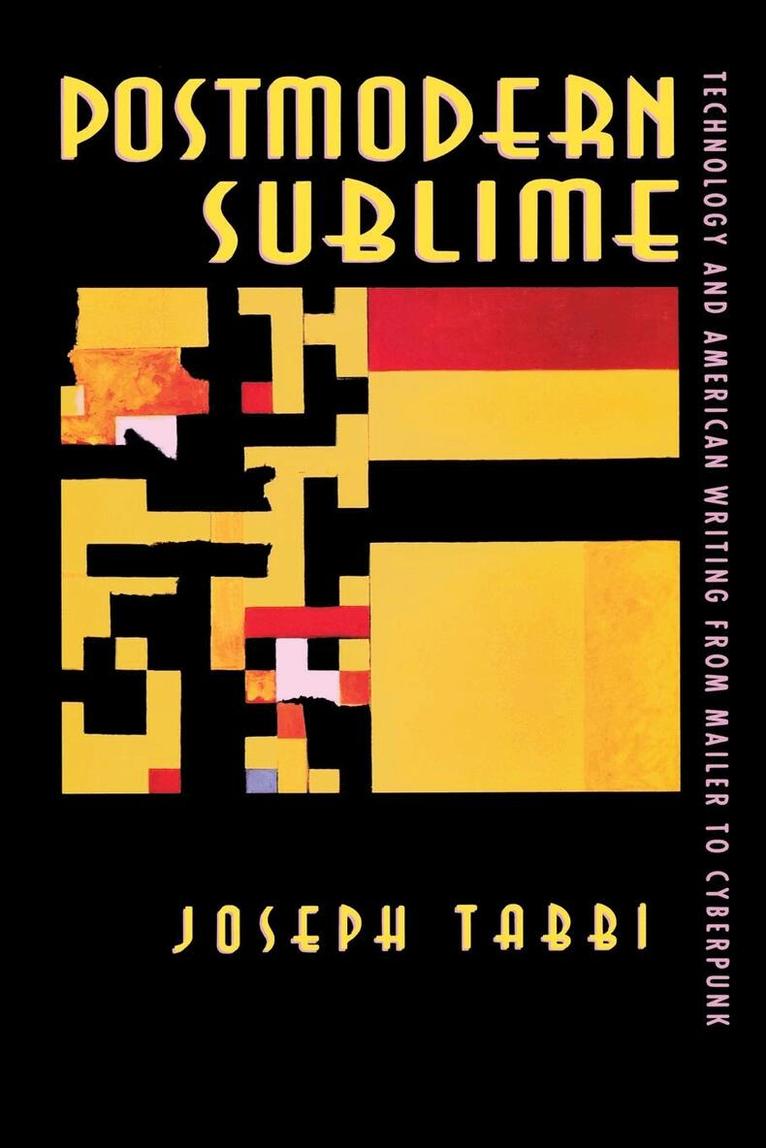
Postmodern Sublime
Technology and American Writing from Mailer to Cyberpunk
Av Joseph Tabbi
Inbunden, 1995
820 kr
Lägg i varukorg
Focusing on works by Norman Mailer, Thomas Pynchon, Joseph McElroy, and Don DeLillo, Joseph Tabbi finds that a simultaneous attraction to and repulsion from technology has produced a powerful new mode of modern writing—the technological sublime.
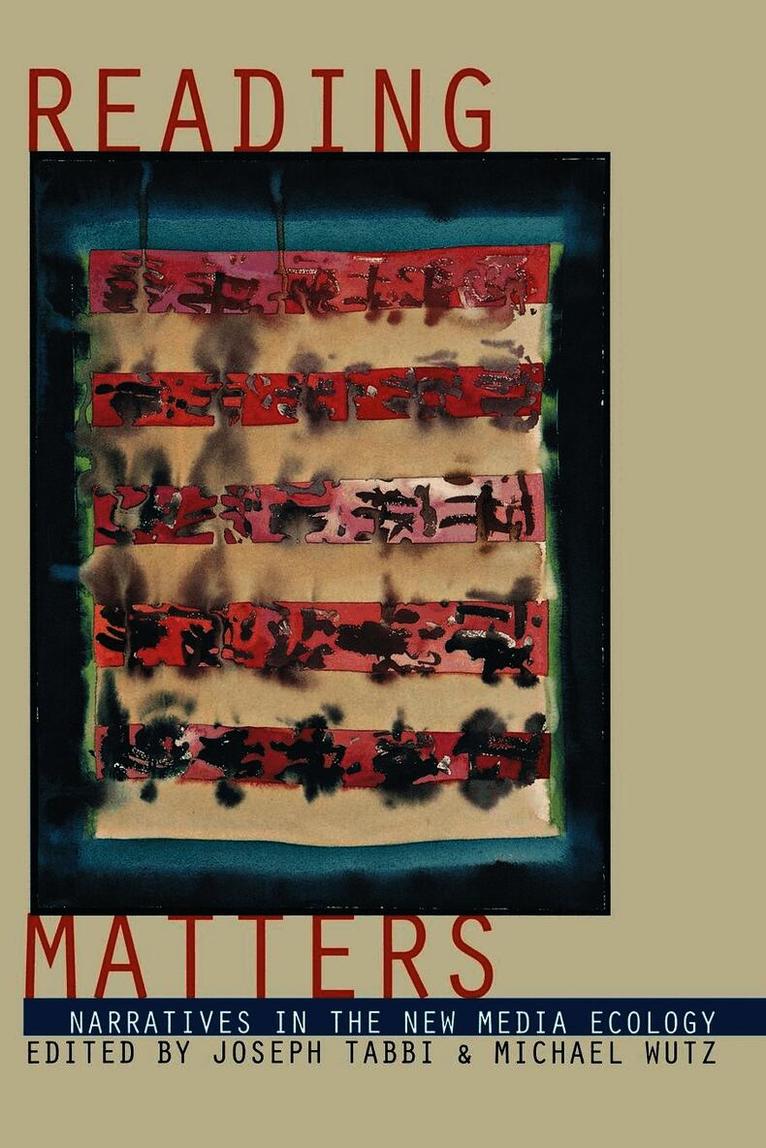
Reading Matters
Narrative in the New Media Ecology
Inbunden, 1997
1892 kr
Lägg i varukorg
The convergence of twentieth-century narrative and technology is one of the most important developments in current literary study. Roughly a decade after the founding of the Society for Literature and Science, and after the appearance of such influential books as Kathleen Woodward's Culture of …
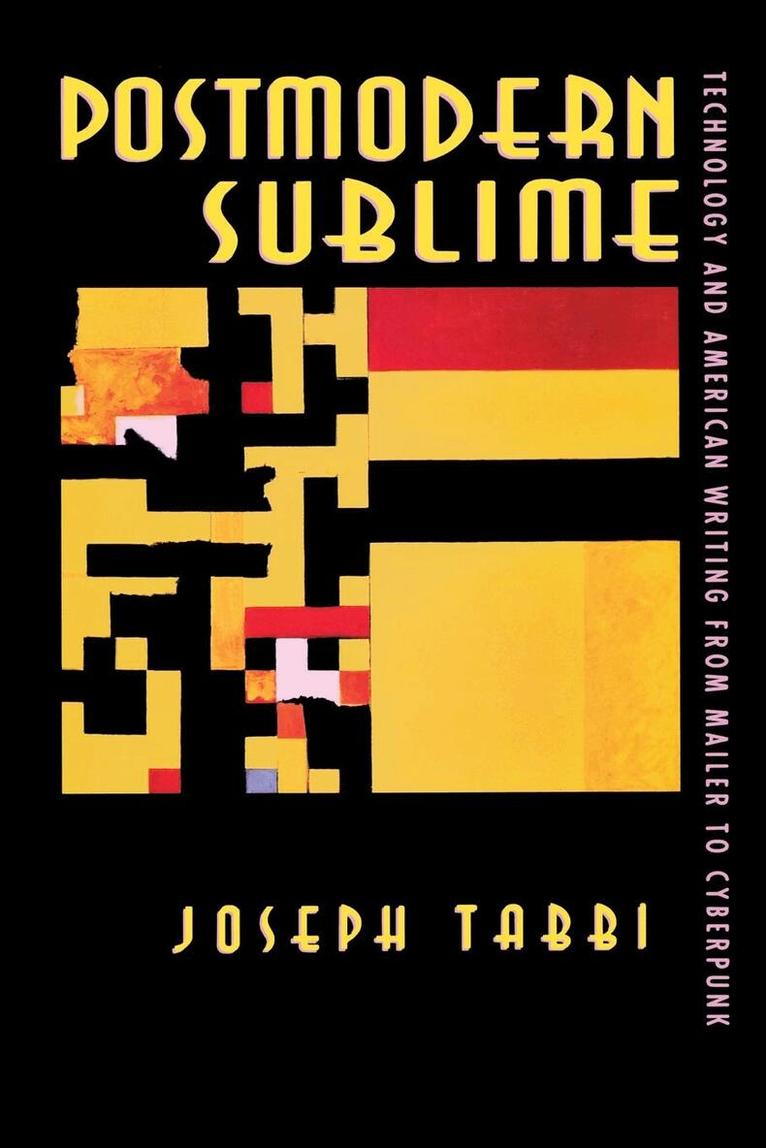
Postmodern Sublime
Technology and American Writing from Mailer to Cyberpunk
Av Joseph Tabbi
Häftad, 1996
576 kr
Lägg i varukorg
Focusing on works by Norman Mailer, Thomas Pynchon, Joseph McElroy, and Don DeLillo, Joseph Tabbi finds that a simultaneous attraction to and repulsion from technology has produced a powerful new mode of modern writing—the technological sublime.
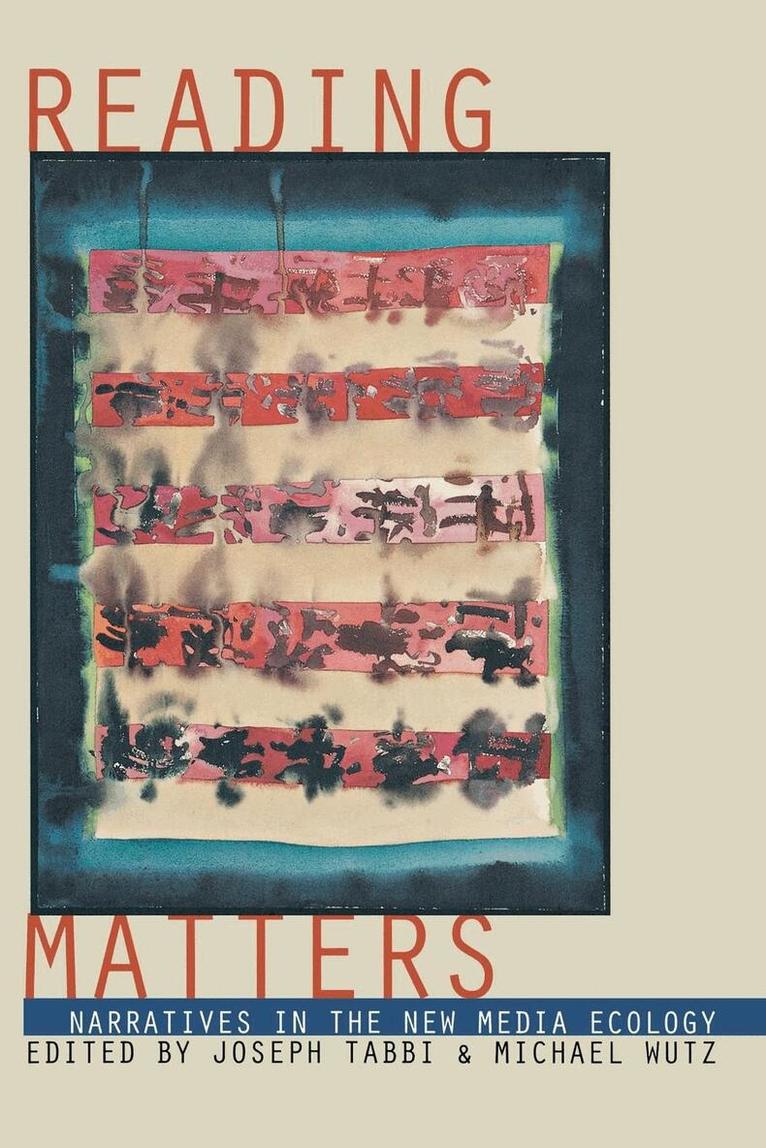
Reading Matters
Narrative in the New Media Ecology
Häftad, 1997
595 kr
Lägg i varukorg
The convergence of twentieth-century narrative and technology is one of the most important developments in current literary study. Roughly a decade after the founding of the Society for Literature and Science, and after the appearance of such influential books as Kathleen Woodward's Culture of …
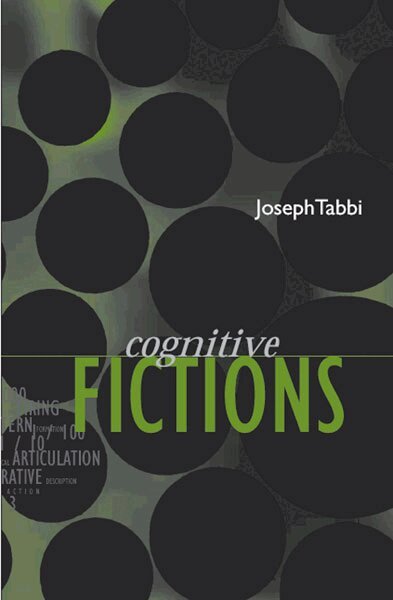
Cognitive Fictions
Av Joseph Tabbi
Häftad, 2002
347 kr
Lägg i varukorg
The first comprehensive look at the effect of new technologies on contemporary American fictionBringing together cognitive science and literary analysis to map a new "media ecology," Cognitive Fictions limns an evolutionary process in which literature must find its place in an artificial …
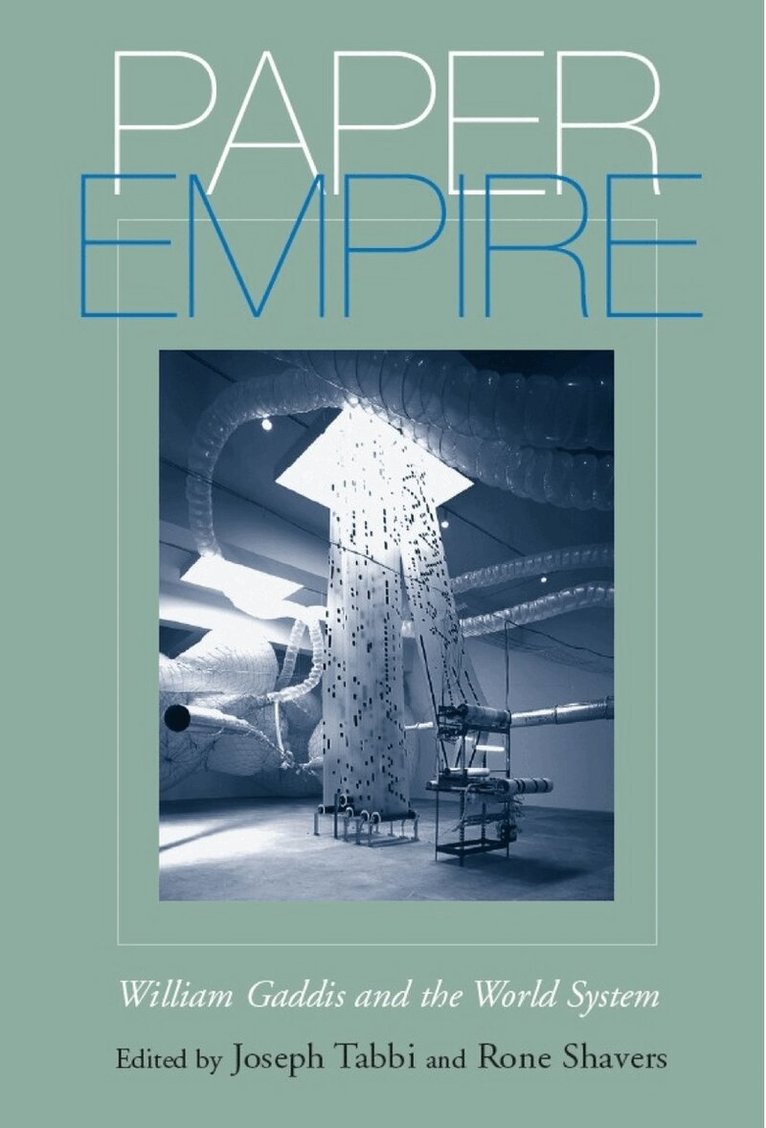
Paper Empire
William Gaddis and the World System
Häftad, 2007
442 kr
Lägg i varukorg
In 2002, following the posthumous publication of William Gaddis' collected nonfiction, his final novel, and Jonathan Franzen's lengthy attack on him in ""The New Yorker"", a number of partisan articles appeared in support of Gaddis' legacy. In a review in ""The London Review of Books"", critic Hal …
Paper Empire
William Gaddis and the World System
E-bok, 2008
762 kr
Lägg i varukorg
Celebrates and illuminates the legacy of one of America’s most innovative and consequential 20th century novelists In 2002, following the posthumous publication of William Gaddis’s collected nonfiction and his final novel and Jonathan Franzen’s lengthy attack on him in The New Yorker, a number of …
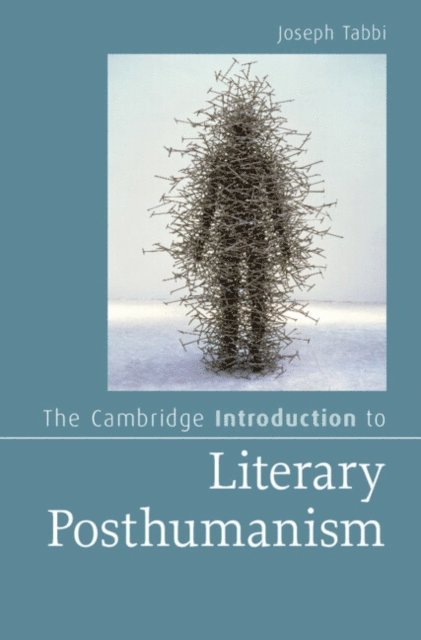
Cambridge Introduction to Literary Posthumanism
Av Joseph Tabbi
Häftad, 2024
359 kr
Lägg i varukorg
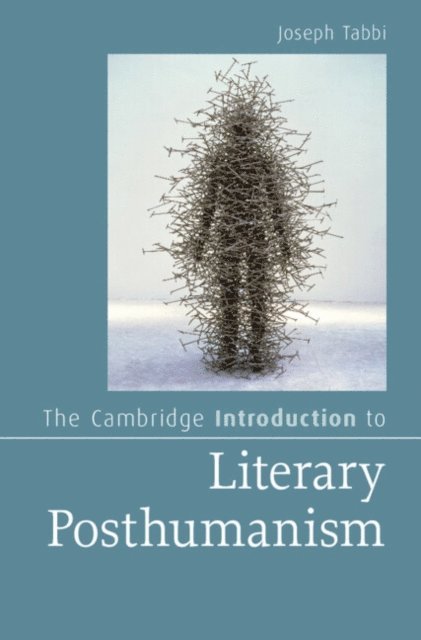
At a time when scholars in both literary and scientific disciplines are advancing the term posthumanism, this book offers a through-line. Beginning with Mary Shelley's Frankenstein and continuing into the post-print, born-digital excursions of Shelley Jackson's Patchwork Girl, this literary …
Cambridge Introduction to Literary Posthumanism
Av Joseph Tabbi
Inbunden, 2024
1329 kr
Lägg i varukorg
At a time when scholars in both literary and scientific disciplines are advancing the term posthumanism, this book offers a through-line. Beginning with Mary Shelley's Frankenstein and continuing into the post-print, born-digital excursions of Shelley Jackson's Patchwork Girl, this literary …
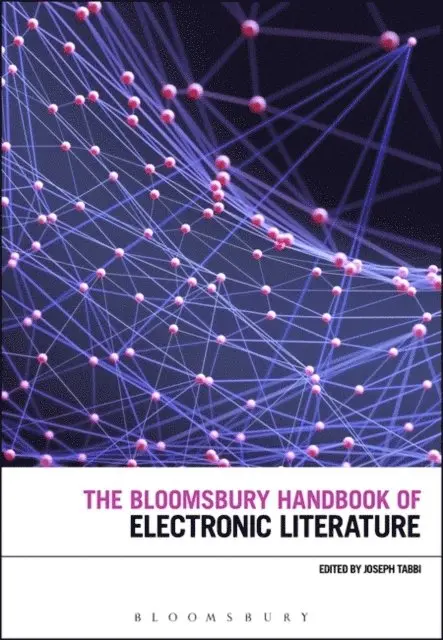
Bloomsbury Handbook of Electronic Literature
Av Joseph Tabbi
Häftad, 2019
592 kr
Lägg i varukorg
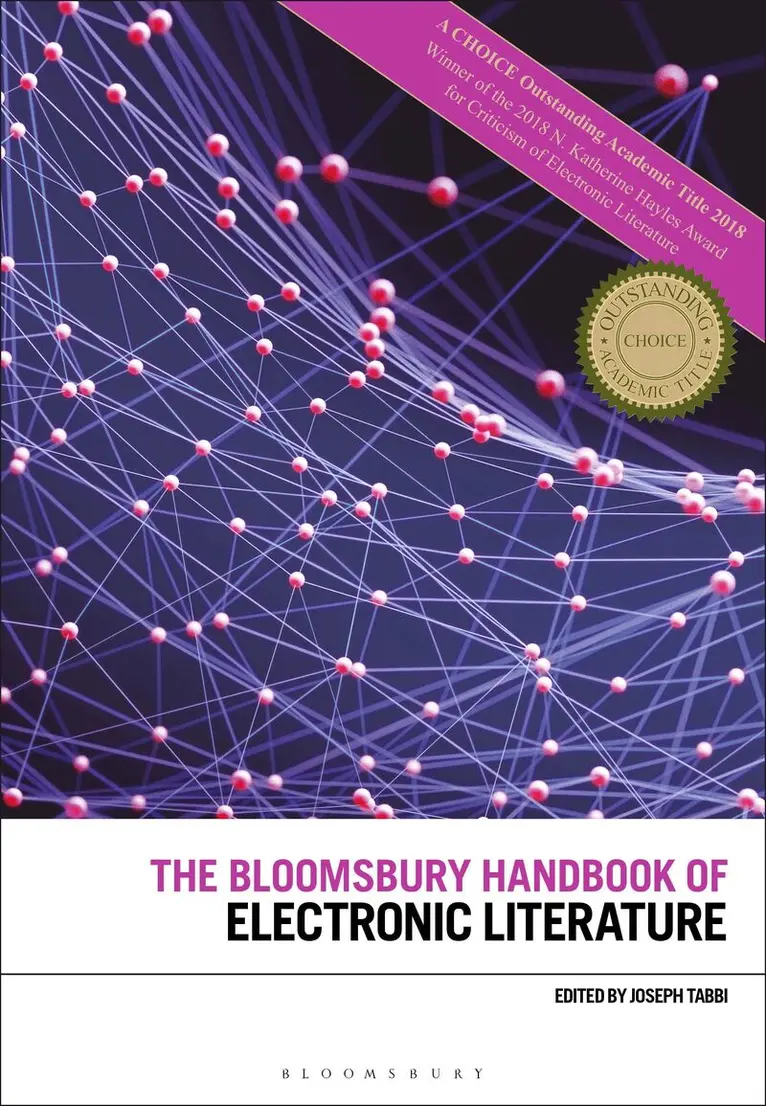
A CHOICE Outstanding Academic Title 2018Winner of the N. Katherine Hayles Award for Criticism of Electronic Literature 2018The digital age has had a profound impact on literary culture, with new technologies opening up opportunities for new forms of literary art from hyperfiction to multi-media …
Bloomsbury Handbook of Electronic Literature
Av Joseph Tabbi
Inbunden, 2017
2606 kr
Lägg i varukorg
Winner of the 2017 N. Katherine Hayles Award for Criticism of Electronic LiteratureA CHOICE Outstanding Academic Title 2018The digital age has had a profound impact on literary culture, with new technologies opening up opportunities for new forms of literary art from hyperfiction to multi-media …
Bloomsbury Handbook of Electronic Literature
Av Joseph Tabbi
E-bok, 2017
645 kr
Lägg i varukorg
Winner of the 2017 N. Katherine Hayles Award for Criticism of Electronic Literature A CHOICE Outstanding Academic Title 2018 The digital age has had a profound impact on literary culture, with new technologies opening up opportunities for new forms of literary art from hyperfiction to multi-media …
Bloomsbury Handbook of Electronic Literature
Av Joseph Tabbi
E-bok, 2017
625 kr
Lägg i varukorg
Winner of the 2017 N. Katherine Hayles Award for Criticism of Electronic Literature A CHOICE Outstanding Academic Title 2018 The digital age has had a profound impact on literary culture, with new technologies opening up opportunities for new forms of literary art from hyperfiction to multi-media …
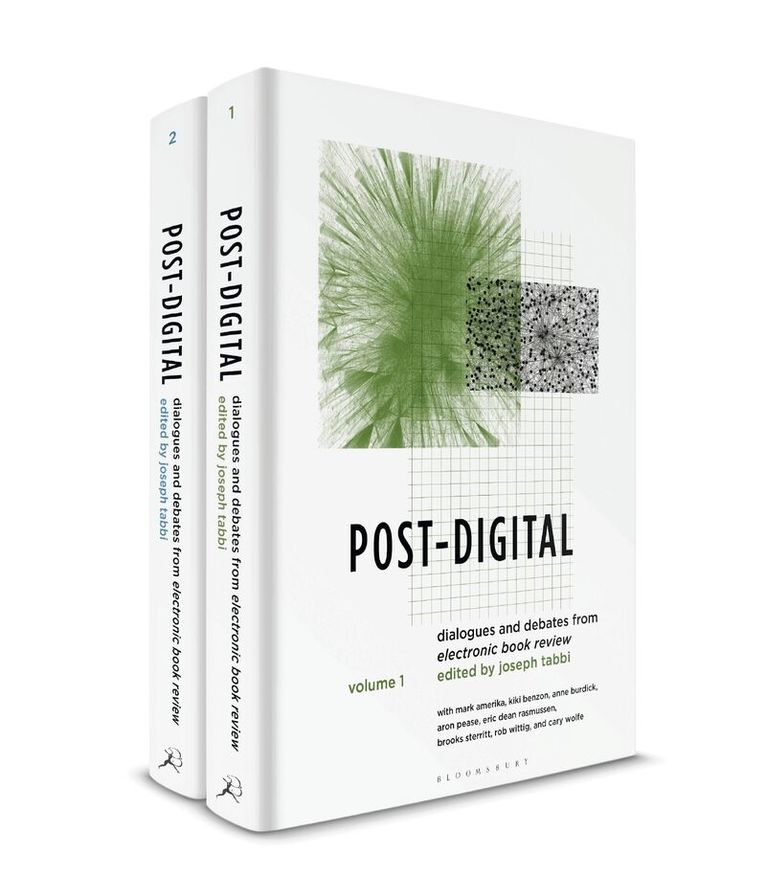
Post-Digital
Dialogues and Debates from electronic book review
Av Joseph Tabbi
2020
6174 kr
Lägg i varukorg
Post-Digital charts the history of the digital revolution and gauges its impact on contemporary literature, art, criticism, and theory. Collecting more than 20 years' worth of major interventions from the pioneering journal electronic book review, this landmark 2-volume set contains close to 100 …
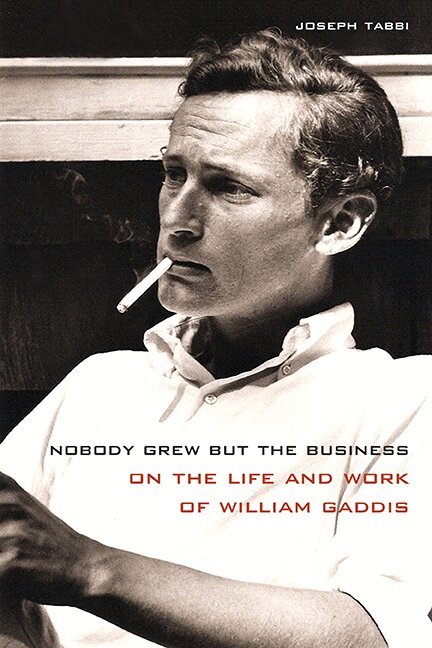
Nobody Grew but the Business
On the Life and Work of William Gaddis
Av Joseph Tabbi
Inbunden, 2015
416 kr
Tillfälligt slut
During his lifetime, William Gaddis (1922–1998) evaded biographical questions, never read from his work publicly, and didn’t allow his photograph to appear on his books. Before his novel J R (1975) won Gaddis the National Book Award and some measure of renown, he had given up the bohemian world of …
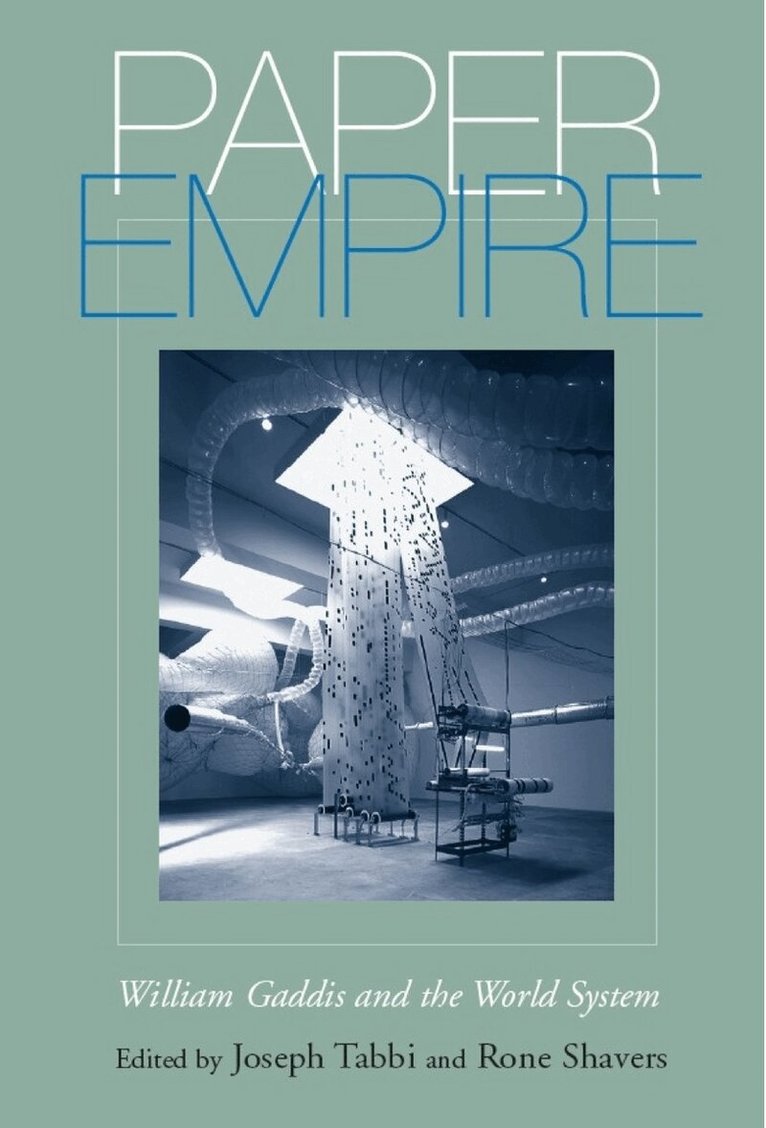
Paper Empire
William Gaddis and the World System
Inbunden, 2007
458 kr
Tillfälligt slut
In 2002, following the posthumous publication of William Gaddis' collected nonfiction, his final novel, and Jonathan Franzen's lengthy attack on him in ""The New Yorker"", a number of partisan articles appeared in support of Gaddis's legacy. In a review in ""The London Review of Books"", critic Hal …