Josephine Woll – författare
Visar alla böcker från författaren Josephine Woll. Handla med fri frakt och snabb leverans.
8 produkter
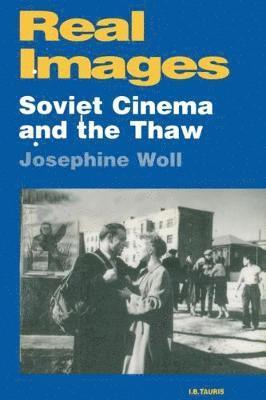
Real Images
Soviet Cinema and the Thaw
E-bok, 1999
421 kr
Lägg i varukorg
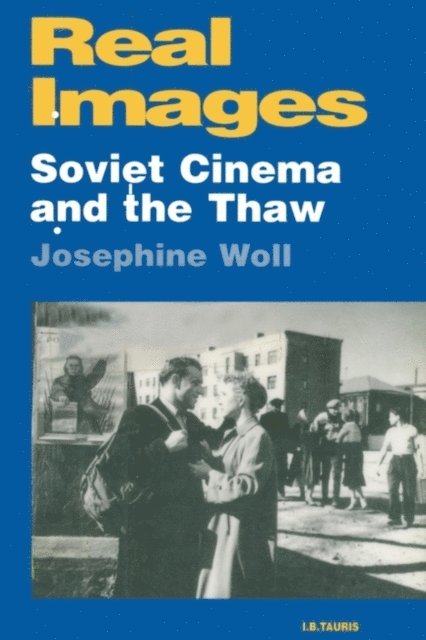
During ""the thaw"" from Stalin's death in 1953 to the late 1960s and Khrushchev's rule, Soviet society experienced major transformations. So did films. In this first comprehensive account of the relationship between politics and cinema in this period, Josephine Woll skillfully interweaves cultural …
Real Images
Soviet Cinema and the Thaw
E-bok, 1999
417 kr
Lägg i varukorg
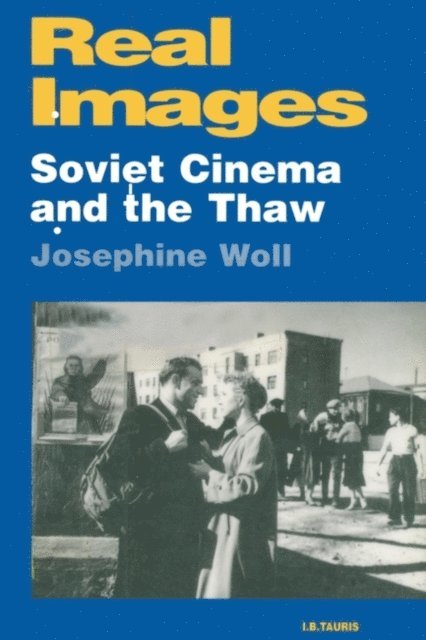
During ""the thaw"" from Stalin's death in 1953 to the late 1960s and Khrushchev's rule, Soviet society experienced major transformations. So did films. In this first comprehensive account of the relationship between politics and cinema in this period, Josephine Woll skillfully interweaves cultural …
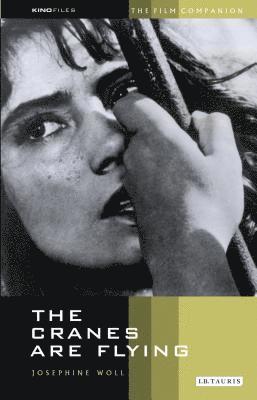
Cranes are Flying
E-bok, 2003
397 kr
Lägg i varukorg
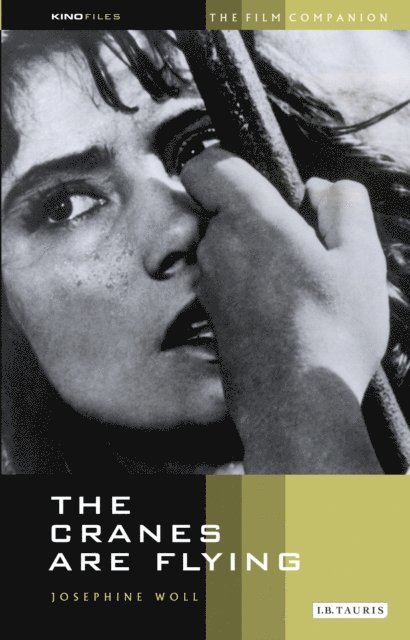
Arguably the first masterpiece of post-Stalinist cinema, "The Cranes are Flying" is an intersection of politics and art. A product of Khruschev's "Thaw", its sympathetic portrayal of human beings affected by World War II, and its highly individual style won awards worldwide. Josephine Woll examines …
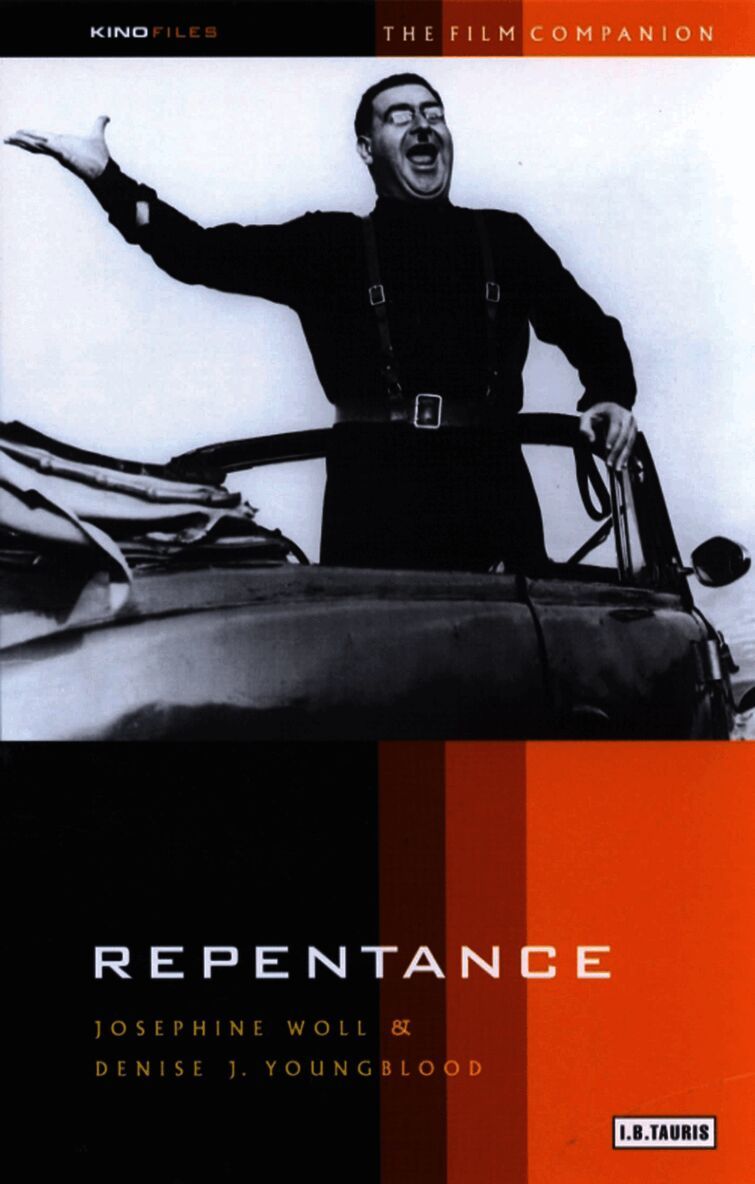
Repentance
The Film Companion
Av Denise J. Youngblood, Josephine Woll
E-bok, 2001
366 kr
Lägg i varukorg
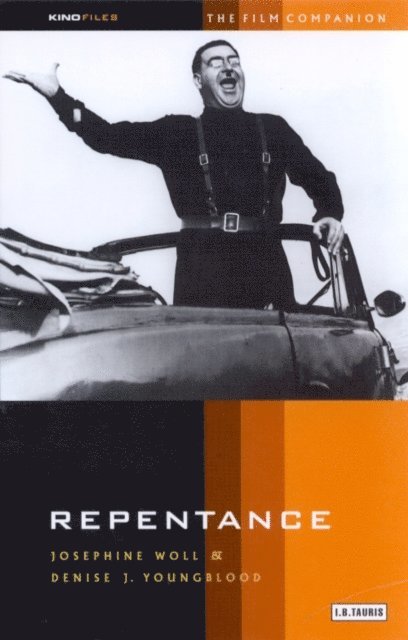
Tengiz Abuladze's allegorical film, made in Georgia, is the best known film of the perestroika and glasnost years. With its outspoken and controversial reference to the Stalin era and Stalin's place in the Soviet psyche, 'Repentance' was originally shelved but ultimately released in 1986 to …
Real Images
Soviet Cinema and the Thaw
Inbunden, 1999
984 kr
Lägg i varukorg
During ""the thaw"" from Stalin's death in 1953 to the late 1960s and Khrushchev's rule, Soviet society experienced major transformations. So did films. In this first comprehensive account of the relationship between politics and cinema in this period, Josephine Woll skillfully interweaves cultural …
Repentance
The Film Companion
Av Denise J. Youngblood, Josephine Woll
Häftad, 2001
365 kr
Lägg i varukorg
Tengiz Abuladze's allegorical film, made in Georgia, is the best known film of the perestroika and glasnost years. With its outspoken and controversial reference to the Stalin era and Stalin's place in the Soviet psyche, 'Repentance' was originally shelved but ultimately released in 1986 to …
Cranes are Flying
Häftad, 2003
368 kr
Lägg i varukorg
Arguably the first masterpiece of post-Stalinist cinema, "The Cranes are Flying" is an intersection of politics and art. A product of Khruschev's "Thaw", its sympathetic portrayal of human beings affected by World War II, and its highly individual style won awards worldwide. Josephine Woll examines …
Real Images
Soviet Cinema and the Thaw
Av Josephine Woll, Birgit Beumers
Häftad, 1999
398 kr
Lägg i varukorg
This text investigates and analyzes Soviet cinema of "the thaw", from the aftermath of Stalin's death in 1953 to the late 1960s, during Khruschev's rule. Josephine Woll explains how Soviet industry and film-makers strove to satisfy audiences' hunger for films, whilst accommodating politics.