Denise J. Youngblood – författare
Visar alla böcker från författaren Denise J. Youngblood. Handla med fri frakt och snabb leverans.
10 produkter
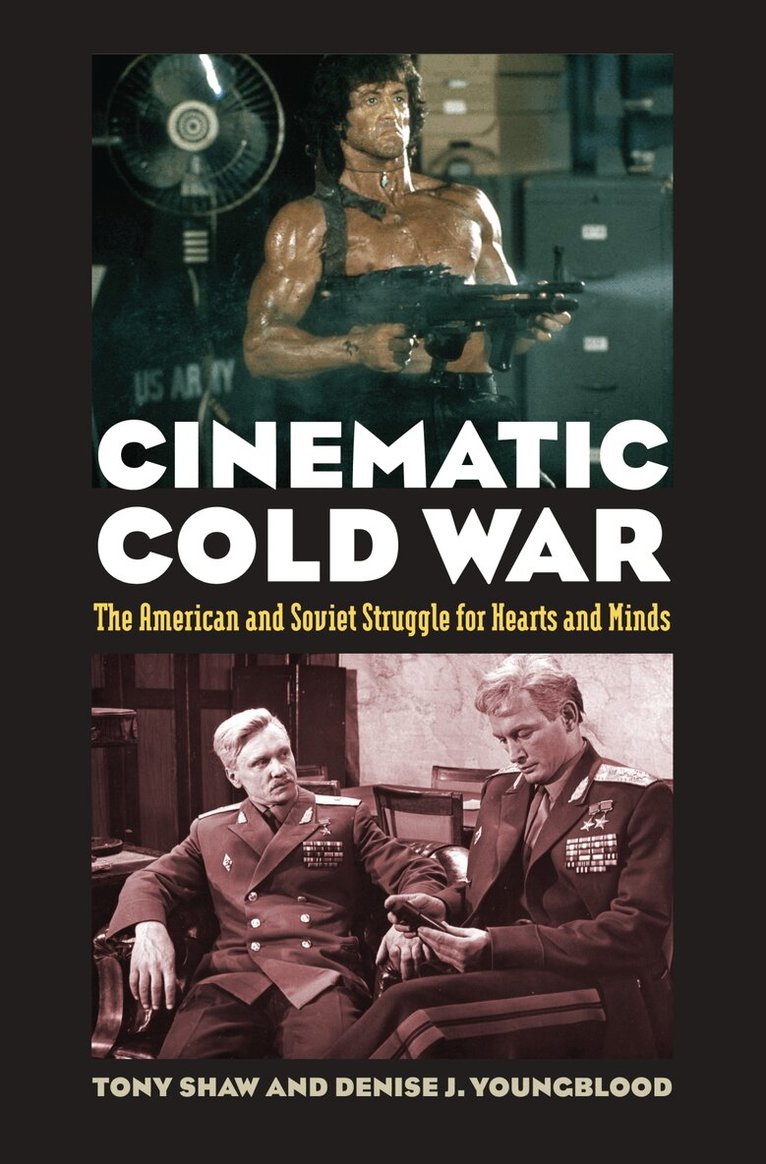
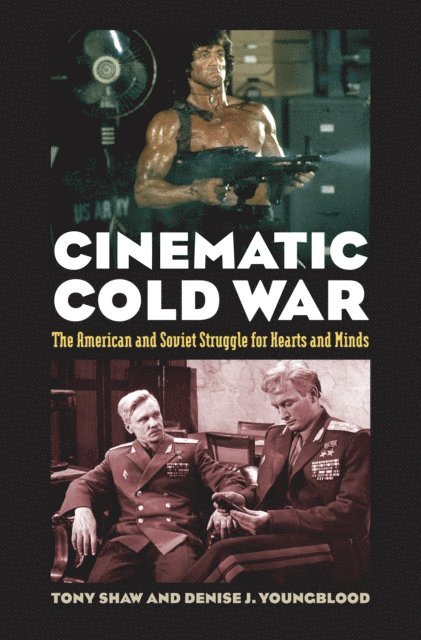
Cinematic Cold War
The American and Soviet Struggle for Hearts and Minds
Av Tony Shaw, Denise J. Youngblood
Häftad, 2014
400 kr
Lägg i varukorg
The Cold War was as much a battle of ideas as a series of military and diplomatic confrontations, and movies were a prime battleground for this cultural combat. As Tony Shaw and Denise Youngblood show, Hollywood sought to export American ideals in movies like Rambo, and the Soviet film industry …
Soviet Cinema in the Silent Era, 1918–1935
Häftad, 1991
412 kr
Lägg i varukorg
The golden age of Soviet cinema, in the years following the Russian Revolution, was a time of both achievement and contradiction, as reflected in the films of Eisenstein, Pudovkin, and Kuleshov. Tensions ran high between creative freedom and institutional constraint, radical and reactionary …
Magic Mirror
Moviemaking in Russia, 1908-18
Häftad, 1999
225 kr
Lägg i varukorg
This work is a study of ten years of native Russian film production through the Revolution of 1917, based almost exclusively on Russian-language primary sources. Showing how these films portrayed and appealed to a new urban middle class, the author examines the organization and evolution of the …
Movies for the Masses
Popular Cinema and Soviet Society in the 1920s
Häftad, 1993
607 kr
Lägg i varukorg
This book is a pathbreaking study of the 'unknown' Soviet cinema: the popular movies which were central to Soviet film production in the 1920s. Professor Youngblood discusses acting genres, the cinema stars, audiences, and the influences of foreign films and examines three leading filmmakers - …
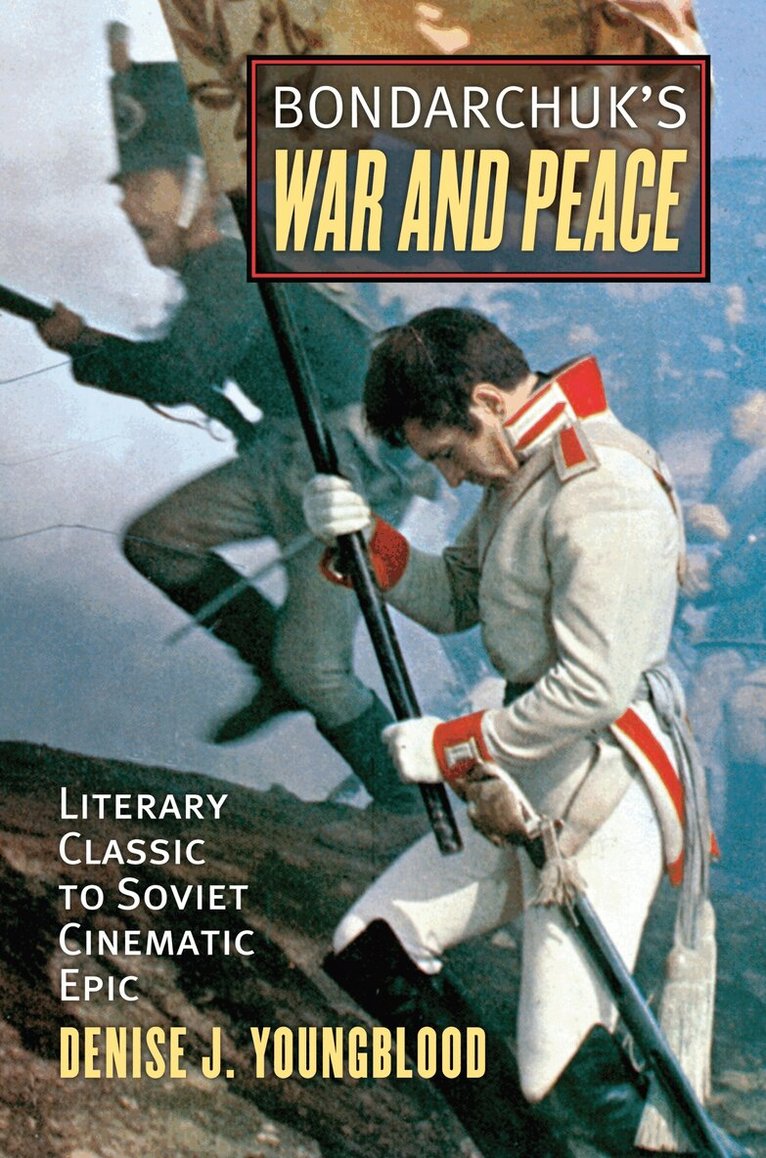
Bondarchuk's 'War and Peace'
Literary Classic to Soviet Cinematic Epic
Inbunden, 2014
661 kr
Lägg i varukorg
Sergei Bondarchuk's War and Peace, one of the world's greatest film epics, originated as a consequence of the Cold War. Conceived as a response to King Vidor's War and Peace, Bondarchuk's surpassed that film in every way, giving the USSR one small victory in the cultural Cold War for hearts and …
Bondarchuk's War and Peace
Literary Classic to Soviet Cinematic Epic
E-bok, 2014
446 kr
Lägg i varukorg
Sergei Bondarchuk''s War and Peace , one of the world''s greatest film epics, originated as a consequence of the Cold War. Conceived as a response to King Vidor''s War and Peace , Bondarchuk''s surpassed that film in every way, giving the USSR one small victory in the cultural Cold War for hearts …
Cinematic Cold War
The American and Soviet Struggle for Hearts and Minds
Av Denise J. Youngblood, Tony Shaw
E-bok, 2014
297 kr
Lägg i varukorg
The Cold War was as much a battle of ideas as a series of military and diplomatic confrontations, and movies were a prime battleground for this cultural combat. As Tony Shaw and Denise Youngblood show, Hollywood sought to export American ideals in movies like Rambo, and the Soviet film industry …
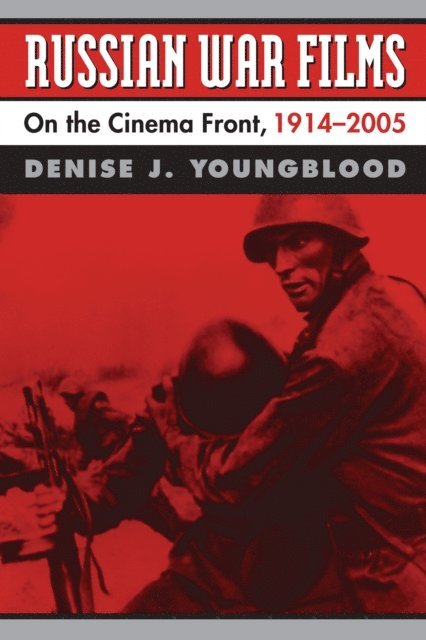
Russian War Films
On the Cinema Front, 1914-2005
E-bok, 2024
436 kr
Lägg i varukorg
Choice Outstanding Title War movies have long been the most influential genre in Russian cinema, so much so that in the Soviet Union''s militaristic society, "cinema front" was used to describe the film industry itself. Denise J. Youngblood, an internationally recognized authority on Russian and …
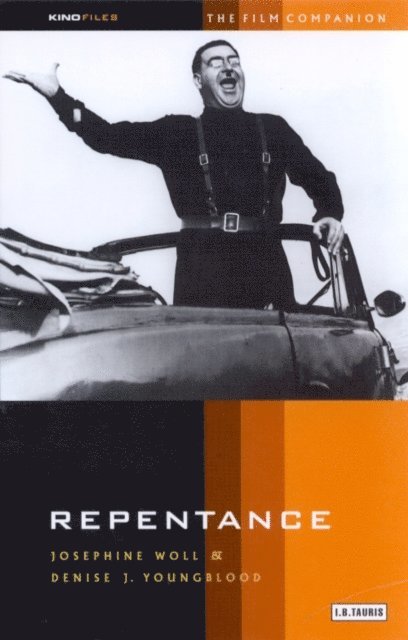
Repentance
The Film Companion
Av Denise J. Youngblood, Josephine Woll
E-bok, 2001
366 kr
Lägg i varukorg
Tengiz Abuladze's allegorical film, made in Georgia, is the best known film of the perestroika and glasnost years. With its outspoken and controversial reference to the Stalin era and Stalin's place in the Soviet psyche, 'Repentance' was originally shelved but ultimately released in 1986 to …
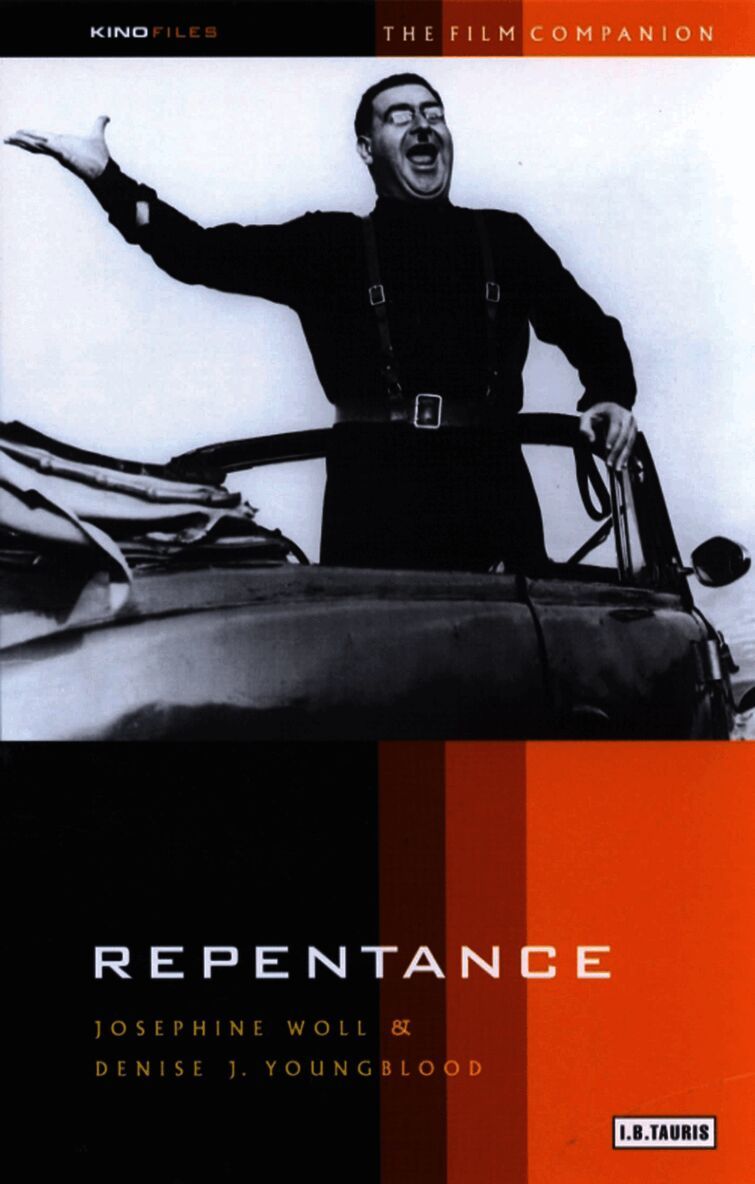
Repentance
The Film Companion
Av Denise J. Youngblood, Josephine Woll
Häftad, 2001
365 kr
Lägg i varukorg
Tengiz Abuladze's allegorical film, made in Georgia, is the best known film of the perestroika and glasnost years. With its outspoken and controversial reference to the Stalin era and Stalin's place in the Soviet psyche, 'Repentance' was originally shelved but ultimately released in 1986 to …