Joshua A. Bell - Böcker
Visar alla böcker från författaren Joshua A. Bell. Handla med fri frakt och snabb leverans.
6 produkter
6 produkter
661 kr
Skickas inom 10-15 vardagar
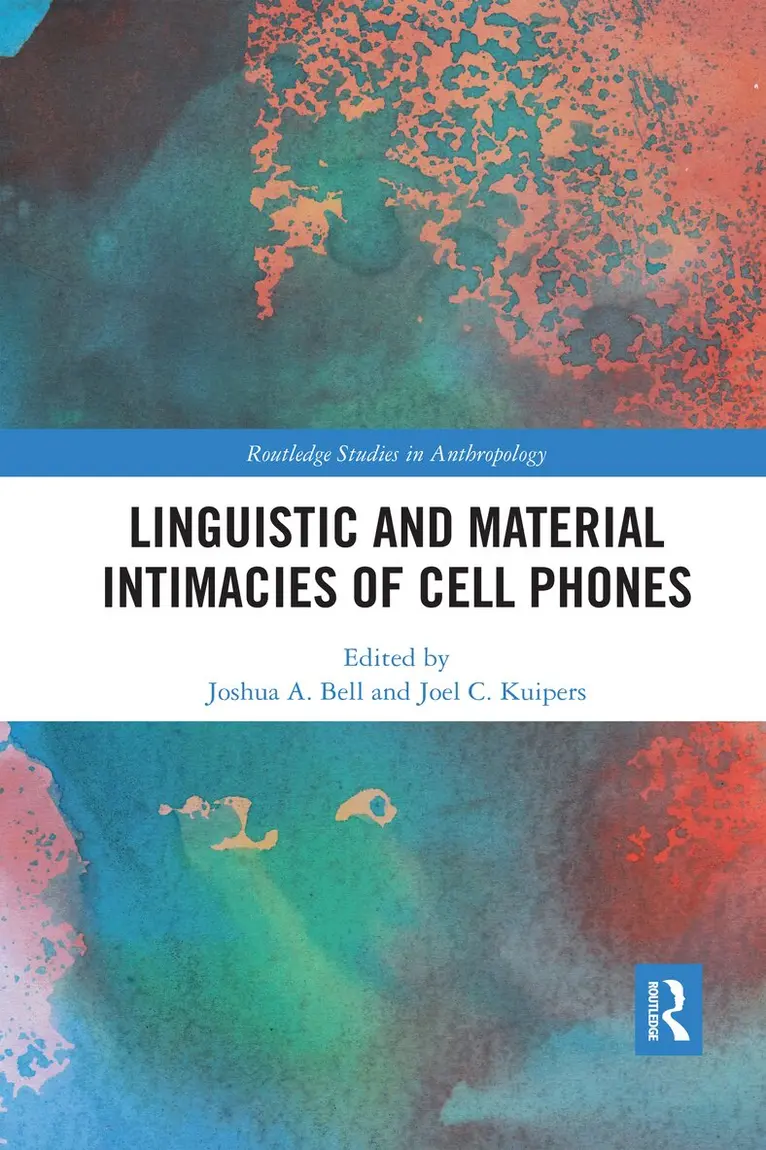
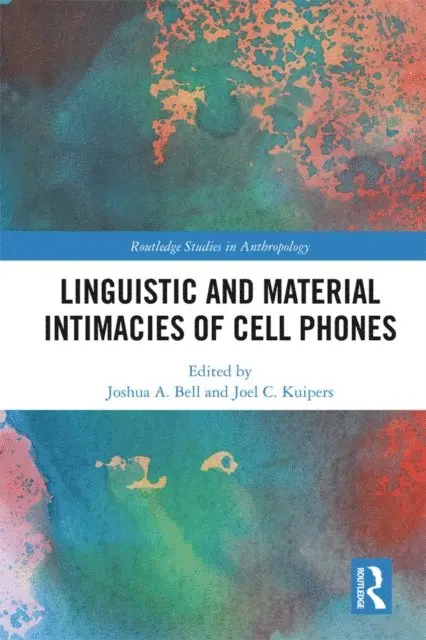
Linguistic and Material Intimacies of Cell Phones offers a detailed ethnographic and anthropological examination of the social, cultural, linguistic and material aspects of cell phones. With contributions from an international range of established and emerging scholars, this is a truly global collection with rural and urban examples from communities across the Global North and South. Linking the use of cell phones to contemporary discussions about representation, mediation and subjectivity, the book investigates how this increasingly ubiquitous technology challenges the boundaries of privacy and selfhood, raising new questions about how we communicate.
756 kr
Skickas inom 7-10 vardagar
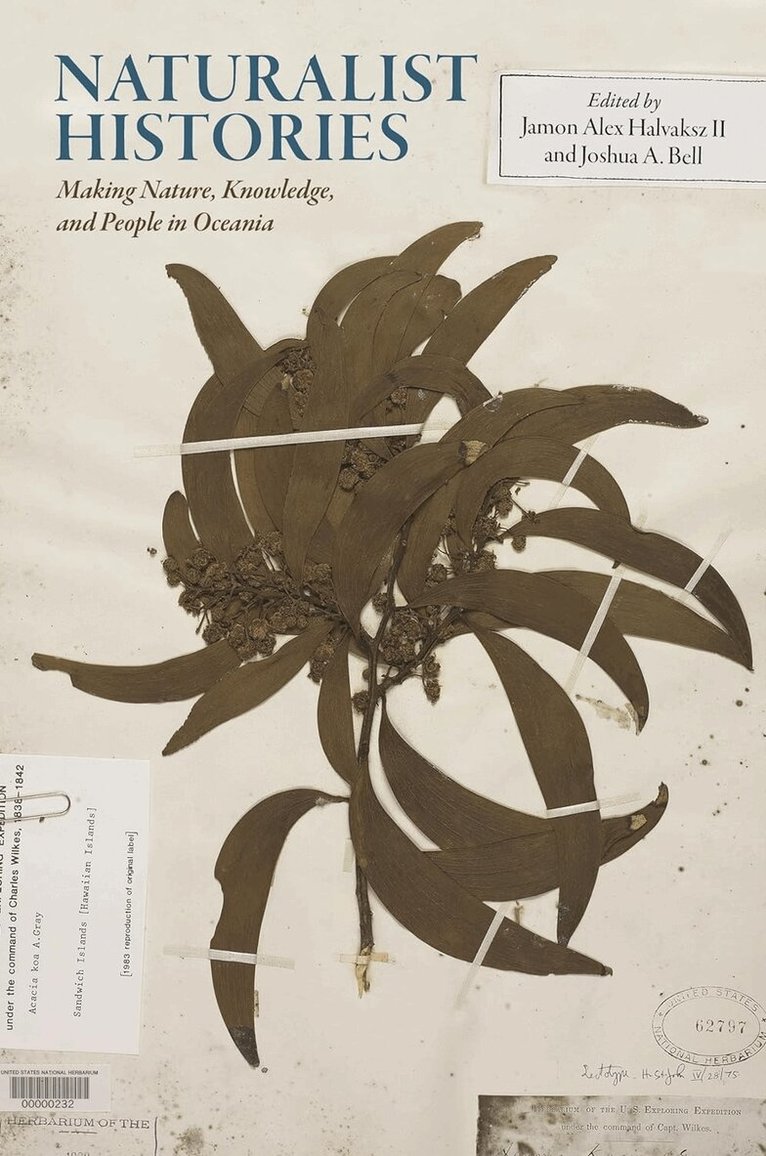
From early explorers to contemporary scientists, naturalists have examined island flora and fauna of Oceania, discovering new species, carefully documenting the lives of animals, and creating work central to the image of Oceania. These "discoveries" and exploratory moves have had profound local and global impacts. Often, however, local knowledge and communities are silent in the ethologies and histories that naturalists produce. This volume analyzes the ways that Indigenous and non-Indigenous naturalists have made island natures visible to a wider audience, their relationship with the communities where they work, as well as the unique natures that they explore and help make. In staking out an area of naturalist histories, each contributor addresses the relationship between naturalists and Oceanic communities, how these histories shaped past and present place and practices, the influence on conservations and development projects, and the relationship between scientific and indigenous knowledge. The essays span across colonial and postcolonial frames, tracing shifts in biological practice from the eighteenth- and nineteenth-century focus on taxonomy and discovery to the twentieth-century disciplinary restructurings and new collecting strategies, and contemporary concerns with biodiversity loss, conservation, and knowledge formation.The production of scientific knowledge is typically seen in ethnographic accounts as oppositional, contrasting Indigenous and western, local and global, objective and subjective. Such dichotomous views reinforce differences and further exaggerate inequities in the production of knowledge. More dangerously, value distinctions become embedded in discussions of Indigenous identity, rights, and sovereignty. Contributors acknowledge that these dichotomous narratives have dominated the approach of the scientific community while informing how social scientists have understood the contributions of Pacific communities. The essays offer a nuanced gradient as historical narratives of scientific investigation, in dialogue with local histories, and reveal greater levels of participation in the creation of knowledge. The volume highlights how power infuses the scientific endeavor and offers a distinct and diverse view of knowledge production in Oceania. Combining senior and emerging international scholars, the collection will be of interest to researchers in the social sciences, history, as well as biology and allied fields.
2 098 kr
Skickas inom 10-15 vardagar
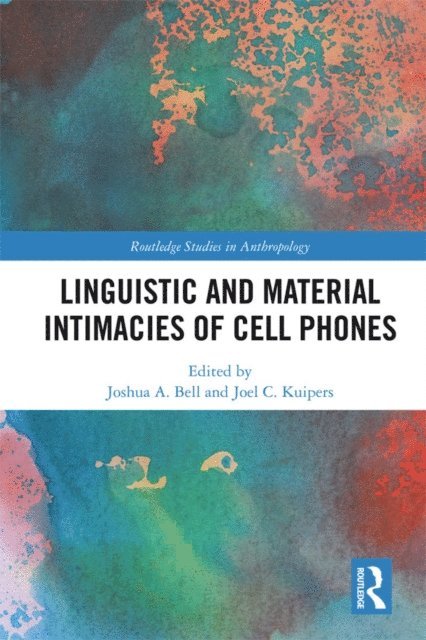
Linguistic and Material Intimacies of Cell Phones offers a detailed ethnographic and anthropological examination of the social, cultural, linguistic and material aspects of cell phones. With contributions from an international range of established and emerging scholars, this is a truly global collection with rural and urban examples from communities across the Global North and South. Linking the use of cell phones to contemporary discussions about representation, mediation and subjectivity, the book investigates how this increasingly ubiquitous technology challenges the boundaries of privacy and selfhood, raising new questions about how we communicate.
Del 10 - Asia-Pacific Environment Monog
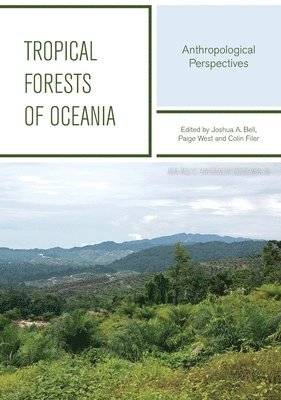
Tropical Forests Of Oceania: Anthropological Perspectives
Häftad, Engelska, 2015
475 kr
Skickas inom 5-8 vardagar
521 kr
Skickas inom 7-10 vardagar
In the West at the turn of the twentieth century, public understanding of science and the world was shaped in part by expeditions to Asia, North America, and the Pacific. The Anthropology of Expeditions draws together contributions from anthropologists and historians of science to explore the role of these journeys in natural history and anthropology between approximately 1890 and 1930. By examining collected materials as well as museum and archive records, the contributors to this volume shed light on the complex social life and intimate work practices of the researchers involved in these expeditions. At the same time, the contributors also demonstrate the methodological challenges and rewards of studying these legacies and provide new insights for the history of collecting, history of anthropology, and histories of expeditions. Offering fascinating insights into the nature of expeditions and the human relationships that shaped them, The Anthropology of Expeditions sets a new standard for the field.
320 kr
Skickas inom 7-10 vardagar
From early explorers to contemporary scientists, naturalists have examined island flora and fauna of Oceania, discovering new species, carefully documenting the lives of animals, and creating work central to the image of Oceania. These "discoveries" and exploratory moves have had profound local and global impacts. Often, however, local knowledge and communities are silent in the ethologies and histories that naturalists produce. This volume analyzes the ways that Indigenous and non-Indigenous naturalists have made island natures visible to a wider audience, their relationship with the communities where they work, as well as the unique natures that they explore and help make. In staking out an area of naturalist histories, each contributor addresses the relationship between naturalists and Oceanic communities, how these histories shaped past and present place and practices, the influence on conservations and development projects, and the relationship between scientific and indigenous knowledge. The essays span across colonial and postcolonial frames, tracing shifts in biological practice from the eighteenth- and nineteenth-century focus on taxonomy and discovery to the twentieth-century disciplinary restructurings and new collecting strategies, and contemporary concerns with biodiversity loss, conservation, and knowledge formation. The production of scientific knowledge is typically seen in ethnographic accounts as oppositional, contrasting Indigenous and western, local and global, objective and subjective. Such dichotomous views reinforce differences and further exaggerate inequities in the production of knowledge. More dangerously, value distinctions become embedded in discussions of Indigenous identity, rights, and sovereignty. Contributors acknowledge that these dichotomous narratives have dominated the approach of the scientific community while informing how social scientists have understood the contributions of Pacific communities. The essays offer a nuanced gradient as historical narratives of scientific investigation, in dialogue with local histories, and reveal greater levels of participation in the creation of knowledge. The volume highlights how power infuses the scientific endeavor and offers a distinct and diverse view of knowledge production in Oceania. Combining senior and emerging international scholars, the collection will be of interest to researchers in the social sciences, history, as well as biology and allied fields.