Joshua L. Reid - Böcker
Visar alla böcker från författaren Joshua L. Reid. Handla med fri frakt och snabb leverans.
5 produkter
5 produkter
388 kr
Skickas inom 3-6 vardagar
Violence and Indigenous Communities
Confronting the Past and Engaging the Present
Häftad, Engelska, 2021
409 kr
Skickas inom 11-20 vardagar
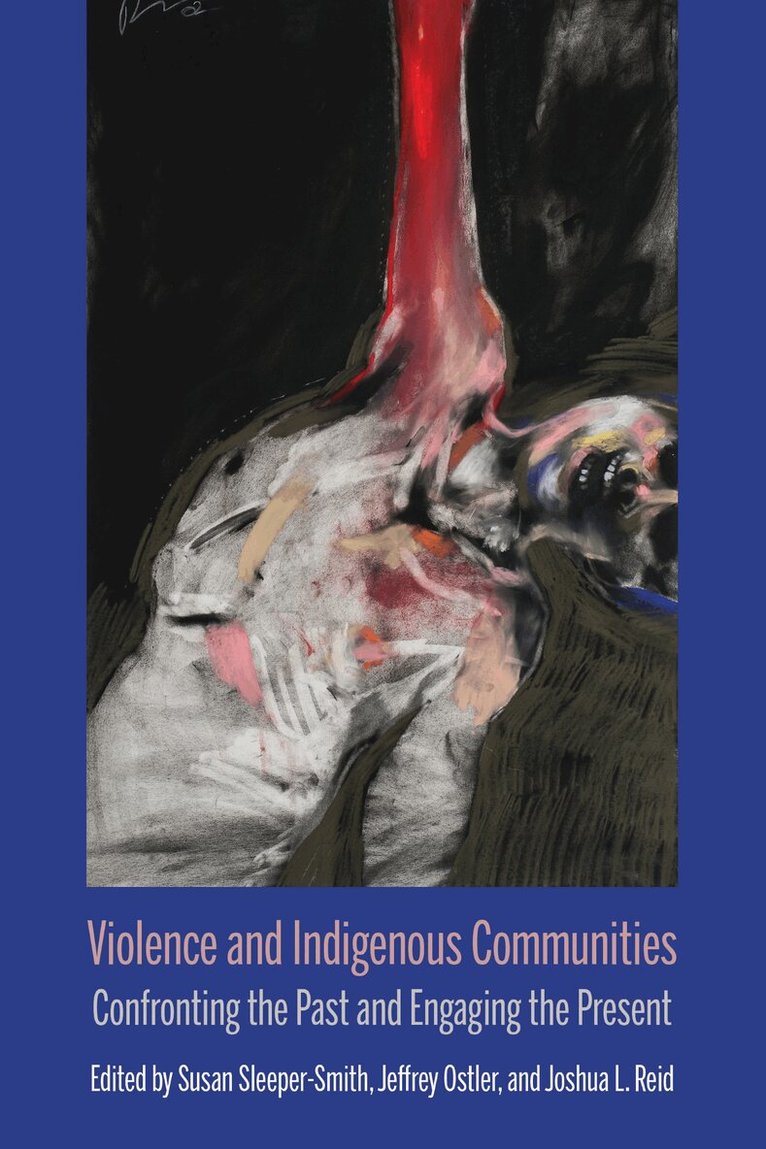
In contrast to past studies that focus narrowly on war and massacre, treat Native peoples as victims, and consign violence safely to the past, this interdisciplinary collection of essays opens up important new perspectives. While recognizing the long history of genocidal violence against Indigenous peoples, the contributors emphasize the agency of individuals and communities in genocide's aftermath and provide historical and contemporary examples of activism, resistance, identity formation, historical memory, resilience, and healing. The collection also expands the scope of violence by examining the eyewitness testimony of women and children who survived violence, the role of Indigenous self-determination and governance in inciting violence against women, and settler colonialism's promotion of cultural erasure and environmental destruction.By including contributions on Indigenous peoples in the United States, Canada, the Pacific, Greenland, SÁpmi, and Latin America, the volume breaks down nation-state and European imperial boundaries to show the value of global Indigenous frameworks. Connecting the past to the present, this book confronts violence as an ongoing problem and identifies projects that mitigate and push back against it.
Violence and Indigenous Communities
Confronting the Past and Engaging the Present
Inbunden, Engelska, 2021
1 328 kr
Skickas inom 10-15 vardagar
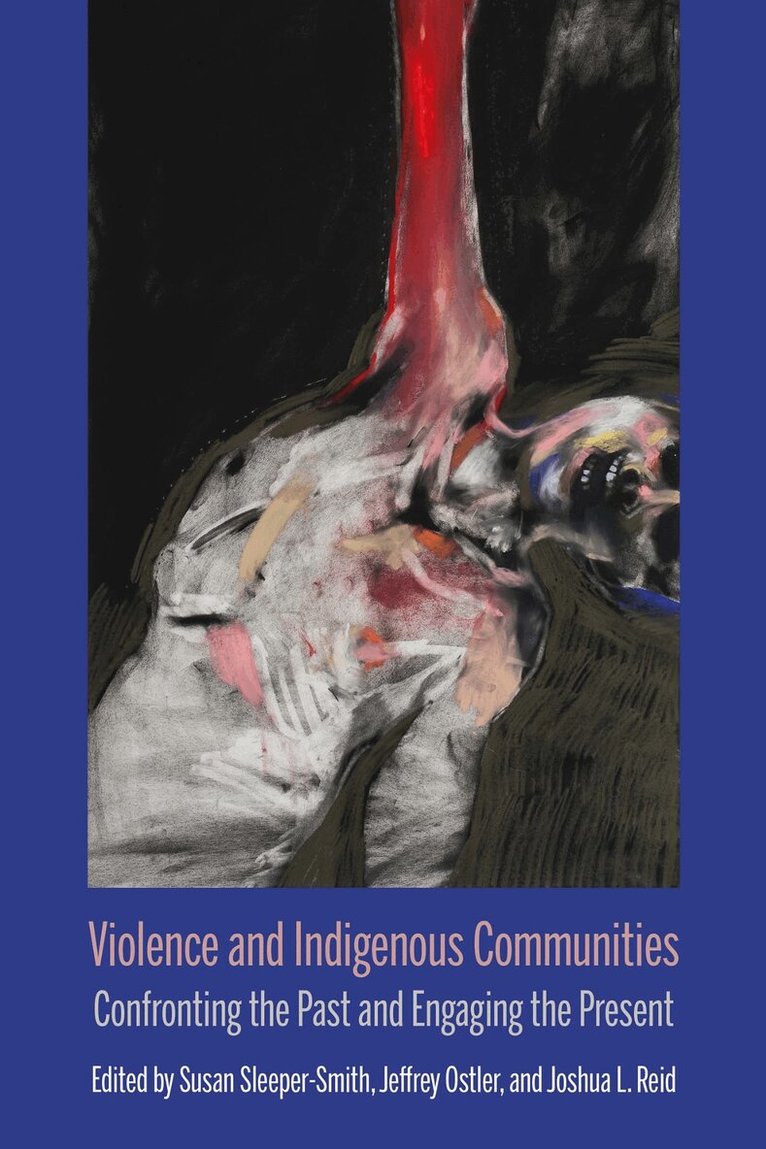
In contrast to past studies that focus narrowly on war and massacre, treat Native peoples as victims, and consign violence safely to the past, this interdisciplinary collection of essays opens up important new perspectives. While recognizing the long history of genocidal violence against Indigenous peoples, the contributors emphasize the agency of individuals and communities in genocide's aftermath and provide historical and contemporary examples of activism, resistance, identity formation, historical memory, resilience, and healing. The collection also expands the scope of violence by examining the eyewitness testimony of women and children who survived violence, the role of Indigenous self-determination and governance in inciting violence against women, and settler colonialism's promotion of cultural erasure and environmental destruction.By including contributions on Indigenous peoples in the United States, Canada, the Pacific, Greenland, SÁpmi, and Latin America, the volume breaks down nation-state and European imperial boundaries to show the value of global Indigenous frameworks. Connecting the past to the present, this book confronts violence as an ongoing problem and identifies projects that mitigate and push back against it.
753 kr
Skickas inom 7-10 vardagar
More than any other locale, the Pacific Ocean has been the meeting place between humans and whales. From Indigenous Pacific peoples who built lives and cosmologies around whales, to Euro-American whalers who descended upon the Pacific during the nineteenth century, and to the new forms of human-cetacean partnerships that have emerged from the late twentieth century, the relationship between these two species has been central to the ocean's history. Across Species and Cultures: New Histories of Pacific Whaling offers for the first time a critical, wide-ranging geographical and temporal look at the varieties of whale histories in the Pacific. The essay contributors, hailing from around the Pacific, present a wealth of fascinating stories while breaking new methodological ground in environmental history, women's history, animal studies, and Indigenous ontologies. In the process they reveal previously hidden aspects of the story of Pacific whaling, including the contributions of Indigenous people to capitalist whaling, the industry's exceptionally far-reaching spread, and its overlooked second life as a global, industrial slaughter in the twentieth century. While pointing to striking continuities in whaling histories around the Pacific, Across Species and Cultures also reveals deep tensions: between environmentalists and Indigenous peoples, between ideas and realities, and between the North and South Pacific. The book delves in unprecedented ways into the lives and histories of whales themselves. Despite the worst ravages of commercial and industrial whaling, whales survived two centuries of mass killing in the Pacific. Their perseverance continues to nourish many human communities around and in the Pacific Ocean where they are hunted as commodities, regarded as signs of wealth and power, act as providers and protectors, but are also ancestors, providing a bridge between human and nonhuman worlds.
292 kr
Skickas inom 7-10 vardagar
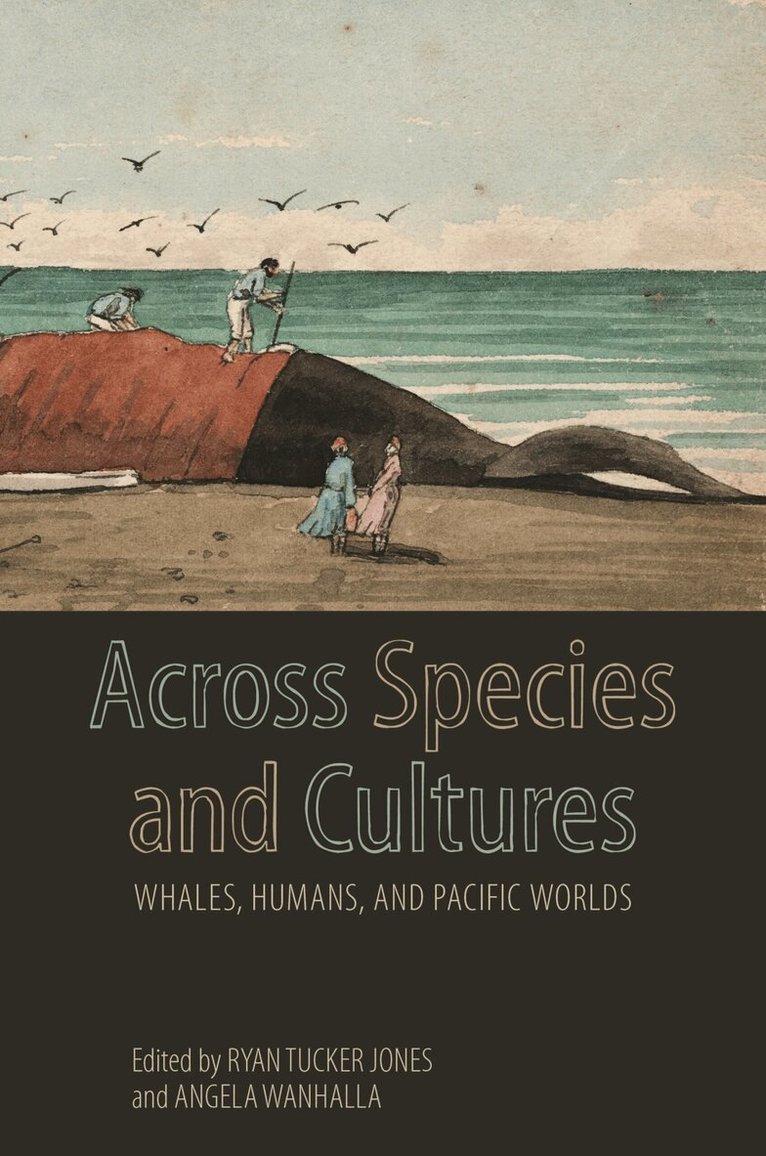
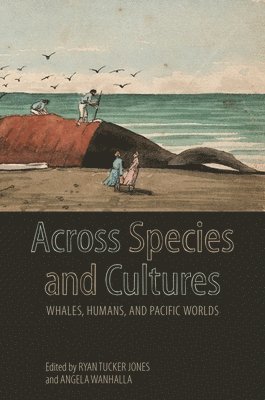
More than any other locale, the Pacific Ocean has been the meeting place between humans and whales. From Indigenous Pacific peoples who built lives and cosmologies around whales, to Euro-American whalers who descended upon the Pacific during the nineteenth century, and to the new forms of human-cetacean partnerships that have emerged from the late twentieth century, the relationship between these two species has been central to the ocean’s history. Across Species and Cultures: Whales, Humans, and Pacific Worlds offers for the first time a critical, wide-ranging geographical and temporal look at the varieties of whale histories in the Pacific. The essay contributors, hailing from around the Pacific, present a wealth of fascinating stories while breaking new methodological ground in environmental history, women’s history, animal studies, and Indigenous ontologies. In the process they reveal previously hidden aspects of the story of Pacific whaling, including the contributions of Indigenous people to capitalist whaling, the industry’s exceptionally far-reaching spread, and its overlooked second life as a global, industrial slaughter in the twentieth century. While pointing to striking continuities in whaling histories around the Pacific, Across Species and Cultures also reveals deep tensions: between environmentalists and Indigenous peoples, between ideas and realities, and between the North and South Pacific. The book delves in unprecedented ways into the lives and histories of whales themselves. Despite the worst ravages of commercial and industrial whaling, whales survived two centuries of mass killing in the Pacific. Their perseverance continues to nourish many human communities around and in the Pacific Ocean where they are hunted as commodities, regarded as signs of wealth and power, act as providers and protectors, but are also ancestors, providing a bridge between human and nonhuman worlds.