Juan Pro - Böcker
Visar alla böcker från författaren Juan Pro. Handla med fri frakt och snabb leverans.
3 produkter
3 produkter
640 kr
Skickas inom 5-8 vardagar
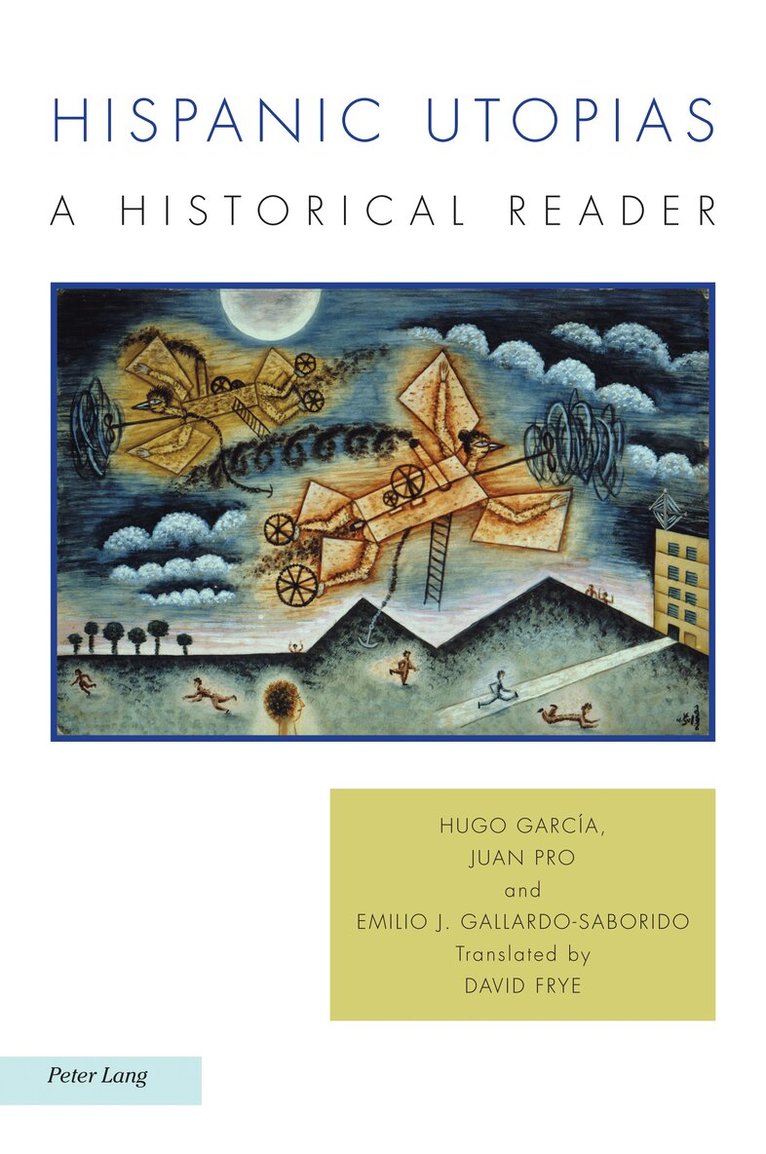
«This unique volume takes the reader on an extraordinary journey through flights of the political and social imagination across Iberia and Latin America from the conquest of the Americas, via insurgent and reactionary modern movements, to the Cold War and on to contemporary dreams and dystopias. The Western notion of utopia was born of Iberian imperialism in the Americas: Hispanic Utopias traces its complex, contradictory destinies from the origins of the Hispanic empire through waves of revolution and resistance among the diverse peoples and beliefs of those vast territories. This is an engaging read, offering a fascinating array of translated texts; concise, clear introductions to orientate the reader; and many provocations to thought.»(Andrew Ginger, Professor of Comparative Studies, Vice Provost for International Engagement, Northeastern University. Oficial de la Orden de Isabel la Católica)«This judiciously edited and much-needed volume succeeds in its ambitious aim of reconstructing the utopian tradition of Spanish-speaking peoples over the past five centuries. Students and scholars alike will find much in its pages to delight and to provoke vigorous and thoughtful political and historical debate. Warmly recommended.»(Laurence Davis, Senior Lecturer in Government and Politics, University College Cork and co-editor of Anarchism and Utopianism and The New Utopian Politics of Ursula K. Le Guin’s The Dispossessed)This historical reader offers a survey and an anthology of utopian speculation written in Spanish and other Hispanic languages since the 16th century. It not only provides further proof that this genre has been a key intellectual tool for imagining and debating the modern world, but also dismantles the cliché that Hispanic societies have been refractory to utopia by illustrating both the fertility of utopian writing in Hispanic languages and the links of that writing with local archetypes such as Don Quixote. The present volume expands the utopian canon and the very concept of utopian literature in two directions: incorporating the rich and as yet little studied work of authors writing in Spanish, Catalan and Galician, it simultaneously draws attention to the speculative and anticipatory content of a variety of non-fictional texts which have tended to be overlooked by existing scholarship.
1 749 kr
Skickas inom 7-10 vardagar
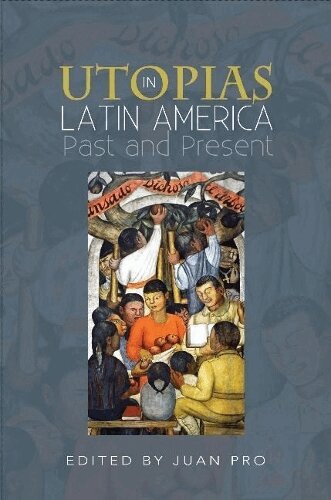
In an age in which fears about the future predominate (in the form of dystopias, ecological catastrophes and terrifying Sci-Fi scenarios), utopia is reappearing as the bearer of hope for the fate of humanity. Latin America has historically been a fertile ground where utopian projects, movements and experiments could take root and thrive, and this constitutes one of the regions major contributions to world history. Each of the thirteen authors who participate to this collective volume address a particular case or specific aspect of Latin American utopianism from colonial times to the present day. The relationship between utopia and America Latin America in particular has been a constant throughout the ages and helps to clarify both the concept of Utopia and of Latin America. The one cannot be understood without the other, from the book of Thomas More in 1516 to the present. Myths and legends of utopian content already proliferated at the time of the voyages of exploration, spurring on the conquistadors, while the knowledge gap about lands awaiting discovery was filled with stories about utopias. The America that the Spanish and Portuguese discovered became, from the sixteenth century onwards, a space in which it was possible to imagine the widest variety of forms of human coexistence. Utopias in Latin America reconsiders the sense and understanding of utopias in various historical frames: the discovery of indigenous cultures and their natural environments; the foundation of new towns and cities in a vast colonial territory considered as empty space in which it was possible to start afresh; the experimental communities of nineteenth-century utopian socialists and European exiled intellectuals; and the innovative formulae that attempts to get beyond twentieth-century capitalism.
593 kr
Skickas inom 7-10 vardagar
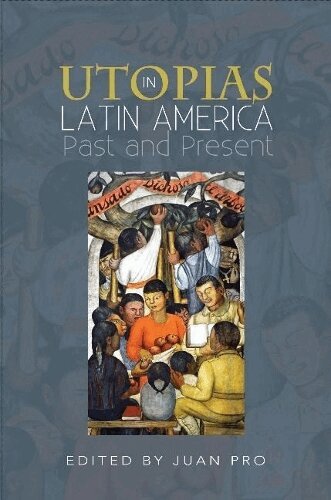
In an age in which fears about the future predominate (in the form of dystopias, ecological catastrophes and terrifying Sci-Fi scenarios), utopia is reappearing as the bearer of hope for the fate of humanity. Latin America has historically been a fertile ground where utopian projects, movements and experiments could take root and thrive, and this constitutes one of the regions major contributions to world history. Each of the thirteen authors who participate to this collective volume address a particular case or specific aspect of Latin American utopianism from colonial times to the present day. The relationship between utopia and America Latin America in particular has been a constant throughout the ages and helps to clarify both the concept of Utopia and of Latin America. The one cannot be understood without the other, from the book of Thomas More in 1516 to the present. Myths and legends of utopian content already proliferated at the time of the voyages of exploration, spurring on the conquistadors, while the knowledge gap about lands awaiting discovery was filled with stories about utopias. The America that the Spanish and Portuguese discovered became, from the sixteenth century onwards, a space in which it was possible to imagine the widest variety of forms of human coexistence. Utopias in Latin America reconsiders the sense and understanding of utopias in various historical frames: the discovery of indigenous cultures and their natural environments; the foundation of new towns and cities in a vast colonial territory considered as empty space in which it was possible to start afresh; the experimental communities of nineteenth-century utopian socialists and European exiled intellectuals; and the innovative formulae that attempts to get beyond twentieth-century capitalism.