Judith H. Anderson - Böcker
Visar alla böcker från författaren Judith H. Anderson. Handla med fri frakt och snabb leverans.
7 produkter
7 produkter
201 kr
Tillfälligt slut
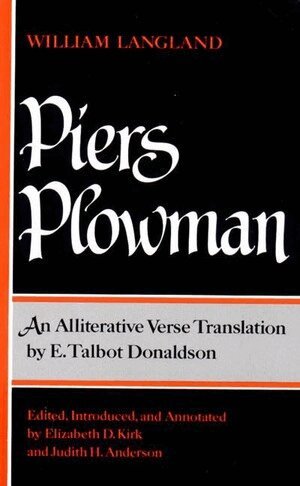
The translator of this work was a founding editor of The Norton Anthology of English Literature.
1 051 kr
Skickas inom 10-15 vardagar
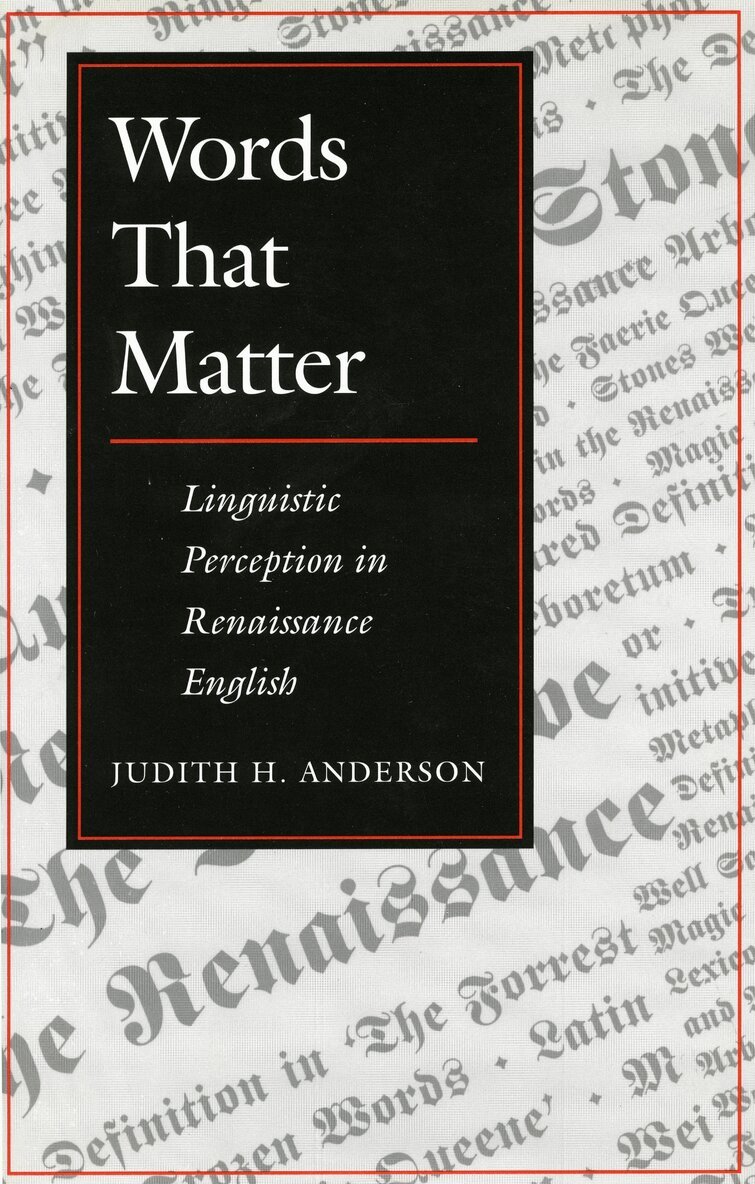
The grammar and rhetoric of Tudor and Stuart England prioritized words and word-like figures rather than sentences, a prioritizing that had significant consequences for linguistic representation. Among these was a heightened awareness of the equivocal "thingness" of language, whether verbal units like proverbs, inscriptions, and biblical quotations or individuated words such as lexical entries, Latin tags, and verbal icons. The author shows how the new or newly important technologies of printing and lexicography contributed substantially to this awareness.As symptom and cause these technologies participated in a growing cultural emphasis on externalized expression and on the material world. Both perceptually and materially they engaged the contemporary epistemological shift from essence to meaning and from referential object to word.
1 235 kr
Skickas inom 10-15 vardagar
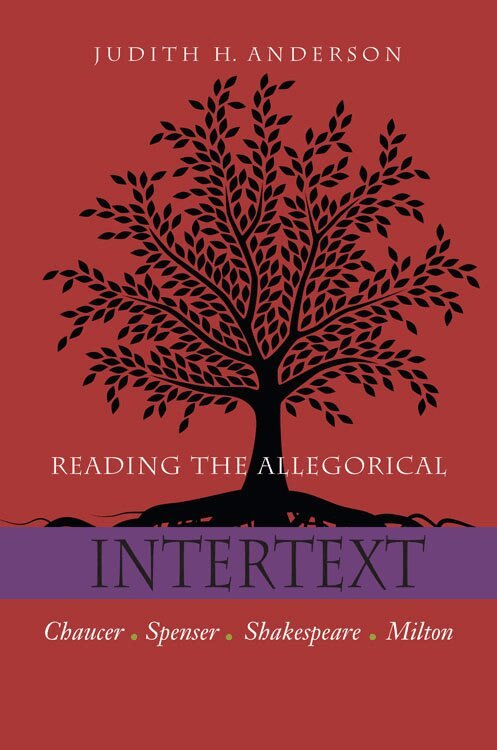
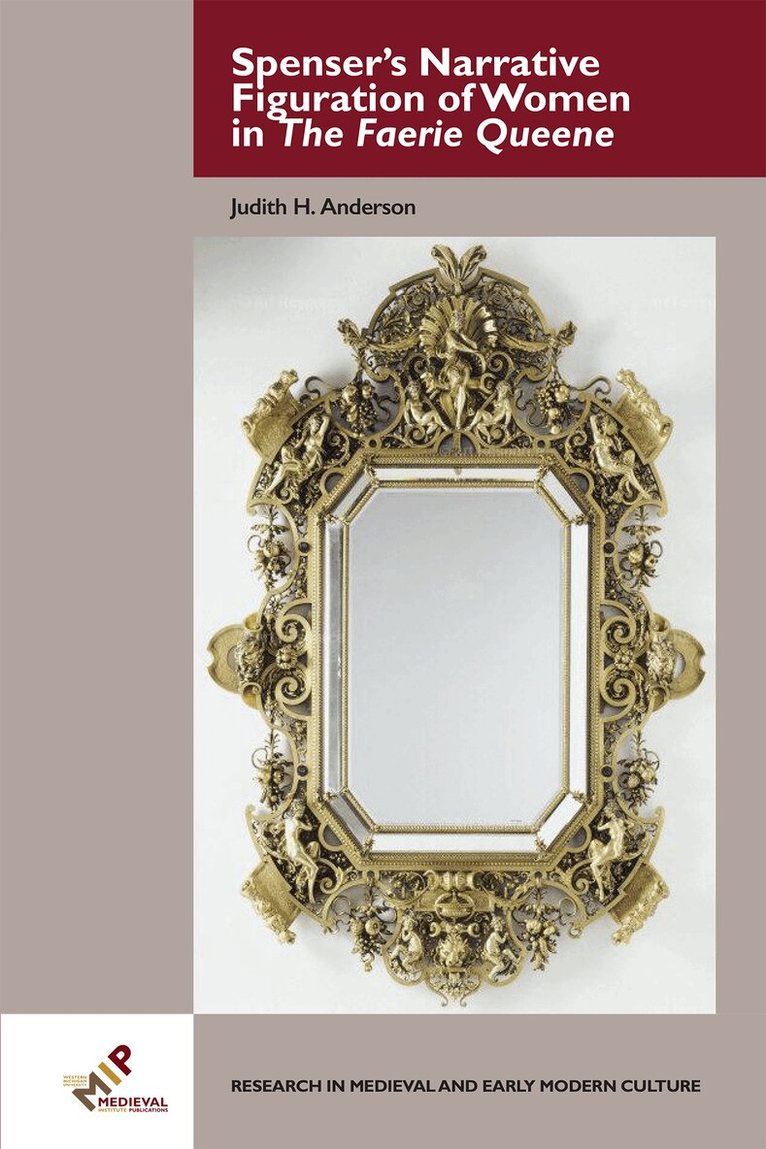
Judith H. Anderson conceives the intertext as a relation between or among texts that encompasses both Kristevan intertextuality and traditional relationships of influence, imitation, allusion, and citation. Like the Internet, the intertext is a state, or place, of potential expressed in ways ranging from deliberate emulation to linguistic free play. Relatedly, the intertext is also a convenient fiction that enables examination of individual agency and sociocultural determinism. Anderson's intertext is allegorical because Spenser's Faerie Queene is pivotal to her study and because allegory, understood as continued or moving metaphor, encapsulates, even as it magnifies, the process of signification. Her title signals the variousness of an intertext extending from Chaucer through Shakespeare to Milton and the breadth of allegory itself. Literary allegory, in Anderson's view, is at once a mimetic form and a psychic one—a process thinking that combines mind with matter, emblem with narrative, abstraction with history. Anderson's first section focuses on relations between Chaucer's Canterbury Tales and Spenser's The Faerie Queene, including the role of the narrator, the nature of the textual source, the dynamics of influence, and the bearing of allegorical narrative on lyric vision. The second centers on agency and cultural influence in a variety of Spenserian and medieval texts. Allegorical form, a recurrent concern throughout, becomes the pressing issue of section three. This section treats plays and poems of Shakespeare and Milton and includes two intertextually relevant essays on Spenser.How Paradise Lost or Shakespeare's plays participate in allegorical form is controversial. Spenser's experiments with allegory revise its form, and this intervention is largely what Shakespeare and Milton find in his poetry and develop. Anderson's book, the result of decades of teaching and writing about allegory, especially Spenserian allegory, will reorient thinking about fundamental critical issues and the landmark texts in which they play themselves out.
529 kr
Skickas inom 10-15 vardagar
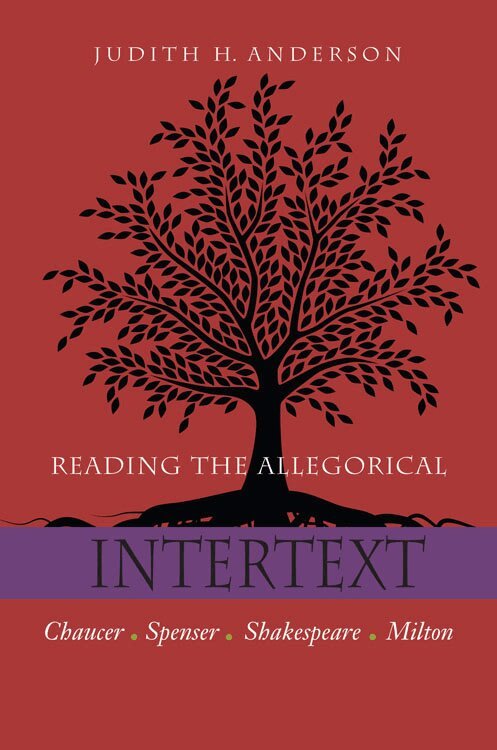
Judith H. Anderson conceives the intertext as a relation between or among texts that encompasses both Kristevan intertextuality and traditional relationships of influence, imitation, allusion, and citation. Like the Internet, the intertext is a state, or place, of potential expressed in ways ranging from deliberate emulation to linguistic free play. Relatedly, the intertext is also a convenient fiction that enables examination of individual agency and sociocultural determinism. Anderson's intertext is allegorical because Spenser's Faerie Queene is pivotal to her study and because allegory, understood as continued or moving metaphor, encapsulates, even as it magnifies, the process of signification. Her title signals the variousness of an intertext extending from Chaucer through Shakespeare to Milton and the breadth of allegory itself. Literary allegory, in Anderson's view, is at once a mimetic form and a psychic one—a process thinking that combines mind with matter, emblem with narrative, abstraction with history. Anderson's first section focuses on relations between Chaucer's Canterbury Tales and Spenser's The Faerie Queene, including the role of the narrator, the nature of the textual source, the dynamics of influence, and the bearing of allegorical narrative on lyric vision. The second centers on agency and cultural influence in a variety of Spenserian and medieval texts. Allegorical form, a recurrent concern throughout, becomes the pressing issue of section three. This section treats plays and poems of Shakespeare and Milton and includes two intertextually relevant essays on Spenser.How Paradise Lost or Shakespeare's plays participate in allegorical form is controversial. Spenser's experiments with allegory revise its form, and this intervention is largely what Shakespeare and Milton find in his poetry and develop. Anderson's book, the result of decades of teaching and writing about allegory, especially Spenserian allegory, will reorient thinking about fundamental critical issues and the landmark texts in which they play themselves out.
744 kr
Skickas inom 10-15 vardagar
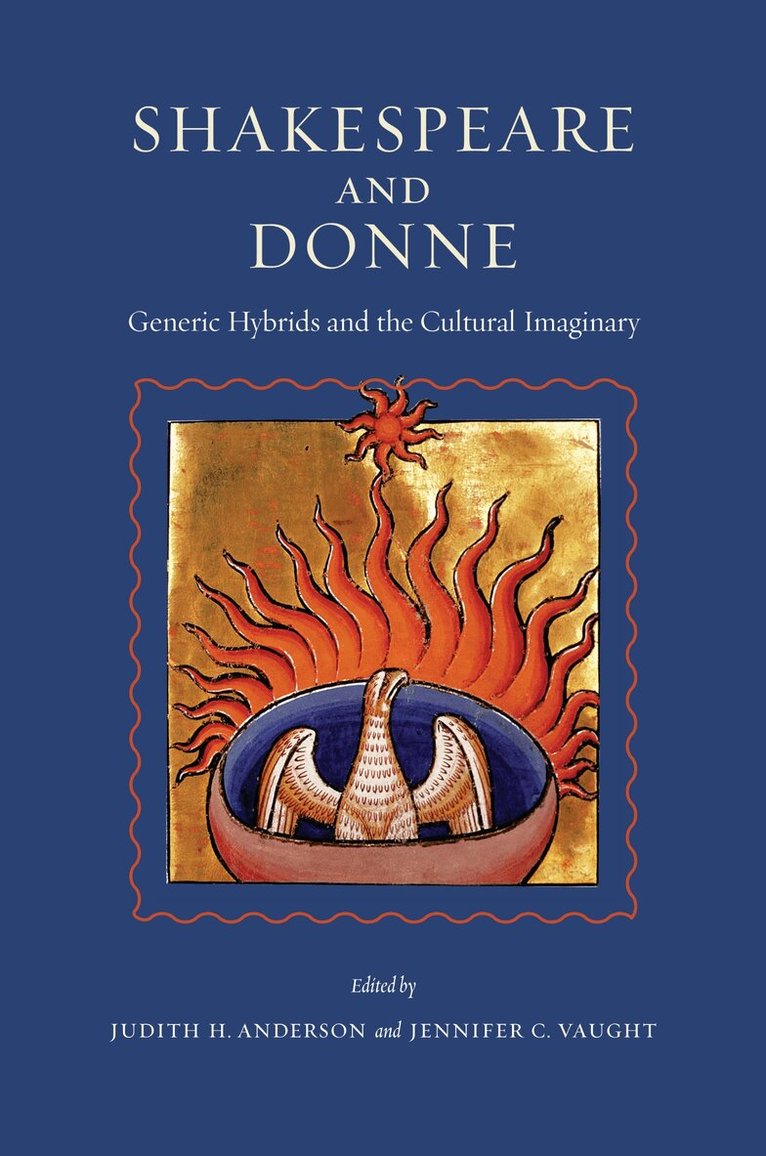
Centering on cross-fertilization between the writings of Shakespeare and Donne, the essays in this volume examine relationships that are broadly cultural, theoretical, and imaginative. They emphasize the intersection of physical dimensions of experience with transcendent ones, whether moral, intellectual, or religious. They juxtapose lyric and sermons interactively with narrative and plays.The essays are grouped under four headings: "Time, Love, Sex, and Death" (Matthias Bauer and Angelika Zirker, Catherine Gimelli Martin, Jennifer Pacenza), "Moral, Public, and Spatial Imaginaries" (Mary Blackstone and Jeanne Shami, Douglas Trevor), "Names, Puns, and More" (Marshall Grossman, David Lee Miller, Julian Lamb), and "Realms of Privacy and Imagination" (Anita Gilman Sherman, Judith H. Anderson).
806 kr
Skickas inom 10-15 vardagar
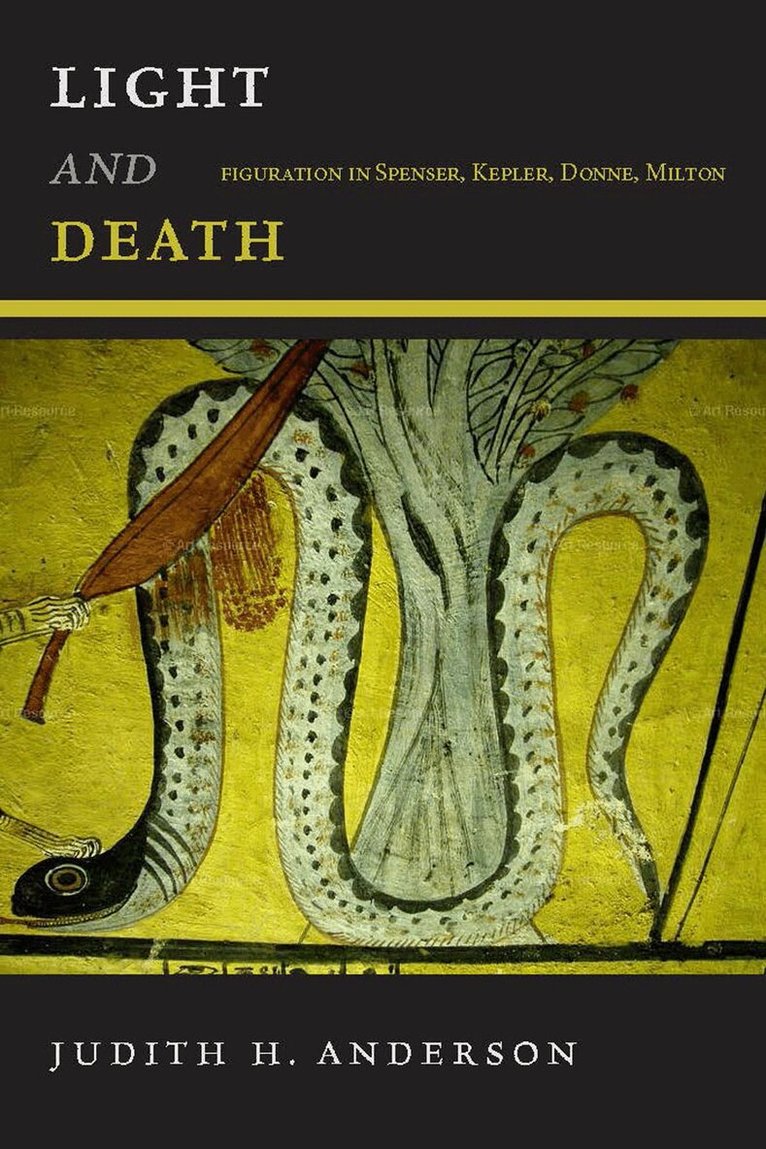
Light figures being; darkness, death. Bridging mathematical science, semantics, rhetoric, grammar, and major poems, Judith H. Anderson seeks to negotiate writings from multiple disciplines in the shared terms of poiesis and figuration rather than as cultural opposites. Analogy, a type of metaphor, has always been the connector of the known to the unknown, the sensible to the infinite. Anderson's study moves from the figuration of light and death to the history of analogy and its pertinence to light in physics and metaphysics, from Kepler to Donne, Spenser, and Milton. Topics proliferate: creativity, optics, the relation of literature to science, the methodology of thought and argument, and the processes of narrative, discovery, and interpretation.
544 kr
Skickas inom 7-10 vardagar
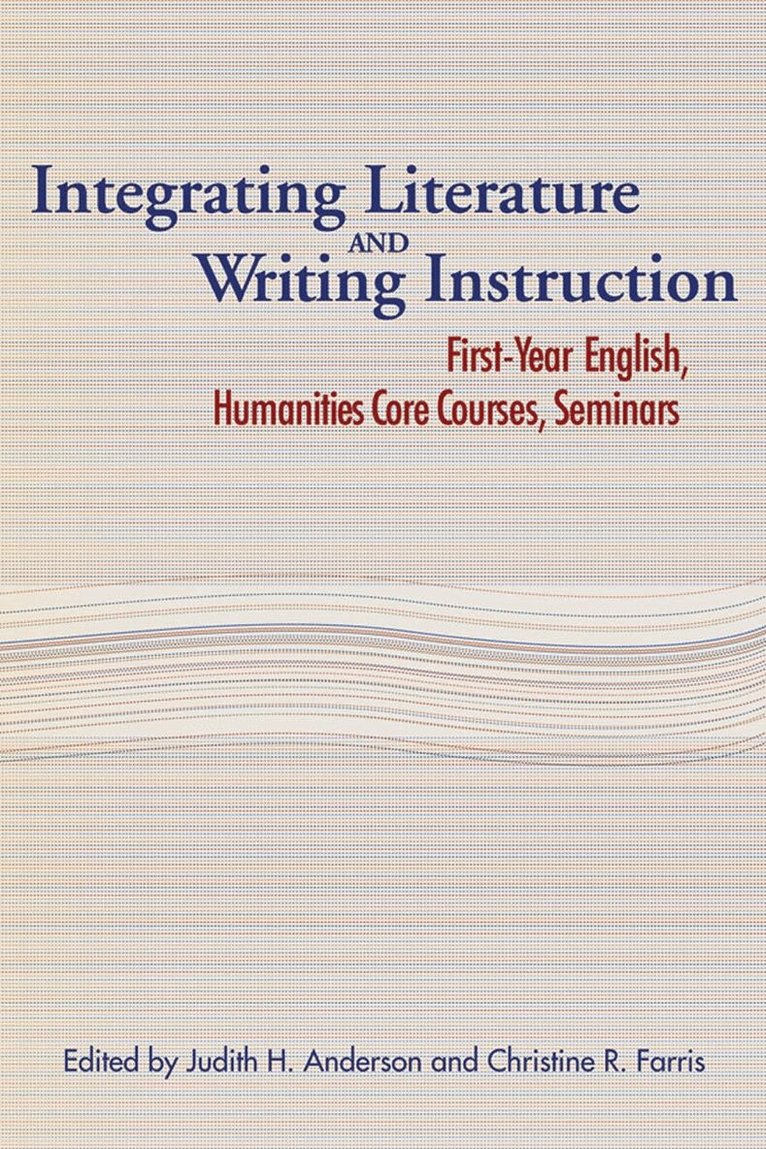
Judith H. Anderson and Christine R. Farris, colleagues at Indiana University and prominent scholars in literary studies and composition respectively, aim here to bridge the perceived division between the two disciplines. In a spirit of curricular collaboration, Integrating Literature and Writing Instruction presents an array of courses, mainly for non-English majors, that use literature in teaching first-year college students how to read, write, and think critically. Contributors teach at a range of institutions—from Research I and large state universities to small, selective colleges—and use different classroom approaches, some highly participatory and others combining lectures with small-group work. Divided into three groups, representing humanities core courses, courses that focus on literature, and courses that focus on cultural issues in relation to literature, the essays explore the use of a variety of literary texts, from Shakespeare's sonnets to historical novels to detective fiction. Contributors offer imaginative assignments and innovative pedagogical techniques that can be adapted profitably in multiple courses and institutional contexts. The concluding section narrates the collaborative development of a course on language, metaphor, and textuality, which the editors offer as a successful model of what literature and writing instruction can accomplish together.