Judith Olszowy-Schlanger – författare
Visar alla böcker från författaren Judith Olszowy-Schlanger. Handla med fri frakt och snabb leverans.
5 produkter
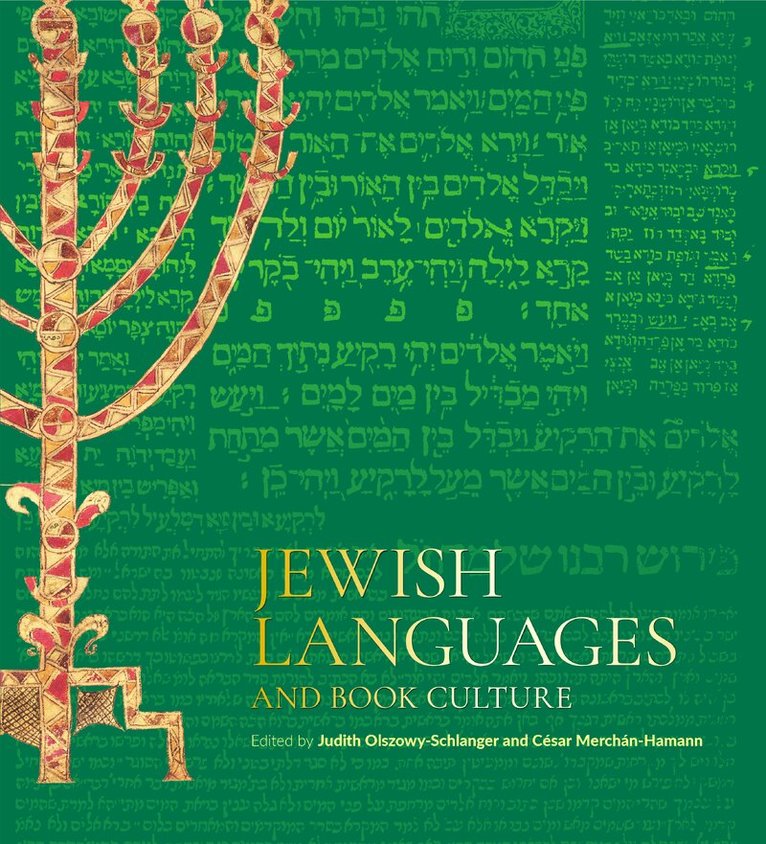
Jewish Languages and Book Culture
Av Judith Olszowy-Schlanger, Cesar Merchan-Hamann
Inbunden, 2024
709 kr
Lägg i varukorg
From Cairo Genizah to Europe, North Africa and the Middle East, the spread of books in Jewish vernacular languages and Hebrew characters offers us an extraordinary insight into the linguistic richness of Jewish life. For over two millennia, Jewish communities have used languages other than Hebrew …
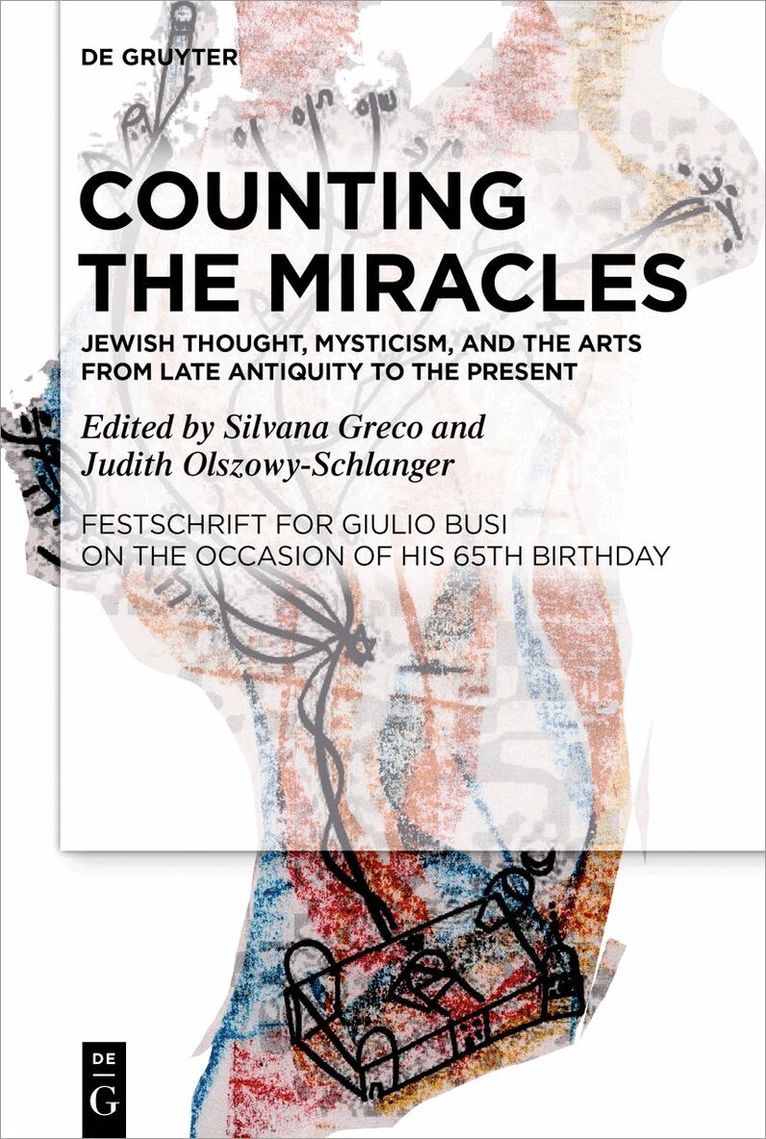
Counting the Miracles: Jewish Thought, Mysticism, and the Arts from Late Antiquity to the Present
Festschrift for Giulio Busi on the Occasion of His 65th Birthday
Av Silvana Greco, Judith Olszowy-Schlanger
Inbunden, 2025
2058 kr
Lägg i varukorg
In honor of the writings of Giulio Busi, scholar of Jewish culture, the book investigates from a multidisciplinary perspective the extraordinary richness of Jewish culture in the Diaspora from antiquity to the latter part of the 20th century. A number of rabbinic writings, medieval manuscripts from …
Counting the Miracles: Jewish Thought, Mysticism, and the Arts from Late Antiquity to the Present
Festschrift for Giulio Busi on the Occasion of His 65th Birthday
Av Judith Olszowy-Schlanger, Silvana Greco
E-bok, 2025
1772 kr
Lägg i varukorg
In honor of the writings of Giulio Busi, scholar of Jewish culture, the book investigates from a multidisciplinary perspective the extraordinary richness of Jewish culture in the Diaspora from antiquity to the latter part of the 20th century. A number of rabbinic writings, medieval manuscripts from …
Counting the Miracles: Jewish Thought, Mysticism, and the Arts from Late Antiquity to the Present
Festschrift for Giulio Busi on the Occasion of His 65th Birthday
Av Judith Olszowy-Schlanger, Silvana Greco
E-bok, 2025
1811 kr
Lägg i varukorg
In honor of the writings of Giulio Busi, scholar of Jewish culture, the book investigates from a multidisciplinary perspective the extraordinary richness of Jewish culture in the Diaspora from antiquity to the latter part of the 20th century. A number of rabbinic writings, medieval manuscripts from …
Books within Books
New Discoveries in Old Book Bindings. European Genizah Texts and Studies Volume 2
Av Andreas Lehnardt, Judith Olszowy-Schlanger
Inbunden, 2013
2884 kr
Lägg i varukorg
Books within Books presents some recent findings and research projects on the fragments of medieval Hebrew manuscripts discovered in the bindings of other manuscripts and early printed books across Europe. This is the second collection of interdisciplinary articles on Hebrew binding fragments …