Julia A. Simms – författare
365 kr
Läs direkt efter köp
434 kr
Läs direkt efter köp
365 kr
Läs direkt efter köp
434 kr
Läs direkt efter köp
434 kr
Läs direkt efter köp
434 kr
Läs direkt efter köp
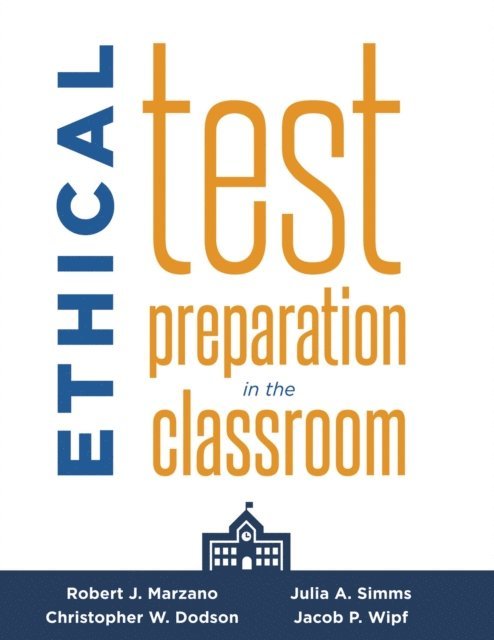
Large-scale assessment and standardized testing have the power to either open or close future doors for your students. Based on the latest research, this book by Robert J. Marzano, Christopher W. Dodson, Julia A. Simms, and Jacob P. Wipf clearly articulates the ethical challenges teachers face in preparing students for these tests and what can be done to ensure effective test preparation. You''ll review a first-of-its-kind study of over 8,000 assessment items and receive specific recommendations for ELA, mathematics, and science.
Use this book to effectively prepare students while upholding ethics in assessment in education:
Understand the role and profound impact large-scale assessment and high-stakes testing have in students'' lives.Study an analysis of 8,804 items from state, national, and international standardized tests.Examine recommendations for item creation in ELA, mathematics, and science based on the analysis findings and ethical testing principles.Provide students with instruction and formative assessment designed to aid them in answering the types of items most likely to appear on large-scale assessments.Receive tools and templates to create formative and summative assessments to measure students'' knowledge.Discover a process to create a school- and districtwide approach to help students understand item formats.Contents:IntroductionChapter 1: A Brief Overview of Large-Scale Assessments in the United StatesChapter 2: Analysis of English Language Arts Assessment ItemsChapter 3: Analysis of Mathematics Assessment ItemsChapter 4: Analysis of Science Assessment ItemsChapter 5: The Issue of Test PreparationChapter 6: A Systemic Approach to Ethical Test PreparationEpilogueAppendix A: Mathematics TemplatesAppendix B: Science TopicsReferencesIndex
447 kr
Skickas inom 3-6 vardagar
400 kr
Läs direkt efter köp
This book offers K–12 educators a comprehensive framework connecting myriad professional learning topics in one cohesive, easy-to-follow guide. Organized into three parts that focus on students, teachers, and principals, The Marzano Synthesis delivers a structured exploration of mental systems, standards and curriculum, assessment, and other key topics. See how it all fits together, supported by Robert Marzano’s decades of research plus new findings in education.
K–12 educators will:Receive a comprehensive overview of key concepts in education through the lens of Robert Marzano’s researchDelve into the four systems that comprise students’ thinking and learningAlign intended, taught, and attained curricula through proficiency scales and classroom assessmentExplore self- and metacognitive systems and learn how to use these systems to promote greater teacher well-being Reflect on the importance of planning and review to instruction, as well as how technology can assist teachers in these essential tasksUnderstand what the research says about how the role of the principal can benefit teacher development and guarantee learning for all studentsContents:IntroductionPart I: StudentsChapter 1: The Self-SystemChapter 2: The Metacognitive SystemChapter 3: The Nature of Knowledge and the Knowledge SystemChapter 4: The Cognitive SystemChapter 5: CurriculumPart II: TeachersChapter 6: Self-RegulationChapter 7: MeasurementChapter 8: InstructionPart III: PrincipalsChapter 9: Organizational LeadershipChapter 10: People LeadershipChapter 11: Instructional LeadershipEpilogueReferences and ResourcesIndex365 kr
Läs direkt efter köp
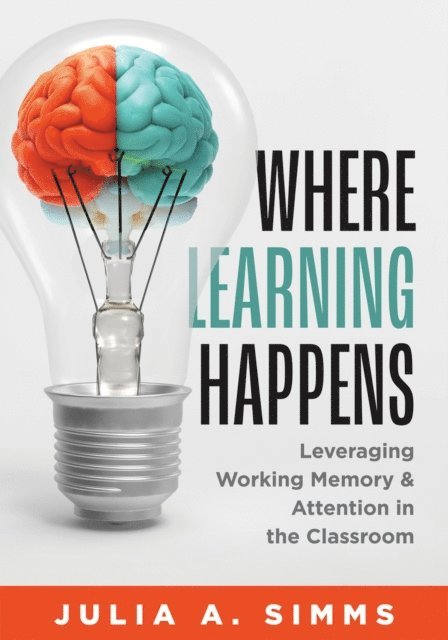
With many distractions competing for students’ attention, student engagement and knowledge retention are more important than ever. Where Learning Happens explores the types of attention—sustained, selective, divided, and effective—in depth and provides research-suggested strategies to maximize student attention and engagement. By understanding cognitive load theory, information-processing principles, and other key concepts, teachers can leverage attention-related strategies to help students achieve their academic goals.
K–12 educators can use this book to: Understand how to create a classroom atmosphere conducive to attentionDiscover the role of technology and how students can interact productively without distractionLearn the evolution of attention-related research and its practical applicationsBolster students’ working memory with cognitive load theory, information-processing principles, and instructional designApply cognitive attention training, state training, and other attention strategiesLeverage an attention-centered instructional approach to help students achieve goalsContents:IntroductionChapter 1: Parsing Attention ResearchChapter 2: Dealing With DistractionChapter 3: Fostering an Atmosphere of AttentionChapter 4: Managing Working MemoryChapter 5: Caring About ContextEpilogueReferences and Resources457 kr
Skickas inom 3-6 vardagar
446 kr
Skickas inom 3-6 vardagar
400 kr
Läs direkt efter köp
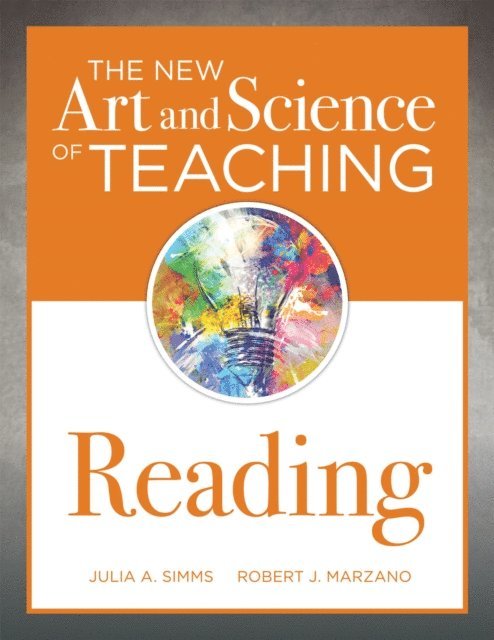
Part of The New Art and Science of Teaching series
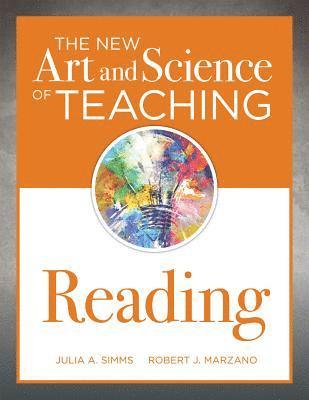
Only when teachers have in-depth knowledge of reading skill and literacy development can they deliver best-practice reading assessment and instruction to students. The New Art and Science of Teaching Reading presents a compelling model for the stages of reading development, structured around five key topics: (1) foundational skills, (2) word recognition, (3) reading fluency, (4) vocabulary, and (5) reading comprehension. More than 100 reading-focused instructional strategies are laid out in detail to help teachers ensure every student becomes a proficient reader. Guide students at all stages of literacy development, from learning the basic concepts of print to demonstrating advanced reading comprehension.
Discover a research-based reading model to guide your instruction:
Understand how to best utilize The New Art and Science of Teaching framework for teaching reading comprehension and other reading skills.Explore a reading model that addresses how to articulate content, implement specific instructional strategies, and navigate reading-related issues that might arise in the classroom.Understand which elements of instruction are best suited for teaching reading.Explore how general strategies for teaching can be employed alongside specific strategies to enhance teaching, enrich learning and literacy development, and improve the classroom environment.Access free reproducibles, including exercises, games, and readings for the classroom.A joint publication of ASCD and Solution Tree
Contents:IntroductionChapter 1: Reading Research and a Reading-Specific Model of InstructionChapter 2: Providing and Communicating Clear Learning GoalsChapter 3: Using AssessmentsChapter 4: Conducting Direct Instruction LessonsChapter 5: Conducting Practicing and Deepening LessonsChapter 6: Conducting Knowledge Application LessonsChapter 7: Using Strategies That Appear in All Types of LessonsChapter 8: Using Engagement StrategiesChapter 9: Implementing Rules and ProceduresChapter 10: Building RelationshipsChapter 11: Communicating High ExpectationsChapter 12: Developing ExpertiseAppendix A: The New Art and Science of Teaching FrameworkAppendix B: Orthography ExercisesAppendix C: Reading in the DisciplinesAppendix D: Phoneme ChartsAppendix E: Vocabulary GamesAppendix F: Culturally Diverse TextsReferences and Resources
Books in The New Art and Science of Teaching series:
The New Art and Science of TeachingThe Handbook for the New Art and Science of TeachingThe New Art and Science of Teaching ReadingThe New Art and Science of Teaching WritingThe New Art and Science of Classroom Assessment400 kr
Läs direkt efter köp
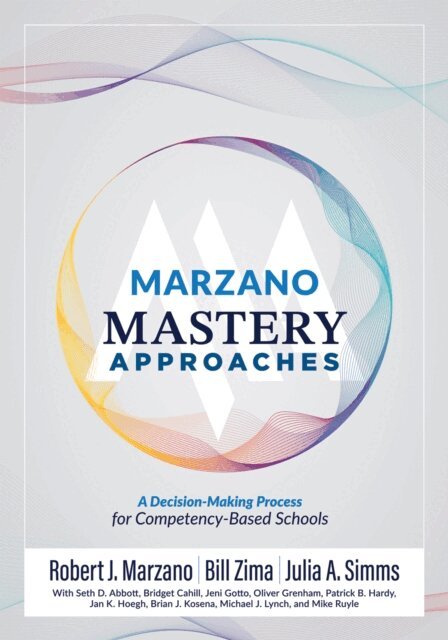
This book argues that competency-based practices are the key to creating school systems that meet students’ academic needs and prepare students to effectively communicate, collaborate, and self-regulate. With comprehensive coverage of competency-based practices and recommended steps to explore new approaches to instruction and assessment, Marzano Mastery Approaches provides readers with the tools to guide their schools through the necessary decision points for ensuring a profoundly improved and profoundly impactful educational experience.
K–12 school leaders can use this book to:Consider seven key domains of implementation for competency-based educationRestructure assessment, grading, and reporting systems for masteryFormalize student outcomes for academic content, cognitive and metacognitive skills, and the self-systemPersonalize the teaching and learning process and encourage student agency in the classroomShift the roles of educators away from instructing content and toward facilitating learningContents:IntroductionPart 1: The Structural DomainsChapter 1: Structure and ReportingChapter 2: Student OutcomesChapter 3: AgencyChapter 4: EquityPart 2: The Procedural DomainsChapter 5: AssessmentChapter 6: InstructionChapter 7: Adult RolesEpilogueReferencesIndex