Julia A.B. Hegewald - Böcker
Visar alla böcker från författaren Julia A.B. Hegewald. Handla med fri frakt och snabb leverans.
2 produkter
2 produkter
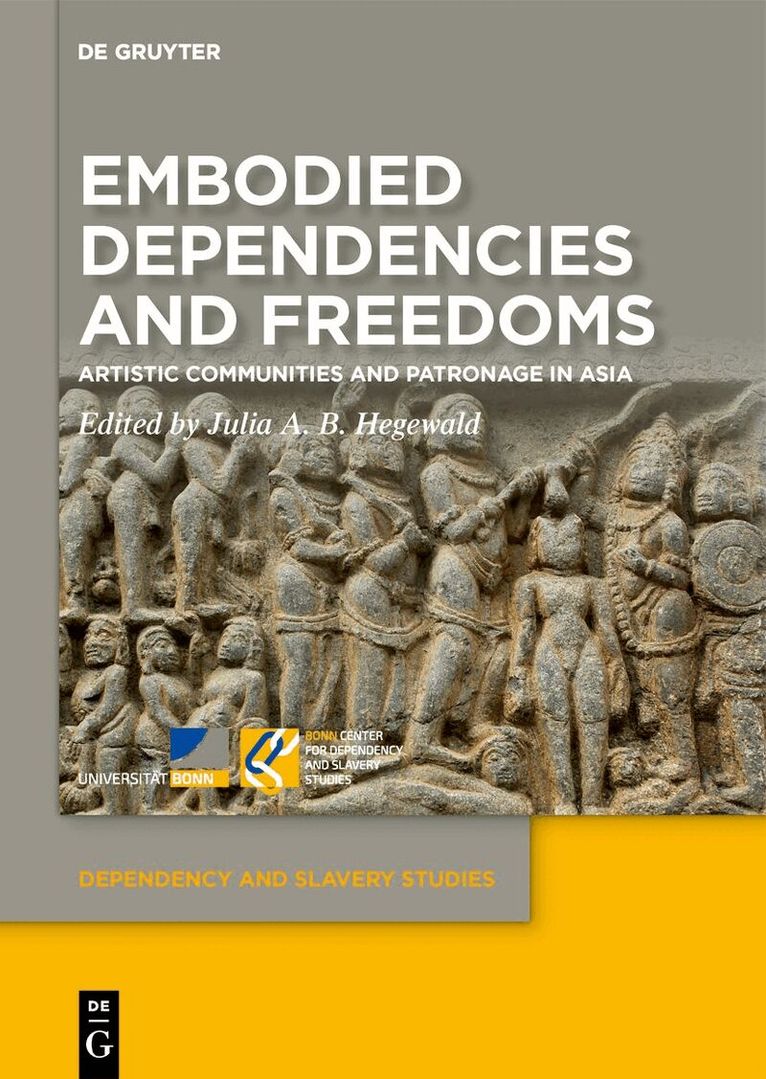
Embodied Dependencies and Freedoms
Artistic Communities and Patronage in Asia
Inbunden, Engelska, 2023
1 459 kr
Skickas inom 5-8 vardagar
Have you ever thought about dependencies in Asian art and architecture? Most people would probably assume that the arts are free and that creativity and ingenuity function outside of such reliances. However, the 13 chapters provided by specialists in the fields of Asian art and architecture in this volume show, that those active in the visual arts and the built environment operate in an area of strict relations of often extreme dependences. Material artefacts and edifices are dependent on the climate in which they have been created, on the availability of resources for their production, on social and religious traditions, which may be oral or written down and on donors, patrons and the art market. Furthermore, gender and labour dependencies play a role in the creation of the arts as well. Despite these strong and in most instances asymmetrical dependencies, artists have at all times found freedoms in expressing their own imagination, vision and originality. This shows that dependencies and freedoms are not necessarily strictly separated binary opposites but that, at least in the area of the history of art and architecture in Asia, the two are interconnected in what are often complex and multifaceted layers.
1 702 kr
Skickas inom 7-10 vardagar
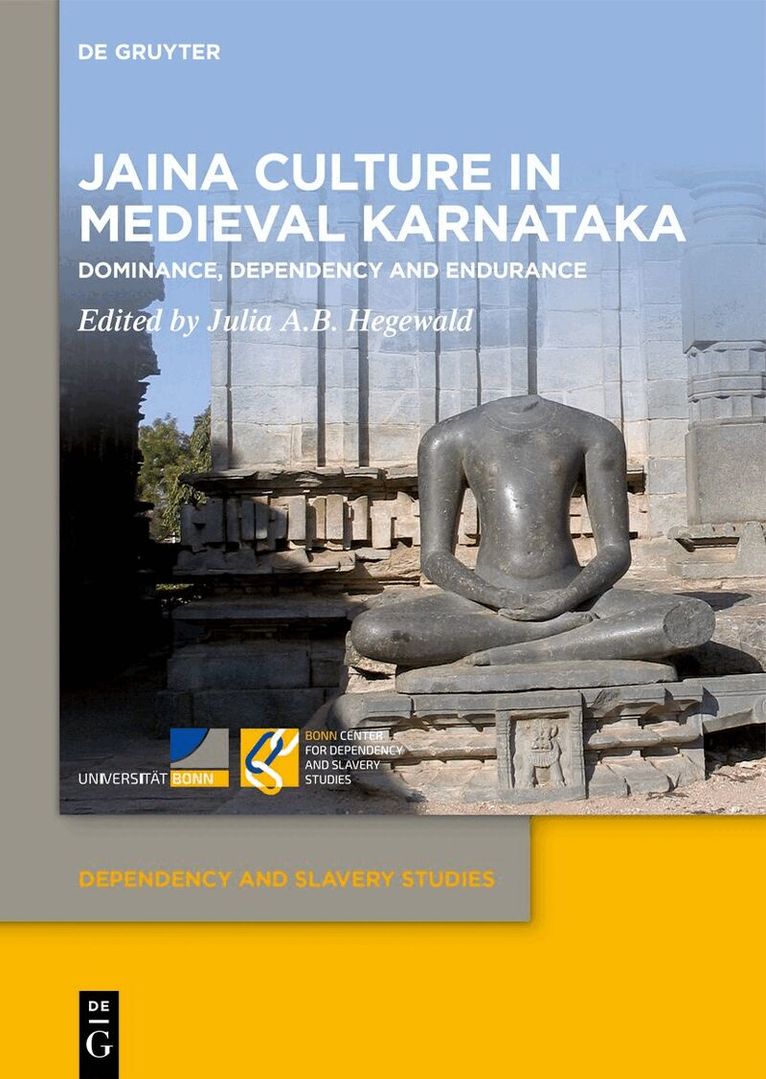
Why did the Jainas in Karnataka plunge from a position of supremacy into one of severe dependency? After a steep and steady rise throughout the region from about the fifth century CE, Jaina influence waned dramatically from the late eleventh or early twelfth centuries onwards. In this publication, specialists in Indian history, religious studies and anthropology, as well as historians of art and architecture, discuss various expressions of this sudden and detrimental decline and explore the reasons for it, focusing in particular on the relations of the Jainas with Vīraśaivas and Muslims. The evidence provided by the five international scholars, who offer insights from different disciplinal backgrounds, indicates that the reasons for the Jainas’ loss of authority in the region were manifold. Certain internal triggers, such as changes in Jaina social structure and religious practices, adversely affected their position over time. In particular, however, the withdrawal of royal patronage, the success of the Vīraśaivas as traders, and the emergence in the area at this time of a number of competing religious groups caused the Jainas to slip into a position of strong asymmetrical dependency.