Julian Hoppit - Böcker
Visar alla böcker från författaren Julian Hoppit. Handla med fri frakt och snabb leverans.
10 produkter
10 produkter
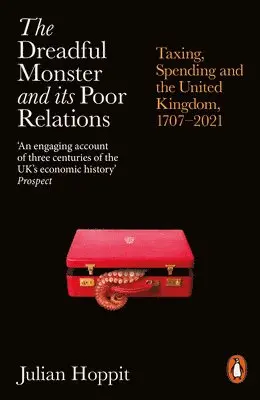
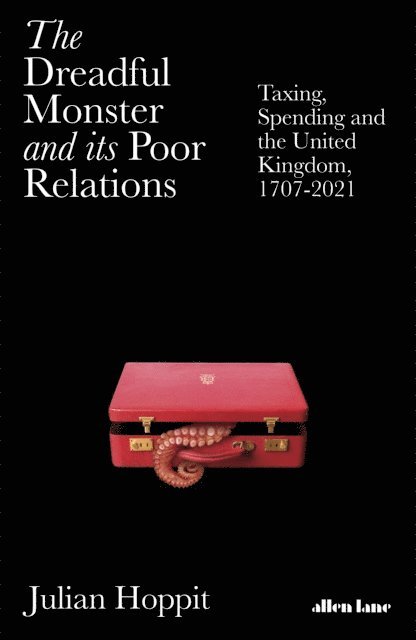
The Dreadful Monster and its Poor Relations
Taxing, Spending and the United Kingdom, 1707-2021
Häftad, Engelska, 2022
158 kr
Skickas inom 5-8 vardagar
'An invaluable primer to some of the underlying tensions behind contemporary political debate' Financial TimesIt has always been an important part of British self-image to see the United Kingdom as an ancient, organic and sensibly managed place, in striking contrast to the convulsions of other European countries. Yet, as Julian Hoppit makes clear in this fascinating and surprising book, beneath the complacent surface the United Kingdom has in fact been in a constant, often very tense argument with itself about how it should be run and, most significantly, who should pay for what.The book takes its argument from an eighteenth century cartoon which shows the central state as the 'Dreadful Monster', gorging itself at the dinner table on all the taxes it can grab. Meanwhile the 'Poor Relations' - Scotland, Wales and Ireland, both poor because of tax but also poor in the sense of needing special treatment - are viewed in London as an endless 'drain on the state'. With drastically different levels of prosperity, population, industry, agriculture and accessibility between the United Kingdom's different nations, what is a fair basis for paying for the state?
Del 47 - Records of Social and Economic History
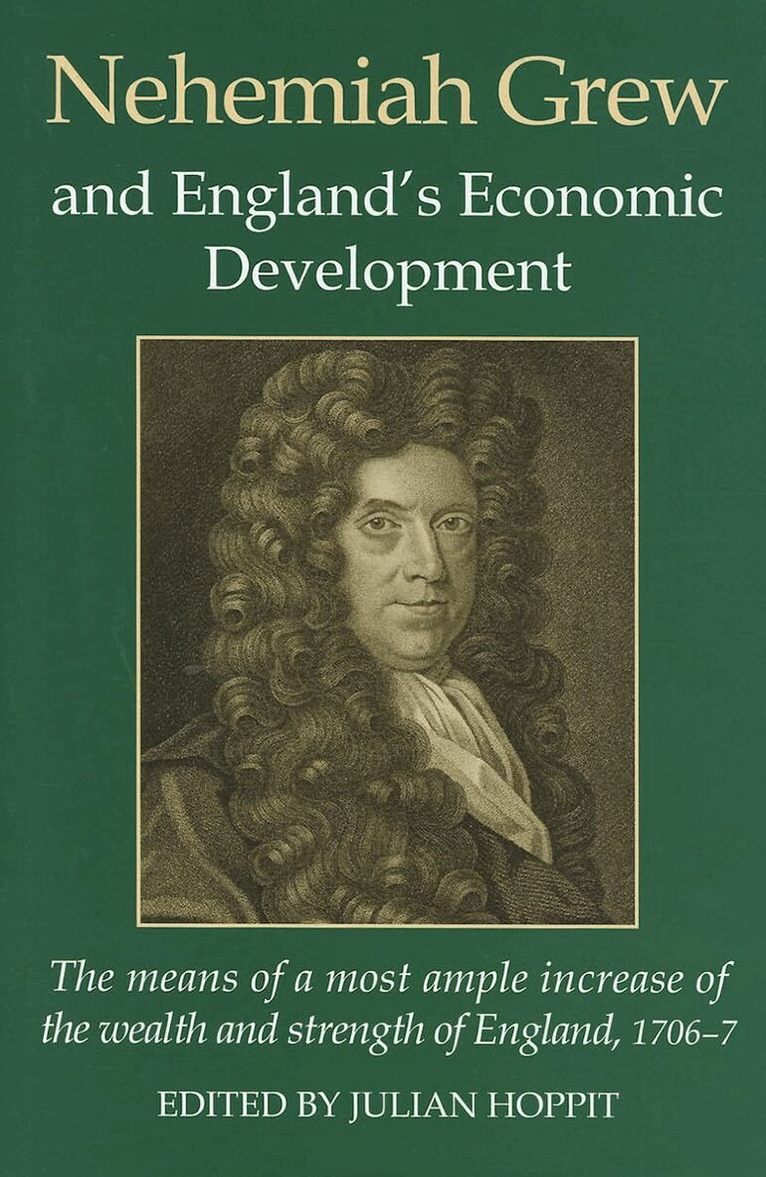
Nehemiah Grew and England's Economic Development
The Means of a Most Ample Increase of the Wealth and Strength of England (1706-7)
Inbunden, Engelska, 2012
674 kr
Skickas inom 7-10 vardagar
This edition publishes for the first time a little-known work on improving England's economy, written around 1706 and presented to Queen Anne on the eve of the parliamentary Union of England and Scotland. As such it contributed to a growing body of writing about managing the economy in Britain. That the work has often been overlooked is partly because its author, Nehemiah Grew, is best known as a botanist and as a medic. But his distinctive voice and decided views warrant wider appreciation. In part his unusual contribution to economic literature arose from his involvement in the early Royal Society, founded in 1660, informing as it did his view of England's material potential and how it might best be exploited. But he was also suspicious of people's motivations and was certain that the state had to regulate lives to a significant degree if society was to be as productive as possible. If Grew's religious beliefs were important here, it is also clear that he had read amongst contemporary writings on economic matters. Certainly, his work ranges widely, from natural resources to human capital, agriculture to industry, internal trade to overseas commerce. Sir William Petty was an especially important influence upon him, though he eschewed Petty's methodological emphasis upon 'political arithmetic'. Indeed, Grew's assumptions and conclusions prove very questionable when their statistical implications are worked through. Nonetheless, the work reminds us of the importance of blind alleys and false dawns in the history of early 'political economy'.
2 958 kr
Skickas inom 7-10 vardagar
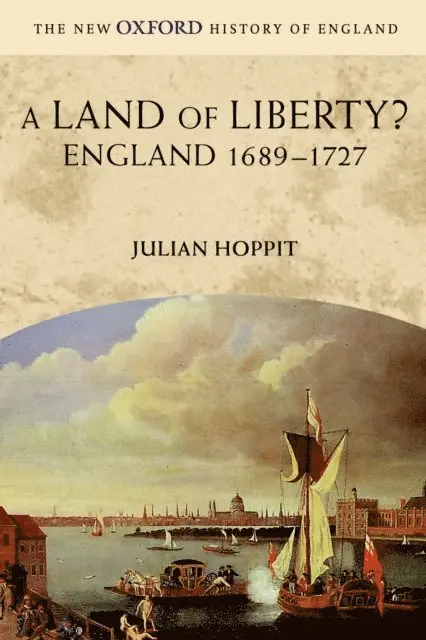
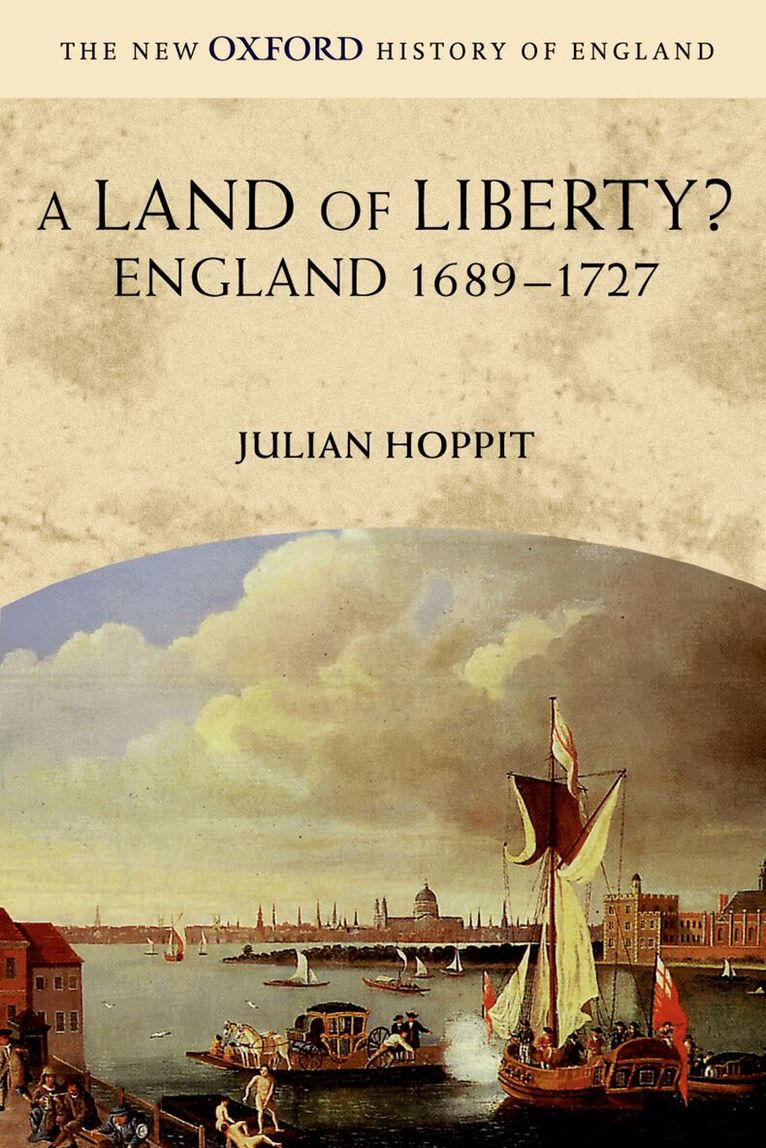
The Glorious Revolution of 1688-9 was a decisive moment in England's history; an invading Dutch army forced James II to flee to France, and his son-in-law and daughter, William and Mary, were crowned as joint sovereigns. The wider consequences were no less startling: bloody war in Ireland, Union with Scotland, Jacobite intrigue, deep involvement in two major European wars, Britain's emergence as a great power, a 'financial revolution', greater religious toleration, a riven Church, and a startling growth of parliamentary government. Such changes were only part of the transformation of English society at the time. An enriching torrent of new ideas from the likes of Newton, Defoe, and Addison, spread through newspapers, periodicals, and coffee-houses, provided new views and values that some embraced and others loathed. England's horizons were also growing, especially in the Caribbean and American colonies. For many, however, the benefits were uncertain: the slave trade flourished, inequality widened, and the poor and 'disorderly' were increasingly subject to strictures and statutes. If it was an age of prospects it was also one of anxieties.
733 kr
Skickas inom 7-10 vardagar
The Glorious Revolution was a decisive moment in England's history; an invading Dutch army forced James II to flee to France, and his son-in-law and daughter, William and Mary, were crowned as joint sovereigns. The wider consequences were no less startling: bloody war in Ireland, Union with Scotland, Jacobite intrigue, deep involvement in two European wars, Britain's emergence as a great power, a financial revolution, greater religious toleration, a riven church and a startling growth of parliamentary government.Such changes were only a part of the transformation of English society of the time. An enriching torrent of new ideas from the likes of Newton, Defoe, and Addison, spread through newspapers, periodicals, and coffee-houses, provided new views and values that some embraced and others loathed. England's horizions were also growing, especially in the Caribbean and American colonies, For many however, the benefits were uncertain: the slave trade flourished, inequality widened, and the poor and 'disorderly' were increasingly subject to strictures and statutes. If it was an age of prospects it was also one of anxieties.
563 kr
Skickas inom 7-10 vardagar
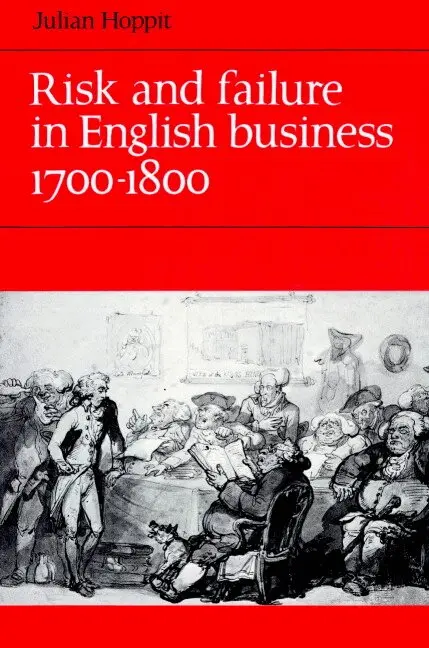
This major study considers bankruptcy in eighteenth-century England. Typically, business enterprise in this period has been seen as a success story - where men like Boulton, Watt, Wedgwood and Arkwright helped to forge the Industrial Revolution. But this is a myth, for thousands of businesses failed, hounded by their creditors into bankruptcy and ignominy. This book charts their history by looking at the incidence and causes of bankruptcy and by examining contemporary reactions to these. In this way, not only is evidence produced to improve our understanding of the nature of business enterprise, but the dynamics of the eighteenth-century economy over both the short and the long term are uncovered.
2 472 kr
Skickas inom 7-10 vardagar
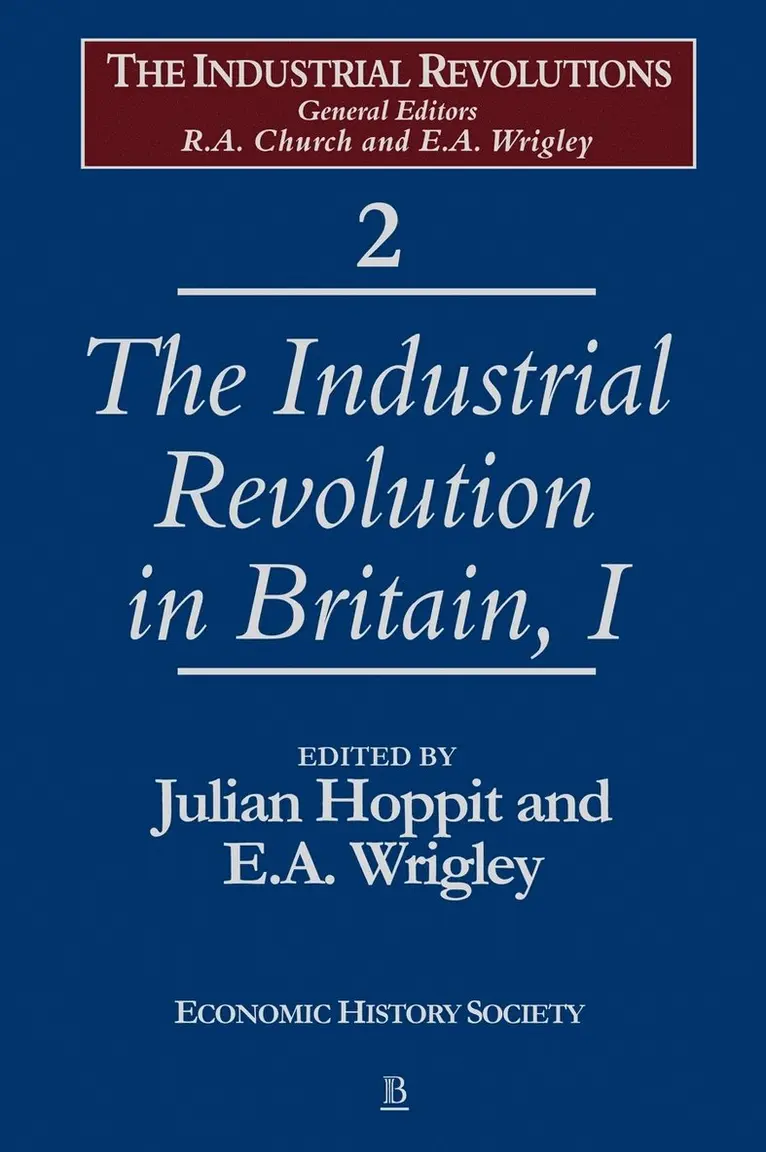
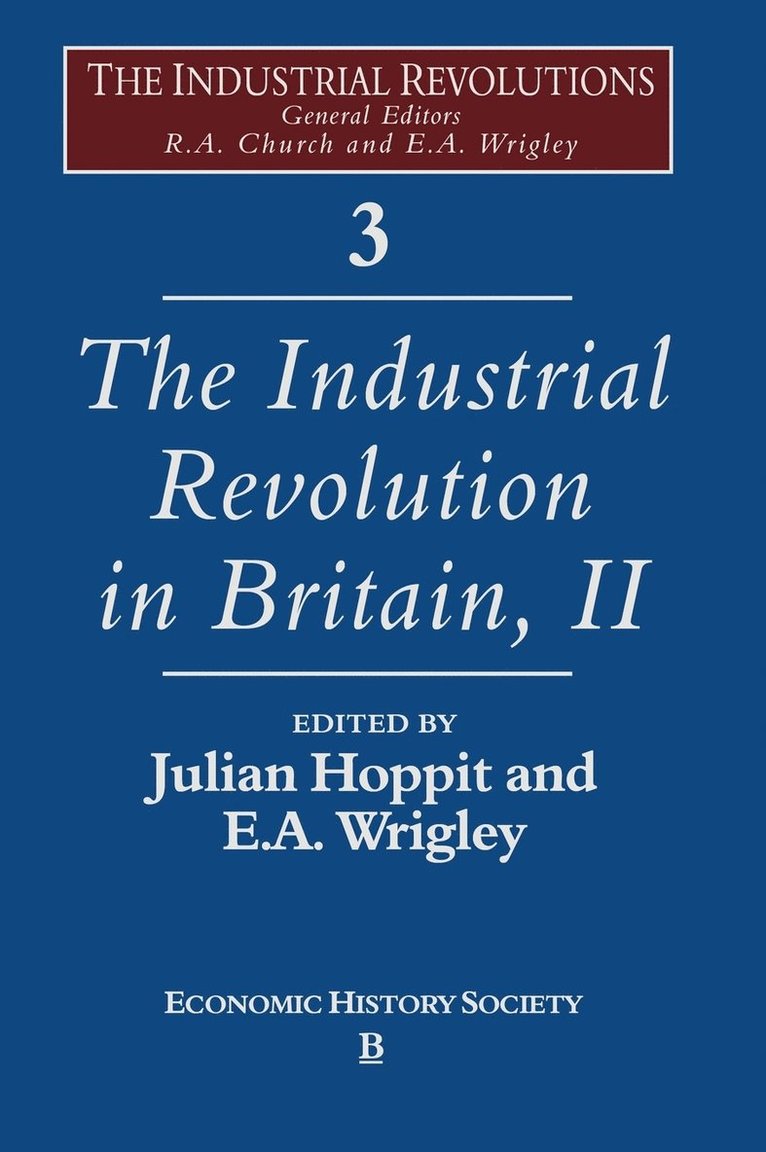
Volumes 2 and 3 of the Industrial Revolutionseleven part set (Industrial Revolution in Britain vol I and II) present over thirty of the articles which have best illuminated Britain's Industrial revolution, and cover four main areas: the concept of the Industrial Revolution, and the central themes of land, labour and capital. They provide a way of exploring historians' changing approaches to the first Industrial Revolution. A substantial introduction sets the articles into their conceptual, evidential and histiographical context and directs readers to recent work.
2 472 kr
Skickas inom 7-10 vardagar
Volumes 2 and 3 of the Industrial Revolutions eleven part set, (Industrial Revolution in Britain Vol I and II) present over thirty of the articles which have best illuminated Britain's Industrial revolution, and cover four main areas: the concept of the Industrial Revolution, and the central themes of land, labour and capital. They provide a way of exploring historians' changing approaches to the first Industrial Revolution. A substantial introduction sets the articles into their conceptual, evidential and histiographical context and directs readers to recent work.
1 173 kr
Skickas inom 7-10 vardagar
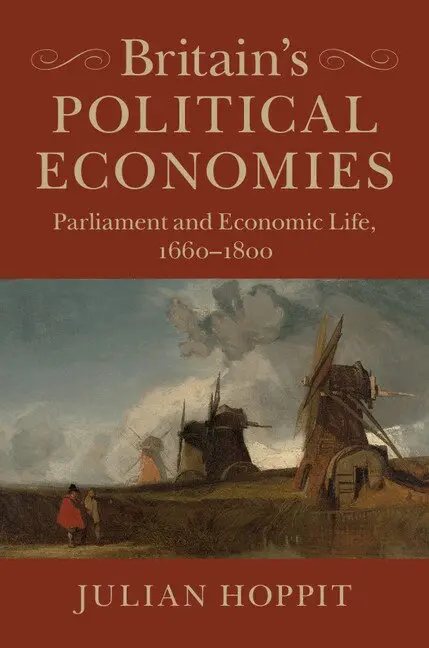
The Glorious Revolution of 1688-9 transformed the role of parliament in Britain and its empire. Large numbers of statutes resulted, with most concerning economic activity. Julian Hoppit here provides the first comprehensive account of these acts, revealing how government affected economic life in this critical period prior to the Industrial Revolution, and how economic interests across Britain used legislative authority for their own benefit. Through a series of case studies, he shows how ideas, interests, and information influenced statutory action in practice. Existing frameworks such as 'mercantilism' and the 'fiscal-military state' fail to capture the full richness and structural limitations of how political power influenced Britain's precocious economic development in the period. Instead, finely grained statutory action was the norm, guided more by present needs than any grand plan, with regulatory ambitions constrained by administrative limitations, and some parts of Britain benefiting much more than others.
370 kr
Skickas inom 7-10 vardagar
The Glorious Revolution of 1688-9 transformed the role of parliament in Britain and its empire. Large numbers of statutes resulted, with most concerning economic activity. Julian Hoppit here provides the first comprehensive account of these acts, revealing how government affected economic life in this critical period prior to the Industrial Revolution, and how economic interests across Britain used legislative authority for their own benefit. Through a series of case studies, he shows how ideas, interests, and information influenced statutory action in practice. Existing frameworks such as 'mercantilism' and the 'fiscal-military state' fail to capture the full richness and structural limitations of how political power influenced Britain's precocious economic development in the period. Instead, finely grained statutory action was the norm, guided more by present needs than any grand plan, with regulatory ambitions constrained by administrative limitations, and some parts of Britain benefiting much more than others.
Del 14 - People, Markets, Goods: Economies and Societies in History
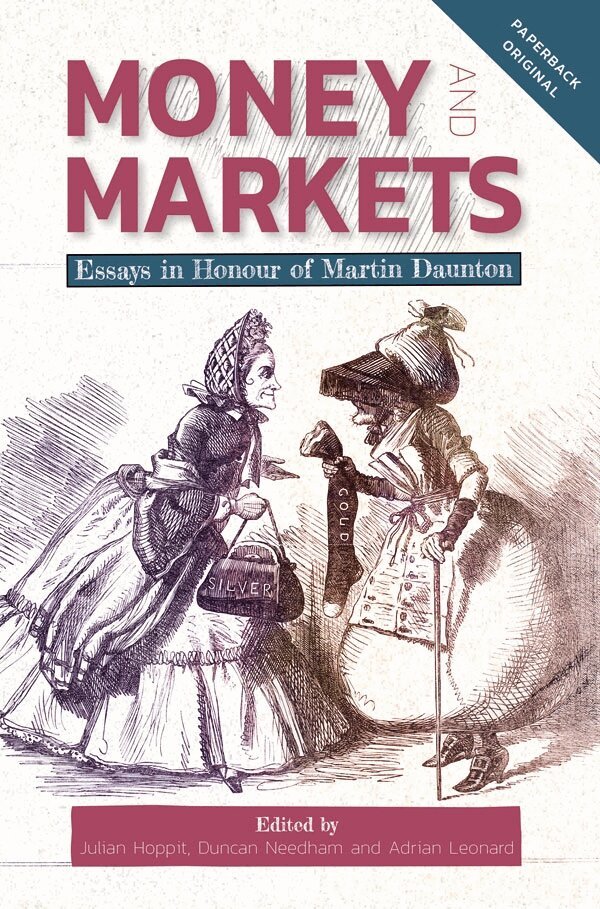
Money and Markets
Essays in Honour of Martin Daunton
Häftad, Engelska, 2019
349 kr
Skickas inom 10-15 vardagar
This book explores the changing boundaries and relationships between market and state from the seventeenth to the twentieth century.Money and Markets celebrates Martin Daunton's distinguished career by bringing together essays from leading economic, social and cultural historians, many being colleagues and former students. Throughout his career, Dauntonhas focused on the relationship between structure and agency, how institutional structures create capacities and path dependencies, and how institutions are themselves shaped by agency and contingency - what Braudel referred to as 'turning the hour glass twice'. This volume reflects that focus, combining new research on the financing of the British fiscal-military state before and during the Napoleonic wars, its property institutions, and thelonger-term economic consequences of Sir Robert Peel. There are also chapters on the birth of the Eurodollar market, Conservative fiscal policy from the 1960s to the 1980s, the impact of neoliberalism on welfare policy and more broadly, the failed attempt to build an airport in the Thames Estuary in the 1970s, and the political economy of time in Britain since 1945. While much of the focus is on Britain, and British finance in a global economy, the volumealso reflects Daunton's more recent study of international political economy with essays on the French contribution to nineteenth-century globalization, Prussian state finances at the time of the 1848 revolution, Imperial German monetary policy, the role of international charity in the mixed economy of welfare and neoliberal governance, and the material politics of energy consumption from the 1930s to the 1960s.JULIAN HOPPIT is Astor Professor of British History at University College London.ADRIAN LEONARD is Associate Director of the Centre for Financial History at the University of Cambridge.DUNCAN NEEDHAM is Dean and Senior Tutor at Darwin College, University of Cambridge.CONTRIBUTORS: Martin Chick, Sean Eddie, Matthew Hilton, Julian Hoppit, Seung-Woo Kim, Adrian Leonard, Duncan Needham, Charles Read, Bernhard Rieger, Richard Rodger, Sabine Schneider, HirokiShin, David Todd, James Tomlinson, Frank Trentmann, Adrian Williamson