Julian Stallabrass - Böcker
Visar alla böcker från författaren Julian Stallabrass. Handla med fri frakt och snabb leverans.
7 produkter
7 produkter
111 kr
Skickas inom 5-8 vardagar
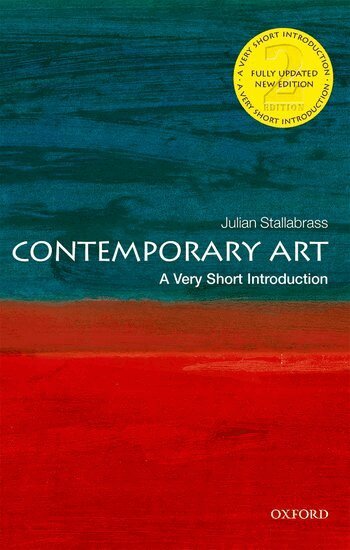
Contemporary art has never been so popular - but the art world is changing. In a landscape of increasing globalization there is growing interest in questions over the nature of contemporary art today, and the identity of who is controlling its future. In the midst of this, contemporary art continues to be a realm of freedom where artists shock, break taboos, flout generally received ideas, and switch between confronting viewers with works of great emotional profundity and jaw-dropping triviality. In this Very Short Introduction Julian Stallabrass gives a clear view on the diverse and rapidly moving scene of contemporary art. Exploring art's striking globalisation from the 1990s onwards, he analyses how new regions and nations, such as China, have leapt into astonishing prominence, over-turning the old Euro-American dominance on aesthetics. Showing how contemporary art has drawn closer to fashion and the luxury goods market as artists have become accomplished marketers of their work, Stallabrass discusses the reinvention of artists as brands. This new edition also considers how once powerful art criticism has mutated into a critical and performative writing at which many artists excel. Above all, behind the insistent rhetoric of freedom and ambiguity in art, Stallabrass explores how big business and the super-rich have replaced the state as the primary movers of the contemporary art scene, especially since the financial crisis, and become a powerful new influence over the art world.ABOUT THE SERIES: The Very Short Introductions series from Oxford University Press contains hundreds of titles in almost every subject area. These pocket-sized books are the perfect way to get ahead in a new subject quickly. Our expert authors combine facts, analysis, perspective, new ideas, and enthusiasm to make interesting and challenging topics highly readable.
426 kr
Skickas inom 7-10 vardagar
758 kr
Tillfälligt slut
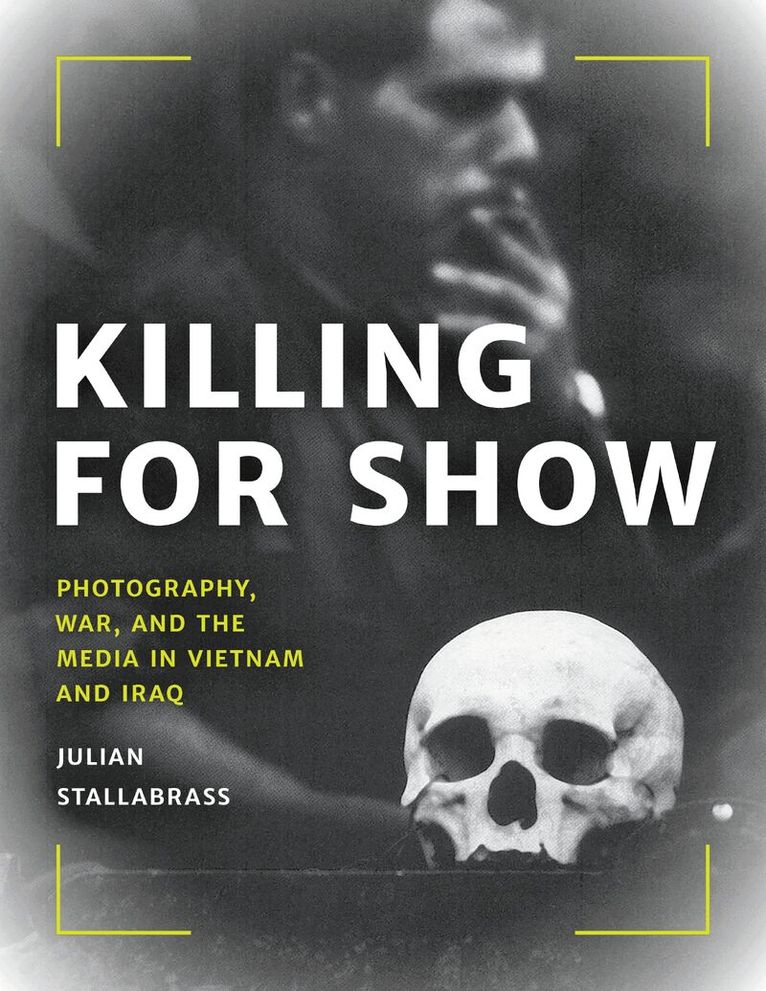
See firsthand how war photography is used to sway public opinion.In the autumn of 2014, the Royal Air Force released blurry video of a missile blowing up a pick-up truck which may have had a weapon attached to its flatbed. This was a lethal form of gesture politics: to send a £9-million bomber from Cyprus to Iraq and back, burning £35,000 an hour in fuel, to launch a smart missile costing £100,000 to destroy a truck or, rather, to create a video that shows it being destroyed. Some lives are ended—it is impossible to tell whose—so that the government can pretend that it taking effective action by creating a high-budget snuff movie. This is killing for show.Since the Vietnam War the way we see conflict—through film, photographs, and pixels—has had a powerful impact on the political fortunes of the campaign, and the way that war has been conducted. In this fully illustrated and passionately argued account of war imagery, Julian Stallabrass tells the story of post-war conflict, how it was recorded and remembered through its iconic photography.The relationship between war and photograph is constantly in transition, forming new perspectives, provoking new challenges: what is allowed to be seen? Does an image have the power to change political opinion? How are images used to wage war? Stallabrass shows how photographs have become a vital weapon in the modern war: as propaganda—from close-quarters fighting to the drone’s electronic vision—as well as a witness to the barbarity of events such as the My Lai massacre, the violent suppression of insurgent Fallujah or the atrocities in Abu Ghraib.Through these accounts Stallabrass maps a comprehensive theoretical re-evaluation of the relationship between war, politics and visual culture. Killing for Show offers:190 photographs encompassing photojournalism, artists’ images, photographs by soldiers and amateurs and dronesA comprehensive comparison of the role of photography in the Vietnam and Iraq WarsAn explanation of the waning power of iconic images in collective memoryAn analysis of the failure of military PR and the public display of killingA focus on what can and cannot be seen, photographed and publishedAn exploration of the power and limits of amateur photographyArguments about how violent images act on democracy This full-color book is an essential volume in the history of warfare and photography
450 kr
Kommande
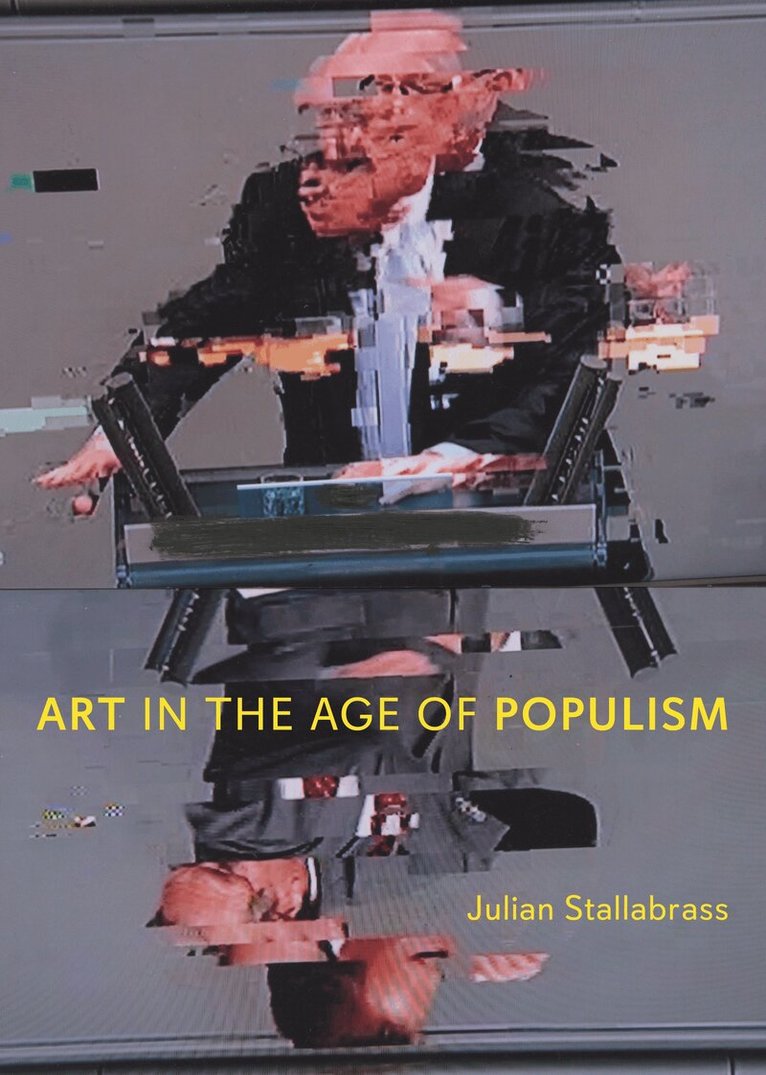
Why do billionaires collect Banksy? How does street art embody both populist politics and the culture of the super-rich? This book examines the curious fusion of elite and popular taste, showing how artists and politicians amplify the ordinary to achieve fame, wealth and influence. From the auction houses of London to images of authoritarian leaders, and from the spectacle of Brexit to the online saturation of culture, Julian Stallabrass reveals how contemporary visual culture reflects and alters broader social and political dynamics. Controversial and incisive, Art in the Age of Populism situates the rise of populist art and politics in a critical cultural framework, shedding light on the forces shaping distinction, power and the public imagination in the twenty-first century.
238 kr
Tillfälligt slut
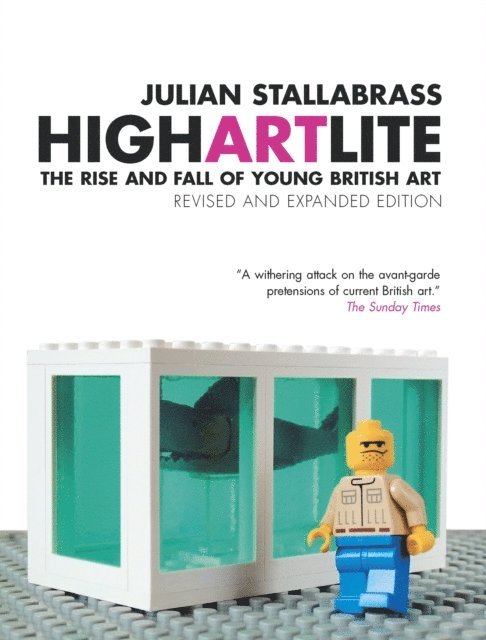
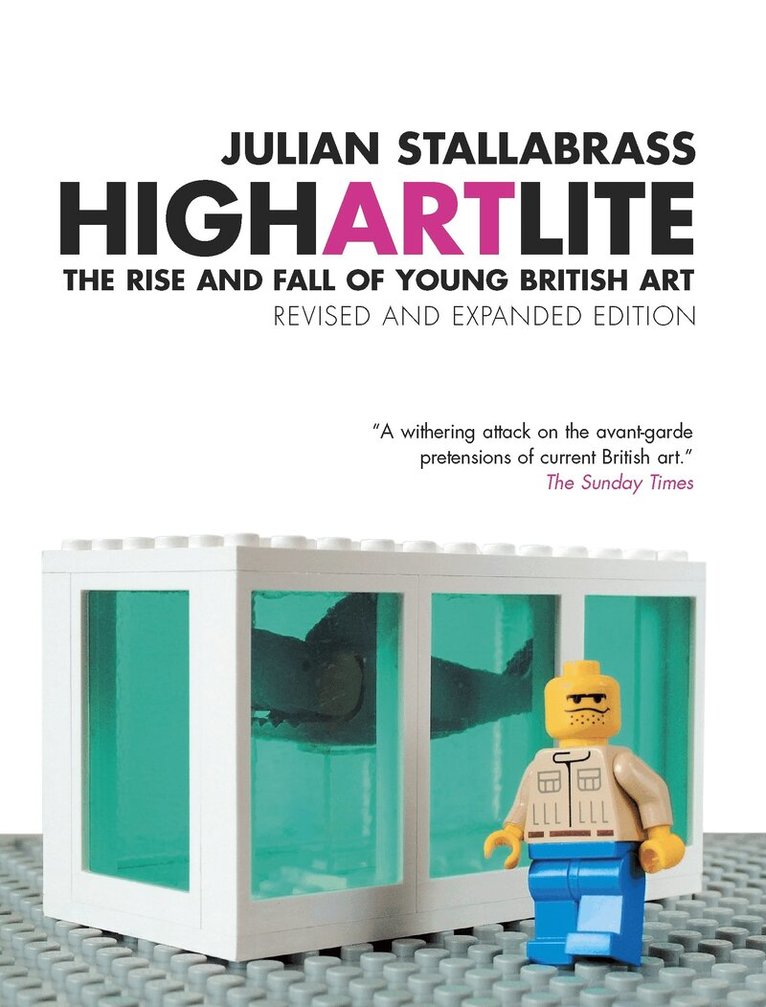
This searing book has become the authoritative account of the new British art of the 1990s, its legacy in the 21st century, and what it tells us about the fate of high art in contemporary society. High Art Lite provides a sustained analysis of the phenomenal success of YBA, young British artists obsessed with commerce, mass media and the cult of personality - Damien Hirst, Tracey Emin, Jake and Dinos Chapman, Marcus Harvey, Sarah Lucas, among others. In this fully revised and expanded edition, Julian Stallabrass explores how YBA lost its critical immunity in the new millennium, and looks at the ways in which figures such as Hirst, Emin, Wearing and Landy have altered their work in recent years.
314 kr
Skickas inom 3-6 vardagar
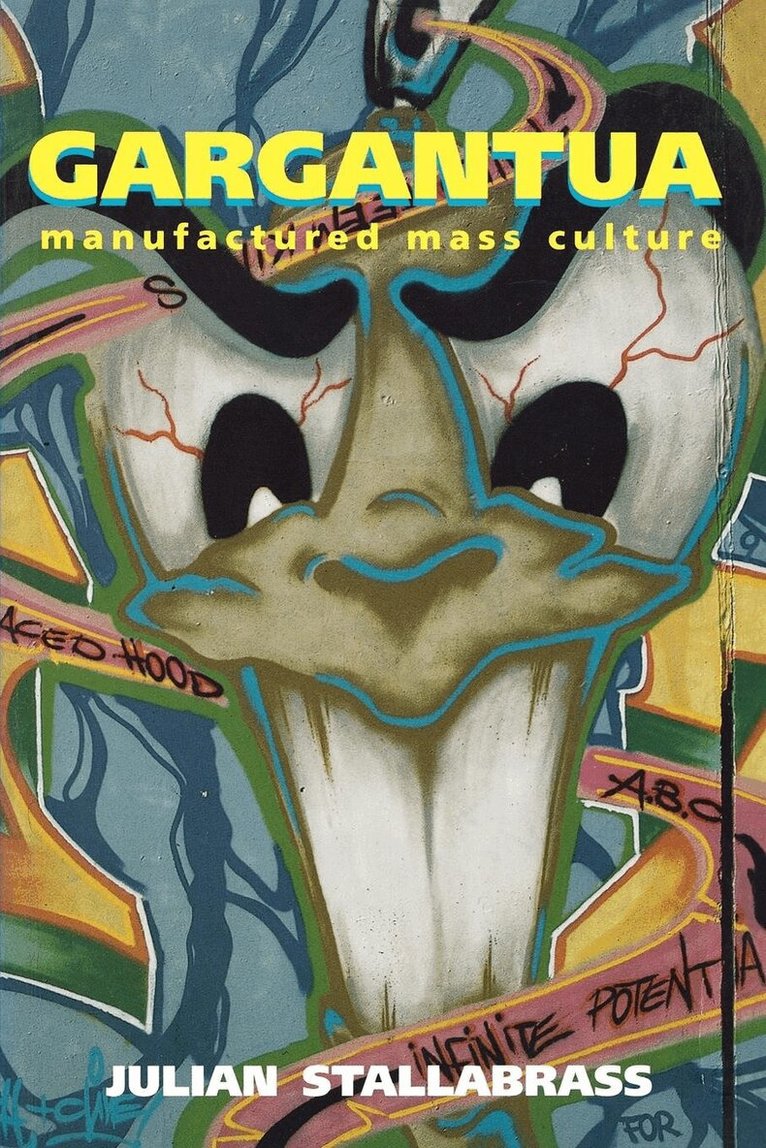
In Rabelais's tale, the giant prince Gargantua is a vast and inescapable cluster of qualities and activities; his violence, greed and incontinence are incomparable. In the old giant's size, ubiquity, gluttony, vast knowledge and warlike nature, we can recognize qualities of our contemporary culture.In this brilliant polemic on our visual mass culture, Stallabrass argues that culture's status as a commodity is the most important thing about it, affecting its form, its relation to the viewer and its ideology. The great diversity of choice masks the extent to which this choice is managed by an ever-shrinking number of powerful owners. Stallabrass shows how the consistent and unifying capitalist ideology of mass culture leads to an increasingly homogeneous identity among its consumers. Even in marginal and radical cultural activities, like graffiti writing, can be found the tyranny of the brand name and the reduction of the individual to a cipher.Starting with an analysis of subjects which concern specific groups-amateur photography, computer games and cyberspace-Stallabrass works out to wider aspects of the culture which affect everybody, including cars, shopping and television.Gargantua raises profound questions about the nature and direction of mass culture. It also raises a challenge to the postmodern theorists' adherence to subjectivity, indeterminacy and political indifference. If manufactured subjectivities are always shot through with the objective, then their plurality may not be merely a colourful but meaningless postmodern smorgasbord, but rather the accurate reflection of our current cultural situation, and a map showing paths beyond it.
168 kr
Skickas