Julie Hardwick – författare
Visar alla böcker från författaren Julie Hardwick. Handla med fri frakt och snabb leverans.
5 produkter
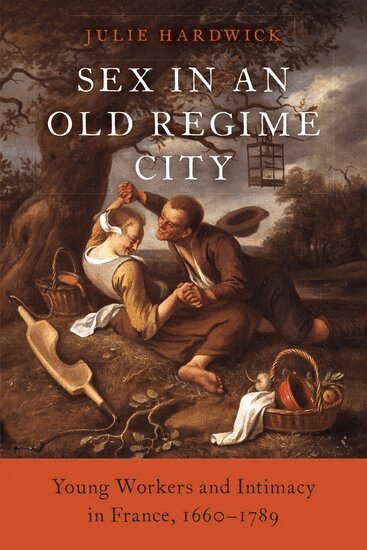
Sex in an Old Regime City
Young Workers and Intimacy in France, 1660-1789
Inbunden, 2020
695 kr
Lägg i varukorg
Our ideas about the long histories of young couples' relationships and women's efforts to manage their reproductive health are often premised on the notion of a powerful sexual double standard.In Sex in an Old Regime City, Julie Hardwick offers a major reframing of the history of young people's …
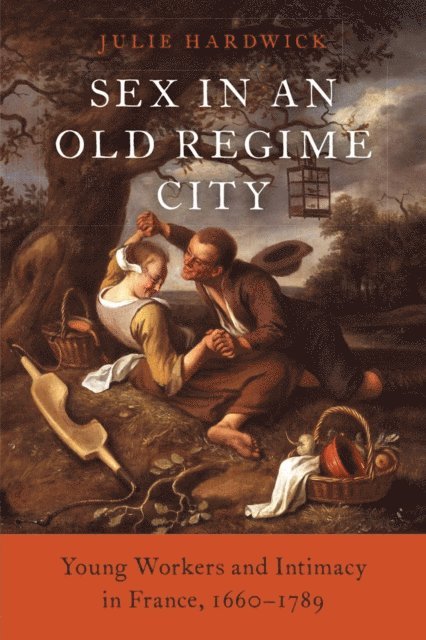
Sex in an Old Regime City
Young Workers and Intimacy in France, 1660-1789
E-bok, 2020
472 kr
Lägg i varukorg
Our ideas about the long histories of young couples'' relationships and women''s efforts to manage their reproductive health are often premised on the notion of a powerful sexual double standard. In Sex in an Old Regime City, Julie Hardwick offers a major reframing of the history of young people''s …
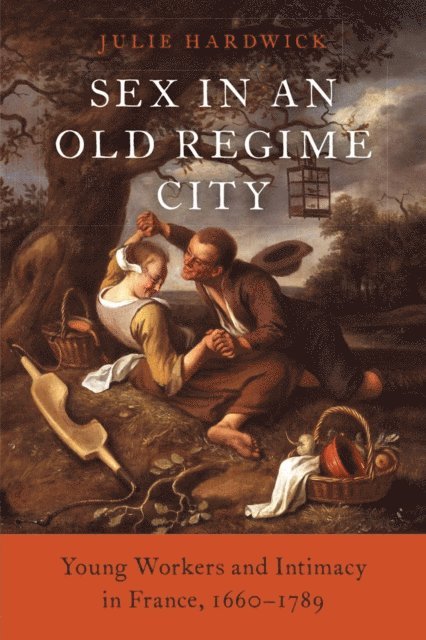
Sex in an Old Regime City
Young Workers and Intimacy in France, 1660-1789
E-bok, 2020
472 kr
Lägg i varukorg
Our ideas about the long histories of young couples'' relationships and women''s efforts to manage their reproductive health are often premised on the notion of a powerful sexual double standard. In Sex in an Old Regime City, Julie Hardwick offers a major reframing of the history of young people''s …
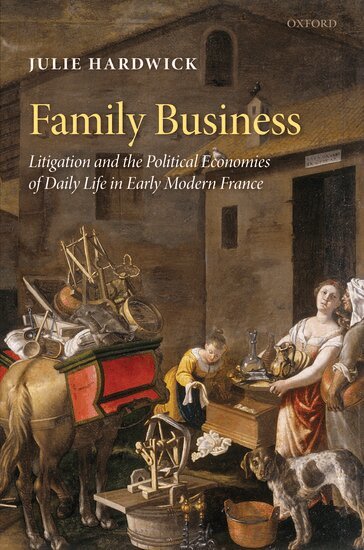
Family Business
Litigation and the Political Economies of Daily Life in Early Modern France
E-bok, 2009
1133 kr
Lägg i varukorg
In seventeenth-century France, families were essential as both agents and objects in the shaping of capitalism and growth of powerful states - phenomena that were critical to the making of the modern world. For household members, neighbours, and authorities, the family business of the management of …
Family Business
Litigation and the Political Economies of Daily Life in Early Modern France
Inbunden, 2009
1998 kr
Lägg i varukorg
In seventeenth-century France, families were essential as both agents and objects in the shaping of capitalism and growth of powerful states - phenomena that were critical to the making of the modern world. For household members, neighbours, and authorities, the family business of the management of …