Julietta Hua – författare
Visar alla böcker från författaren Julietta Hua. Handla med fri frakt och snabb leverans.
5 produkter
5 produkter
261 kr
Skickas inom 10-15 vardagar
The history of human beings bought and sold, forced into lives of abject servitude or sexual slavery, is a story as old as civilization and yet still of global concern today. How this story is told, Julietta Hua argues, says much about our cultural beliefs. Through a critical inquiry into representations of human trafficking, she reveals the political, social, and cultural strains underlying our current preoccupation with this issue and the difficulty of framing human rights in universal terms.In Trafficking Women’s Human Rights, Hua maps the ways in which government, media, and scholarship have described sex trafficking for U.S. consumption. As her investigation takes us from laws like the Victims of Trafficking and Violence Protection Act to political speeches and literary and media images, it uncovers dark assumptions about race, difference, and the United States’ place in the world expressed-and often promoted-by such images. The framing itself, exploiting dichotomies of victim/agent, rescued/rescuer, trafficked/smuggled, illustrates the limits of universalism in addressing human rights.Uniquely broad in scope, this work considers the laws of human trafficking in conjunction with popular culture. In doing so, it constructively draws attention to the ways in which notions of racialized sexualities form our ideas about national belonging, global citizenship, and, ultimately, human rights.
1 077 kr
Skickas inom 10-15 vardagar
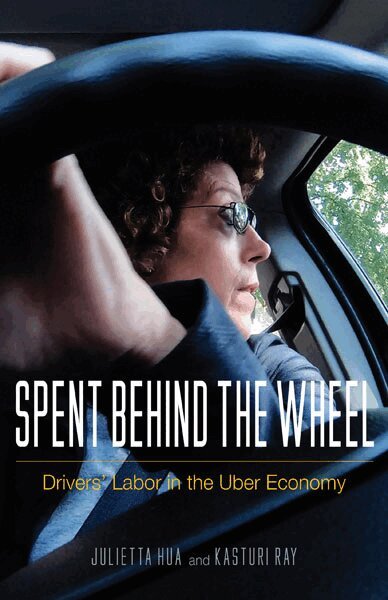
Exploring professional passenger driving and the gig economy through feminist theories of laborAre taxi drivers in today’s era of the ride-hail app performing care work akin to domestic and household labor? So argue the authors of Spent behind the Wheel. Bringing together sociological and legal perspectives with feminist theoretical insights, Julietta Hua and Kasturi Ray examine the case study of contemporary professional passenger driving in the United States. On the one hand, they show, the rise of the gig economy has brought new attention to the industry of professional passenger driving. On the other hand, the vulnerabilities that professional drivers experience remain hidden. Drawing on interviews with drivers, labor organizers, and members of licensing commissions, as well as case law and other published resources, Hua and Ray argue that working for ride-hail companies like Uber and Lyft shares similarities with driving for taxi companies in the impact on driver lives. Lyft and Uber sell the idea of industry disruption, but in fact they entrench long-standing modes of extracting the reproductive labor of their drivers for the benefit of consumer lives. Reproductive labor-conventionally understood as feminized labor-is extracted, but masked, behind the masculinized, racialized bodies of drivers. Professional driving is thus best understood alongside domestic and other gendered service work as reproductive labors devalued and often demonetized to benefit the national economy. Spent behind the Wheel is a must for readers interested in critical studies of technological change and the gig economy, showing how drivers’ capacities are drained for the benefit of riders, corporations, and the maintenance of the racial state.
261 kr
Skickas inom 10-15 vardagar
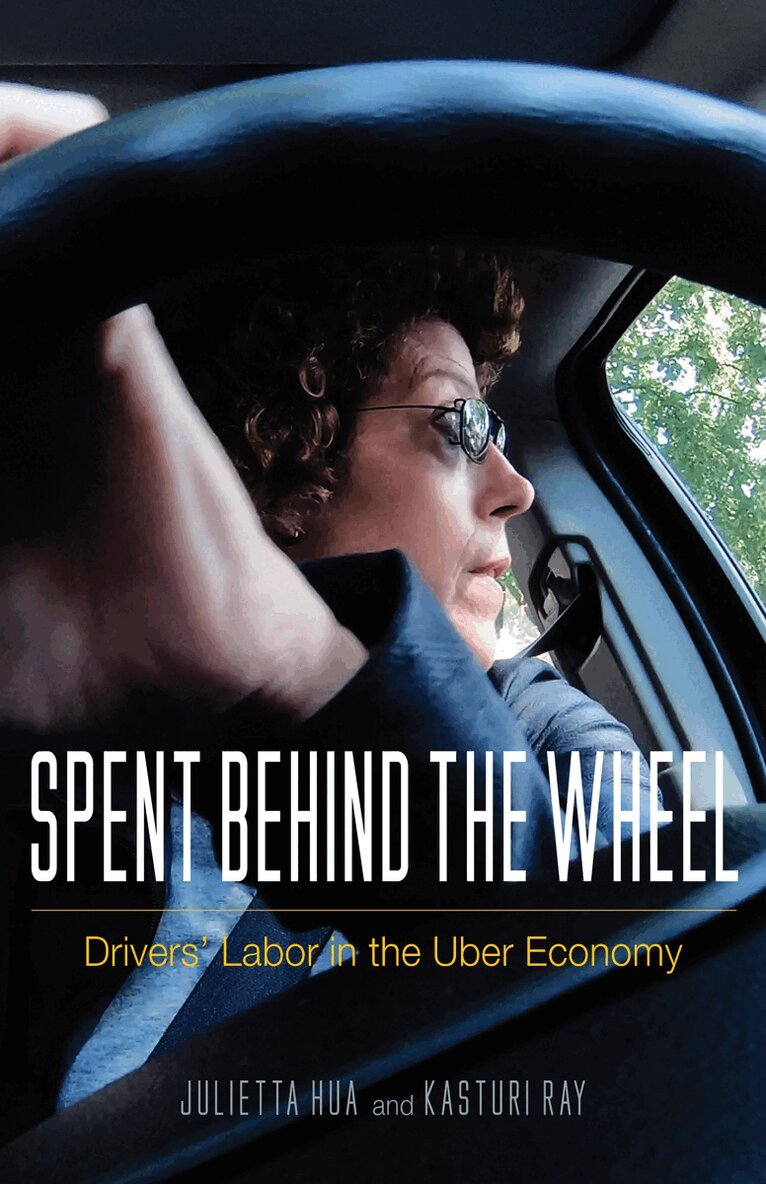
Exploring professional passenger driving and the gig economy through feminist theories of laborAre taxi drivers in today’s era of the ride-hail app performing care work akin to domestic and household labor? So argue the authors of Spent behind the Wheel. Bringing together sociological and legal perspectives with feminist theoretical insights, Julietta Hua and Kasturi Ray examine the case study of contemporary professional passenger driving in the United States. On the one hand, they show, the rise of the gig economy has brought new attention to the industry of professional passenger driving. On the other hand, the vulnerabilities that professional drivers experience remain hidden. Drawing on interviews with drivers, labor organizers, and members of licensing commissions, as well as case law and other published resources, Hua and Ray argue that working for ride-hail companies like Uber and Lyft shares similarities with driving for taxi companies in the impact on driver lives. Lyft and Uber sell the idea of industry disruption, but in fact they entrench long-standing modes of extracting the reproductive labor of their drivers for the benefit of consumer lives. Reproductive labor-conventionally understood as feminized labor-is extracted, but masked, behind the masculinized, racialized bodies of drivers. Professional driving is thus best understood alongside domestic and other gendered service work as reproductive labors devalued and often demonetized to benefit the national economy. Spent behind the Wheel is a must for readers interested in critical studies of technological change and the gig economy, showing how drivers’ capacities are drained for the benefit of riders, corporations, and the maintenance of the racial state.
In Conversation with Denise Ferreira da Silva
New Methodologies for Race, Ethnic, and Decolonial Studies
Häftad, Engelska, 2026
275 kr
Kommande
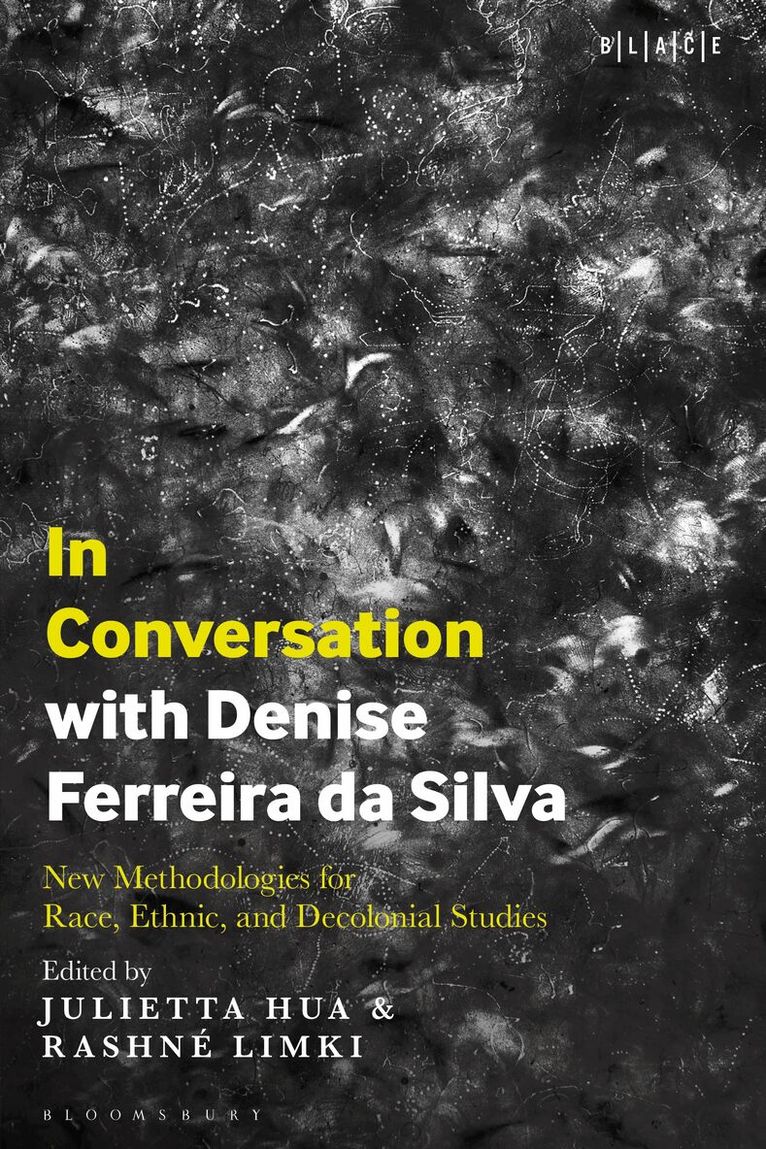
Ferreira da Silva's own words, in interviews and an original essay, frame this collection of interdisciplinary scholars and artists engaging with her influential work at the intersections of global race, ethnic, and feminist studies.As a decolonial feminist philosopher, Denise Ferreira da Silva has pushed the fields of ethnic and feminist studies beyond traditional stakes in US-centered formulations of difference and inclusion. In Conversation with Denise Ferreira da Silva is an interdisciplinary reading companion of Silva’s work – and its reckoning with the persistence of global racial violence – designed to help scholars, students, artists, and activists better engage in a global idea of race. While traditional scholarship around difference has often focused on describing difference as separation, segregation, and subjugation, Ferreira da Silva's art practice and philosophical writings attempt to think and teach "difference without separatability."The book is framed by original interviews with Ferreira da Silva on topics including Black Brazilian thought and feminist studies, disorder and Afro-pessimism, citation politics and decoloniality, and Spinoza and physics. Contributors from a broad range of disciplines – such as comparative literature, creative writing, criminology, gender studies, and global studies – provide short reflections on Ferreira da Silva’s methods and arguments on these topics.By providing a way to enter into dialogue with Ferreira da Silva’s works, this volume brings one of the most distinguished and consistent recent voices on the nature of the human to those interested in engaging questions of racial power and difference within their own disciplines.
In Conversation with Denise Ferreira da Silva
New Methodologies for Race, Ethnic, and Decolonial Studies
Inbunden, Engelska, 2026
898 kr
Kommande
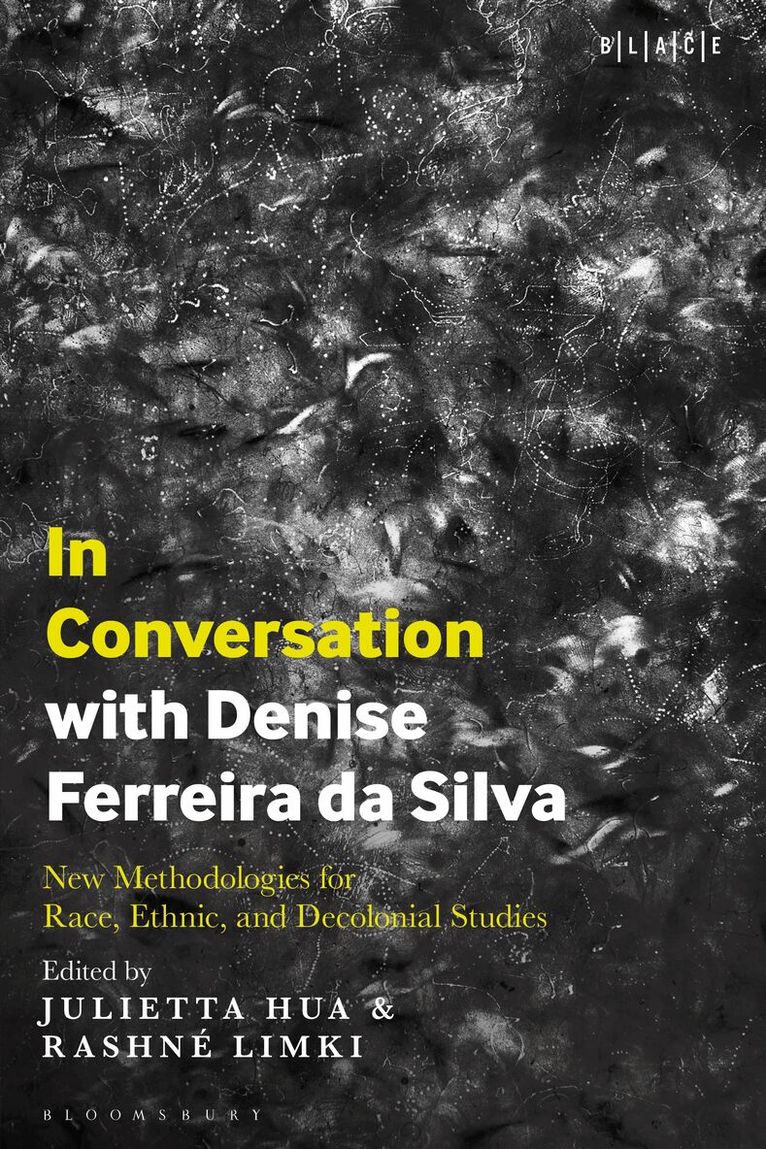
Ferreira da Silva's own words, in interviews and an original essay, frame this collection of interdisciplinary scholars and artists engaging with her influential work at the intersections of global race, ethnic, and feminist studies.As a decolonial feminist philosopher, Denise Ferreira da Silva has pushed the fields of ethnic and feminist studies beyond traditional stakes in US-centered formulations of difference and inclusion. In Conversation with Denise Ferreira da Silva is an interdisciplinary reading companion of Silva’s work – and its reckoning with the persistence of global racial violence – designed to help scholars, students, artists, and activists better engage in a global idea of race. While traditional scholarship around difference has often focused on describing difference as separation, segregation, and subjugation, Ferreira da Silva's art practice and philosophical writings attempt to think and teach "difference without separatability."The book is framed by original interviews with Ferreira da Silva on topics including Black Brazilian thought and feminist studies, disorder and Afro-pessimism, citation politics and decoloniality, and Spinoza and physics. Contributors from a broad range of disciplines – such as comparative literature, creative writing, criminology, gender studies, and global studies – provide short reflections on Ferreira da Silva’s methods and arguments on these topics.By providing a way to enter into dialogue with Ferreira da Silva’s works, this volume brings one of the most distinguished and consistent recent voices on the nature of the human to those interested in engaging questions of racial power and difference within their own disciplines.