Jussi Lassila – författare
Visar alla böcker från författaren Jussi Lassila. Handla med fri frakt och snabb leverans.
7 produkter
7 produkter
Inbunden, Engelska, 2017
1 680 kr
Skickas inom 10-15 vardagar
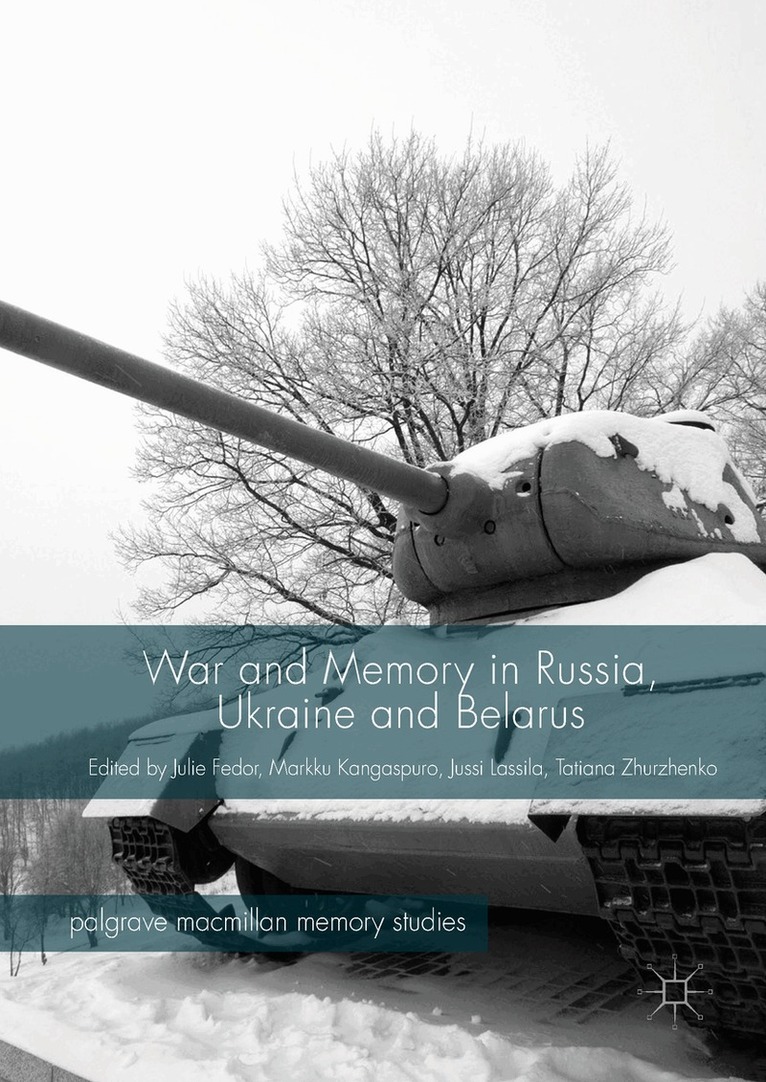
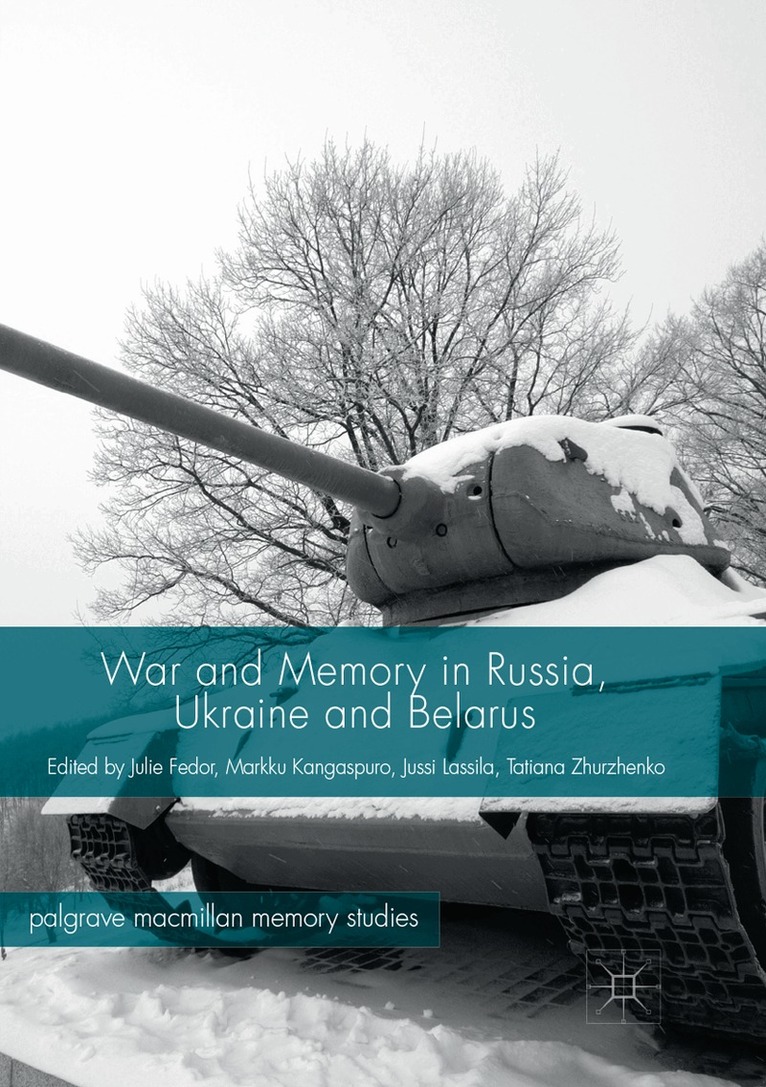
This edited collection contributes to the current vivid multidisciplinary debate on East European memory politics and the post-communist instrumentalization and re-mythologization of World War II memories. The book focuses on the three Slavic countries of post-Soviet Eastern Europe – Russia, Ukraine and Belarus – the epicentre of Soviet war suffering, and the heartland of the Soviet war myth. The collection gives insight into the persistence of the Soviet commemorative culture and the myth of the Great Patriotic War in the post-Soviet space. It also demonstrates that for geopolitical, cultural, and historical reasons the political uses of World War II differ significantly across Ukraine, Russia and Belarus, with important ramifications for future developments in the region and beyond.The chapters 'Introduction: War and Memory in Russia, Ukraine and Belarus', ‘From the Trauma of Stalinism to the Triumph of Stalingrad: The Toponymic Dispute over Volgograd’ and 'The “Partisan Republic”: Colonial Myths and Memory Wars in Belarus' are published open access under a CC BY 4.0 license at link.springer.com. The chapter 'Memory, Kinship, and Mobilization of the Dead: The Russian State and the “Immortal Regiment” Movement' is published open access under a CC BY-NC-ND 4.0 license at link.springer.com.
E-bok
Engelska, 20172 036 kr
Läs direkt efter köp
This edited collection contributes to the current vivid multidisciplinary debate on East European memory politics and the post-communist instrumentalization and re-mythologization of World War II memories. The book focuses on the three Slavic countries of post-Soviet Eastern Europe – Russia, Ukraine and Belarus – the epicentre of Soviet war suffering, and the heartland of the Soviet war myth. The collection gives insight into the persistence of the Soviet commemorative culture and the myth of the Great Patriotic War in the post-Soviet space. It also demonstrates that for geopolitical, cultural, and historical reasons the political uses of World War II differ significantly across Ukraine, Russia and Belarus, with important ramifications for future developments in the region and beyond.The chapters ''Introduction: War and Memory in Russia, Ukraine and Belarus'', ‘From the Trauma of Stalinism to the Triumph of Stalingrad: The Toponymic Dispute over Volgograd’ and ''The “Partisan Republic”: Colonial Myths and Memory Wars in Belarus'' are published open access under a CC BY 4.0 license at link.springer.com. The chapter ''Memory, Kinship, and Mobilization of the Dead: The Russian State and the “Immortal Regiment” Movement'' is published open access under a CC BY-NC-ND 4.0 license at link.springer.com.
Häftad, Engelska, 2018
1 680 kr
Skickas inom 10-15 vardagar
This edited collection contributes to the current vivid multidisciplinary debate on East European memory politics and the post-communist instrumentalization and re-mythologization of World War II memories. The book focuses on the three Slavic countries of post-Soviet Eastern Europe – Russia, Ukraine and Belarus – the epicentre of Soviet war suffering, and the heartland of the Soviet war myth. The collection gives insight into the persistence of the Soviet commemorative culture and the myth of the Great Patriotic War in the post-Soviet space. It also demonstrates that for geopolitical, cultural, and historical reasons the political uses of World War II differ significantly across Ukraine, Russia and Belarus, with important ramifications for future developments in the region and beyond.The chapters 'Introduction: War and Memory in Russia, Ukraine and Belarus', ‘From the Trauma of Stalinism to the Triumph of Stalingrad: The Toponymic Dispute over Volgograd’ and 'The “Partisan Republic”: Colonial Myths and Memory Wars in Belarus' are published open access under a CC BY 4.0 license at link.springer.com. The chapter 'Memory, Kinship, and Mobilization of the Dead: The Russian State and the “Immortal Regiment” Movement' is published open access under a CC BY-NC-ND 4.0 license at link.springer.com.
Del 115 - Soviet and Post-Soviet Politics and Society
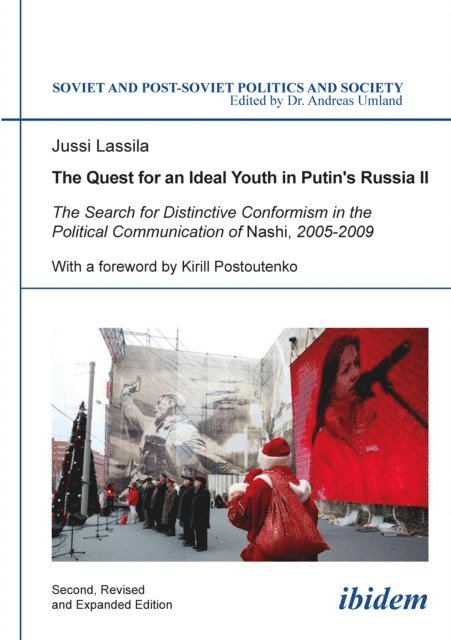
Quest for an Ideal Youth in Putin’s Russia II
The Search for Distinctive Conformism in the Political Communication of Nashi, 2005-2009
Häftad, Engelska, 2014
772 kr
Skickas inom 5-8 vardagar
E-bok
PDF, Engelska, 2014451 kr
Läs direkt efter köp
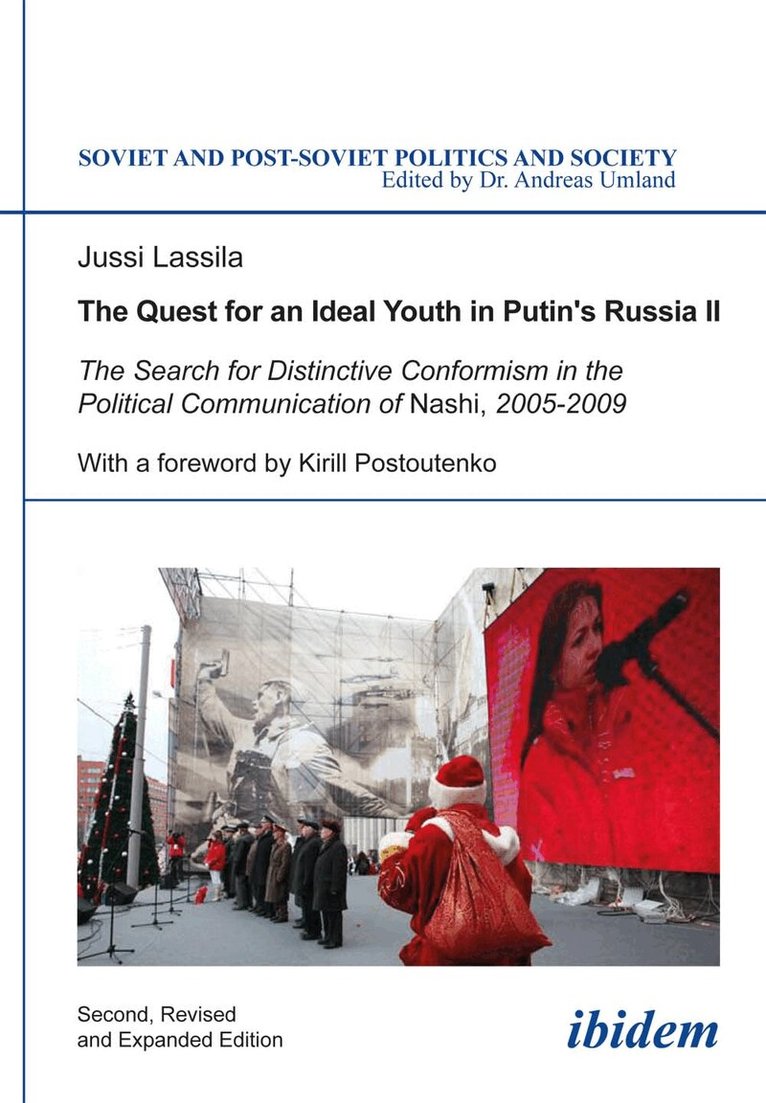
The so-called Democratic Antifascist Youth Movement “Nashi” represents a crucial case of a post-Orange government-organized formation whose values have broad support in Russian society. Yet, at the same time, in view of the movement’s public scandals, Nashi was also a phenomenon bringing to the fore public reluctance to accept all implications of Putin’s new system. The Russian people’s relatively widespread support for his patriotic policies and conservative values has been evident, but this support is not easily extended to political actors aligned to these values. Using discourse analysis, this book identifies socio-political factors that created obstacles to Nashi’s communication strategies. The book understands Nashi as anticipating an “ideal youth” within the framework of official national identity politics and as an attempt to mobilize largely apolitical youngsters in support of the powers that be. It demonstrates how Nashi’s ambivalent societal position was the result of a failed attempt to reconcile incompatible communicative demands of the authoritarian state and apolitical young.
E-bok
Finska, 2021257 kr
Läs direkt efter köp
Venäjä on arvaamaton - mitä enemmän tiedät, sitä huonommin nukut. Onko tietämättömyys vaihtoehto? Ei, vastaavat tutkijat.Venäjätutkimuksen kärkihahmo katsoo historioitsijan silmin niin Stalinin vainoissa Sandarmohin joukkohautaan päätyneiden suomalaisten kohtaloa, kuin Skolkovon tiedekeskuksen suurhanketta. Aleksanteri-instituutin johtajan Markku Kangaspuron tutkimuksen kohteena on historian poliittinen käyttö, nationalismi ja identiteetti. Nämä teemat yhdistävät kokoelman kirjoituksia.Kirjan ensimmäisen osa käsittelee nykypäivää. Markku Kivinen ehdottaa tutkimukseen uutta monitieteistä näkökulmaa, Richard Sakwa pohtii Venäjän uhan olemusta, Dieter Segert päivittää Ukrainan kiperää historiapoliitikkaa. Vladimir Gelman selkeyttää ”liberaalien” ja ”demokraattien” jakolinjaa, Katja Lehtisaari nationalismin ja mediapolitiikan kytköksiä. Saara Ratilainen valottaa naisten osuutta internetin valtakulussa, Tatjana Zurzenko tuo pohjoisen näkökulmia paikalliseen muistiin.Kirjan toinen osa syventää historian pitkää varjoa, mutta kertoo myös aatteista ja niiden toteuttajista.
Häftad, Engelska
449 kr
Tillfälligt slut