Justin Lev-Tov – författare
Visar alla böcker från författaren Justin Lev-Tov. Handla med fri frakt och snabb leverans.
2 produkter
2 produkter
E-bok
Engelska, 2021123 kr
Läs direkt efter köp
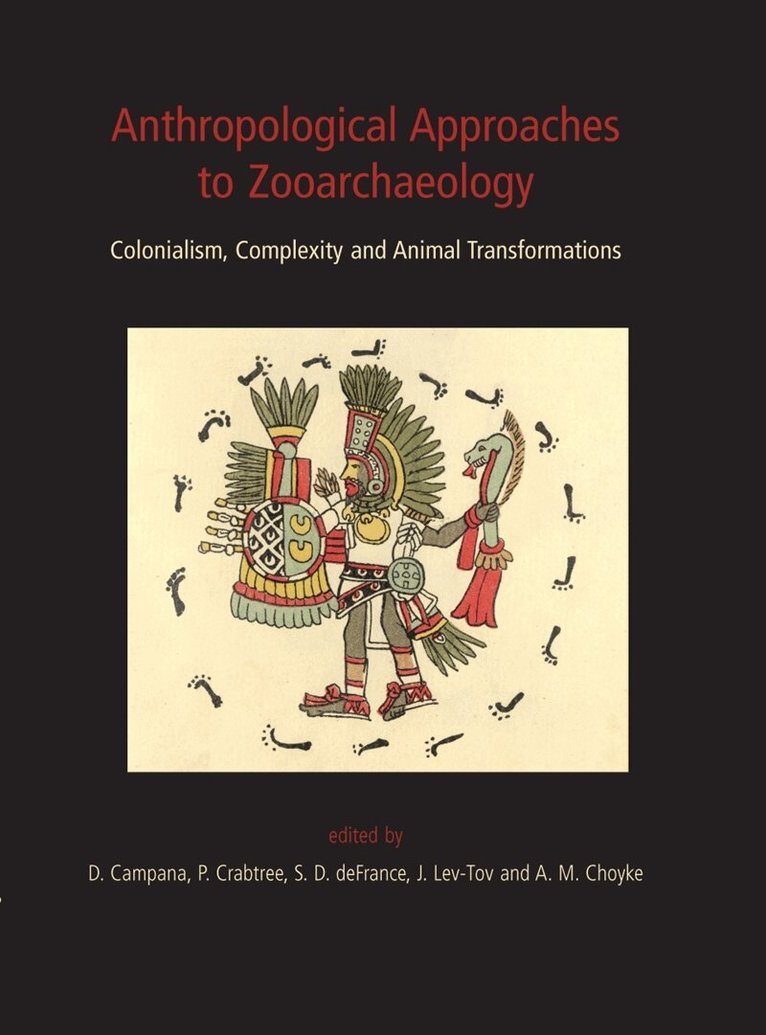
Animals in complex human societies are often both meal and symbol, related to everyday practice and ritual. People in such societies may be characterized as having unequal access to such resources, or else the meaning of animals may differ for component groups. Here, in this book, 28 peer-reviewed papers that span 4 continents and the Caribbean islands explore in different ways how animals were incorporated into the diets and religions of many unique societies. The temporal range is from the Neolithic to the Spanish colonization of the New World as well as to modern tourist trade in indigenous animal art. The volume explores various themes including the interaction of foodways with complex societies, the interaction between diet and colonialism and the complex role that animals, and parts of animals, play in all human societies as religious, identity markers, or other types of symbols. Organized according to these themes, rather than geographic location or time period, the papers presented here crosscut such divisions. In so doing, this book presents an opportunity for scholars divided by geography especially, but also by temporal period, to explore each other's research and demonstrate that different archaeological settings can address the same problems cross-culturally.
Del 2 - Archaeobiology
Wide Lens in Archaeology
Honoring Brian Hesse's Contributions to Anthropological Archaeology
Häftad, Engelska, 2018
833 kr
Skickas inom 3-6 vardagar
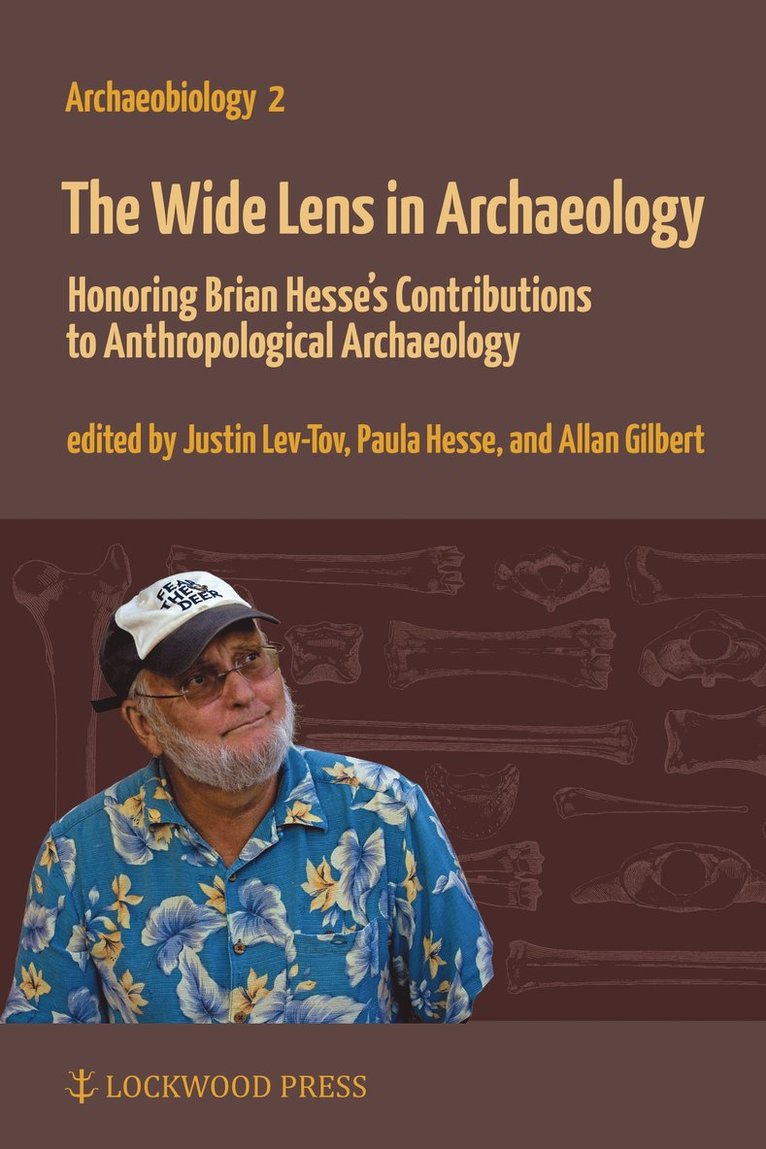
This book is a Gedenkschrift in memory of Brian Hesse, a scholar of archaeology, a writer of alliterative and punned publication titles, and an accomplished amateur photographer.Hesse specialized in zooarchaeology, but he influenced a wider range of excavators and ancient historians with his broad interpretive reach. He spent much of his career analysing faunal materials from different countries in the Middle East--including Iran, Yemen, and Israel, and his publications covered themes particular to animal bone studies, such as domestication, ancient market economics, as well as broader themes such as determining ethnicity in archaeology.The essays in this volume reflect the breadth of his interests. Most chapters share an Old World geographic setting, focusing either on Europe or the Middle East. The topics are diverse, with the majority discussing animal bones, as was Hesse's specialization, but some take a non-faunal perspective related to the problems with which Hesse grappled. The volume is also broad in temporal scope, ranging from Neolithic Iran to early Medieval England, and it addresses theoretical matters as well as methodological innovations including taphonomy and the history of computers in zooarchaeology. Several of the essays are direct revisits to, inspirations from, or extensions of Hesse's own research.All the contributions reflect his intense interest in social questions about antiquity; the theme of social archaeology informed much of Brian Hesse's thinking, and it is why his work made such an impact on those working outside his own disciplinary research.