Justin McDaniel - Böcker
Visar alla böcker från författaren Justin McDaniel. Handla med fri frakt och snabb leverans.
5 produkter
5 produkter
2 127 kr
Skickas inom 3-6 vardagar
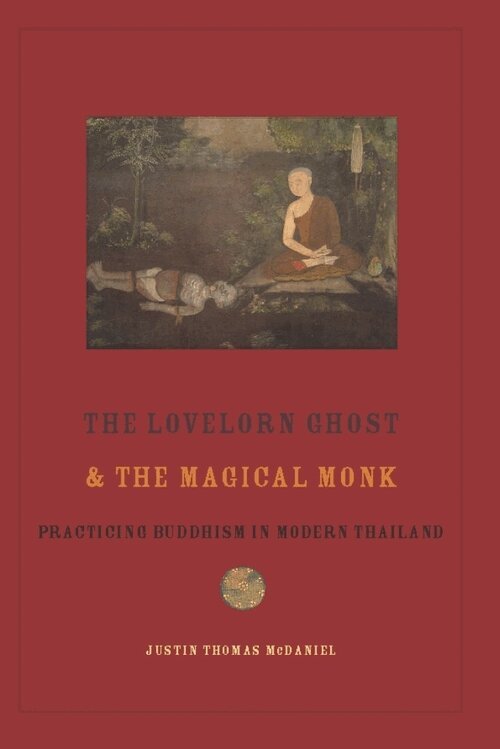
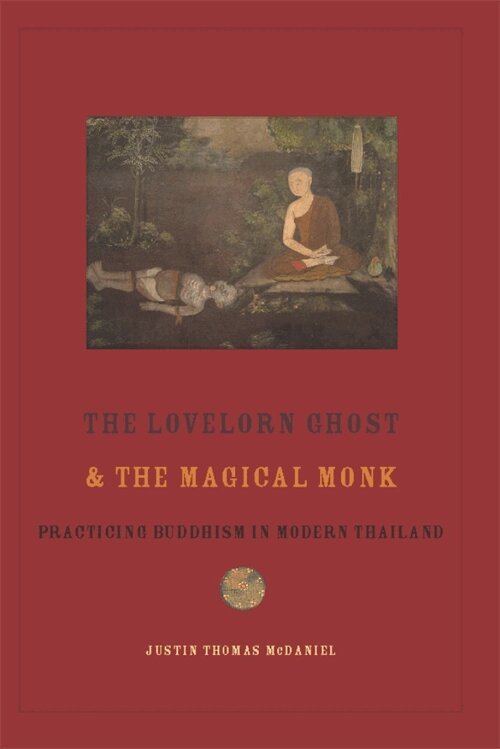
Stories centering on the lovelorn ghost (Mae Nak) and the magical monk (Somdet To) are central to Thai Buddhism. Historically important and emotionally resonant, these characters appeal to every class of follower. Metaphorically and rhetorically powerful, they invite constant reimagining across time. Focusing on representations of the ghost and monk from the late eighteenth century to the present, Justin Thomas McDaniel builds a case for interpreting modern Thai Buddhist practice through the movements of these transformative figures. He follows embodiments of the ghost and monk in a variety of genres and media, including biography, film, television, drama, ritual, art, liturgy, and the Internet. Sourcing nuns, monks, laypeople, and royalty, he shows how relations with these figures have been instrumental in crafting histories and modernities. McDaniel is especially interested in local conceptions of being "Buddhist" and the formation and transmission of such identities across different venues and technologies.Establishing an individual's "religious repertoire" as a valid category of study, McDaniel explores the performance of Buddhist thought and ritual through practices of magic, prognostication, image production, sacred protection, and deity and ghost worship, and clarifies the meaning of multiple cultural configurations. Listening to popular Thai Buddhist ghost stories, visiting crowded shrines and temples, he finds concepts of attachment, love, wealth, beauty, entertainment, graciousness, security, and nationalism all spring from engagement with the ghost and the monk and are as vital to the making of Thai Buddhism as venerating the Buddha himself.
279 kr
Skickas inom 7-10 vardagar
Stories centering on the lovelorn ghost (Mae Nak) and the magical monk (Somdet To) are central to Thai Buddhism. Historically important and emotionally resonant, these characters appeal to every class of follower. Metaphorically and rhetorically powerful, they invite constant reimagining across time. Focusing on representations of the ghost and monk from the late eighteenth century to the present, Justin Thomas McDaniel builds a case for interpreting modern Thai Buddhist practice through the movements of these transformative figures. He follows embodiments of the ghost and monk in a variety of genres and media, including biography, film, television, drama, ritual, art, liturgy, and the Internet. Sourcing nuns, monks, laypeople, and royalty, he shows how relations with these figures have been instrumental in crafting histories and modernities. McDaniel is especially interested in local conceptions of being "Buddhist" and the formation and transmission of such identities across different venues and technologies.Establishing an individual's "religious repertoire" as a valid category of study, McDaniel explores the performance of Buddhist thought and ritual through practices of magic, prognostication, image production, sacred protection, and deity and ghost worship, and clarifies the meaning of multiple cultural configurations. Listening to popular Thai Buddhist ghost stories, visiting crowded shrines and temples, he finds concepts of attachment, love, wealth, beauty, entertainment, graciousness, security, and nationalism all spring from engagement with the ghost and the monk and are as vital to the making of Thai Buddhism as venerating the Buddha himself.
1 127 kr
Skickas inom 7-10 vardagar
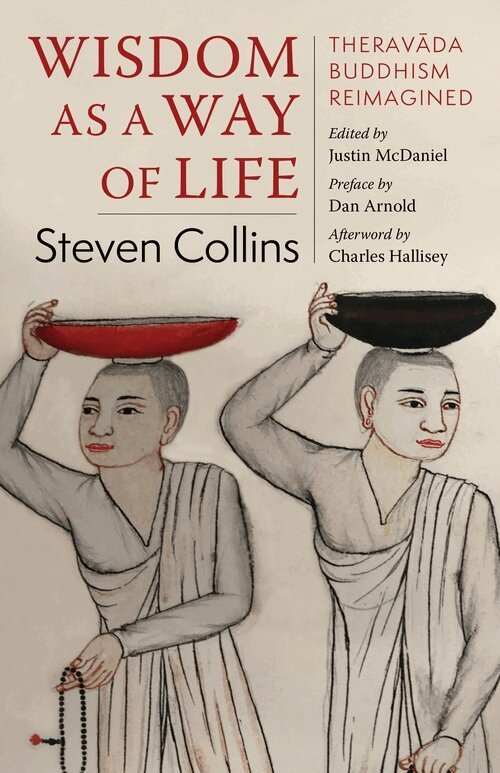
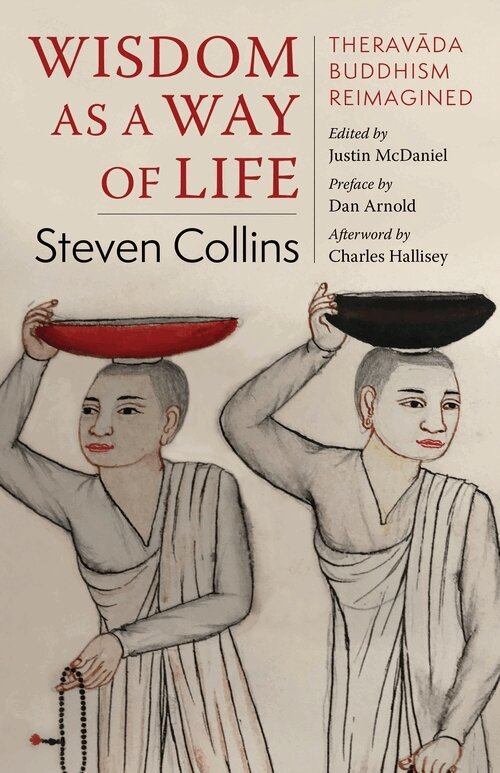
This wide-ranging and powerful book argues that Theravāda Buddhism provides ways of thinking about the self that can reinvigorate the humanities and offer broader insights into how to learn and how to act. Steven Collins argues that Buddhist philosophy should be approached in the spirit of its historical teachers and visionaries, who saw themselves not as preservers of an archaic body of rules but as part of a timeless effort to understand what it means to lead a worthy life. He contends that Buddhism should be studied philosophically, literarily, and ethically using its own vocabulary and rhetorical tools. Approached in this manner, Buddhist notions of the self help us rethink contemporary ideas of self-care and the promotion of human flourishing.Collins details the insights of Buddhist texts and practices that promote the ideal of active and engaged learning, offering an expansive and lyrical reflection on Theravāda approaches to meditation, asceticism, and physical training. He explores views of monastic life and contemplative practices as complementing and reinforcing textual learning, and argues that the Buddhist tenet that the study of philosophy and ethics involves both rigorous reading and an ascetic lifestyle has striking resonance with modern and postmodern ideas. A bold reappraisal of the history of Buddhist literature and practice, Wisdom as a Way of Life offers students and scholars across the disciplines a nuanced understanding of the significance of Buddhist ways of knowing for the world today.
287 kr
Skickas inom 7-10 vardagar
This wide-ranging and powerful book argues that Theravāda Buddhism provides ways of thinking about the self that can reinvigorate the humanities and offer broader insights into how to learn and how to act. Steven Collins argues that Buddhist philosophy should be approached in the spirit of its historical teachers and visionaries, who saw themselves not as preservers of an archaic body of rules but as part of a timeless effort to understand what it means to lead a worthy life. He contends that Buddhism should be studied philosophically, literarily, and ethically using its own vocabulary and rhetorical tools. Approached in this manner, Buddhist notions of the self help us rethink contemporary ideas of self-care and the promotion of human flourishing.Collins details the insights of Buddhist texts and practices that promote the ideal of active and engaged learning, offering an expansive and lyrical reflection on Theravāda approaches to meditation, asceticism, and physical training. He explores views of monastic life and contemplative practices as complementing and reinforcing textual learning, and argues that the Buddhist tenet that the study of philosophy and ethics involves both rigorous reading and an ascetic lifestyle has striking resonance with modern and postmodern ideas. A bold reappraisal of the history of Buddhist literature and practice, Wisdom as a Way of Life offers students and scholars across the disciplines a nuanced understanding of the significance of Buddhist ways of knowing for the world today.
482 kr
Skickas inom 7-10 vardagar
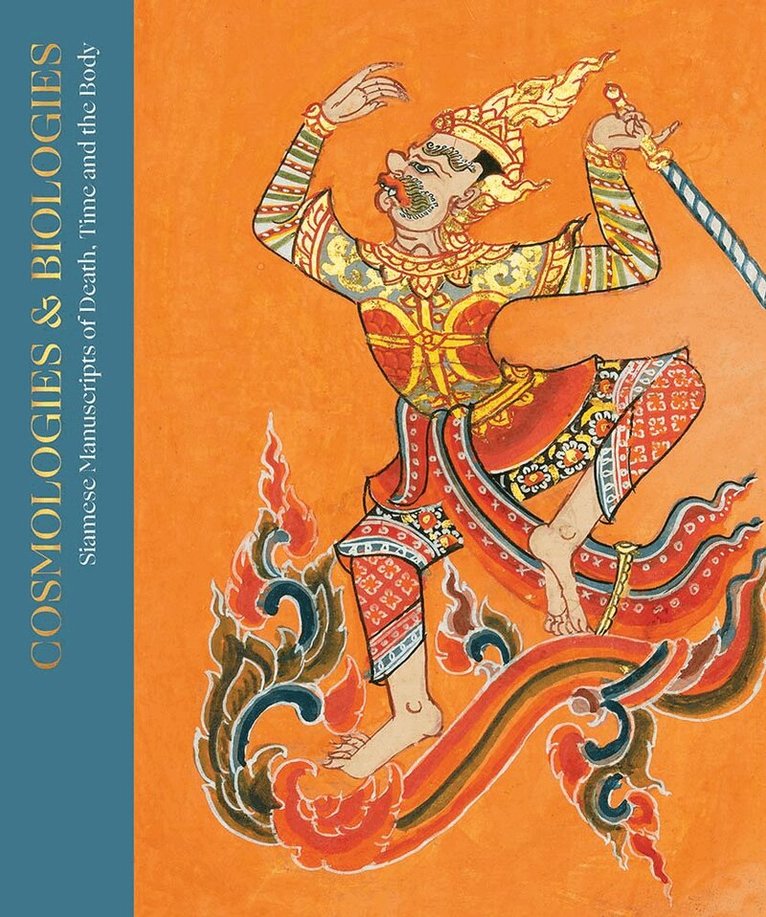
This is an important and ground-breaking study of rare Siamese manuscripts of two kinds, biological and cosmological. Beautiful in themselves, they are produced under unusual conditions and no one of these manuscripts is like another, though they draw on a common pool of rituals, actions and stories. This fascinating publication closely examines and contextualizes a collection of 30 of the most striking and visually unique manuscripts of this kind known, in or outside Thailand. These manuscripts are religious in nature, containing several genres of Buddhist texts including liturgical, narrative, historical, grammatical, psychological, ritual, and magical material, but, compared to other Thai and other Southeast Asian examples they are particularly strong in the realms of medical, biological and cosmological Thai thought. A recurrent feature is the story of Phra Malai, a monk whose travels to various heavens and hells are described and illustrated. Several rare medical manuscripts serve to reveal how mythology, biology, astrology, physiognomy and pharmacology are blended in the pre-modern Siamese/Thai tradition. These and other such illuminated manuscripts were produced in 18th- and 19th-century Siam (as Thailand was then known) and are richly illustrated both with delightful and evocative depictions of the Buddha, Hindu deities, Bodhisattvas, nuns, monks, and laypeople, and with some grotesque andterrifying ones – they attest to a particular interest in corpses and their implications among some of their readers. The author, who has both lived the Buddhist life in Thailand and researched in Thai monasteries, has extensive knowledge not only of the history but of the dynamic of Thai religion, studying not just older texts but continuing rituals and contemporary media. He was inspired to write this book by the very great value he saw in these particular manuscripts, a most unusual collection amassed with a discriminating eye. The book consists both of an explanation and a detailed catalogue of this collection of exemplary manuscripts and of a fascinating introductory essay discussing the belief systems and activities they represent.Published by Paul Holberton Publishing