Kalle Pihlainen - Böcker
Visar alla böcker från författaren Kalle Pihlainen. Handla med fri frakt och snabb leverans.
7 produkter
7 produkter
410 kr
Skickas inom 10-15 vardagar
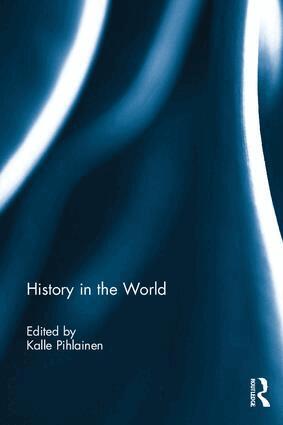
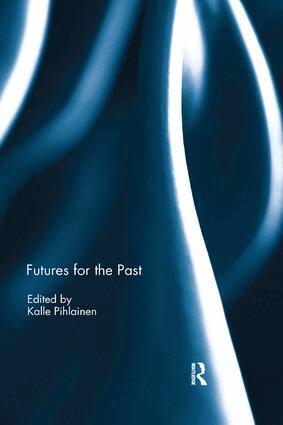
Questions about the relationship between historical research and contemporary social and practical problems have posed a challenge to generations of historians, as well as to philosophers and theorists of history. In recent years, views regarding the isolation of academic history from real-world issues and affairs have come under increasing criticism. The contributions to this volume all focus on history’s role in the world today and on the possibilities for, and limits to, engagement resulting from disciplinary practices and conventions. The authors undertake their assessment of history’s relevance in different ways, combining case studies of political clashes, public debates, and practices of commemoration with sophisticated theoretical discussions of identity construction, the material manifestations of power, and the relationship between historicizing and expectations concerning future actions. These studies highlight the difficulty of distinguishing between history and politics, and between disciplinary accounts and activism, and contribute significantly towards an improved understanding of our relationship with the past. This book was originally published as a special issue of Rethinking History.
660 kr
Skickas inom 10-15 vardagar
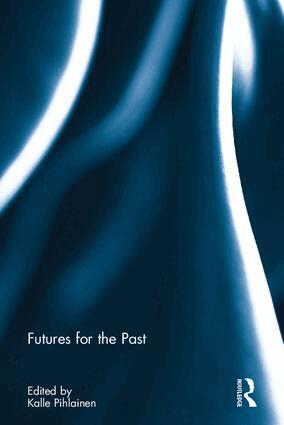
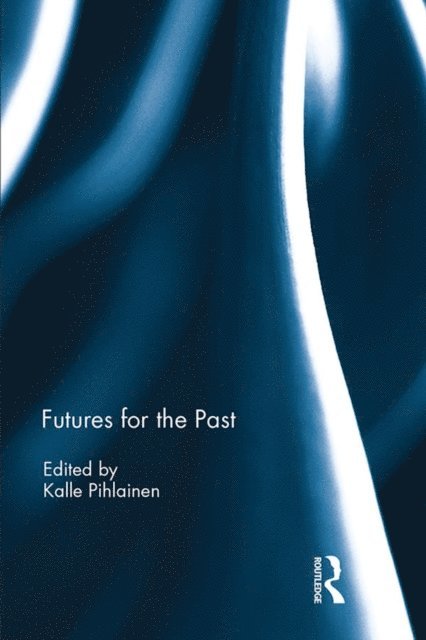
Faced with the challenge of new ideological emphases and subjects of study, academic history has undergone significant changes in its contents in the past half-century. Simultaneously, pressures to change have been directed at its form, particularly in the shape of calls for more socially engaged and up-to-date modes of presentation. The demand for ‘history’ in this more existential sense is equally evidenced by the rise of practical and popular uses of the past outside academic history writing. Reflecting on these shifts in the broader history culture, this collection explores the entanglements and opportunities of history and historians today, moving between questions of social and institutional self-justification, desires relating to identity and self-understanding as well as the consumption and entertainment needs of audiences. The authors find inspiration in varied traditions and media ranging from ancient philosophy and classic history writing to reality TV and Twitter. In doing so, they also present exciting futures for where history may yet go. This book was originally published as a special issue of Rethinking History.
673 kr
Skickas inom 10-15 vardagar
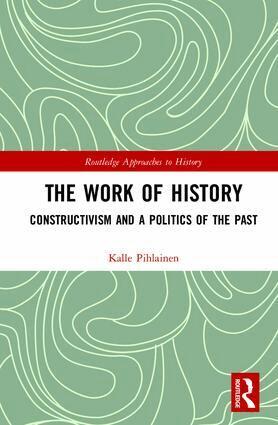
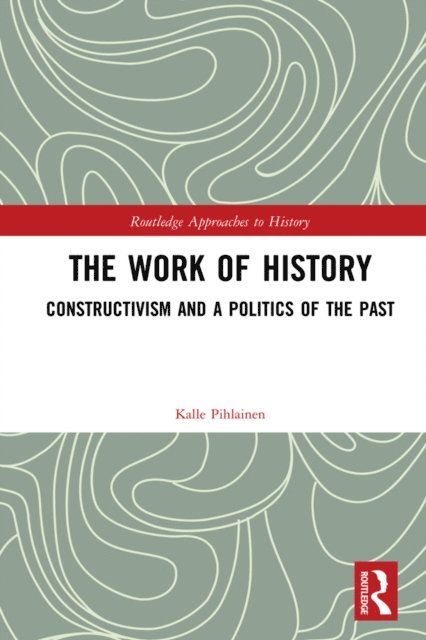
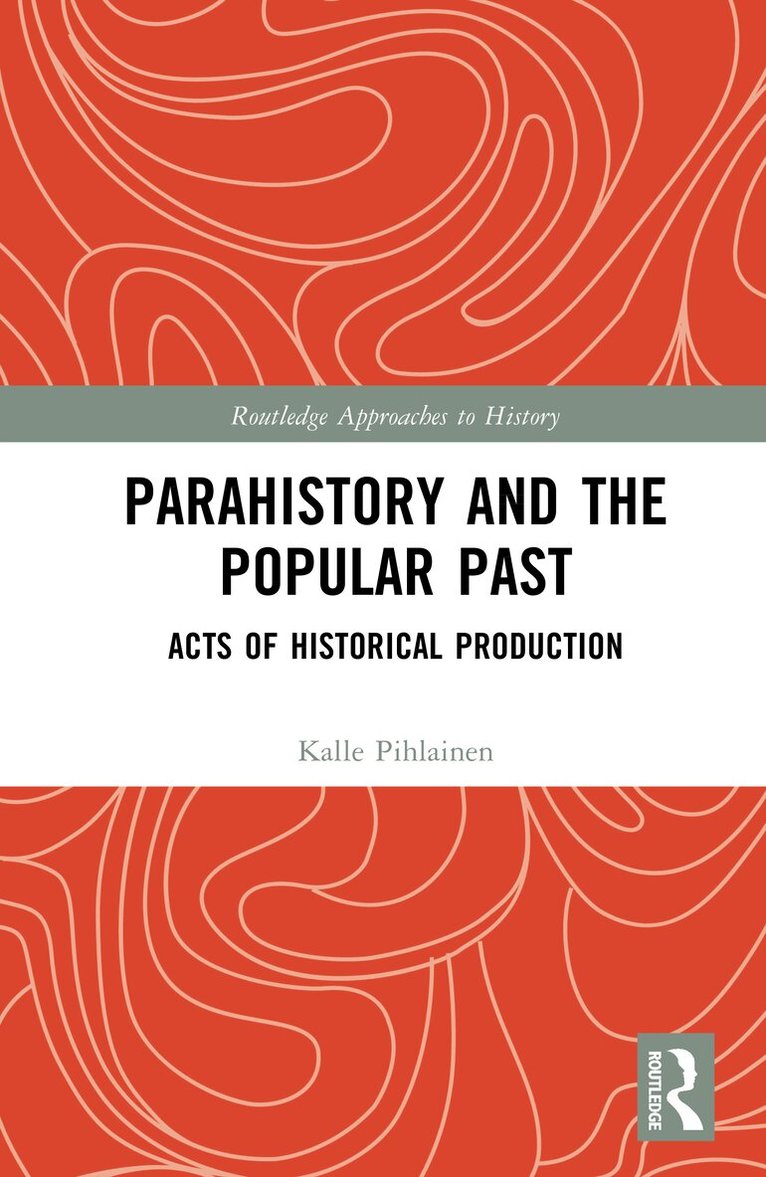
Since the appearance of Hayden White’s seminal work Metahistory in 1973, constructivist thought has been a key force within theory of history and has at times even provided inspiration for historians more generally. Despite the radical theoretical shift marked by constructivism and elaborated in detail by its proponents, confusion regarding many of its practical and ethical consequences persists, however, and its position on truth and meaning is routinely misconstrued. To remedy this situation, The Work of History seeks to mediate between constructivist theory and history practitioners’ intuitions about the nature of their work, especially as these relate to the so-called fact–fiction debate and to the literary challenges involved in the production of historical accounts. In doing so, the book also offers much-needed insight into debates about our experiential relations with the past, the political use of history and the role of facts in the contestation of power.
2 159 kr
Skickas inom 10-15 vardagar
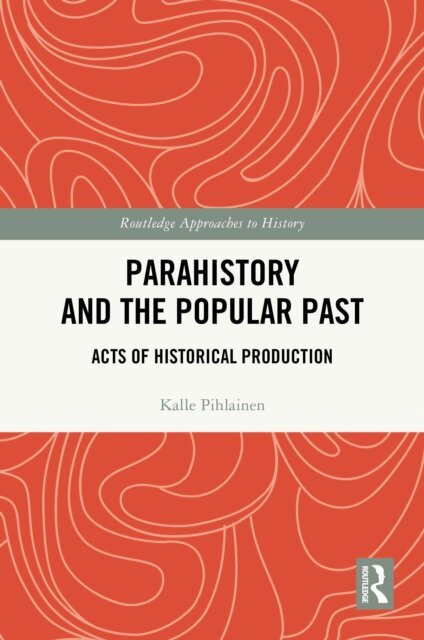
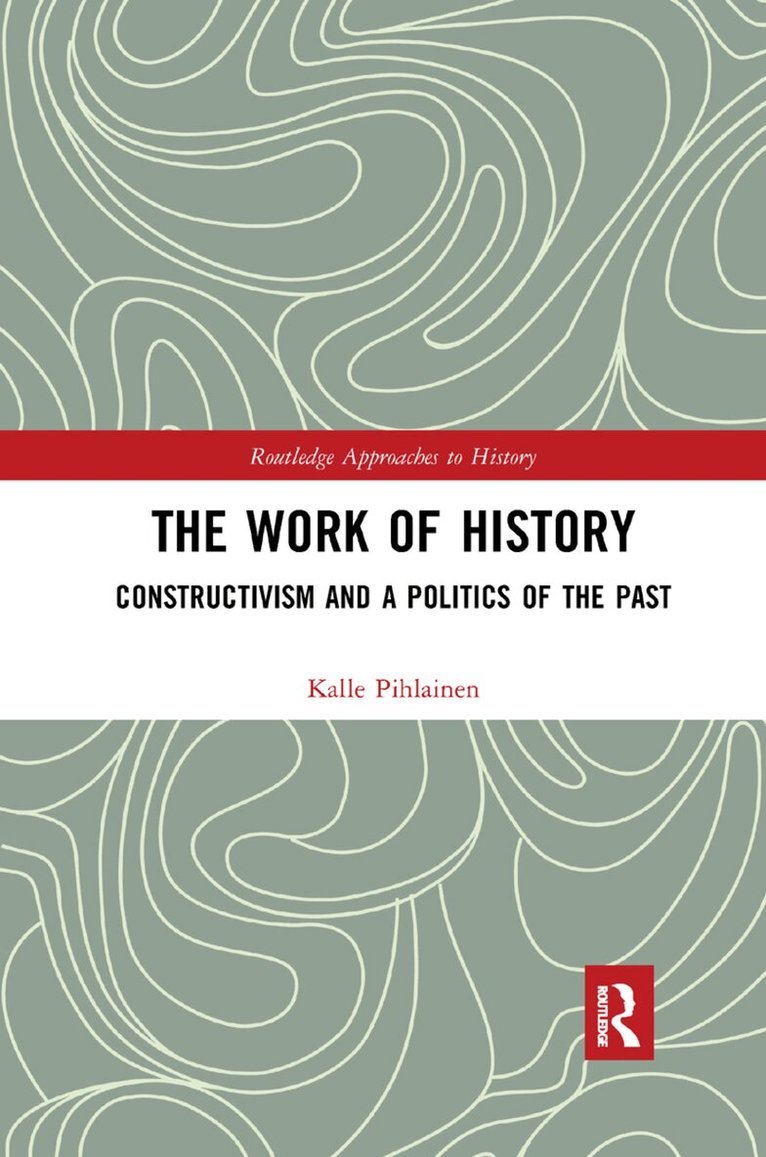
Parahistory and the Popular Past challenges the tired debate over historical fact versus fiction by focusing on what really matters: how different forms of representation create meaning and establish responsibility. Moving beyond traditional disciplinary boundaries, this book diagnoses a fundamental tension between history’s objectives and the generic forms available to achieve them. It develops a pragmatic, present-minded historical consciousness that foregrounds ethical responsibility while engaging with contemporary communicative realities.Through detailed investigations of narrative conventions, genre and historical experience, the book distinguishes between the historical and practical past. Theoretical insights are deepened through sustained analyses of works like Josef Škvorecký’s The Engineer of Human Souls, Quentin Tarantino’s Django Unchained, David Lynch’s Mulholland Drive and George Saunders’ Lincoln in the Bardo. With these analyses, the book develops reading practices to deal with the autonomy of artistic works, demonstrating how they construct complex meanings and reshape audience responsibility. By reconceptualizing the field in terms of a broad history culture, it positions professional history and parahistory as related meaning-making practices, shifting focus from boundary-policing toward the ethical implications of representation for contemporary readers and publics.This book is essential reading for historians, literary scholars and anyone interested in how we make sense of the past.
1 395 kr
Skickas inom 10-15 vardagar
Questions about the relationship between historical research and contemporary social and practical problems have posed a challenge to generations of historians, as well as to philosophers and theorists of history. In recent years, views regarding the isolation of academic history from real-world issues and affairs have come under increasing criticism. The contributions to this volume all focus on history’s role in the world today and on the possibilities for, and limits to, engagement resulting from disciplinary practices and conventions. The authors undertake their assessment of history’s relevance in different ways, combining case studies of political clashes, public debates, and practices of commemoration with sophisticated theoretical discussions of identity construction, the material manifestations of power, and the relationship between historicizing and expectations concerning future actions. These studies highlight the difficulty of distinguishing between history and politics, and between disciplinary accounts and activism, and contribute significantly towards an improved understanding of our relationship with the past. This book was originally published as a special issue of Rethinking History.
2 228 kr
Skickas inom 10-15 vardagar
Faced with the challenge of new ideological emphases and subjects of study, academic history has undergone significant changes in its contents in the past half-century. Simultaneously, pressures to change have been directed at its form, particularly in the shape of calls for more socially engaged and up-to-date modes of presentation. The demand for ‘history’ in this more existential sense is equally evidenced by the rise of practical and popular uses of the past outside academic history writing. Reflecting on these shifts in the broader history culture, this collection explores the entanglements and opportunities of history and historians today, moving between questions of social and institutional self-justification, desires relating to identity and self-understanding as well as the consumption and entertainment needs of audiences. The authors find inspiration in varied traditions and media ranging from ancient philosophy and classic history writing to reality TV and Twitter. In doing so, they also present exciting futures for where history may yet go. This book was originally published as a special issue of Rethinking History.
2 159 kr
Skickas inom 10-15 vardagar
Since the appearance of Hayden White’s seminal work Metahistory in 1973, constructivist thought has been a key force within theory of history and has at times even provided inspiration for historians more generally. Despite the radical theoretical shift marked by constructivism and elaborated in detail by its proponents, confusion regarding many of its practical and ethical consequences persists, however, and its position on truth and meaning is routinely misconstrued. To remedy this situation, The Work of History seeks to mediate between constructivist theory and history practitioners’ intuitions about the nature of their work, especially as these relate to the so-called fact–fiction debate and to the literary challenges involved in the production of historical accounts. In doing so, the book also offers much-needed insight into debates about our experiential relations with the past, the political use of history and the role of facts in the contestation of power.