Karamjit S. Gill – författare
Visar alla böcker från författaren Karamjit S. Gill. Handla med fri frakt och snabb leverans.
4 produkter
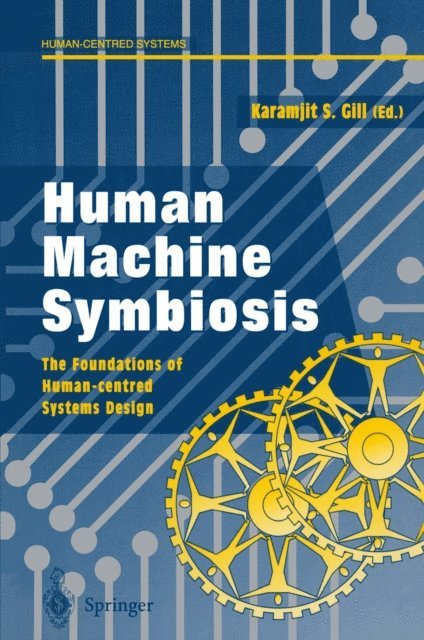
Human Machine Symbiosis
The Foundations of Human-centred Systems Design
E-bok, 2012
1459 kr
Lägg i varukorg
There is now a serious discussion taking place about the moment at which human beings will be surpassed and replaced by the machine. On the one hand we are designing machines which embed more and more human intelligence, but at the same time we are in danger of becoming more and more like machines. …
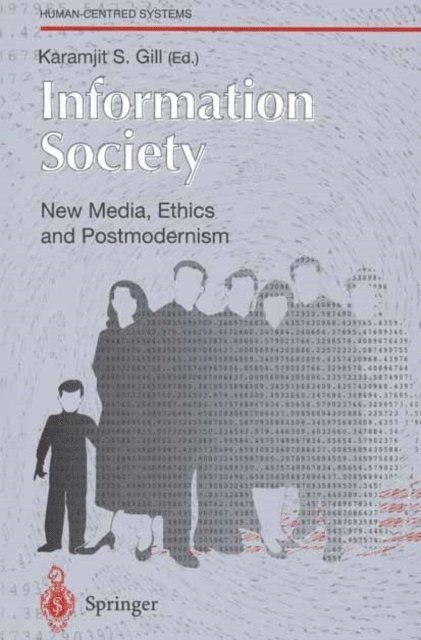
Information Society
New Media, Ethics and Postmodernism
E-bok, 2012
1502 kr
Lägg i varukorg
Human-centredness: A Challenge to Post-industrial Europe? The key power in industrial society has been linked to the possession of capital and factory. In the "information society" it could be rather different. If one accepts that that the key power in the information society will be linked not so …
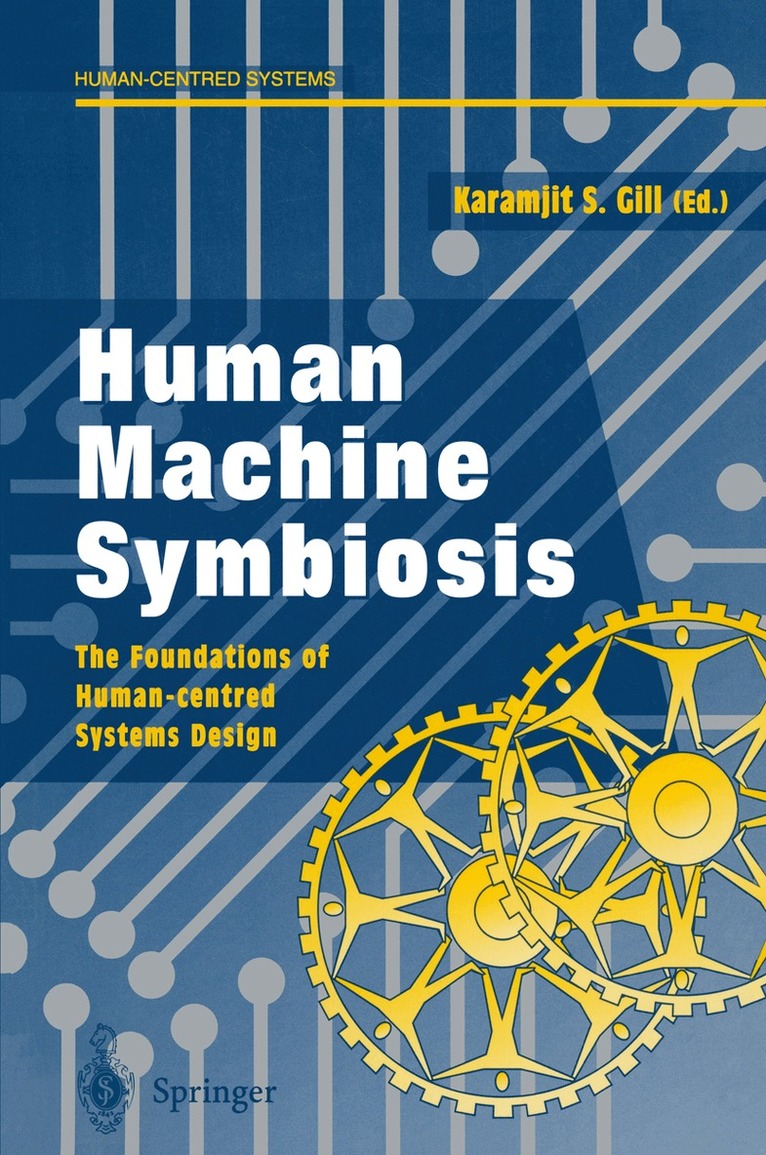
Human Machine Symbiosis
The Foundations of Human-centred Systems Design
Häftad, 1996
1098 kr
Lägg i varukorg
There is now a serious discussion taking place about the moment at which human beings will be surpassed and replaced by the machine. On the one hand we are designing machines which embed more and more human intelligence, but at the same time we are in danger of becoming more and more like machines. …
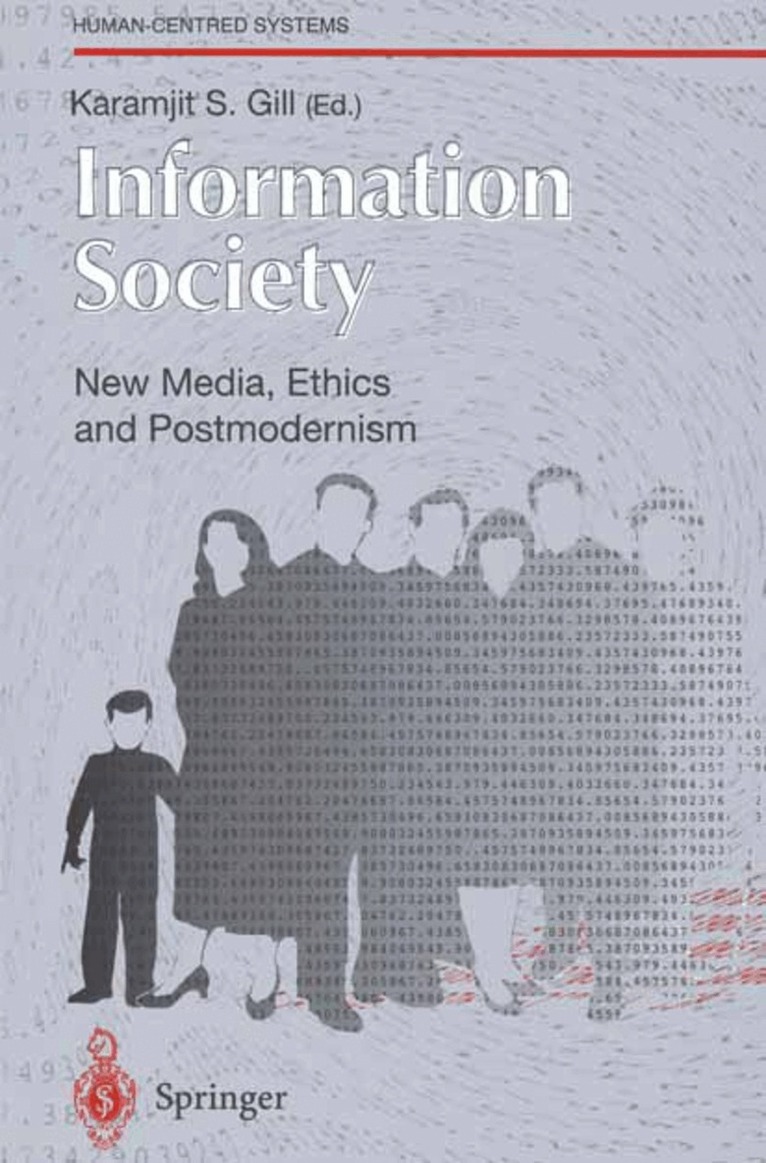
Information Society
New Media, Ethics and Postmodernism
Häftad, 1996
1098 kr
Lägg i varukorg
Human-centredness: A Challenge to Post-industrial Europe? The key power in industrial society has been linked to the possession of capital and factory. In the "information society" it could be rather different. If one accepts that that the key power in the information society will be linked not so …