Karel Šima – författare
Visar alla böcker från författaren Karel Šima. Handla med fri frakt och snabb leverans.
5 produkter
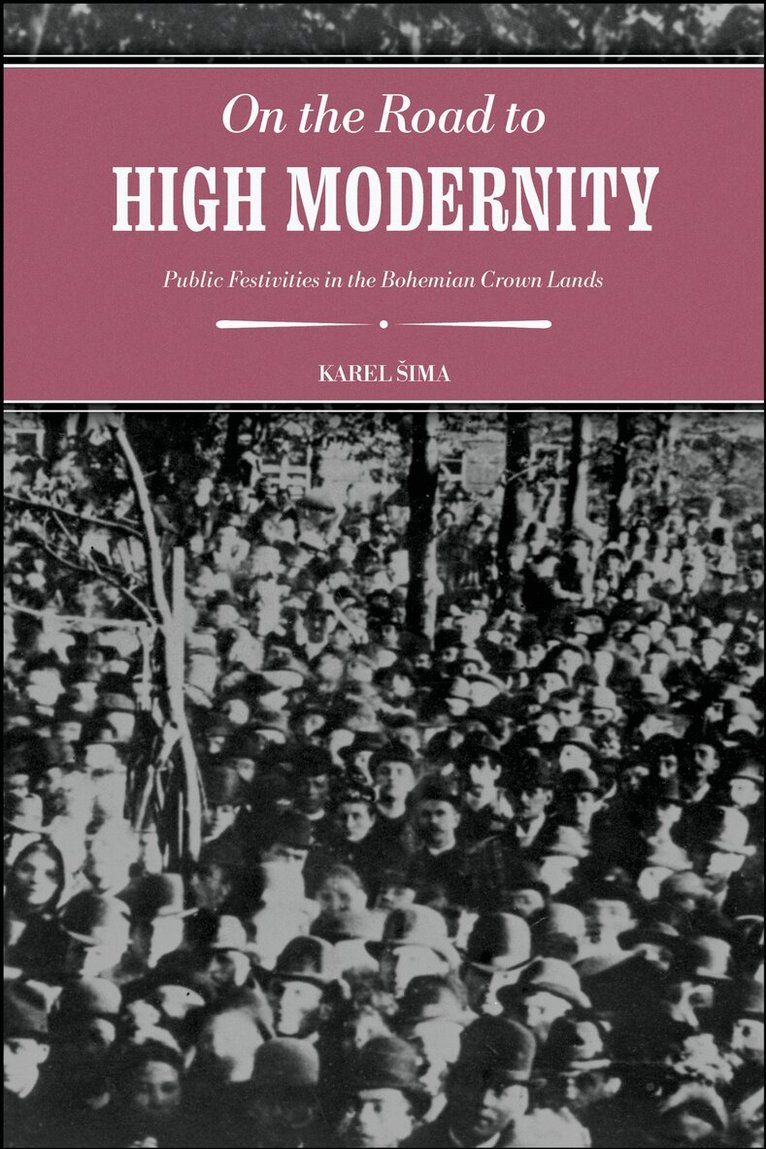
On the Road to High Modernity
Public Festivities in the Bohemian Crown Lands
Av Karel Šima
Inbunden, 2026
1406 kr
Lägg i varukorg
Why, where, when, and how should individuals engage in festivities? On the Road to High Modernity traces the modernization of public festivities during the nineteenth century, focusing on the Bohemian Crown Lands of the Habsburg Monarchy. Characterized by its rapid and successful modernization in …
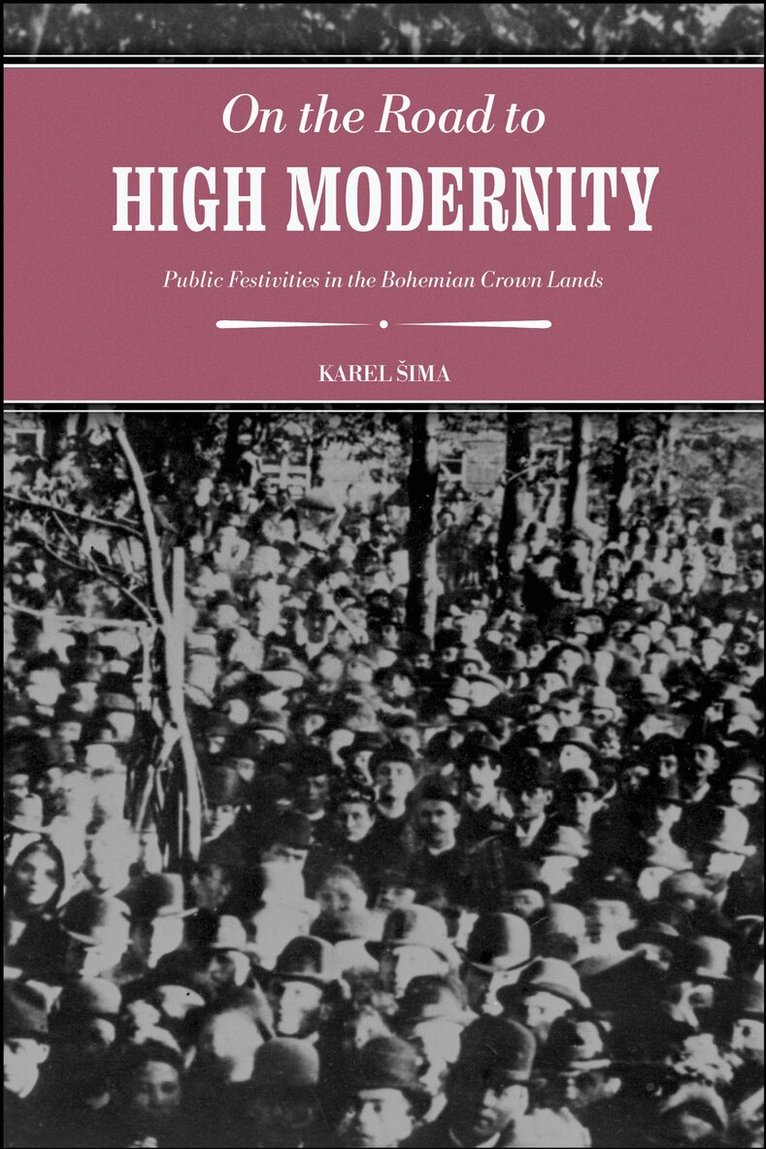
On the Road to High Modernity
Public Festivities in the Bohemian Crown Lands
Av Karel Šima
Häftad, 2026
619 kr
Lägg i varukorg
Why, where, when, and how should individuals engage in festivities? On the Road to High Modernity traces the modernization of public festivities during the nineteenth century, focusing on the Bohemian Crown Lands of the Habsburg Monarchy. Characterized by its rapid and successful modernization in …
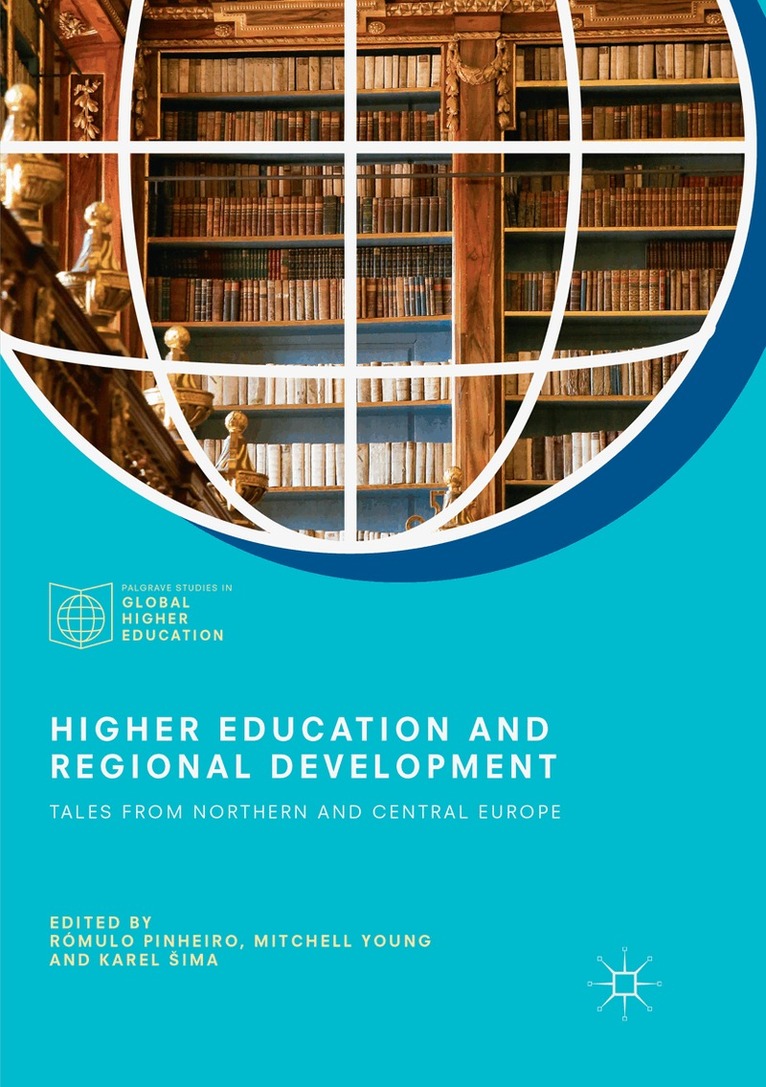
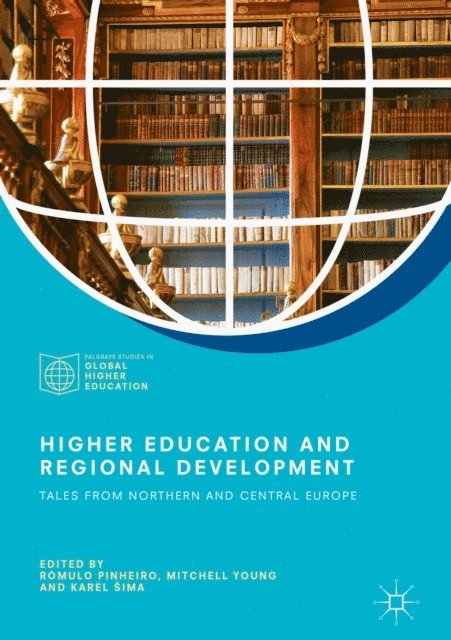
Higher Education and Regional Development
Tales from Northern and Central Europe
Av Rómulo Pinheiro, Mitchell Young m. fl.
Häftad, 2018
1274 kr
Lägg i varukorg
This book analyses the role of universities as critical actors in the socio-economic development of peripheral regions in Norway and the Czech Republic. Examining the ambiguities of the traditional mission of a university in comparison to contemporary demands, the editors and contributors move past …
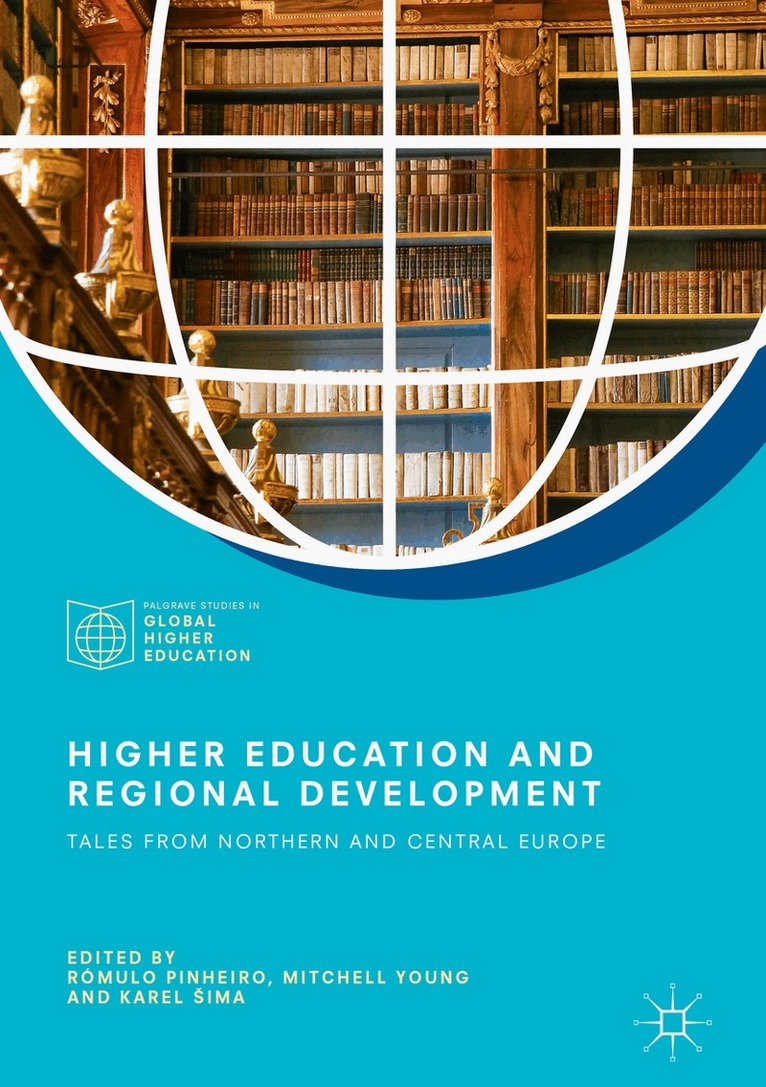
Higher Education and Regional Development
Tales from Northern and Central Europe
Av Rómulo Pinheiro, Mitchell Young m. fl.
Inbunden, 2018
1274 kr
Lägg i varukorg
This book analyses the role of universities as critical actors in the socio-economic development of peripheral regions in Norway and the Czech Republic. Examining the ambiguities of the traditional mission of a university in comparison to contemporary demands, the editors and contributors move past …
Higher Education and Regional Development
Tales from Northern and Central Europe
Av Karel Sima, Mitchell Young m. fl.
E-bok, 2018
1679 kr
Lägg i varukorg
This book analyses the role of universities as critical actors in the socio-economic development of peripheral regions in Norway and the Czech Republic. Examining the ambiguities of the traditional mission of a university in comparison to contemporary demands, the editors and contributors move past …