Karen D. Wood – författare
946 kr
Läs direkt efter köp
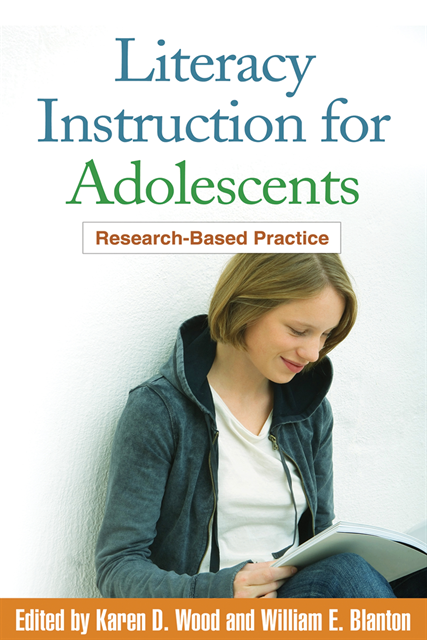
Thorough and accessible, this professional resource and text shows how the latest research in adolescent literacy can be translated into effective practice in middle and high school classrooms. Leading authorities discuss findings on the adolescent learner, addressing such essential topics as comprehension, content-area literacy, differentiated instruction, gender differences in literacy learning, and English language learners. With a focus on evidence-based methods, coverage ranges from techniques for building digital literacy and comprehension skills to strategies for flexible grouping and writing instruction. Ideal for courses in adolescent literacy, each chapter includes guiding questions, discussion questions, and classroom examples.
550 kr
Skickas inom 3-6 vardagar
“How many times have you heard ‘a picture is worth a thousand words.’ . . . In this text, Lapp, Wolsey, Wood, and Johnson make a vital connection between reading words and the role of graphics. They demonstrate how teachers and students can blend the two such that great learning occurs in every classroom, every day.”
—DOUGLAS FISHER Coauthor of Rigorous Reading
Imagine you are a fourth grader, reading about our solar system for the first time. Or you’re a high school student, asked to compare survival in Suzanne Collin’s The Hunger Games and Elie Wiesel’s Night. Reading complex texts of any kind is arduous, and now more than ever, students are being asked to do highly advanced thinking, talking, and writing around their reading. If only there were ingenious new power tools that could give students the space to tease apart complex ideas in order to comprehend and to weld their understandings into a new whole.
Good news: such tools exist. In the two volumes, Mining Complex Texts, Grades 2-5 and 6-12, a formidable author team shares fresh ways to use the best digital and print graphic organizers in whole-class, small-group, and independent learning. Big believers of the gradual release method, the authors roll out dozens of examples of dynamic lessons and collaborative work across the content areas so that we see the process of using these visual tools to:
Help students read, reread, and take notes on a text Promote students’ oral sharing of information and their ideas Elevate organized note-making from complex text(s) Scaffold students’ narrative and informational writing Move students to independent thinking as they learn to create their own organizing and note-taking systemsGone are the days of fill-‘em-in and forget-‘em graphic organizers. With these two volumes, teachers and professional development leaders have a unified vision of how to use these tools to meet the demands of an information-saturated world, one in which students need to be able to sift, sort, synthesize, and apply knowledge with alacrity and skill.
Smuggling Writing
Strategies That Get Students to Write Every Day, in Every Content Area, Grades 3-12
391 kr
Skickas inom 11-20 vardagar
Is it possible to sneak more writing into your already-jammed curriculum? Yes! With this cache of classroom-tested ideas, you have all you need to make writing-to-learn a daily habit for students that deepens their content understanding and creates learners ready to take on all of the world’s information. Smuggling Writing shows how to integrate writing seamlessly into your lesson plans with 32 written response activities that help students process information and ideas in short, powerful sessions. The authors invigorate time-tested tools like GIST, Herringbone, and Anticipation Guides, and organize them into sections on Vocabulary and Concept Development, Comprehension, Discussion, and Research & Inquiry so you can select and use them to maximum effect. Here are the success-ensuring how-to’s that accompany each strategy:
A step-by-step process ensures students use the strategy before, during, and after reading/learning so they “own” the strategy and can track their thinking Engaging digital applications, including Story Impression with Bubbl.us, Reading Road Map with Prezi, Possible Solutions with Padlet, CLVG with Brain Pop Sample lessons showing both traditional and online formats, taking the guess work out of trying these new digital tools Ideas for “smuggling” additional writing opportunities into or after the lessons, ensuring that students’ writing skills improve Connections to Common Core State StandardsWith all the heady talk of what it’s going to take for students to read, write, and analyze across multiple sources, it’s nice to know that there is a book that shows how big gains will come from “writing small” day by day.
946 kr
Läs direkt efter köp
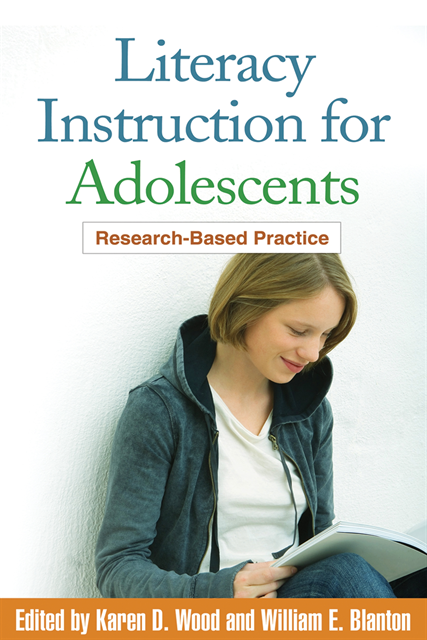
Thorough and accessible, this professional resource and text shows how the latest research in adolescent literacy can be translated into effective practice in middle and high school classrooms. Leading authorities discuss findings on the adolescent learner, addressing such essential topics as comprehension, content-area literacy, differentiated instruction, gender differences in literacy learning, and English language learners. With a focus on evidence-based methods, coverage ranges from techniques for building digital literacy and comprehension skills to strategies for flexible grouping and writing instruction. Ideal for courses in adolescent literacy, each chapter includes guiding questions, discussion questions, and classroom examples.
200 kr
Skickas inom 5-8 vardagar
344 kr
Tillfälligt slut
“How many times have you heard ‘a picture is worth a thousand words.’ . . . In this text, Lapp, Wolsey, Wood, and Johnson make a vital connection between reading words and the role of graphics. They demonstrate how teachers and students can blend the two such that great learning occurs in every classroom, every day.”
—DOUGLAS FISHER Coauthor of Rigorous Reading
Imagine you are a fourth grader, reading about our solar system for the first time. Or you’re a high school student, asked to compare survival in Suzanne Collin’s The Hunger Games and Elie Wiesel’s Night. Reading complex texts of any kind is arduous, and now more than ever, students are being asked to do highly advanced thinking, talking, and writing around their reading. If only there were ingenious new power tools that could give students the space to tease apart complex ideas in order to comprehend and to weld their understandings into a new whole.
Good news: such tools exist. In the two volumes, Mining Complex Texts, Grades 2-5 and 6-12, a formidable author team shares fresh ways to use the best digital and print graphic organizers in whole-class, small-group, and independent learning. Big believers of the gradual release method, the authors roll out dozens of examples of dynamic lessons and collaborative work across the content areas so that we see the process of using these visual tools to:
Help students read, reread, and take notes on a text Promote students’ oral sharing of information and their ideas Elevate organized note-making from complex text(s) Scaffold students’ narrative and informational writing Move students to independent thinking as they learn to create their own organizing and note-taking systemsGone are the days of fill-‘em-in and forget-‘em graphic organizers. With these two volumes, teachers and professional development leaders have a unified vision of how to use these tools to meet the demands of an information-saturated world, one in which students need to be able to sift, sort, synthesize, and apply knowledge with alacrity and skill.
514 kr
Tillfälligt slut