Karen Ramey Burns - Böcker
Visar alla böcker från författaren Karen Ramey Burns. Handla med fri frakt och snabb leverans.
6 produkter
6 produkter
1 325 kr
Skickas inom 10-15 vardagar
370 kr
Tillfälligt slut
Can modern science tell us what happened to Amelia Earhart? The International Group for Historic Aircraft Recovery (TIGHAR) has spent fifteen years searching for the famous lost pilot using everything from archival research and archaeological survey to side-scan sonar and the analysis of radio wave propagation. In this spellbinding book, four of TIGHAR's scholars offer tantalizing evidence that the First Lady of the Air and her navigator Fred Noonan landed on an uninhabited tropical island but perished before they could be rescued. Do they have Amelia's shoe? Parts of her airplane? Are her bones tucked away in a hospital in Fiji? Come join their fascinating expedition and examine the evidence for yourself! The new paperback edition brings the search up to the present, including tantalizing evidence of campfires and charred bones found on remote Nikumaroro. Visit the Authors' Web page for more information.
263 kr
Skickas inom 10-15 vardagar
In this spellbinding book, these scholars offer tantalizing evidence that the First Lady of the Air and her copilot Fred Noonan landed on a deserted tropical island but perished before they could be rescued.
2 258 kr
Kommande
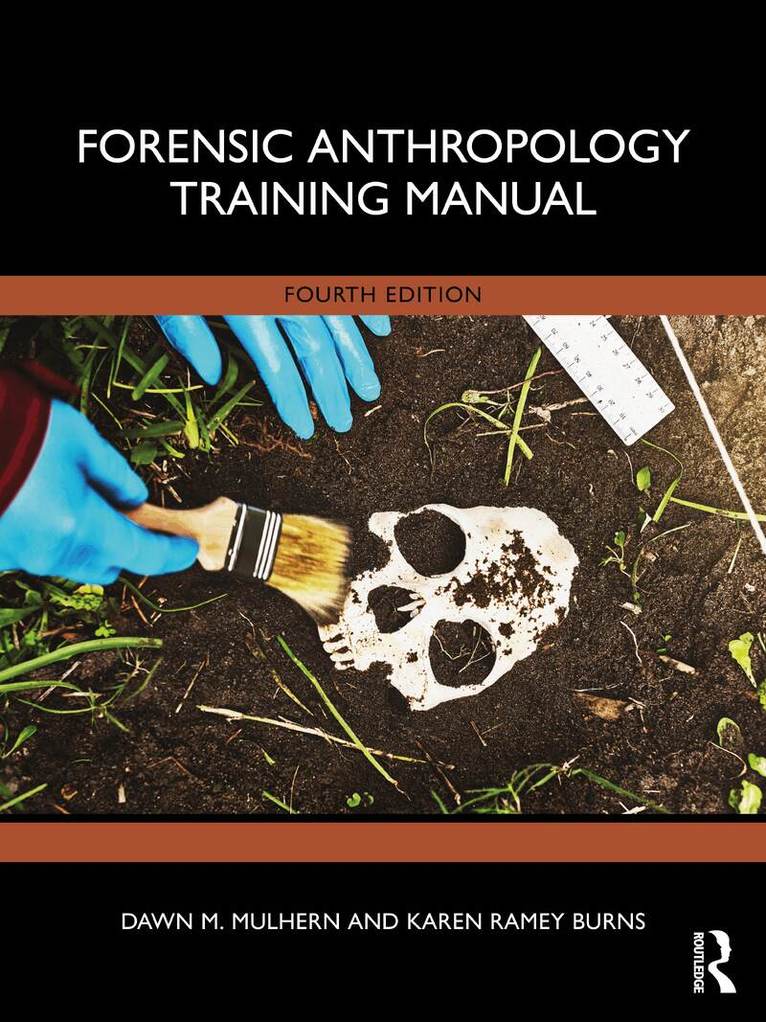
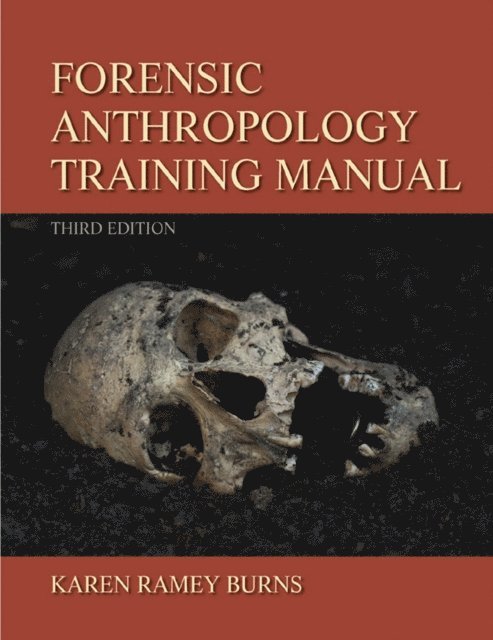
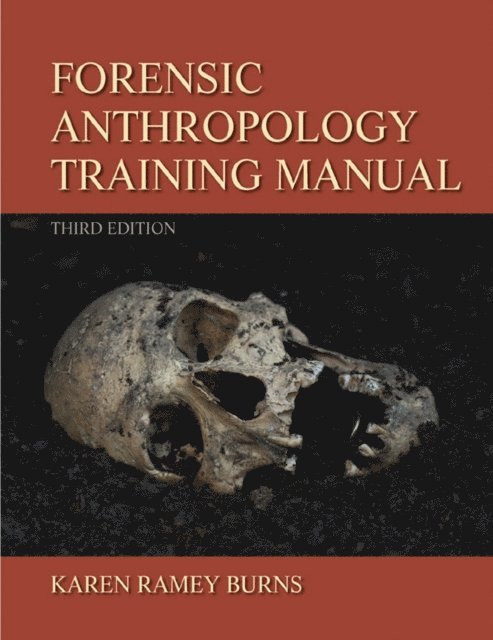
Forensic Anthropology Training Manual, fourth edition serves as a practical reference tool and a framework for training in forensic anthropology. It introduces readers to the field of forensic anthropology, including methods for identifying, recovering, and analyzing human bone in medicolegal contexts. An introductory chapter situates forensic anthropology within the forensic sciences and its historical framework. Much of the first half of the volume covers bone biology, growth and development of the human skeleton, and skeletal and dental anatomy. The second half of the volume focuses on practical skills and methodological approaches for human bone identification, field recovery, taphonomy, estimation of the postmortem interval, laboratory preparation and analysis, and professional results. The final chapter describes the work of forensic anthropologists in large-scale applications such as mass disasters and human rights contexts.Upon completing this book, readers will be able to:Understand the role of forensic anthropology within the broader forensic sciences. Develop a strong foundation in human skeletal anatomy, including bone biology and growth and development of the human skeleton.Explain how skeletal and dental anatomy contribute to the physical description and personal identification of human remains.Identify anatomical differences between human and nonhuman bone.Understand the basics of field recovery techniques, including surface survey and excavation.Explain how taphonomic analysis is used to estimate the postmortem interval and evaluate postmortem contexts.Apply skeletal techniques to reconstruct the biological profile and identify the effects of disease and trauma on bone. Understand the requirements for report writing and expert witness testimony in a court of law.
617 kr
Kommande
Forensic Anthropology Training Manual, fourth edition serves as a practical reference tool and a framework for training in forensic anthropology. It introduces readers to the field of forensic anthropology, including methods for identifying, recovering, and analyzing human bone in medicolegal contexts. An introductory chapter situates forensic anthropology within the forensic sciences and its historical framework. Much of the first half of the volume covers bone biology, growth and development of the human skeleton, and skeletal and dental anatomy. The second half of the volume focuses on practical skills and methodological approaches for human bone identification, field recovery, taphonomy, estimation of the postmortem interval, laboratory preparation and analysis, and professional results. The final chapter describes the work of forensic anthropologists in large-scale applications such as mass disasters and human rights contexts.Upon completing this book, readers will be able to:Understand the role of forensic anthropology within the broader forensic sciences. Develop a strong foundation in human skeletal anatomy, including bone biology and growth and development of the human skeleton.Explain how skeletal and dental anatomy contribute to the physical description and personal identification of human remains.Identify anatomical differences between human and nonhuman bone.Understand the basics of field recovery techniques, including surface survey and excavation.Explain how taphonomic analysis is used to estimate the postmortem interval and evaluate postmortem contexts.Apply skeletal techniques to reconstruct the biological profile and identify the effects of disease and trauma on bone. Understand the requirements for report writing and expert witness testimony in a court of law.
2 724 kr
Skickas inom 10-15 vardagar
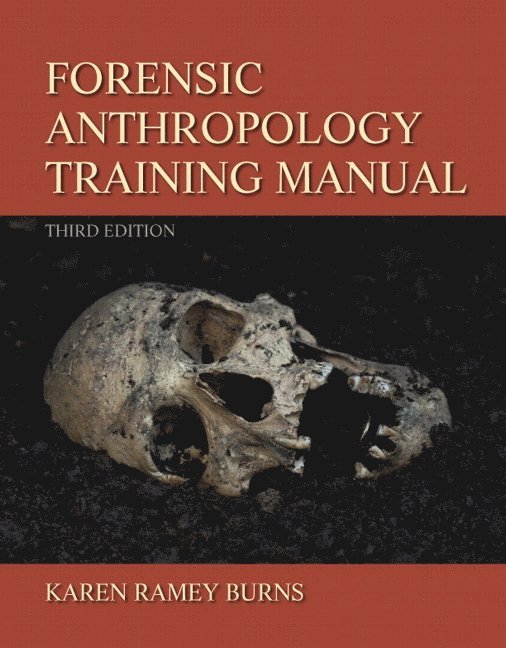
Provides basic information on successfully collecting, processing, analyzing, and describing skeletal human remains. Forensic Anthropology Training Manual serves as a practical reference tool and a framework for training in forensic anthropology. The first chapter informs judges, attorneys, law enforcement personnel, and international workers of the information and services available from a professional forensic anthropologist. The first section (Chapters 2-11) is a training guide to assist in the study of human skeletal anatomy. The second section (Chapters 12-17) focuses on the specific work of the forensic anthropologist, beginning with an introduction to the forensic sciences. Learning GoalsUpon completing this book readers will be able to: Have a strong foundation in human skeletal anatomy Explain how this knowledge contributes to the physical description and personal identification of human remains Understand the basics of excavating a grave, preparing a forensic report, and presenting expert witness testimony in a court of law Define forensic anthropology within the broader context of the forensic sciences Describe the work of today‘s forensic anthropologists