Karl Drlica – författare
Visar alla böcker från författaren Karl Drlica. Handla med fri frakt och snabb leverans.
10 produkter
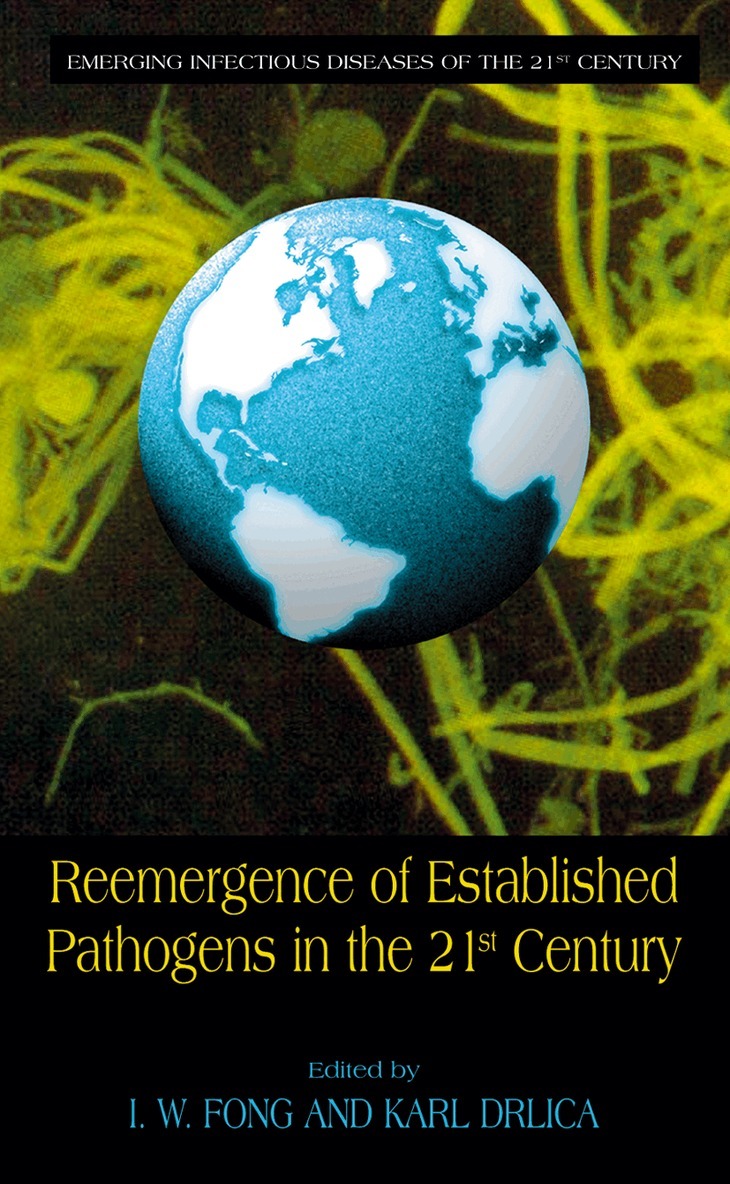
Reemergence of Established Pathogens in the 21st Century
Av I.W. Fong, Karl Drlica
Inbunden, 2003
1688 kr
Lägg i varukorg
This volume provides the specialist and trainee in microbiology, infectious disease, infection control, and epidemiology with a concise and authoritative review of some of the most problematic infections of the new century. This volume should foster a better understanding of the issues and new …
Reemergence of Established Pathogens in the 21st Century
Av Karl Drlica, I.W. Fong
E-bok, 2006
2174 kr
Lägg i varukorg
In the closing decade of the last century, we saw warnings that infectious diseases will require much more attention from patients and physicians in the 21 st century. Recently d- covered diseases such as AIDS pose a major threat to the population at large, and to that threat has been added the …
Antimicrobial Resistance and Implications for the 21st Century
Av I.W. Fong, Karl Drlica
Inbunden, 2007
1780 kr
Lägg i varukorg
This comprehensive, up-to-date volume defines the issues and offers potential solutions to the challenges of antimicrobial resistance. The chapter authors are leading international experts on antimicrobial resistance among a variety of bacteria, viruses including HIV and herpes, parasites and …
Antimicrobial Resistance and Implications for the 21st Century
Av Karl Drlica, I.W. Fong
E-bok, 2007
2174 kr
Lägg i varukorg
Antimicrobial resistance can develop in any type of microbe (germ). Microbes can develop resistance to specific medicines. A common misconception is that a person’s body becomes resistant to specific drugs. However, it is microbes, not people that become resistant to the drugs. Drug resistance …
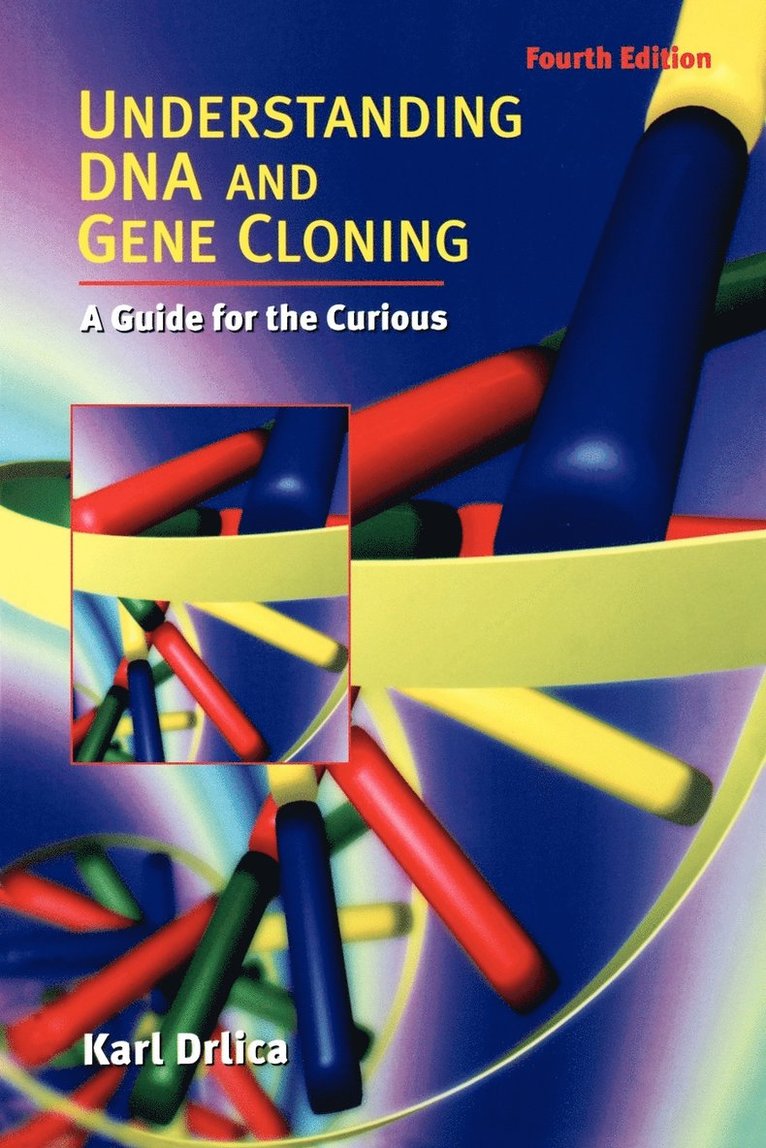
Understanding DNA and Gene Cloning
A Guide for the Curious
Av Karl Drlica
Häftad, 2003
1488 kr
Lägg i varukorg
Do you realize how much impact DNA technology has on your life today? Registering your child's DNA with the police, bold new medical cures, the perfect tomato, gene cloning and DNA manipulation are no longer remote events that will have impact in your life - they are today's headlines! In this …
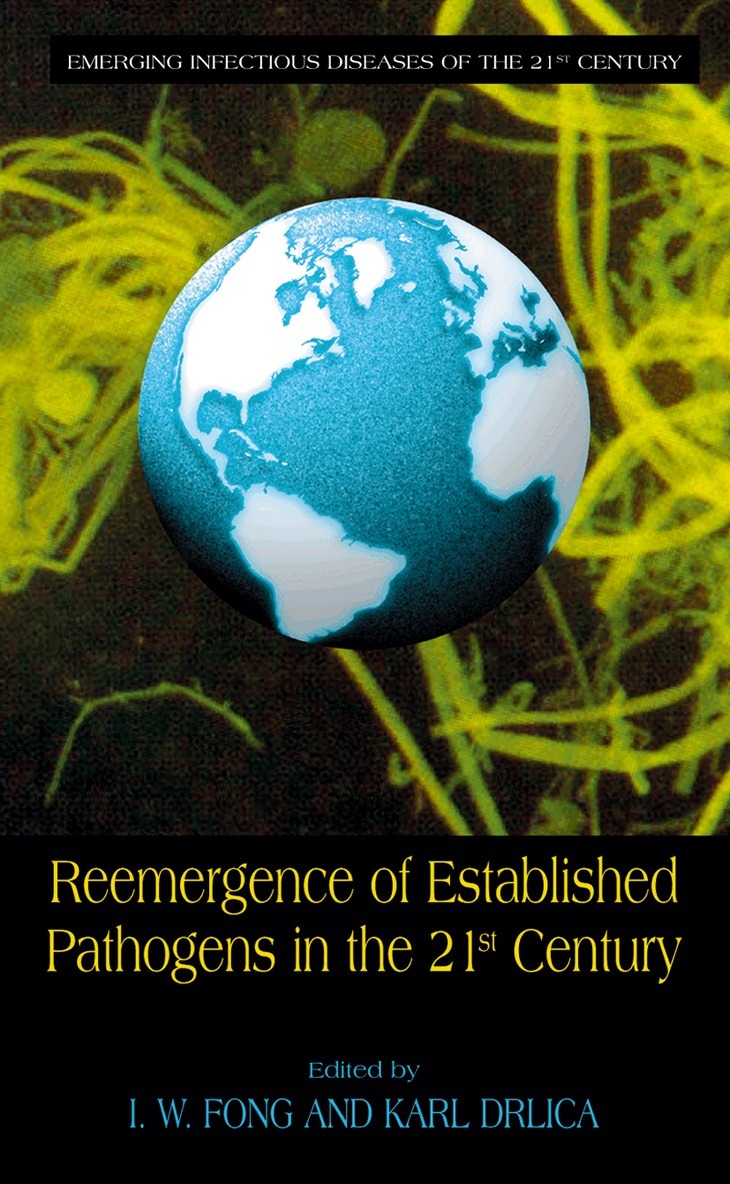
Reemergence of Established Pathogens in the 21st Century
Av I.W. Fong, Karl Drlica
Häftad, 2013
1688 kr
Lägg i varukorg
In the closing decade of the last century, we saw warnings that infectious diseases will require much more attention from patients and physicians in the 21 st century. Recently d- covered diseases such as AIDS pose a major threat to the population at large, and to that threat has been added the …
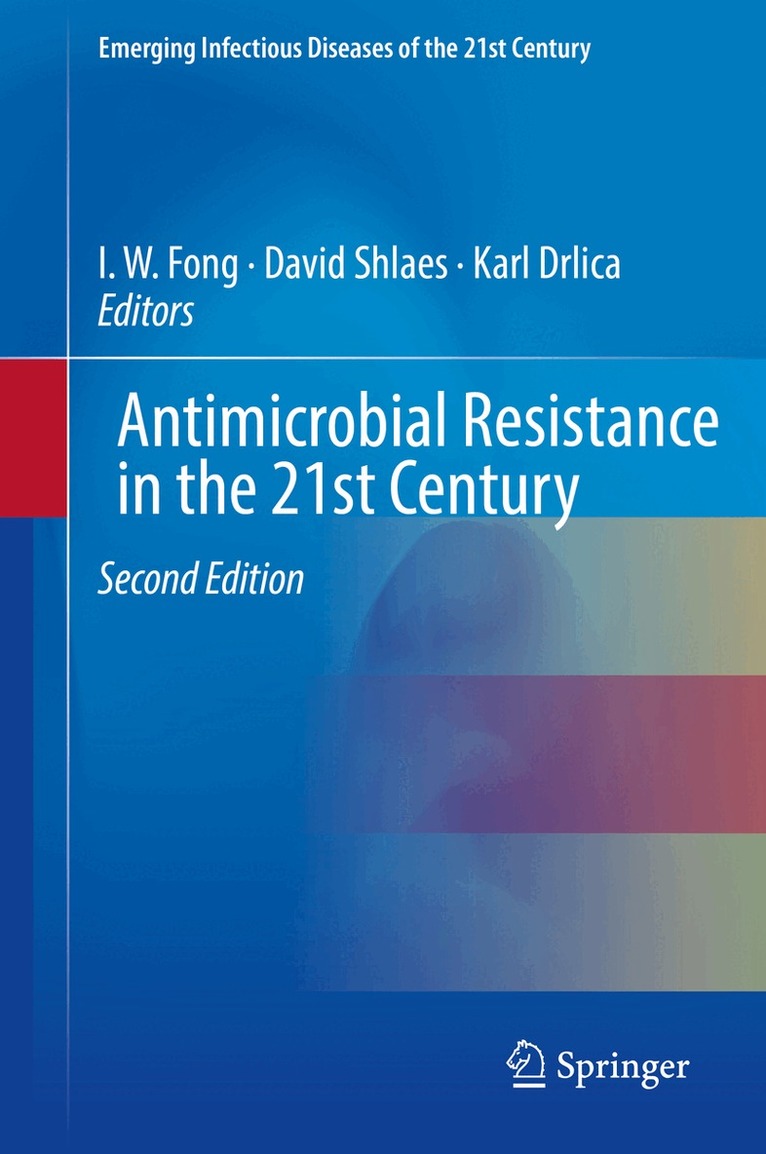
Antimicrobial Resistance in the 21st Century
Av I. W. Fong, David Shlaes m. fl.
Inbunden, 2018
2024 kr
Lägg i varukorg
Antimicrobial resistance is now a general problem. Many of us have elderly relatives who died from a drug-resistant infection, and some of us have suffered from a resistant urinary infection that likely came from intestinal bacteria following antibiotic consumption. Antimicrobial Resistance in the …
Antimicrobial Resistance in the 21st Century
Av Karl Drlica, David Shlaes m. fl.
E-bok, 2018
2619 kr
Lägg i varukorg
Antimicrobial resistance is now a general problem. Many of us have elderly relatives who died from a drug-resistant infection, and some of us have suffered from a resistant urinary infection that likely came from intestinal bacteria following antibiotic consumption. Antimicrobial Resistance in the …
Bitten by the Rowing Bug
Challenges of an Untamed River
Av Karl Drlica
Häftad, 2024
219 kr
Tillfälligt slut
Bitten by the Rowing Bug
Challenges of an Untamed River
Av Karl Drlica
Inbunden, 2024
373 kr
Tillfälligt slut