Karl Ittmann - Böcker
Visar alla böcker från författaren Karl Ittmann. Handla med fri frakt och snabb leverans.
5 produkter
5 produkter
1 389 kr
Skickas inom 5-8 vardagar
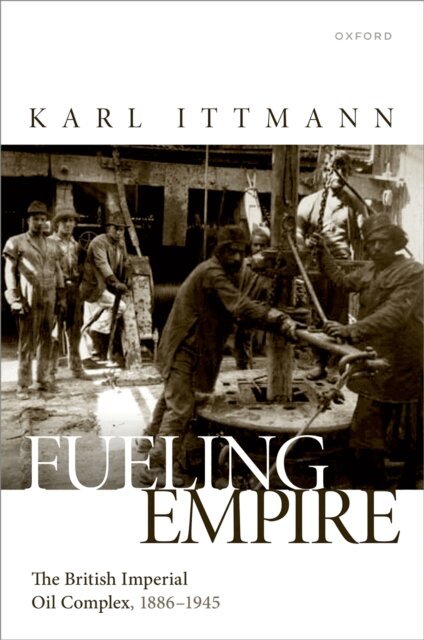
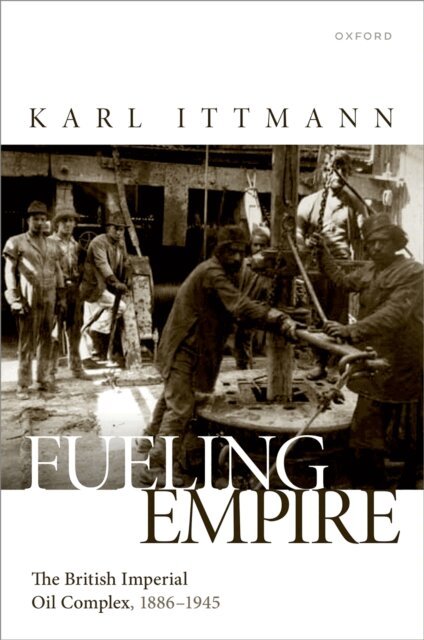
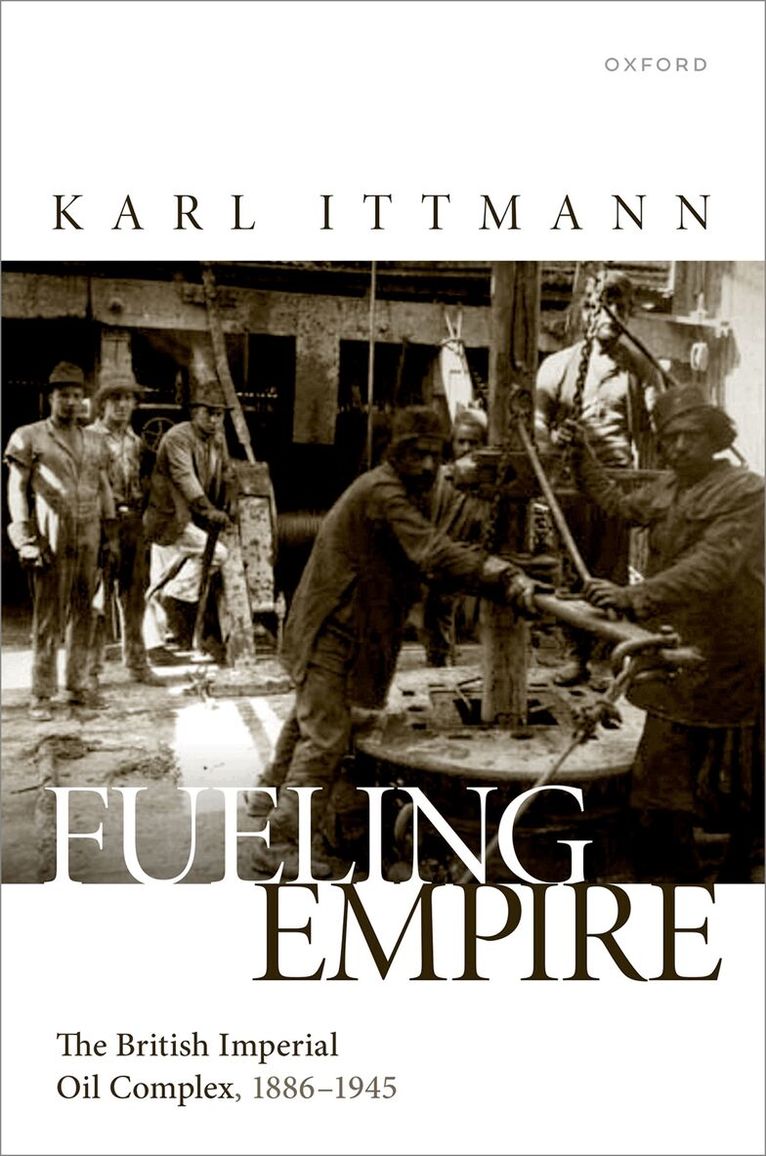
Beginning in the late nineteenth century, British companies used the resources of empire to create an imperial oil industry that controlled 20% of global oil reserves by 1939 and allowed for the movement of capital and labor between regions and companies. The imperial oil complex encompassed colonies-Burma and Trinidad -and dependent states-Iraq and Iraq. In both, the imperial state used its political and military power to support British oil interests. The oil complex drew on the resources of empire but also bolstered it with profits and tax revenues while a global set of oil sites supplied the British military and civilian consumers. British companies built an infrastructure of oil production that gave them quasi-state power in oil regions while connecting these areas to global and imperial networks of communication and transportation. Fueling Empire highlights the significance of Britain to the development of the global oil industry. It demonstrates the ways in which the global histories of oil and empire are inextricably interlinked. The imperial oil complex relied on a racially stratified hierarchy of labour where white supervisors managed indigenous and migrant workers. The harsh conditions of work and low pay fuelled labour conflicts that resonated with emerging colonial nationalist movements that sought to limit the power of oil companies. Despite robust private and state security operations, the imperial oil complex faced greater insecurity before World War II. While the imperial oil complex survived the war, in the postwar era decolonization and Britain's financial weakness led to its decline.
1 105 kr
Skickas inom 10-15 vardagar
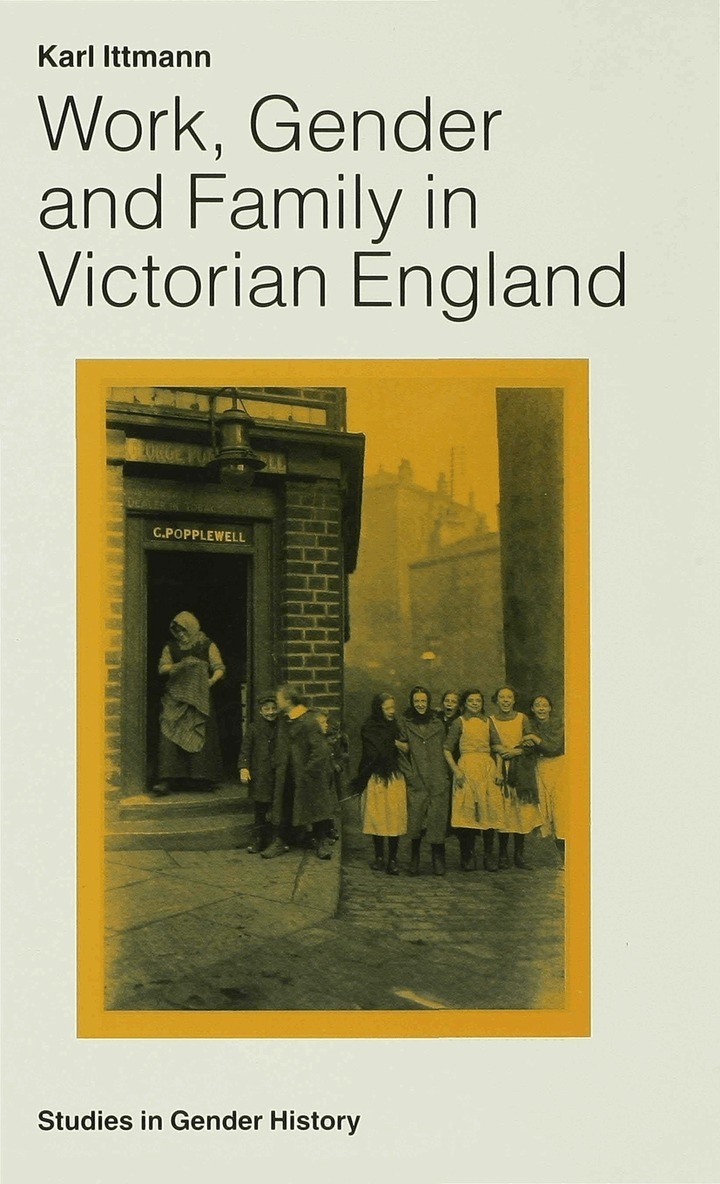
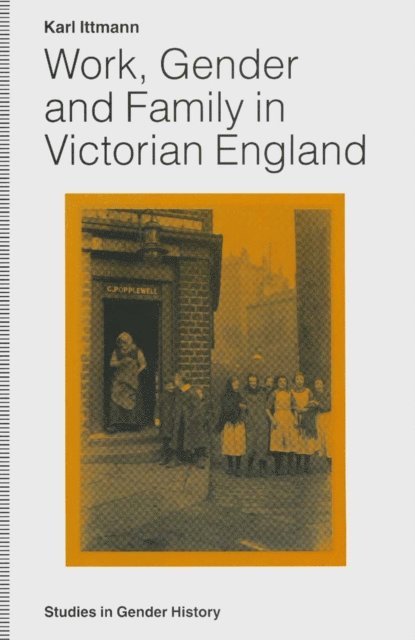
This study examines the impact of the Industrial Revolution upon the family and questions the extent to which ordinary working men and women shared the "Victorian values" of their middle-class countrymen. The book focuses on the industrial town of Bradford, West Yorkshire in the second half of the 19th century and traces how men and women and their families adapted to the new life brought by the rise of the mill and the city. The book combines social history and quantitive population analysis and is based on a database of 3000 individuals.
Del 7 - Berkeley Series in British Studies
Problem of Great Importance
Population, Race, and Power in the British Empire, 1918–1973
Häftad, Engelska, 2013
684 kr
Skickas inom 3-6 vardagar
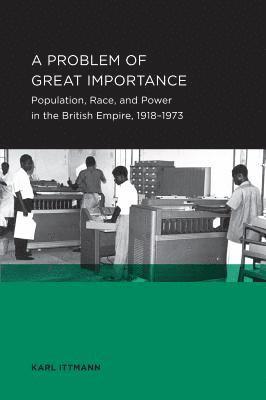
This volume examines the significant role population science played in British colonial policy in the twentieth century as the imperial state attempted to control colonial populations using new agricultural and public health policies, private family planning initiatives, and by imposing limits over migration and settlement. A Problem of Great Importance traces British imperial efforts to engage metropolitan activists who could improve its knowledge of colonial demography and design programs to influence colonial population trends. While imperial population control failed to achieve its goals, British institutions and experts would be central to the development of post-colonial population programs. Researchers, scholars, and historians of British history will gain greater perspective into the effects of demography on imperial governance and colonial and post-colonial British views of their place in the world.
837 kr
Skickas inom 10-15 vardagar
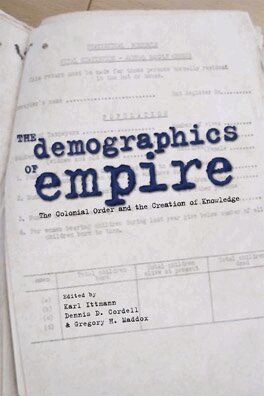
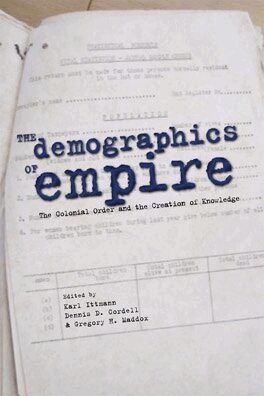
The Demographics of Empire is a collection of essays examining the multifaceted nature of the colonial science of demography in the last two centuries. The contributing scholars of Africa and the British and French empires focus on three questions: How have historians, demographers, and other social scientists understood colonial populations? What were the demographic realities of African societies and how did they affect colonial systems of power? Finally, how did demographic theories developed in Europe shape policies and administrative structures in the colonies? The essays approach the subject as either broad analyses of major demographic questions in Africa's history or focused case studies that demonstrate how particular historical circumstances in individual African societies contributed to differing levels of fertility, mortality, and migration. Together, the contributors to The Demographics of Empire question demographic orthodoxy, and in particular the assumption that African societies in the past exhibited a single demographic regime characterized by high fertility and high mortality.
381 kr
Skickas inom 10-15 vardagar
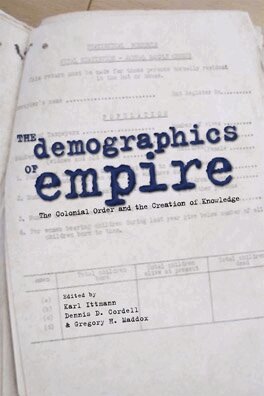
The Demographics of Empire is a collection of essays examining the multifaceted nature of the colonial science of demography in the last two centuries. The contributing scholars of Africa and the British and French empires focus on three questions: How have historians, demographers, and other social scientists understood colonial populations? What were the demographic realities of African societies and how did they affect colonial systems of power? Finally, how did demographic theories developed in Europe shape policies and administrative structures in the colonies? The essays approach the subject as either broad analyses of major demographic questions in Africa's history or focused case studies that demonstrate how particular historical circumstances in individual African societies contributed to differing levels of fertility, mortality, and migration. Together, the contributors to The Demographics of Empire question demographic orthodoxy, and in particular the assumption that African societies in the past exhibited a single demographic regime characterized by high fertility and high mortality.