Kate Huppatz - Böcker
Visar alla böcker från författaren Kate Huppatz. Handla med fri frakt och snabb leverans.
7 produkter
7 produkter
488 kr
Skickas inom 10-15 vardagar
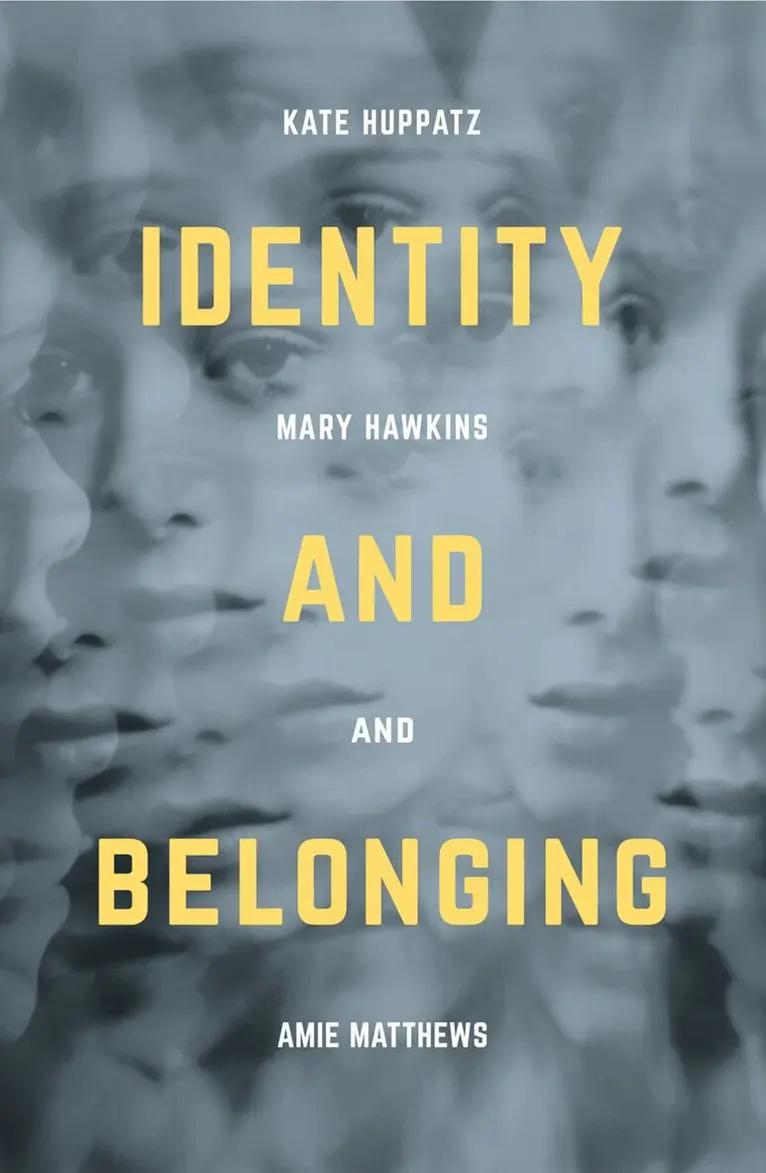
Identity and Belonging examines the interplay between self and society and in doing so explores the complex nature of 'who we are' and 'how we come to be' as individuals and as members of various social groups. Investigating issues of identity and belonging as they emerge in contemporary social life and under conditions of globalisation, the book focuses on continuity and change in the formation of identities and communities. Through a variety of examples and case studies, the chapters discuss how elements such as ethnicity, class, gender and sexuality intersect and are experienced both locally and transnationally. As a modern guide to some classic themes and key thinkers in the discipline of sociology, this accessible text can be used to introduce core topics of identity, social divisions and globalisation, as well as to investigate in detail more specific themes and issues such as migration, consumption and digital media. It is a useful and comprehensive resource for both undergraduate and postgraduate students of sociology and related disciplines.
1 703 kr
Skickas inom 10-15 vardagar
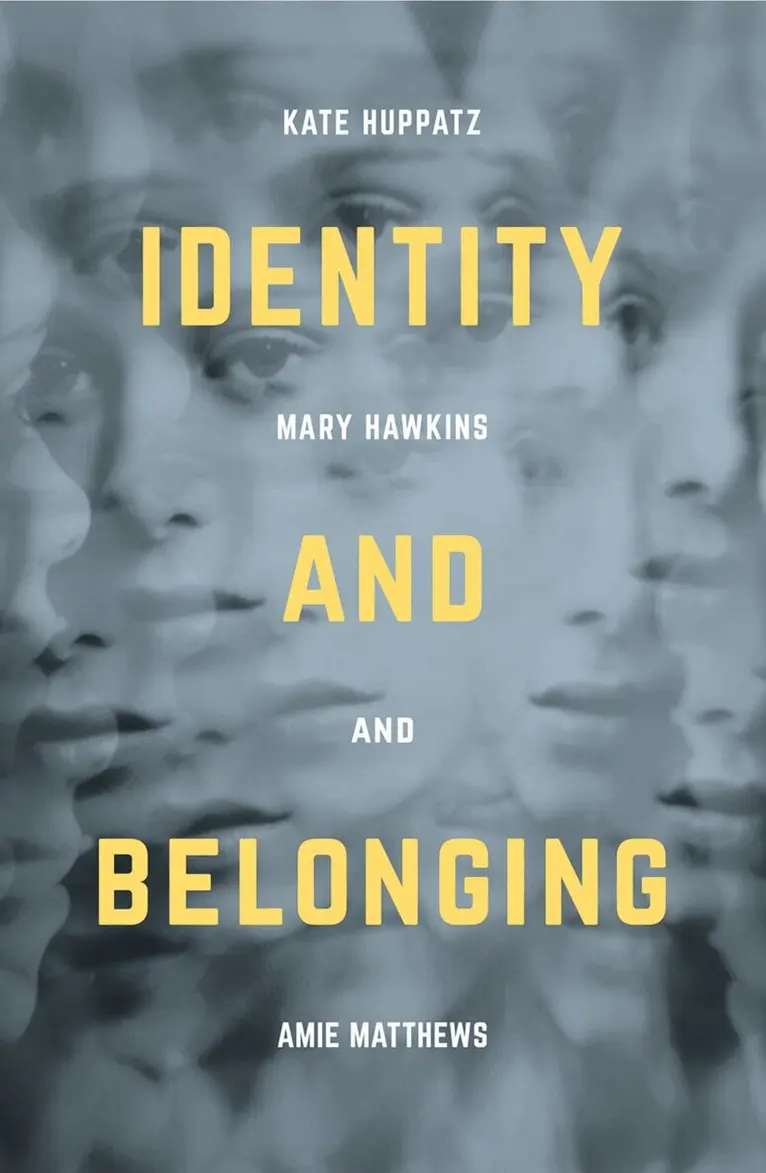
Identity and Belonging examines the interplay between self and society and in doing so explores the complex nature of 'who we are' and 'how we come to be' as individuals and as members of various social groups. Investigating issues of identity and belonging as they emerge in contemporary social life and under conditions of globalisation, the book focuses on continuity and change in the formation of identities and communities. Through a variety of examples and case studies, the chapters discuss how elements such as ethnicity, class, gender and sexuality intersect and are experienced both locally and transnationally. As a modern guide to some classic themes and key thinkers in the discipline of sociology, this accessible text can be used to introduce core topics of identity, social divisions and globalisation, as well as to investigate in detail more specific themes and issues such as migration, consumption and digital media. It is a useful and comprehensive resource for both undergraduate and postgraduate students of sociology and related disciplines.
434 kr
Skickas inom 10-15 vardagar
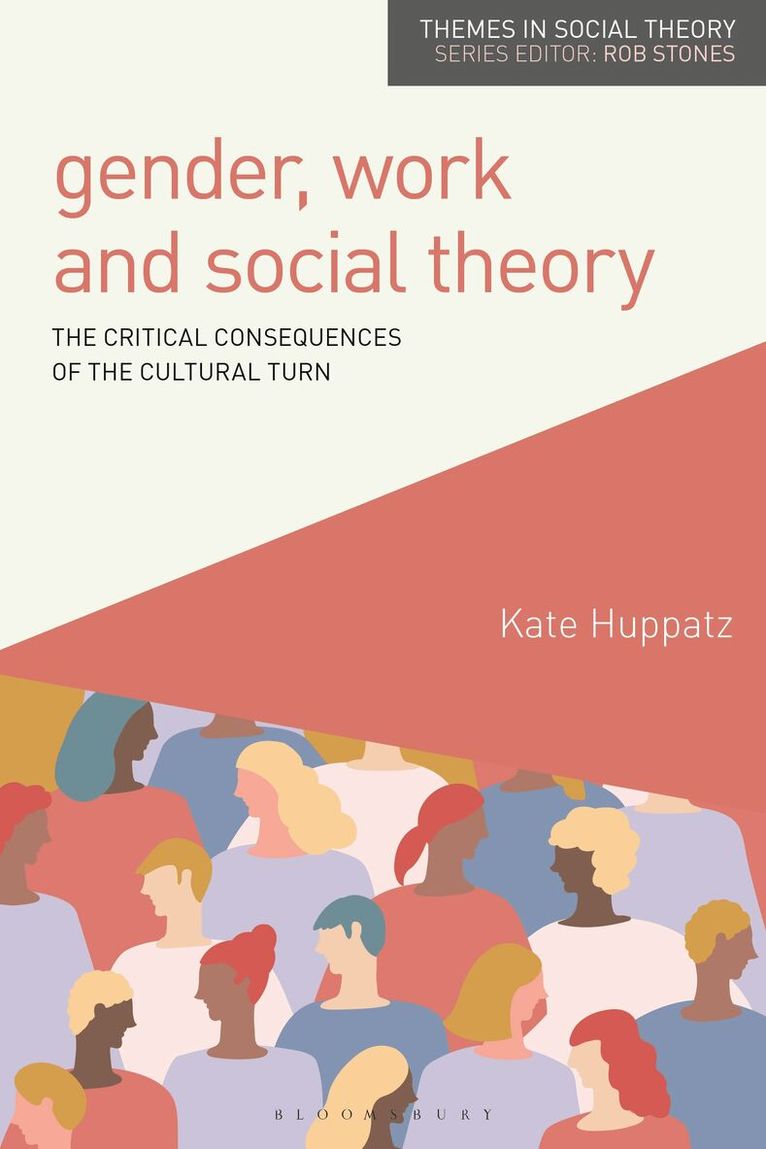
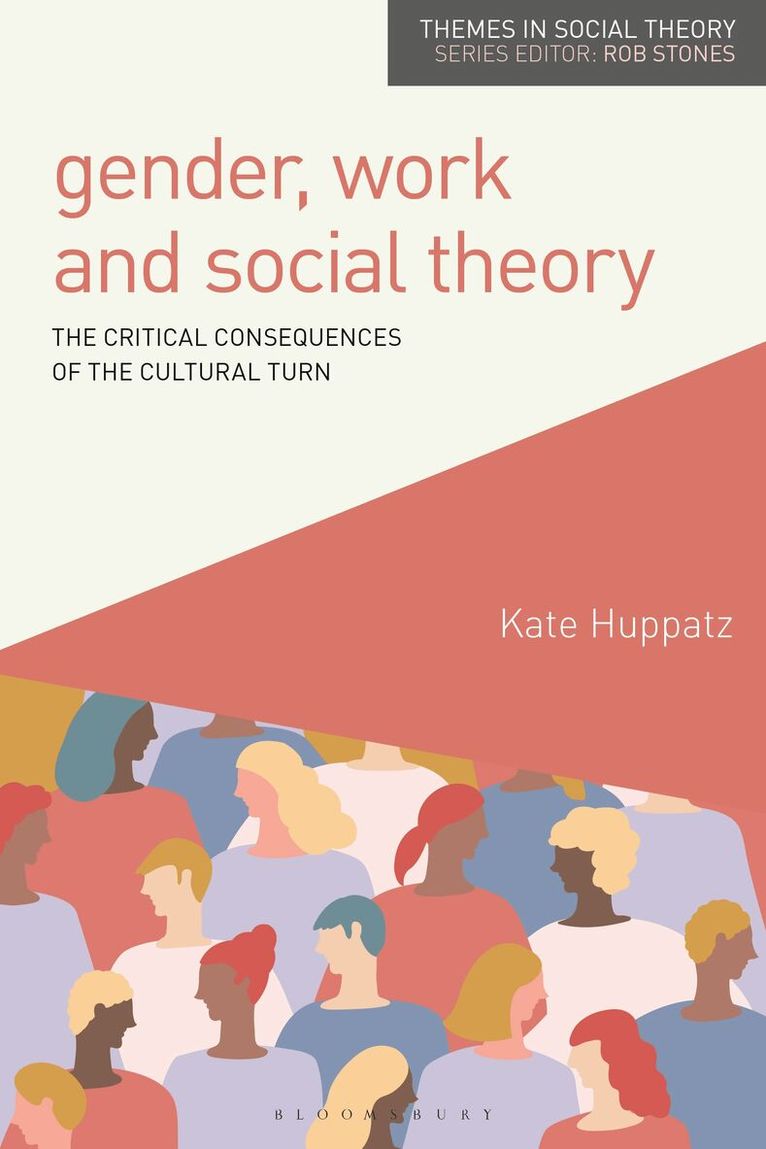
A 2024 Choice Outstanding Academic TitleHow is gender signified, produced and reproduced through paid and unpaid labour? In what ways does gender intersect with other kinds of disadvantage? How does power work through interactions, emotions and bodies?In this original synthesis of social theory and its application to gender and work, Kate Huppatz draws from classical theory and principles of the ‘cultural turn’ to explore how feminist sociology dismantles dualistic understandings of gender and scrutinizes the workings of power. In a tour de force of exposition and analysis of landmarks in the literature, Huppatz reflects upon continuities and departures in cutting-edge research on gender within organizations, unpaid domestic labour, and paid and unpaid care work.Close attention is paid to pressing issues such as the intersectionality of inequality in the workplace, relations between micro activities and larger social processes, and the impact of Covid-19 on exposing and exacerbating the gendered inequalities of work. Case examples drawn from North America, Australasia and the UK illustrate social theory in practice. Throughout, Huppatz emphasizes the importance of theoretical understandings in furthering empirical research about gender and work. She also considers the gendered division of labour within the study of work and employment itself.This key new addition to the Themes in Social Theory series is an essential read for advanced undergraduates, postgraduates and researchers interested in this area of study across a wide range of disciplines.
Gender, Work and Social Theory
The Critical Consequences of the Cultural Turn
Inbunden, Engelska, 2023
1 343 kr
Skickas inom 10-15 vardagar
A 2024 Choice Outstanding Academic TitleHow is gender signified, produced and reproduced through paid and unpaid labour? In what ways does gender intersect with other kinds of disadvantage? How does power work through interactions, emotions and bodies?In this original synthesis of social theory and its application to gender and work, Kate Huppatz draws from classical theory and principles of the ‘cultural turn’ to explore how feminist sociology dismantles dualistic understandings of gender and scrutinizes the workings of power. In a tour de force of exposition and analysis of landmarks in the literature, Huppatz reflects upon continuities and departures in cutting-edge research on gender within organizations, unpaid domestic labour, and paid and unpaid care work.Close attention is paid to pressing issues such as the intersectionality of inequality in the workplace, relations between micro activities and larger social processes, and the impact of Covid-19 on exposing and exacerbating the gendered inequalities of work. Case examples drawn from North America, Australasia and the UK illustrate social theory in practice. Throughout, Huppatz emphasizes the importance of theoretical understandings in furthering empirical research about gender and work. She also considers the gendered division of labour within the study of work and employment itself.This key new addition to the Themes in Social Theory series is an essential read for advanced undergraduates, postgraduates and researchers interested in this area of study across a wide range of disciplines.
435 kr
Kommande
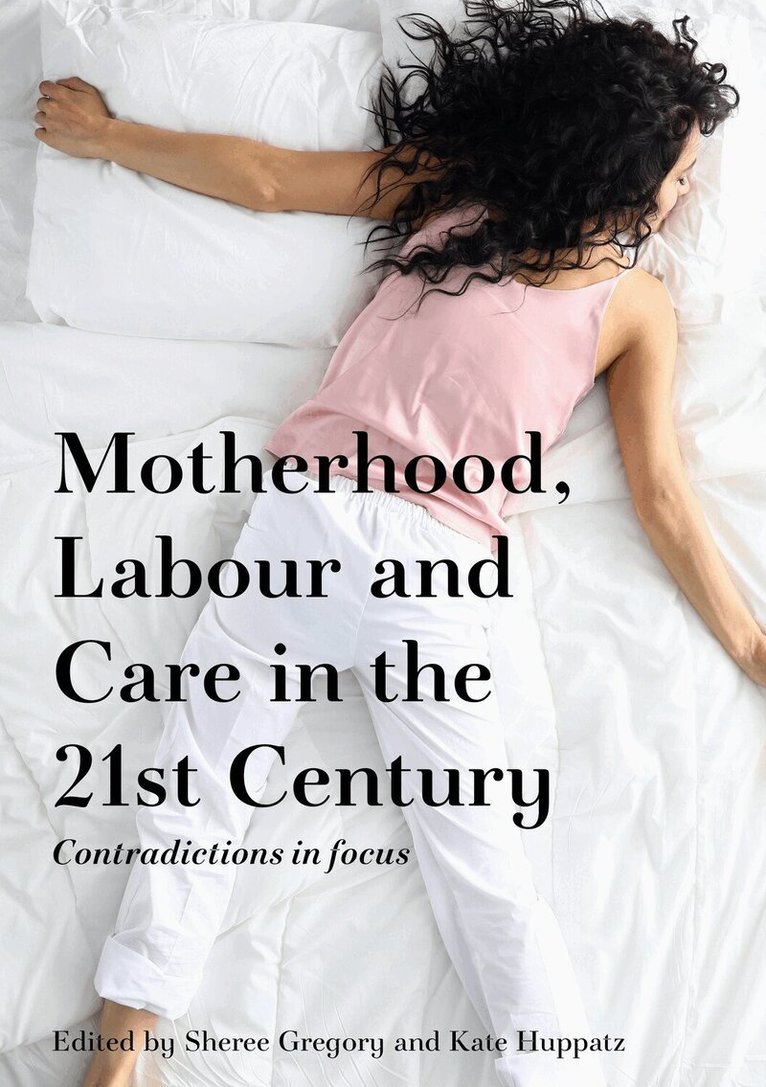
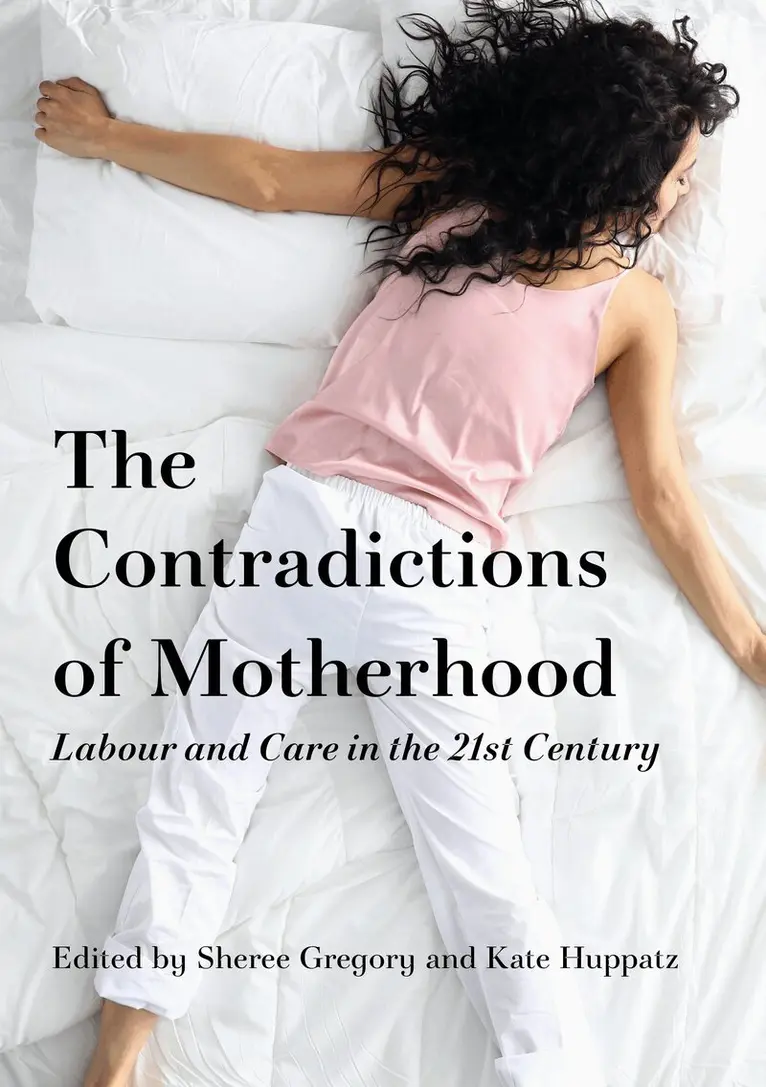
Modern motherhood in Australia and New Zealand is marked by contradiction. Recent decades have seen policy changes aimed at facilitating gender equality – such as enhanced paid parental leave and more generous childcare subsidies – alongside cultural shifts in the gendered division of domestic labour and women’s workforce participation. Yet, despite these changes, motherhood continues to be a contested and divisive subject, as well as a site of inequality.Many households and communities strive for egalitarian relationships and challenge the conflation of women with motherhood; however, essentialist notions of the maternal persist. Norms of “good motherhood” continue to limit the identities available to mothers, and structural responses to gender inequities often fall short. Tensions are therefore present in cultural representations of women and families, workplace and sector policies and practices, government initiatives, and lived experiences of motherhood.Intersectional inequalities compound these challenges. Indigenous, sole, and migrant mothers face additional barriers that workplace and welfare policies have failed to adequately address. The COVID-19 pandemic intensified these pressures, while simultaneously presenting opportunities to restructure work and care.With contributions from scholars across a range of disciplines – including history, sociology, criminology, human geography, media and communication, and business and management – Motherhood, Labour and Care in the 21st Century: Contradictions in focus interrogates these substantive themes in diverse communities across Australia and New Zealand. It offers a critical reflection on motherhood, labour and care, uncovering taken-for-granted assumptions about gender and family life, and redressing stubborn inequities.Motherhood, Labour and Care in the 21st Century hopes to encourage individuals and households to think differently about motherhood, and to inform government perspectives and social policy on gender ideologies, families, workplaces, and the broader care deficit.
500 kr
Skickas inom 5-8 vardagar
Modern motherhood in Australia and New Zealand is marked by contradiction. Recent decades have seen policy changes aimed at facilitating gender equality – such as enhanced paid parental leave and more generous childcare subsidies – alongside cultural shifts in the gendered division of domestic labour and women’s workforce participation. Yet, despite these changes, motherhood continues to be a contested and divisive subject, as well as a site of inequality.Many households and communities strive for egalitarian relationships and challenge the conflation of women with motherhood; however, essentialist notions of the maternal persist. Norms of “good motherhood” continue to limit the identities available to mothers, and structural responses to gender inequities often fall short. Tensions are therefore present in cultural representations of women and families, workplace and sector policies and practices, government initiatives, and lived experiences of motherhood.Intersectional inequalities compound these challenges. Indigenous, sole, and migrant mothers face additional barriers that workplace and welfare policies have failed to adequately address. The COVID-19 pandemic intensified these pressures, while simultaneously presenting opportunities to restructure work and care.With contributions from scholars across a range of disciplines – including history, sociology, criminology, human geography, media and communication, and business and management – The Contradictions of Motherhood: Labour and Care in the 21st Century interrogates these substantive themes in diverse communities across Australia and New Zealand. It offers a critical reflection on motherhood, labour and care, uncovering taken-for-granted assumptions about gender and family life, and redressing stubborn inequities.The Contradictions of Motherhood hopes to encourage individuals and households to think differently about motherhood, and to inform government perspectives and social policy on gender ideologies, families, workplaces, and the broader care deficit.
259 kr
Skickas inom 5-8 vardagar
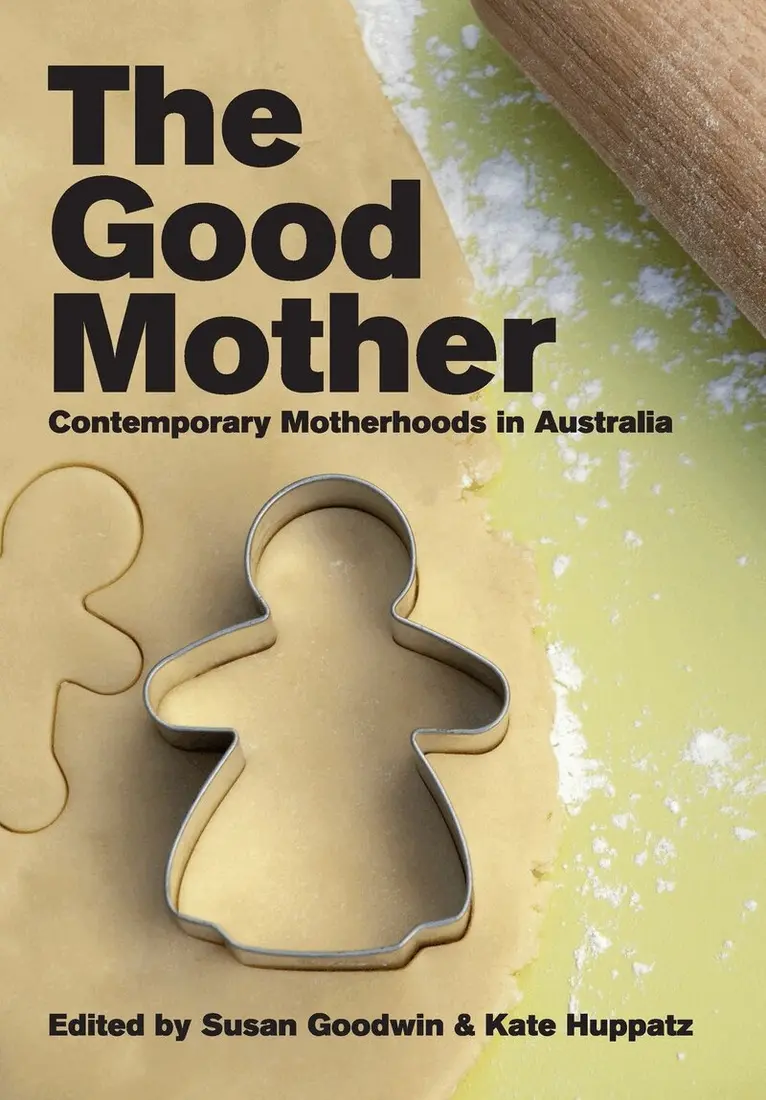
The Good Mother brings together essays on the contemporary relevance of the 'good mother' in Australia. Although the ideals of the 'good mother' change with time, fashion and context, they persist in public policy, the media, popular culture and workplaces. They place pressure on women to conform to particular standards, against which they are judged and judge themselves.This book captures the diversity of contemporary women's experiences. Chapters address the experiences of executive mothers, mothers working in manual trades, 'yummy mummies' and 'slummy mummies', low income mothers, single mothers, Indigenous mothers, lesbian parents, adoptive mothers and mothers negotiating schools and school choice. The essays demonstrate that while the 'good mother' is no longer exclusively white, heterosexual, economically dependent and child focused, prevailing ideas about mothers and motherhood continue to influence the way 'types' of women are represented and the way that all mothers think, act and present themselves.