Kathryn A. Morrison - Böcker
Visar alla böcker från författaren Kathryn A. Morrison. Handla med fri frakt och snabb leverans.
4 produkter
4 produkter
799 kr
Tillfälligt slut
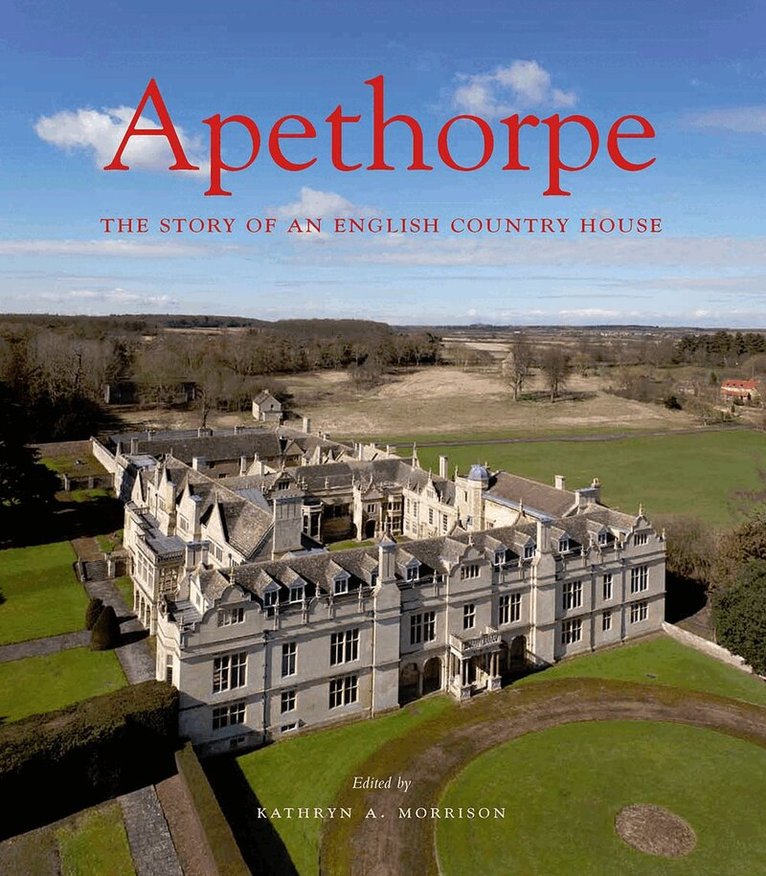
This beautiful publication narrates the romantic biography of an architecturally significant country residence and its rescue from decline. Dating from the mid-15th century, Apethorpe in Northamptonshire was home to a succession of leading courtiers and politicians. At the command of King James I, the house was refurbished with a richly decorated state apartment. The suite, with its series of rare plaster ceilings and carved chimneypieces, unquestionably ranks as one of the finest—and least known—in Britain. In 2004, English Heritage rescued the house from ruin and has since restored it to much of its glory. This book places Apethorpe in its wider historical and architectural context, comparing it with other Tudor and Jacobean houses. It sheds new light on the furnishing, decoration, and circulation patterns of state suites in country homes. Written by architectural and archeological experts from Historic England, this monograph, the first on Apethorpe, is illustrated with new and historical photographs, paintings, maps, engravings, and specially commissioned interpretive drawings that reveal how the house looked at key moments in its history.Published for the Paul Mellon Centre for Studies in British Art
535 kr
Tillfälligt slut
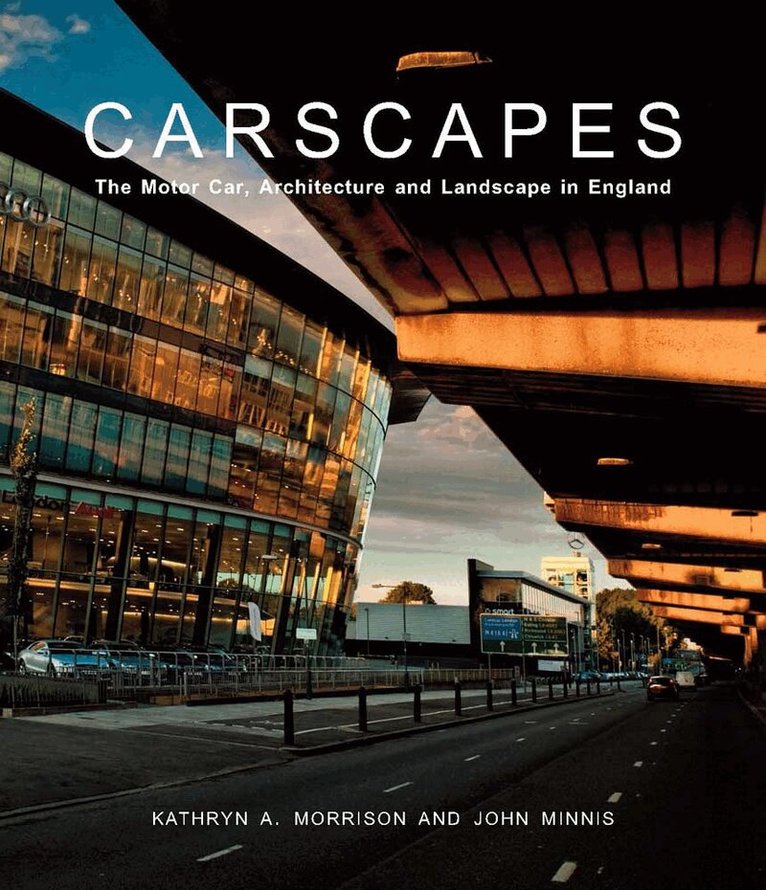
When the motor car first came to England in the 1890s, it was a luxury item with little practical purpose—drivers couldn't travel very far or quickly without paved roads or traffic laws. Thus began a transformation that has affected the architecture, infrastructure, and even the natural environment of the country. Carscapes relates the history of the car's impact on the physical environment of England from its early beginnings to the modern motorway network, focusing especially on its architectural influence.The authors offer a detailed look at the litany of structures designed specifically to accommodate cars: garages, gas stations, car parks, factories, and showrooms. Presenting a comprehensive study of these buildings, along with highways, bridges, and signage, Carscapes reveals the many overlooked ways in which automobiles have shaped the modern English landscape.Published for the Paul Mellon Centre for Studies in British Art
841 kr
Skickas inom 7-10 vardagar
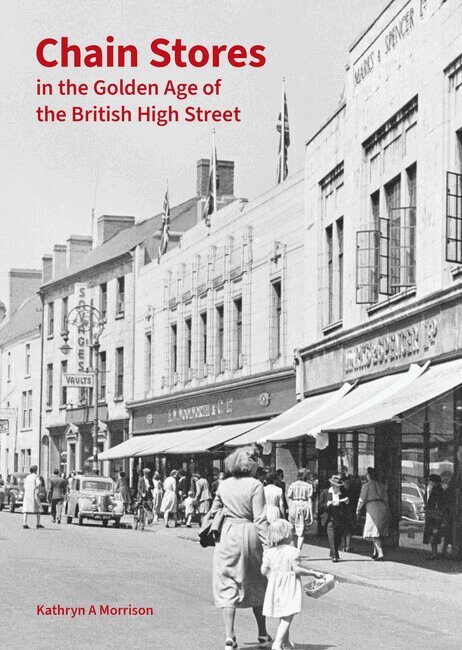
Familiar multiples like Boots, Burton’s, Marks & Spencer and Woolworth’s – plus a host of smaller chains – forged the character of Britain’s high streets in the late 19th and 20th centuries. Multiple retailing was a supremely successful phenomenon, loved by thrifty shoppers but feared by independent competitors. It is explored here through the lens of its shops and stores, which are generously illustrated with archive and modern photographs. These range from the Edwardian grandeur of Boots to the Art Deco splendour of Burton’s and the utilitarian post-war buildings of Littlewoods. Smaller chains are not neglected, even if all that survives are weathered signs or mosaic pavements.The time is ripe for a study of chain stores. Britain’s retail giants have been under scrutiny since the shocking collapse of Woolworth’s in 2009, followed by BHS in 2016. Online shopping was already undermining bricks-and-mortar retailing when the COVID pandemic struck in 2020, accelerating the process. The recent demise of Debenhams, Arcadia, Wilko and others leaves vast empty premises in town centres nationwide. Our high streets are changing, but their legacy of chain-store buildings can play a constructive role in repurposing them for future generations.
1 007 kr
Skickas inom 7-10 vardagar
Woolworth’s bright red signboard was a beacon on British and Irish high streets for nearly a century. American in origin, Woolworth’s grew rapidly after the first branch opened in Liverpool in 1909. The business model – with inexpensive goods piled on counter tops – scored an immediate hit with British consumers. By 1930 there were 400 stores, and by 1960 over 1000. With its own architects’ department and regional construction teams, Woolworth’s erected hundreds of prominent stores in shopping centres throughout England, Scotland, Ireland and Wales. It is these buildings – often typical of the commercial architecture of their day – which provide the focus of this book. This is not, however, a conventional architectural history – it is the story of Woolworth’s seen through the prism of its stores. The Woolworth’s chain was of huge cultural importance, shaping and reflecting fundamental changes – mostly American in origin – that took place in the nation’s shopping habits. Despite its dominant position on the high street, by the 1960s Woolworth’s was beginning to lose its way. As people acquired cars and freezers and began to desert the high street, Woolworth’s tried to stay ahead of the game with unsuccessful ventures into out-of-town and catalogue shopping. But by the time of its demise in 2009, a shrunken Woolworth’s owned just two of the stores which it had built and developed over the preceding century. The closure of the last British stores in January 2009 provoked an outpouring of nostalgia and grief. Woolworth’s occupied the heart of many communities, physically and commercially, and its heritage deserves celebration.